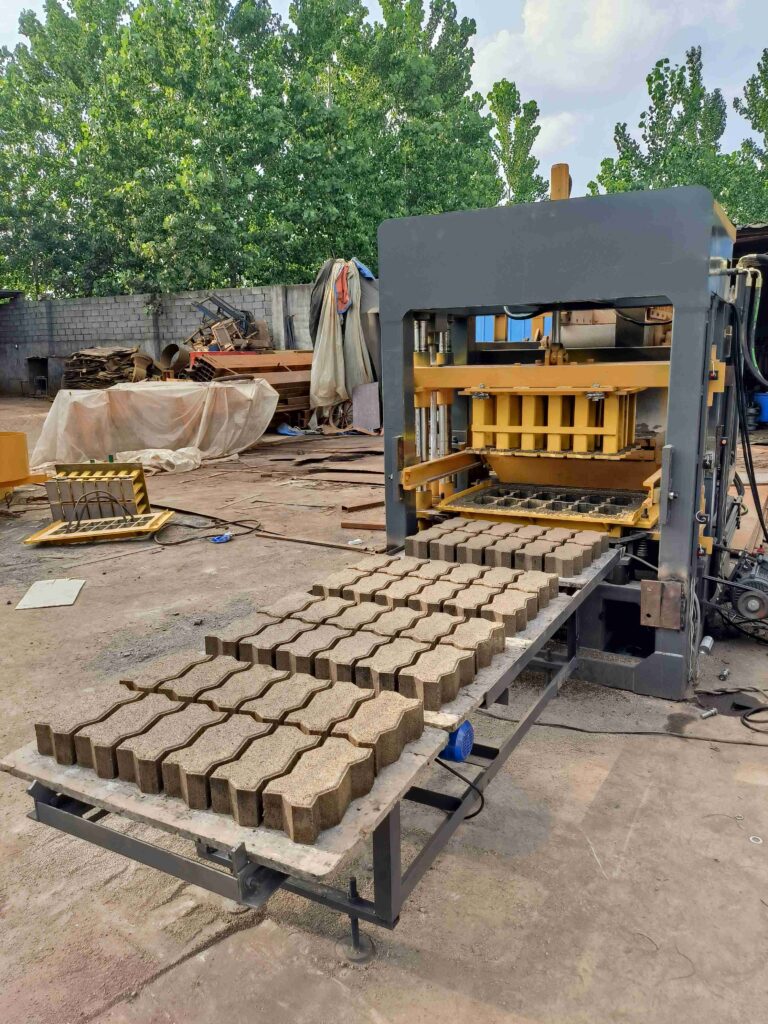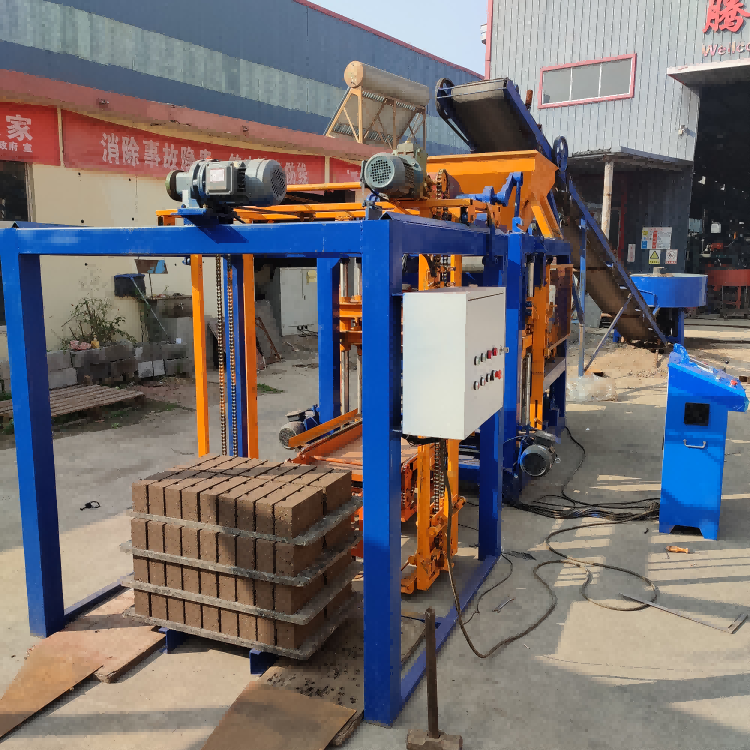
Tiirarka Mashiinka Sifeeya Dhagaxa Tayo Sare leh
Qiimaynta tayada waa inay noqotaa mid habaysan, oo ka gudubta tilmaamaha dusha sare si loo eego falsafadda naqshadeynta aasaasiga ah iyo daacadnimada qaybaha.
1. Aasaaska Injineeriyadda iyo Dhismaha Qaab-dhismeedka
Makaanikada xudunta u ah mishiinka ayaa go'aamiya cimrigiisa iyo xasilloonidiisa marka uu si joogto ah u shaqeeyo culeys sareeya.
- Qaab iyo Dhismaha CulusJirka iyo qaabka hoose waa in laga sameeyaa saxannada iyo qaybaha birta ee tayo sare leh, oo nafis lagu sameeyay (stress-relieved), ma aha in laga sameeyo biraha fudud ee qaabka "channel". Dabcinta muhiimka ah waa inay tahay mid isdabajoog ah, oo nadiif ah, oo la sameeyo iyadoo la isticmaalayo "submerged arc welding" si loo helo guntin qoto dheer iyo xoog. Qaab adag ayaa ka hortaga qallooca marka la shideynayo, taas oo ah sababta asaasiga ah ee xirashada aan sinnayn iyo iswaafaq la'aanta sheyga.
- Korantada Sare iyo Qaybaha Biyaha:- Qaybta ugu muhiimsan ee nidaamka waxay ku taallaa matoorradeeda. Mashiin tayo sare leh wuxuu adeegsadaa bambooyin hydraulic oo heer warshadeed ah, valves, iyo cylinders oo ka yimid silsilado sahay oo sumcad leh (inkastoo aan magacyada la sheegin isgaarsiinta macaamiisha). Cylinders-ku waa inay leeyihiin ulo piston ah oo chromium adag leh iyo shaambo tayo leh. Matoorada korontada waa inay ahaadaan kuwa tayo sare leh (IE3/IE4) oo lala xiriiriyo gearboxes sax ah. Tani waxay hubisaa gudbinta tamarta hufan, yaraynta kulaylka, iyo hawlgalka la isku halayn karo oo aan biyo-shubin lahayn.
- Qaybaha Xidhashada Muhiimka ah ee Si Sax ah loo QaabeeyeyNidaamka qaabeynta—oo ay ku jiraan sanduuqa qaabeynta laftiisa, madxanyada isku-buufinta, quudiyeyaasha saxaafadda, iyo cagaha tamper-ka—waa in laga sameeyaa bir weyn oo ah tool steel-ka sare ama lagu daro taargooyin adag oo xiran. Dulqaadka qaybahan waa inuu noqdaa dhawr boqol oo mitir oo boqolkiiba meelood ah. Saxnaantan waxay hubisaa saxnaanta cabbirka lebenka dhammeystiran, waxay yarayneysaa is-xoqidda, waxayna si weyn u kordhisaa muddada adeegga ka hor inta aan loo baahnayn in la beddelo, taasoo si toos ah u hoos u dhigaysa qiimaha leben kasta oo la soo saaro.
2. Nidaamyada Xakamaynta Horumarsan iyo Ku-celcelinta
Joogtooyntu waa astaanta tayada wax soo saarka, waxaana suurtogeliya tignoolajiyada kontoroolka ee casriga ah.
- Warshadaha Kontaroolaha Xirmooyinka Barnaamijka (PLC) oo leh Is-dhexgalka Bini'aadamka iyo Mashiinka (HMI):Nidaamka kontoroolku waa inuu ku xidhmaa goob PLC adag oo qayb-qayb ah, oo aan ahayn mid ku tiirsan relay fudud ama microcontroller-ka qiimahiisu hooseeyo. Shaashadda HMI taabashada ah waa inay u ogolaato barnaamijka dhamaan doorsoomayaasha mashiinka si dareen leh: waqtiyada wareegyada, muddada iyo inta jeer ee gariirada, jaantusyada cadaadiska, iyo tirada lakabyada. Awoodda lagu keydin karo boqollaal "cunto" oo alaabooyin kala duwan ah waxay u suurtagelineysaa beddelka degdega ah ee khaladaadka la'aan.
- Iskudhafka Dareemaha iyo Jawaab-celinta XiranMashiinada tayada leh waxay ku qalabaysan yihiin shabakad dareemeedyo kormeera cadaadiska hawo biyaha, heerkulka iyo heerka saliidda, booska qaabka, iyo dhererka shayga. Xogtan waxay u soo celisaa PLC-ga, taasoo u suurtagelisa hagaajin waqti-dhab ah iyo bixinta baaritaan muhiim ah. Tusaale ahaan, nidaamku wuxuu si toos ah uga hortagi karaa isbeddelka yar ee heerkulka dareeraha hawo biyaha si loo ilaaliyo xoogga cadaadiska joogtada ah.
- Data Connectivity and Production Monitoring: A forward-looking feature is built-in Ethernet or wireless connectivity for Industry 4.0 readiness. This allows for remote monitoring of production counts, machine status, and efficiency (OEE) dashboards. It facilitates predictive maintenance alerts and remote technical support, transforming the machine from an isolated unit into a networked production asset.
3. Versatility and Adaptability to Market Demands
A quality machine protects the client’s investment by adapting to future market needs.
- Modular Mold and Tooling Systems: The machine should accommodate a quick-change mold system, allowing swap-over from producing solid blocks to hollow blocks, pavers, or interlocking bricks in under 30 minutes. Molds should be self-aligning and securely clamped without requiring extensive manual tooling.
- Broad Material Compatibility: The design should facilitate the use of diverse raw materials, from standard concrete mixes to those incorporating high percentages of fly ash, slag, or recycled aggregates. This may involve features like adjustable vibration amplitudes for optimal compaction of different mix designs or wear-resistant augers and mixers for abrasive materials.
- Scalable Automation Options: The core machine should be designed to integrate seamlessly with upstream and downstream automation. This includes synchronized pallet feeders, automated stackers, robotic palletizers, and conveyor systems. A high-quality base machine will have pre-designed interfaces for this expansion, allowing the client to start semi-automated and upgrade to a fully automated production line as business grows.
4. Design for Serviceability and Sustained Support
Ease of maintenance and the strength of after-sales support are ultimate tests of quality.
- Ergonomic and Safe Maintenance Access: Panels should be easy to remove with standard tools. Lubrication points should be centralized and easily accessible. Electrical cabinets should be clearly labeled and laid out logically. Hydraulic hose routing should be tidy and protected. These considerations drastically reduce mean time to repair (MTTR) and improve technician safety.
- Comprehensive Technical Documentation and Training: A superior manufacturer provides exhaustive documentation: detailed electrical and hydraulic schematics, parts manuals with exploded-view diagrams, and structured maintenance checklists. Furthermore, they offer robust training programs, both on-site and at their facilities, covering operation, routine maintenance, and basic troubleshooting for the client’s technical staff.
- A Responsive and Knowledgeable Support Network: For the distributor, the quality of the manufacturer’s support is as critical as the machine itself. This includes readily available technical experts, a well-stocked inventory of spare parts with a clear supply chain, and a responsive warranty policy. The ability to access remote diagnostics and support is a key differentiator.
The Tangible Outcomes of Investing in Quality
The premium paid for a high-quality machine is amortized through superior operational and financial outcomes.
- Exceptional Product Consistency and Reduced Waste: Precision engineering and control yield bricks with uniform dimensions, density, and strength, minimizing product rejection and ensuring compliance with the most stringent project specifications.
- Maximized Uptime and Lower Lifetime Operating Costs: Robust components and predictable maintenance schedules prevent catastrophic failures. While the initial investment is higher, the total cost of ownership over a 10-15 year lifespan is often lower due to reduced repair costs, lower energy consumption (from efficient drives), and higher sustained production output.
- Enhanced Brand Equity and Client Confidence: Distributors who champion demonstrably high-quality machinery build their own reputation for reliability and insight. They become partners in their clients’ success, fostering long-term loyalty and generating valuable referrals.
Gabagabo
A high-quality brick making machine is the culmination of a philosophy that prioritizes durability, precision, adaptability, and holistic support over short-term cost minimization. It is a capital asset engineered to be the stable, productive heart of a client’s operation for decades. For the industry professional, the ability to evaluate and communicate these attributes is a critical skill. It involves looking beyond the brochure’s stated production capacity to interrogate the grade of materials used, the sophistication of the control architecture, the foresight in the design for flexibility, and the depth of the support ecosystem. By focusing on these core pillars, distributors and procurement experts can guide their clients toward investments that deliver not just immediate output, but enduring competitive advantage, operational serenity, and a foundation for growth in an ever-evolving construction marketplace. In essence, selling quality is selling certainty.
Su'aalaha Inta Badan La Is Weydiiyo (FAQ)
Q1: How can we assess build quality during a factory visit or machine inspection?
Focus on tangible details: Observe the welds—they should be even, clean, and continuous, not spotty or painted over to hide imperfections. Check the thickness of steel plates in the frame and vibration chamber. Inquire about the origins of key components like hydraulic pumps and the PLC brand. Examine the fit and finish of guards, panels, and wiring conduits—neat, professional execution often reflects internal quality. Ask to see the machining of the mold box and compaction head.
Q2: Is a higher price always indicative of higher quality?
Generally, there is a strong correlation, but price must be evaluated against the specific features and components. A higher price should be justifiable by the factors outlined: superior materials, better components, advanced control systems, and a more comprehensive service package. The task is to perform a value analysis, not just a price comparison. A slightly more expensive machine with a proven track record of 20,000 hours of operation with minimal repairs often represents a far better value than a cheaper alternative with unknown reliability.
Q3: What are the most common failure points in lower-quality machines, and how are they addressed in high-quality designs?
Common failures include: Cracked frames or vibration chambers (addressed with heavy-duty, properly engineered steel construction). Rapid wear of molds and tamper feet (addressed with hardened, precision-machined alloy steel). Frequent hydraulic leaks and pump failures (addressed with industrial-grade components and clean, well-plumbed systems). Electrical faults and control system instability (addressed with an industrial PLC, proper shielding, and a professionally assembled cabinet).
Q4: How important is energy efficiency as a marker of quality?
Increasingly critical. Energy efficiency is a direct result of quality engineering. It is achieved through high-efficiency motors, well-designed hydraulic circuits that minimize heat loss (e.g., variable displacement pumps), and optimized mechanical cycles that reduce idle time. An energy-efficient machine not only lowers operating costs but also runs cooler and experiences less thermal stress on components, contributing to longer life. Request specific data on installed power and average energy consumption per standard block.
Q5: Can a quality machine compensate for poor raw materials?
While a superior machine offers better consistency and control, it cannot fundamentally overcome the limitations of unsuitable raw materials. However, a high-quality machine often has a wider operational envelope and better control systems (like precise moisture measurement) to optimize the output from a given mix. The synergy of quality materials and a quality machine produces the best results. A key advisory role is helping clients establish proper raw material specifications to pair with their equipment investment.