
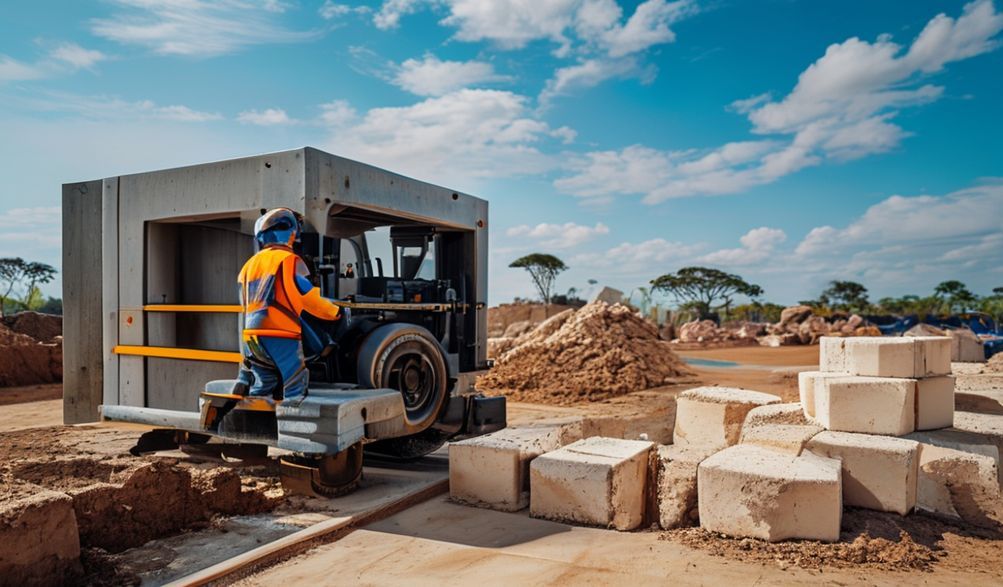
Дастури ниҳоии шумо барои хариди мошини сохтани блокҳои семент дар Кения | Тавсияҳои коршиносон аз Фабрикаи FUDA
Муқаддима
Сектори сохтмони Кения қувваи муҳим мебошад, ки беш аз 6,5% ба ММД-и миллӣ ҳисса мегузорад ва бо суръати баланд рушд мекунад. Дар маркази ин раванд як ҷузъи асосии сохтмон ҷой гирифтааст: блоки соддаи семент. Сифат, устуворӣ ва нархи ин блокҳо бевосита ба устувории хонаҳои мо, тӯлонокии дафтарҳо ва суръати рушди миллӣ таъсир мерасонад.
Аммо, барои бисёр сохтмончӣ, подрядчиҳо ва соҳибкорони орзуманд, ба даст овардани ин сифат ҷанги доимӣ аст. Бозор бо мушкилот пур аст — блокҳои нисбатан пастсифат, ки устувории сохторро халал мерасонанд, хароҷоти баланди фоиданок барои истеҳсол, ки маржаҳоро мехӯранд, ва коҳиши доимии мошинаҳои нобовар, ки лоиҳаҳоро бозмедоранд ва пулро талаф медиҳанд. Орзуи корхонаи босамара ва самараноки истеҳсоли блок метавонад аз дастраси дур намояд.
Ин ҷо тахассус аҳамият дорад. Бо истифода аз даҳсолаҳо таҷрибаи мутахассиси муҳандисии FUDA дар технологияи сохтани блокҳо, ин дастури комил барои буридани садо тарҳрезӣ шудааст. Мо танҳо таъминкунанда нестем; мо шарики техникии шумо ҳастем. Дар ин ҷо, мо дониши саноатиро бо фаҳмиши асосии корхона муттаҳид мекунем, то ба шумо имкон диҳем, ки сармоягузории оқилона ва огоҳона анҷом диҳед.
Оё шумо барои як системаи мустаҳкам меҷӯедмошини сохтани блокҳои сементӣ барои фурӯш дар КенияБарои таъмин кардани як лоиҳаи калон ё оғози як корхонаи хурд, ин мақола роҳро равшан мекунад. Ҳадафи мо ин аст, ки ба шумо дониши бегаране диҳем, ки барои интихоби мошини комил азФабрикаи истеҳсоли блокҳои ФУДАё дигар таъминкунандаи эътибордор, ки ба талаботи мушаххас, буҷа ва дидгори рушди шумо ба таври комил мувофиқат мекунад.
Фаҳмидани Мошинаҳои Блокҳои Семент: Намудҳо ва Истифодаҳо
Навигация дар ҷаҳони мошиниҳои сохтани блок бо фаҳмидани технологияҳои асосӣ даст мегирад. Интихоби дуруст ба андозаи истеҳсолот, буҷа ва сатҳи автоматсозии шумо вобаста аст.
Дастӣ ва ним-автоматӣ ва пурра-автоматӣ мошинаҳои сохтани блокҳо
-
Дастгоҳҳои дастӣ барои сохтани блокҳо
- Амалиёт:Тамоми корҳо бо қувваи инсон анҷом дода мешаванд. Оператор омехтаро омехта карда, ба қолиб мегузорад ва фурӯ мебарад, сипас блокро дастӣ берун меоварад.
- АрзишСармоягузории аввалаи хеле кам.
- Натиҷа:Кам (ба таври маъмулӣ 200-500 блок дар як вақти 8 соата).
- Меҳнат:Салом. Барои ба даст овардани натиҷаи муҳим ба талаби ҷисмонӣ ва операторҳои сершуморе ниёз дорад.
- Идеалӣ барои: Micro-enterprises, very small personal projects, or regions with extremely low labor costs and capital. Not suitable for commercial production.
-
Машинаҳои ним худкор барои сохтани блокҳо:
- Амалиёт: The core compaction and molding process is powered (usually by electricity or diesel), often using a vibration and hydraulic system. Operators manually feed raw material and remove finished blocks.
- Арзиш Moderate. Offers the best balance of affordability and efficiency for most Kenyan SMEs.
- Натиҷа: Medium to High (can range from 1,000 to 4,000+ blocks per 8-hour shift, depending on model).
- Меҳнат: Moderate. Requires less physical strain than manual machines, but still needs attentive operators.
- Идеалӣ барои: The sweet spot for most Kenyan businesses. Perfect for growing construction companies, dedicated block manufacturing yards, and housing cooperative projects.
-
Машинаҳои пурра худкор барои сохтани блокҳо:
- Амалиёт: Computer-controlled systems handle feeding, mixing, molding, curing, and stacking with minimal human intervention. Often part of a complete production line.
- Арзиш High initial capital investment.
- Натиҷа: Very High (can produce 8,000 to 20,000+ blocks per shift).
- Меҳнат: Low. Primarily for machine supervision, quality control, and maintenance.
- Идеалӣ барои: Large-scale block selling businesses, industrial parks, and major contractors supplying city-sized projects. Justified by very high, consistent demand.
Popular Block Types and Their Machine Requirements
The machine you choose must be capable of producing the blocks the market demands. In Kenya, several types are prevalent:
- Блокҳои ҳолӣ: The most common for wall construction. Machines need strong vibration to ensure proper compaction around the hollow cores. Mold quality is critical for consistent wall thickness.
- Блокҳои сахт: Used for foundations and heavy-load areas. Require machines with high pressure and vibration to achieve maximum density and strength.
- Interlocking Blocks (Soil-Cement or Concrete): Gaining popularity for cost-effective, mortar-less construction. Machines require precision molds to ensure the locking mechanism is accurate every time.
- Paving Bricks (Kerbstones, Grass Pavers): For landscaping, driveways, and roadways. Machines often have multi-cavity molds and may include special color-feeding systems.
A versatile machine from a supplier like FUDA will offer interchangeable molds, allowing you to pivot between block types as market opportunities shift.
Key Machine Components and Why Quality Matters
Never judge a machine by its paint job. Long-term performance depends on the quality of its core components:
- Қолиб: The heart of the machine. It must be made from high-grade, abrasion-resistant steel (like #45 steel) and precision-engineered. A poor-quality mold wears quickly, leading to misshapen blocks and costly, frequent replacements.
- Системаи Ларзишӣ: Responsible for compacting the concrete mix and eliminating air pockets. Look for a system with adjustable frequency and amplitude. Powerful, balanced vibrators driven by quality motors (not just any motor) are essential for producing dense, strong blocks.
- Системаи гидравликӣ: In semi- and fully-automatic machines, this provides the pressing force. A robust system with reliable pumps, valves, and cylinders ensures consistent block height and smooth operation. Leaky, underpowered hydraulics are a primary source of downtime.
- Фрейм ва сохтор: The machine must be built from heavy-duty steel plate and channel to withstand constant vibration and shock loads without warping. A flimsy frame will lead to misalignment and breakdowns.
At FUDA, our manufacturing standard dictates the use of certified materials and CNC machining for critical parts. This engineering rigor is what transforms a simple machine into a durable asset.
Why Choose a FUDA Cement Block Making Machine in Kenya?
In a market with numerous options, partnership and proven performance are key differentiators. Here’s what sets a FUDA investment apart.
Мукаммалсозии муҳандисӣ ва тарҳрезии устувор
Our philosophy is built on over twenty years of focused таҷриба in block machinery design. Each FUDA machine is a product of iterative engineering:
- Санҷиши дақиқ: Components and assembled machines undergo stress tests far exceeding normal operating conditions.
- Маводҳои дараҷаи олӣ: We specify industrial-grade bearings, sealed vibrator motors, and hardened steel for high-wear parts, ensuring longevity.
- Modular Design: This simplifies maintenance and repair. Critical components can be accessed and replaced without dismantling the entire machine, minimizing downtime.
Tailored for the Kenyan Market and Environment
We don’t sell generic machines; we provide solutions adapted for local realities:
- Power Flexibility: Our machines are configurable for Kenya’s 240V/50Hz single/three-phase grid. For areas with unstable power, we offer robust diesel-engine-driven models.
- Гуногунрангии маводҳо They are engineered to perform optimally with locally available aggregates, including quarry dust, river sand, and pozzolana cement. Our technical team provides proven mix design ratios.
- Dust and Ruggedness: Enhanced sealing on bearings and electrical components protects against the fine dust prevalent in block yards, while corrosion-resistant treatments combat the elements.
Fueling Kenyan Business: From Employment to Entrepreneurship
Our greatest measure of success is your success. We have equipped numerous Kenyan clients, from individual entrepreneurs in Nakuru to large contractors in Nairobi.
- Testimonial – Mombasa: “Our FUDA semi-automatic machine runs 10 hours a day, six days a week. The consistency of the blocks has become our selling point. FUDA’s training got our team operational in days.” — Jamal, Coastal Builders Ltd.
- Таъсир: By providing reliable, efficient technology, we enable job creation, skills development, and the growth of local enterprises that form the backbone of the construction ecosystem.
Comprehensive After-Sales Support: Parts, Service, and Training
Our relationship begins at purchase, but our commitment is long-term. This is the cornerstone of our эътимоднокииваэътимоднокии.
- Detailed Training: We provide comprehensive operator and maintenance training, either through on-site guidance during installation or via clear video manuals and diagrams.
- Genuine Spare Parts: We maintain an inventory of critical spare parts, ensuring you are not sidelined for weeks waiting for a replacement.
- Technical Support Hotline: Our engineers are accessible to troubleshoot issues, helping you resolve minor problems quickly over the phone or video call.
Омилҳои муҳим барои баррасӣ пеш аз харид
Arm yourself with this checklist to evaluate your needs and any potential supplier.
Assessing Your Production Needs: Output Capacity (Blocks Per Hour)
Don’t just buy the biggest machine. Calculate realistically:
1. Current Demand: How many blocks do your ongoing projects require per week?
2. Growth Projection: What is your business target for the next 1-2 years?
3. Machine Cycle Time: A machine rated at 1,200 blocks per hour doesn’t account for loading, curing, and breaks. A practical output is 70-80% of the theoretical maximum.
Match the machine’s real-world output to your calculated demand with room for growth.
Power Source: Electric, Diesel, or Hybrid?
- Электрикӣ: Cleaner, quieter, and lower operational cost where grid power is stable and affordable. Ideal for urban and peri-urban settings.
- Дизелӣ: Higher fuel cost but offers complete independence from the grid. Essential for remote sites or areas with frequent power outages. Offers high torque.
- Гибридӣ: Some models offer the flexibility to switch between power sources, providing a valuable contingency.
Space, Layout, and Operational Workflow
A machine is just one node in a production line. Plan for:
* Raw Material Bay: Storage for sand, aggregate, and cement, protected from the rain.
* Mixing Area: Space for a pan or drum mixer, typically close to the machine hopper.
* Production Floor: A hard, level surface (concrete slab) for the machine.
* Curing Area: A shaded, well-ventilated space to store freshly made blocks for 7-14 days. This area is often the largest.
Total Cost of Ownership: Beyond the Sticker Price
The machine price is just the entry ticket. A smart buyer budgets for:
* Capital Costs: Machine price, shipping (CIF Mombasa), customs clearance & duty, and installation.
* Хароҷоти амалиётӣ: Electricity/Diesel, routine maintenance (grease, filters), labor, and raw materials.
* Contingency Costs: Budget for genuine spare parts (mold liners, vibrator motors) as part of annual upkeep.
Navigating the Purchase Process with Confidence
How to Verify Supplier and Machine Credibility
- Request Certifications: Ask for ISO quality management certificates, test reports for components like motors, and business licenses.
- Seek Evidence: Demand real photos and videos of the machine in operation, not just catalog images. A live video call to the factory floor is a great trust-builder.
- Check References: Ask for contact information for past clients in East Africa. Follow up with them.
Essential Questions to Ask Your Supplier
- “What is the exact composition and hardness of the steel used for the mold?”
- “What is the brand and model of the vibrator motor and hydraulic pump? Are they standard brands I can source locally if needed?”
- “Can you provide a detailed breakdown of the warranty—what is covered, for how long, and what is the process?”
- “What is included in the delivery (FOB/ CIF)? Are installation manuals and basic tools included?”
- “Do you have an agent or recommended technician in Kenya for support?”
Understanding Shipping, Customs, and Installation in Kenya
Work with a supplier experienced in exporting to Kenya. They should handle:
* Professional export packaging (wooden crate).
* All shipping documentation (Bill of Lading, Commercial Invoice, Packing List).
* Guidance on the necessary customs processes at the Port of Mombasa. You will typically need a Clearing Agent. Factor in port charges and Kenya Revenue Authority (KRA) import duty.
Financing and ROI Projections for Your Investment
While direct financing varies, consider:
* Business Loans: Approach local banks with a solid business plan.
* Supplier Arrangements: Some suppliers offer phased payment plans.
* Ҳисобкунии сармоягузорӣ (ROI)
* Revenue: (Selling Price per Block – Cost of Raw Materials per Block) x Monthly Production.
* Costs: Subtract monthly operational costs (power, labor, maintenance) and loan repayments.
* Payback Period: Divide the total initial investment by your average monthly profit. A well-run block yard with a semi-automatic machine can often see a payback period of 12-24 months.
Frequently Asked Questions (FAQ)
Q1: What is the price range for a cement block making machine in Kenya?
A: Prices vary significantly based on automation and capacity. A basic manual press can start from KES 80,000, a quality semi-automatic machine from a brand like FUDA typically ranges between KES 800,000 to KES 3.5 million, while large fully automatic lines can be KES 5 million+. Always request a detailed quotation based on your specific required output and configuration.
Q2: Can FUDA machines use local Kenyan materials like quarry dust and pozzolana cement?
A: Absolutely. FUDA machines are engineered for material flexibility and robustness. Our technical team provides optimal mix design ratios for locally sourced materials like quarry dust, river sand, and pozzolana cement to ensure you achieve the required block strength (e.g., NCA Class 15/20) while maximizing cost-efficiency.
Q3: What kind of training and technical support does FUDA offer after purchase?
A: Our support package includes detailed operation and maintenance manuals, instructional videos, and comprehensive remote guidance during installation. We also offer on-site technician dispatch for major installations and maintain a dedicated technical support hotline and email for prompt troubleshooting.
Q4: How do I maintain my block making machine to ensure longevity?
A: Key daily and weekly routines include: cleaning all concrete residue, checking and tightening bolts/nuts, lubricating all moving parts as per the manual, and inspecting the hydraulic system for leaks. The most critical rule is to use only genuine or manufacturer-recommended spare parts to avoid causing damage.
Q5: What is the typical lead time from order to delivery in Kenya?
A: For standard models, the lead time is typically 4-6 weeks after order confirmation. This includes manufacturing, testing, packing, and sea freight to Mombasa. Delivery to your site thereafter depends on local transport and customs clearance, which we guide you through. Customized machines may have a longer lead time.
Conclusion
Choosing the right cement block making machine is a pivotal decision that impacts the quality of your builds, the efficiency of your operations, and the profitability of your venture. The journey starts with a clear assessment of your production needs, a thorough understanding of machine types, and an unwavering focus on the quality of core components and after-sales support.
Investing in robust, reliable machinery from a reputable partner is not merely a purchase; it’s an investment in the foundation of your business’s future. It empowers you to deliver superior quality consistently, meet demanding project timelines, and build a reputation for excellence in Kenya’s vibrant construction landscape.
Ready to transform your block production capability?
Contact the FUDA engineering team today for a free, no-obligation consultation. Let’s discuss your specific project requirements, and we will provide you with a detailed quotation and technical specifications tailored for success in the Kenyan market. Download our comprehensive machine catalog to explore our range of proven solutions. Partner with FUDA—where engineering expertise meets a commitment to your growth.