
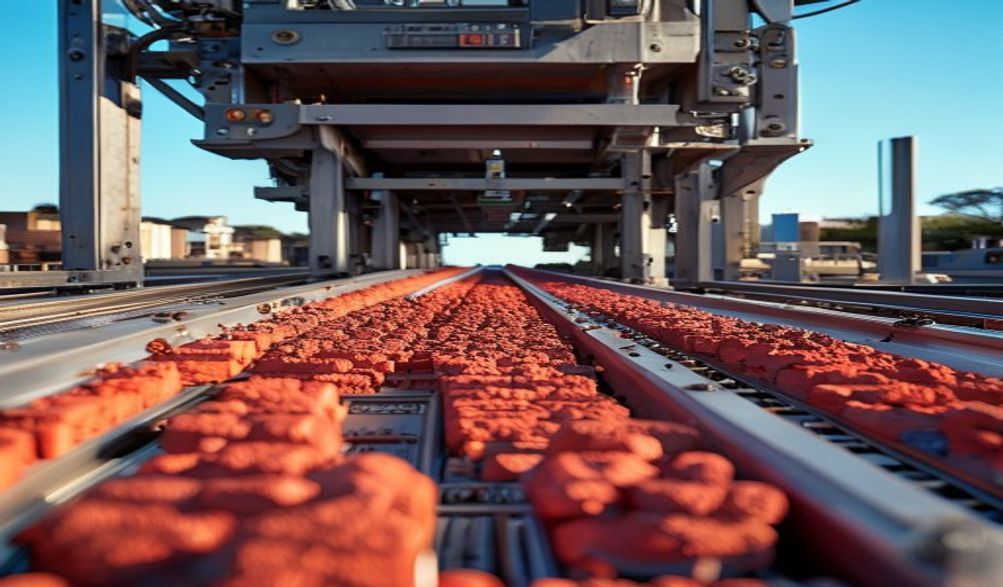
Роҳнамои харидори соли 2026 барои интихоби мошини дурусти хиштсозии автоматӣ барои фурӯш дар Африқои Ҷанубӣ
Бахши сохтмон ва рушди амволи ғайриманқули Африқои Ҷанубӣ дар масири афзоиши устувор қарор дорад. Бо такя ба лоиҳаҳои инфрасохторӣ, талаботи манзилӣ ва рушди тиҷоратӣ, зарурати маводи сохтмонии боэътимод ва баландсифат ҳаргиз ин қадар зиёд набудааст. Барои соҳибкорони ботаҷриба ва корхонаҳои муқарраршуда, сармоягузорӣ ба мошини автоматии хиштсозӣ имконияти бузургест барои бунёди як тиҷорати фоидаовар.
Аммо паймоиши бозор барои ин таҷҳизоти муҳим метавонад хеле душвор бошад. Бо шумораи зиёди моделҳо, брендҳо ва мушаххасоти техникии мураккаб, қарори шитобкорона метавонад боиси вақти бекористии пурхароҷот, сифати номувофиқи маҳсулот ва фишори молиявии ҷиддӣ гардад. Ин танҳо харид нест; ин сармоягузории стратегӣ дар асоси тиҷорати шумост.
Ин роҳнамои ҳамаҷонибаи соли 2026 барои рафъи сардардӣ тарҳрезӣ шудааст. Бо такя ба даҳсолаҳо таҷрибаи коллективии соҳа ва дониши амиқи техникӣ, мо шуморо тавассути ҳар омили муҳим роҳнамоӣ мекунем. Ҳадафи мо он аст, ки ба шумо қувват диҳем, то қарори огоҳона ва боваринок қабул кунед, ки бо ҳадафҳои истеҳсолӣ, буҷа ва талаботи беназири амалиётии бозори Африқои Ҷанубӣ комилан мувофиқат кунад. Биёед асоси муваффақияти шуморо бунёд кунем.
Фаҳмидани ниёзҳои истеҳсолӣ ва ҳадафҳои тиҷоратии шумо
Пеш аз он ки ягон брошураи мошинро дида бароед, ба даруни худ нигаред. Муайян кардани параметрҳои амалиётии шумо муҳимтарин қадам дар раванди интихоб мебошад. Ин тафтиши дохилӣ шуморо аз харидори ғайрифаъол ба мушаххаскунандаи огоҳ табдил медиҳад.
Арзёбии Ҳадафҳои Рӯзона/Ҳафтаинаи Истеҳсоли Хишт
Рақамҳоро сар кунед. Ҳадафи истеҳсолии шумо омили асосии иқтидори мошин мебошад.
* Ҳисоб кардан дар асоси талабот:Таҳлили фармоишҳои тасдиқшуда, талаботи тендерӣ ё тадқиқоти бозорӣ. Оё шумо ба як лоиҳаи калони рушд ё бозори маҳаллии чакана таъминот мекунед?
* Назариявӣ дар муқоиса бо Натиҷаи АмалӣВарақаи техникӣ метавонад бигӯяд: «2 000 хишт дар як соат». Дар амал, истеҳсоли амалӣ пасттар аст. Шумо бояд вақти иваз кардани қолиб, ворид кардани ашёи хом, тозакунии муқаррарӣ ва нигоҳдории нақшавӣ ба назар гиред. Дастгоҳе, ки барои 8 000 хишт дар як рӯз тарҳрезӣ шудааст, метавонад дар як гардиши корӣ 6 500 хишти баландсифат тавлид кунад.
Муайян кардани намудҳо ва андозаҳои хиште, ки шумо нақшаи истеҳсоли онро доред
Омезиши маҳсулоти шумо гуногунрангии мошинро муайян мекунад. Бозори Африқои Ҷанубӣ намудҳои гуногуни блокҳоро истифода мебарад:
* Намудҳои умумӣ:Хиштҳои стандартии сементӣ, блокҳои холӣ (барои гармидиҳӣ ва кам кардани вазн), паверҳо (барои ободонии сабз), ва блокҳои баҳампайвастшаванда (барои сохтмони хушки сохташуда).
* Гуногунрангӣ дар муқобили тахассус: A machine that can produce multiple block types with quick mold changes offers flexibility to adapt to market trends. A machine dedicated to one high-volume product may be faster and more robust. Your business model will dictate the choice.
Evaluating Your Available Space, Power Supply, and Workforce
A machine must fit your physical and operational ecosystem.
* Space Requirements: Account for the machine’s footprint, raw material storage (sand, stone, cement), a mixing area, a curing area for fresh bricks, and storage for finished products. A compact, vertical design might suit a smaller yard.
* Power Specifications: Most industrial automatic brick machines require a robust three-phase power supply, standard in South African industrial zones. Verify your available voltage and amperage. Smaller semi-automatic models may run on single-phase.
* Workforce & Skills: A fully automatic plant may only need 1-2 operators for monitoring and feeding, but they require basic technical understanding. Simpler machines might need more manual labor but less technical skill. Consider training costs.
Key Technical Specifications to Scrutinize
Technical sheets are filled with jargon. Here’s how to translate those specs into real-world performance and reliability you can trust.
Machine Type: Fully Automatic vs. Semi-Automatic
This choice balances investment, output, and labor.
* Машинаҳои пурра автоматӣ: Integrated with PLC (Programmable Logic Controller) systems. They automate the entire process: mixing, feeding, compacting, molding, and stacking. They offer the highest output with minimal manual labor but come with a higher initial cost and require more technical maintenance.
* Машинаҳои ним-автоматӣ: Mechanized but require operator intervention for tasks like feeding the mix or removing finished bricks. Lower upfront cost and simpler mechanics, but higher labor costs and lower overall output.
* South African Scenario: For high-volume commercial production (e.g., supplying contractors), fully automatic is often the best ROI. For smaller, start-up, or niche operations, a robust semi-automatic machine can be a perfect entry point.
Core Mechanism: Hydraulic vs. Vibration Pressure
This is the heart of the machine and determines brick quality.
* Системаҳои гидравликӣ: Use immense, controlled hydraulic pressure to compact the raw material mix. They produce extremely dense, high-strength bricks with excellent dimensional accuracy and a smooth finish. Ideal for high-quality cement bricks and blocks that must meet strict SANS standards.
* Системаҳои Ларзишӣ: Use high-frequency vibration to settle and compact the mix within the mold. Often faster and can be more energy-efficient for certain products. Best suited for hollow blocks and lighter weight products where ultimate compressive strength is less critical.
* Material Suitability: Hydraulic systems handle a wider range of raw material mixes, including those with higher percentages of crusher dust or fly ash, common in South Africa.
Critical Performance Metrics: Cycle Time, Pressure Force, and Mold Capacity
Look beyond the headline “bricks per hour” figure.
* Вақти даврӣ: The time to complete one molding cycle. A shorter cycle means higher potential output, but not at the expense of proper compaction.
* Pressure Force (Tons): This is critical for strength. For producing SANS-compliant load-bearing bricks (e.g., 7MPa or higher), sufficient compaction pressure (often 100+ tons for a standard brick) is non-negotiable. Do not compromise here.
* Mold Capacity: The number of bricks produced per cycle. A “10-brick mold” produces ten bricks every cycle. Multiply this by cycles per hour for your output calculation.
Navigating the South African Market: Suppliers, Costs, and Logistics
Your experience with the supplier is as important as the machine itself. Here’s practical, locally-focused advice.
Researching Reputable Suppliers and Manufacturers
Due diligence is your best insurance policy.
* Собиқаи собитшуда: Prioritize suppliers with a verifiable history in South Africa. Look for companies with physical offices, showrooms, or workshops.
* Red Flags & Green Flags:
* Red Flag: Only a P.O. Box address, no local references, unwilling to let you visit a client site, pressure to pay upfront.
* Green Flag: Transparent about local clients, offers comprehensive after-sales terms, provides detailed technical support, has a warehouse of spare parts.
* The Site Visit: If possible, visit an existing installation. Speak to the operator about reliability, support, and any challenges.
Understanding the Full Cost Breakdown
The purchase price is just the beginning. Consider the Арзиши умумии моликият (TCO).
* Upfront Costs: Machine price, import duties (if not locally assembled), shipping to your site, installation, and commissioning.
* Хароҷоти амалиётӣ: Electricity consumption (hydraulic systems can be power-hungry), cost and availability of wear parts (molds, liners, seals), and raw material efficiency (does the machine waste mix?).
* The Spare Parts Factor: Ensure critical spare parts are stocked locally in South Africa. Waiting six weeks for a part from overseas can bankrupt a project.
After-Sales Support: The Non-Negotiable for South African Buyers
This is where the best and worst suppliers are separated.
* Дастгирии техникӣ дар маҳаллӣ: A supplier must have trained technicians based in South Africa who can respond to breakdowns within a reasonable timeframe (e.g., 24-48 hours for critical issues).
* Warranty & Training: Scrutinize the warranty. It should cover core components for at least 12 months. Comprehensive training for your operators and maintenance staff should be included in the purchase.
* Long-Term Partnership: You are buying into a partnership. Choose a supplier invested in your long-term productivity.
Ensuring Quality, Compliance, and Safety
A responsible investment prioritizes standards, durability, and the well-being of your team.
Machine Build Quality and Durability
Inspect what you expect.
* Сохтмони чоба The main frame should be heavy-duty, welded steel, not lightweight bolted assemblies. It must withstand constant vibration and pressure.
* Component Brands: Recognizable, quality brands for hydraulics (e.g., Bosch Rexroth, Parker), electrical systems (Siemens, Schneider), and PLCs indicate a better-built machine.
* Муҳофизат аз зангзани: Given local conditions, look for powder-coated paint or other anti-corrosion treatments on the frame and components.
Compliance with South African Standards
Your bricks must be fit for purpose.
* SANS Standards: Your machine must be capable of consistently producing bricks that meet the relevant SANS 1215 (Concrete masonry units) or other applicable standards. This is essential for structural integrity and market acceptance.
* Test Production: Before buying, insist on a test run using your specific raw material mix. Have samples tested for compressive strength at an accredited lab.
Essential Safety Features
Never compromise on safety.
* Machine Guards: All moving parts, especially compression areas, must have fixed guards.
* Emergency Systems: Multiple, easily accessible emergency stop (E-stop) buttons are mandatory.
* Electrical Compliance: The machine should have a certificate of compliance (CoC) for its electrical installation, adhering to South African regulations.
The Decision-Making Checklist
Use this actionable checklist when evaluating suppliers and machines:
- [ ] Production Needs: I have calculated my realistic daily output target and defined my primary brick products.
- [ ] Site Ready: I have confirmed my space, three-phase power supply, and operator skill plan.
- [ ] Type Selected: I have decided between Fully Automatic and Semi-Automatic based on my budget and output needs.
- [ ] Mechanism Understood: I know the pros/cons of Hydraulic vs. Vibration for my products.
- [ ] Key Specs Verified: I have noted the machine’s Cycle Time, Pressure Force (Tons), and Mold Capacity.
- [ ] Supplier Vetted: I have researched the supplier’s local reputation, visited a client site, and checked references.
- [ ] Full Costs Budgeted: I have a quotation covering machine, delivery, installation, and initial spare parts.
- [ ] After-Sales Confirmed: I have in writing the warranty details, local service response time, and spare parts availability.
- [ ] Quality & Safety Checked: I have seen the machine’s build quality, safety features, and will conduct a test production run.
- [ ] Compliance Assured: I am confident the machine can produce bricks meeting SANS standards for my market.
FAQ Section
Q1: What is the average price range for an automatic brick making machine in South Africa?
A: Prices vary dramatically. A small semi-automatic machine can start from around R150,000. Mid-range fully automatic models typically range from R500,000 to R1.2 million. Large, high-output turnkey plants can exceed R2 million. Always budget an additional 15-25% for ancillary equipment, installation, and initial spares.
Q2: Can I use local South African raw materials with these machines?
A: Absolutely. Reputable machines are engineered for locally available materials like Portland cement, crusher sand, stone dust (6mm or 9mm), and even industrial by-products like fly ash. Always provide your intended mix ratio to the supplier for confirmation.
Q3: How important is after-sales service, and can I get parts locally?
A: It is the single most important commercial factor after the machine itself. Downtime is lost revenue. Prioritize suppliers with a proven local service network and a guaranteed inventory of critical spare parts (like seals, hydraulic hoses, and mold liners) within the country.
Q4: What kind of warranty should I expect?
A: A trustworthy supplier should offer a minimum of 12 months on the machine frame and core components (hydraulic pump, cylinder, PLC). The warranty should be clear about what is excluded (e.g., wear parts like molds) and the process for lodging a claim.
Q5: How do I ensure the bricks will be strong enough for construction?
A: First, ensure the machine provides sufficient compaction pressure (consult the supplier for your target brick strength). Second, conduct a test production with your mix. Finally, send the cured brick samples to an independent lab (e.g., accredited with SANAS) for compressive strength testing against SANS 1215.
Conclusion
Choosing the right automatic brick making machine is a strategic decision that requires a blend of clear self-assessment, technical understanding, and diligent supplier vetting. In the South African context, factors like robust after-sales support, local spare parts availability, and the ability to meet SANS standards are not just advantages—they are necessities for a sustainable business.
Resist the temptation of the lowest upfront price. Instead, invest in a total solution backed by demonstrable experience, technical expertise, and a trustworthy local partnership. We recommend using the checklist provided to shortlist 2-3 reputable suppliers, request detailed quotations and site visits, and witness a test production. With this diligent approach, you can make your final decision with confidence, securing an asset that will build your profitability and reputation for years to come.
<