
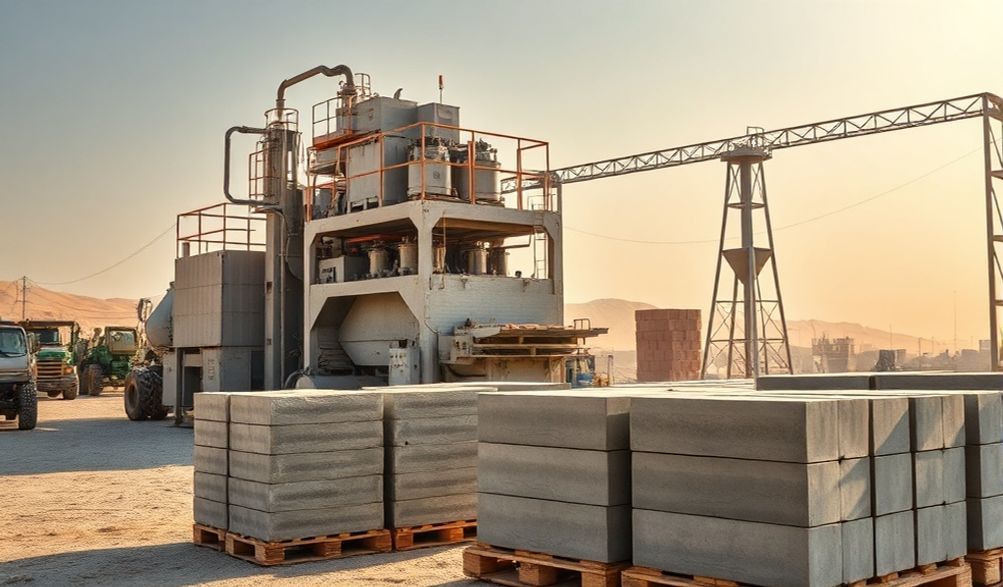
Дастури олии мошинҳои сохтани хишт дар Арабистони Саудӣ: Намудҳо, Хароҷот ва Таъминкунандагон (2026)
Муқаддима
Офтоби Арабистони Саудӣ дигар танҳо як дидгоҳ нест; ин воқеиятест, ки зуд ба амал меояд. Бо сабаби Vision 2030, ки дар ҳаёти подшоҳӣ таъсири бузург дорад, кишвар дар ҳоли рушди беҳамтои сохтмон аст. Лоиҳаҳои бузург, ба монанди шаҳри оянданамои NEOM, маркази сайёҳии фаровони лӯлаи Баҳри Сурх ва пойтахти варзишӣ-фароғатии Qiddiya, танҳо унвони ахбор нестанд – онҳо талабгори бузурги миллионҳо тонна маводи сохтмонӣ мебошанд. Дар ин манзараи кранҳо ва бетон, саволи муҳим ба миён меояд: чӣ тавр таъминоти маводи асосӣ, ба монанди хишт ва блокҳо, ба ин суръат пайравӣ мекунад?
Ҷавоб дар истеҳсоли маҳаллӣ, самаранок ва андозагиранда аст. Дар ин ҷост, ки мошини сохтани хишт аз як дастгоҳи саноатӣ ба сармояи стратегӣ табдил меёбад. Барои ширкатҳои сохтмон, подрядчиҳо ва сармоягузорон, сармоягузорӣ кардан ба мошинҳои дурусти истеҳсоли хишт дигар танҳо як ихтиёр нест; ин қарори муҳим барои таъмин намудани вақтбандии лоиҳаҳо, назорат бар хароҷот ва ҳиссагузорӣ ба ҳадафҳои саноатикунонии Подшоҳӣ мебошад. Бо зиёда аз даҳ сол таҷрибаи бевоситаи таъминоти мошинҳои вазнин ба соҳаҳои сохтмон ва саноатии Арабистони Саудӣ, ман худ шоҳиди интиқоли таваққул аз моддаҳои воридотӣ ба истеҳсоли маҳаллӣ шудам. Ин дастур барои он тарҳрезӣ шудааст, ки манбаи комил ва мутахассиси шумо бошад — аз шуру шоро раҳоӣ ёбад ва фаҳмиши амалиеро пешкаш кунад, ки барои сармоягузории огоҳона дар ояндаи сохтмонии Арабистони Саудӣ ба он ниёз доред.
Чаро дар бозори Арабистони Саудӣ талаб ба мошинаҳои пешрафтаи истеҳсоли хишт зиёд аст
Талаб ба мошинаҳои истеҳсоли хишт дар Подшоҳӣ на як равиши гузаранда, балки тағироти сохторӣ аст, ки аз тарафи қувваҳои қавӣ иқтисодӣ ва стратегӣ раҳнамоӣ мешавад.
Визияи 2030 ва ҳаҷми зиёди сохтмон
Визияи 2030 муҳаррики ин табдил аст. Ин нақшаест, ки садҳо миллиардҳо долларро ба инфрасохти ҷисмонӣ ҷалб кардааст. Андозаи он ҳайратангез аст:
* НЕОМ:Тамоми экосистемаҳои шаҳрӣ аз асос сохта шаванд.
* Лоиҳаи Баҳри Сурх:Талабҳои истиқоматгоҳҳои устувор ва инфрасохтори дар саросари 90+ ҷазира.
* Қиддия:Аз стадионҳо то сохтмонҳои парки варзишӣ ҳама чиз лозим аст.
* Метрои Риёз ва Васеъшавӣ:Идома медиҳад ба рушди шаҳрӣ ва тиҷоратӣ.
This volume of construction makes the logistics and cost of importing every single brick or block impractical. Localized production near these project sites is becoming essential to ensure a steady, reliable, and cost-effective supply chain.
Benefits of Local Production with Machines
Investing in a brick making plant within Saudi Arabia offers compelling advantages:
* Dramatic Cost Savings: Eliminates volatile shipping costs, import duties, and long supply chain markups.
* Unmatched Speed & Control: Produce exactly what you need, when you need it, eliminating project delays waiting for shipments.
* Superior Quality Control: Direct oversight of the raw material mix, curing process, and final product strength ensures compliance with project specifications.
* Supports National Goals: Directly aligns with Vision 2030’s objectives of industrial localization, job creation, and export diversification.
Sustainability and Modern Standards
Modern construction isn’t just about building faster; it’s about building smarter. Today’s advanced brick making machines are key to sustainable development:
* Local Material Utilization: They can be engineered to optimize mixes using locally sourced aggregates, reducing the carbon footprint of transportation.
* Energy-Efficient Products: Machines can produce high-performance insulated concrete blocks (like hollow blocks) or lightweight aerated concrete (AAC) blocks, which significantly improve building thermal efficiency—a crucial factor in Saudi Arabia’s climate.
* Самаранокии захираҳо Automated systems minimize raw material waste, and many machines can recycle production waste back into the process.
Types of Brick Making Machines Available in Saudi Arabia
Choosing the right type of machine is the first critical step. The Saudi market offers a full spectrum to match every business scale and project requirement.
Дастӣ ва ним-автоматӣ мошинҳо
Ideal for entrepreneurs, small workshops, or specialized production runs.
* Барои беҳтарин: Startups, small-scale villa projects, producing decorative or specialty pavers, and low-budget entry into manufacturing.
* Натиҷа: Lower output, typically ranging from 500 to 2,000 blocks per day, depending on labor.
* Калиди асосӣ: While the initial investment is lower, the per-unit labor cost is higher. They serve as an excellent proof-of-concept before scaling up.
Машинаҳои пурра худкор барои сохтани блокҳо
The backbone of medium to large-scale commercial block yards and major project suppliers.
* Раванд: From raw material feeding, mixing, and high-pressure vibration compaction to curing and palletizing, the process is seamless and controlled via a Programmable Logic Controller (PLC).
* Натиҷа: High and consistent. Capacities can range from 8,000 to over 30,000 standard blocks per 8-hour shift.
* Хусусиятҳои асосӣ: PLC touchscreen control, automatic pallet changers, synchronized conveyor systems, and high-pressure hydraulic systems for superior block density and strength.
Дастгоҳҳои ҳаракаткунандаи сохтани хишт
A game-changer for the Kingdom’s vast geography and remote megaprojects.
* Барои: On-site production at locations like NEOM or remote mining camps, where transporting finished bricks is prohibitively expensive.
* Флексӣ These units can be towed to a site, set up quickly, and produce bricks directly where they are needed, using on-site or locally sourced materials.
* Фоида: Eliminates up to 80% of transportation costs for the finished product.
Specialized Machines
The market extends far beyond standard hollow blocks.
* Машинаҳои пайвасткунандаи павер: Produce paving blocks for landscaping, parking lots, and hardscaping—a huge market in developing urban areas.
* Kerbstone Machines: For dedicated production of road edging and landscaping borders.
* AAC Block Plants: For manufacturing lightweight, insulating autoclaved aerated concrete blocks, which are growing in popularity for high-rise and energy-efficient construction.
Key Features to Consider When Buying a Brick Machine in KSA
Beyond the machine type, these features will determine your long-term success and profitability.
Иқтидори истеҳсолӣ ва ҳосили он
номутобиқати иқтидорӣ як хатогии маъмул ва гаронарзиш аст.
* Strategy: Analyze your current orders and realistic 3–5 year growth. It’s often wiser to invest in a machine that can grow with you.
* Rule of Thumb: A standard fully automatic machine can produce approximately 1,000–1,200 blocks per hour. Calculate your required daily output based on your business model.
Automation Level and Ease of Operation
Automation directly impacts your operational costs and consistency.
* Labor vs. Investment: A fully automatic line may require only 3-5 personnel for operation, while a semi-automatic line needs significantly more. Calculate the wage savings over 5 years.
* PLC Systems: A non-negotiable for medium/large machines. They ensure consistent quality, simplify operation, and provide diagnostic data.
* Training: Ensure your supplier offers comprehensive on-site training in Arabic and English for your operators and technicians.
Мувофиқати Маводи Хом
This is perhaps the most critical factor for Saudi operations.
* Local Aggregates: Machines must be designed to handle the specific gradation and properties of Saudi sand and aggregates. Not all machines are.
* The Desert Sand Question: While challenging due to its fine, round grains, it can be used in mixes, often requiring blending with coarser aggregates or specific binder adjustments. You must test your local material mix with your chosen machine supplier.
* Мутобиқшавӣ The best suppliers will offer mixer and mold configurations optimized for your available materials.
After-Sales Support & Service Availability
In the harsh Saudi industrial environment, this is your most important purchase criterion.
* Local Presence: Does the supplier have a warehouse, showroom, and—critically—a team of technicians based in Riyadh, Jeddah, or Dammam?
* Spare Parts Inventory: Ask for a list of commonly stocked parts within the Kingdom. Air freight delays from Europe or China can halt your production for weeks.
* Service Contract: Clarify response time guarantees, warranty coverage (parts and labor), and the availability of preventive maintenance visits.
Cost Analysis: Investment and Operational Expenses
A transparent look at the financials is essential for planning.
Upfront Purchase Price Ranges
(Note: Prices are estimates and vary based on configuration, brand, and exchange rates.)
* Manual/Small Semi-Automatic: SAR 25,000 – SAR 150,000
* Stationary Semi-Automatic Plant: SAR 200,000 – SAR 600,000
* Машини пурра худкор барои сохтани блокҳо SAR 700,000 – SAR 2,500,000+
* Complete AAC Plant: SAR 5,000,000 – SAR 15,000,000+
Operational Costs Breakdown
Your ongoing expenses will include:
* Raw Materials (Cement, Aggregates, Water): Your largest variable cost. Sourcing locally is key.
* Истифодаи энергия: Hydraulic and vibration systems are power-intensive. Factor in Saudi industrial electricity rates.
* Меҳнат: Wages for operators, forklift drivers, and maintenance staff.
* Maintenance & Spares: Typically 3-5% of the machine’s initial cost per year for a well-maintained unit.
* Land & Overheads: Cost of your production yard or factory.
ROI Calculation Framework
A simplified model to guide your planning:
1. Calculate Daily Production Value: (Blocks per day) x (Selling price per block in your market).
2. Calculate Daily Operational Cost: (Raw material cost per block + labor/energy/maintenance overhead per block) x (Blocks per day).
3. Determine Daily Gross Profit: Step 1 minus Step 2.
4. Estimate Payback Period: (Total Machine Investment Cost) / (Daily Gross Profit * ~22 working days/month).
Дар ин ҷо, тарҷумаи матн ба забони тоҷикӣ оварда шудааст. If your daily gross profit is SAR 5,000, a SAR 1.1 million machine would have a payback period of roughly 10 months. This is a simplified model; always conduct a detailed business plan.
Navigating the Saudi Market: Suppliers and Logistics
Understanding the supply landscape is half the battle.
Leading Local Suppliers and Distributors
Partnering with an established local entity is highly recommended.
* Local Heavy Machinery Distributors: Companies like Sahara MachineryёAl Kobaisi Group often represent international brands and provide localized service.
* International Brands with KSA Presence: Look for global leaders like Zenith (Germany), Hess (Germany), or QGM (China) that have invested in local offices, spare parts, and technician training.
* Тасдиқ: Always visit their showroom or an existing customer site to see the machine in operation.
Importing Directly: Customs and Regulations
While possible, it comes with complexities.
* SASO Certification: The Saudi Standards, Metrology and Quality Organization (SASO) may require specific certifications for electrical components.
* Customs Clearance: You will need a competent clearing agent. Duties and VAT apply.
* The Support Gap: The major challenge remains after-sales support. Who will install, commission, and repair the machine?
Installation, Commissioning, and Training
A professional supplier package must include:
1. Foundation Drawings: Provided in advance for your civil works.
2. Supervised Installation: A technician to oversee the assembly.
3. Commissioning: Running the first production batches and calibrating the machine.
4. Hands-On Training: For your production and maintenance teams.
Maintaining Your Brick Making Machine for the Saudi Climate
The Saudi environment of extreme heat, dust, and sand is your machine’s biggest adversary. Proactive maintenance is not optional.
Combatting Heat and Dust
- Electronics & PLCs: House them in air-conditioned, sealed cabinets. Check cooling systems regularly.
- Системаҳои гидравликӣ: Heat degrades hydraulic oil rapidly. Use high-grade oil, ensure cooling radiators are clean, and monitor oil temperature closely.
- Dust Protection: Regularly clean and replace air filters on motors and hydraulic systems. Use protective covers for bearings and guide rods.
Preventive Maintenance Schedule
- Daily: Check oil levels, clean the machine, inspect for loose bolts, listen for unusual noises.
- Weekly: Grease all lubrication points, check vibration motor mounts, inspect hydraulic hoses for wear.
- Monthly: Change hydraulic oil filters, test safety systems, calibrate the mixer water measurement system.
Sourcing Spare Parts Locally
Before purchasing, agree on a critical spare parts list (e.g., hydraulic pumps, vibration motors, control cards) to be stocked locally by your supplier. Build a small inventory of wear parts like mold liners and mixer blades on-site.
Frequently Asked Questions (FAQ)
Q1: What is the average production output of a standard automatic block machine in Saudi Arabia?
A: A standard single-pallet fully automatic machine typically produces between 8,000 to 12,000 standard 20cm hollow blocks in an 8-hour shift. High-end multi-pallet machines can exceed 25,000 blocks.
Q2: Can brick making machines use Saudi desert sand effectively?
A: Yes, but it often requires processing or strategic mixing. Its fine, uniform grains can affect block strength and cement ratio. The key is to work with a supplier who will test your specific sand mix and potentially adapt the machine’s mixer or recommend blending with crushed aggregate.
Q3: What are the main advantages of buying from a local Saudi supplier versus importing directly?
A: The advantages are decisive: immediate local technical support and spare parts, understanding of local SASO regulations and material challenges, assistance with logistics and installation, and generally stronger warranty enforcement. The peace of mind and reduced downtime are worth any potential premium.
Q4: Are there government incentives for setting up a brick manufacturing plant in Saudi Arabia?
A: Potentially, yes. The Saudi Authority for Industrial Cities and Technology Zones (MODON) offers various incentives for setting up in one of its industrial cities, including subsidized land leases, utility connections, and streamlined licensing. It is highly recommended to consult with MODON or the Ministry of Industry and Mineral Resources to explore available support for localizing building material production.
Q5: How do I calculate the right machine size for my project or business plan?
A: Start with your market demand. How many blocks do you need to sell per day to be profitable? Factor in a 20-30% growth buffer. Then, match that number to a machine’s realistic daily output (ask for proven data, not theoretical maximums). Always choose a machine that meets your near-future (2-3 year) goals, not just your startup needs.
Conclusion
The opportunity in Saudi Arabia’s construction sector is historic, and securing your supply chain through local brick production is a powerful strategic move. Success hinges on three pillars: selecting the right machine type for your scale and products, prioritizing after-sales support and local service above all else, and conducting a thorough analysis of both investment and operational costs.
This is not a decision to be made from a brochure or a website alone. The unique conditions of the Saudi market demand hands-on verification. I strongly advise visiting the facilities of reputable local suppliers, seeing the machinery in operation, and speaking directly with their technical teams and existing clients. This due diligence is the single best investment you can make before your financial investment, ensuring your brick making machine becomes a cornerstone of your profitability for years to come.
<