
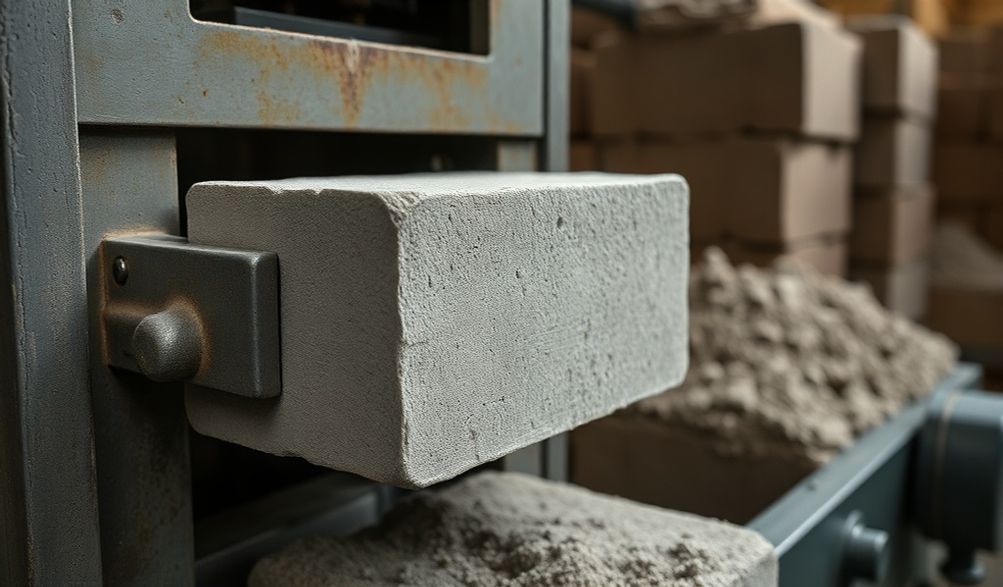
Дастури ниҳоӣ барои интихоби мошини хурди сохтани хишт барои лоиҳаи шумо
Муқаддима
Манзараи сохтмони хурд ва рушди ҷамъиятӣ дар ҳоли тағйир аст. Дар саросари ҷаҳон талаботи рӯ ба афзӯши барои маводди сохтмони арзон ва устувор, ки метавонанд маҳаллӣ истеҳсол карда шаванд, машваратҳои логистикӣ ва хароҷотро коҳиш диҳанд, вуҷуд дорад. Барои сохтмонгарони хурд, дидгоҳҳои худсоз, соҳибкорони орзуманд ва сарварони лоиҳаҳои ҷамъиятӣ, ин ҳам имконият ва ҳам мушкилиро пешниҳод мекунад.
Роҳи анъанавӣ – қолиб кардани хишти дастӣ – меҳнати зиёд, нобаробар ва душвор оҳиста аст. Дар тарафи дигар, корхонаҳои саноатии хиштсозӣ сармоягузориеанд, ки барои аксари лоиҳаҳои хурд дастрас нестанд. Ин фосила байни эҳтиёҷ ва дастрасӣ ҷоест, ки навоварӣ дар он равона мешавад.
Даромаданмашинаи хурди сохтани хиштКатегорияи дастгоҳҳои фишурда, ки аксар вақт ҳамроҳшавандаанд, барои пур кардани ин фосила ба таври комил тарҳрезӣ шудаанд. Ин дастгоҳҳо ҳалли амалӣ ва арзонбаҳо барои истеҳсоли хиштҳои сифатӣ дар ҳамон ҷое, ки лозим аст, пешниҳод мекунанд. Ин дастур барои раҳнамоии равшан ва амалӣ тарҳрезӣ шудааст.
Мақсади мо ин аст, ки шуморо бо маслиҳати боваринок таъмин кунем. Ин мақола таркиби техникӣ аз истеҳсолкунандагони пешбари саноат, дидаҳои амалии корбарон ва принсипҳои асосии муҳандисиро дар бар мегирад. Мо ба шумо кумак мекунем, ки навъҳои гуногуни дастгоҳҳоро шиносед, меъёрҳои муҳими интихобро фаҳмед, асосҳои амалиётро дарк кунед ва арзиши иқтисодии воқеиро арзёбӣ намоед. Биёед дониши худро бомуваффақият созем, то шумо бо эътимод лоиҳаи худро пеш барад.
Фаҳмидани мошинаҳои хурди сохтани хишт: Намудҳо ва механизмҳо
Ҳамаи мошинаҳои хурди хиштисоз баробар сохта нашудаанд. Онҳо асосан аз рӯи дараҷаи автоматӣ гурӯҳбандӣ мешаванд, ки барои истеҳсолот, талаботи меҳнат ва нарх таъсири мустақим мерасонад. Дарки ин намудҳо аввалин қадами шумо ба сӯи сармоягузории оқилона аст.
Дастгоҳҳои дастӣ барои сохтани хишт
Инҳо соддатарин ва асосӣтарин воҳидҳо дар ҷаҳони истеҳсоли хишт мебошанд.
- Раванди амалиёт:Онҳо комилан ба қувваи механикии инсон такя мекунанд, одатан системаи личаро барои фишурдани маводи хом (гил ё бетон) ба қолиб истифода мебаранд. Ба барқ ё муҳаррик эҳтиёҗ нест.
- Истифодаи Идеалӣ:Идеалӣ барои шахсоне, ки буҷаи хеле маҳдуд доранд, лоиҳаҳое, ки танҳо чандсад хишт талаб мекунанд, ё маҳалҳои дурдаст бе барқи боэътимод. Онҳо инчунин барои мақсадҳои таълимӣ ё намоишӣ аъло ҳастанд.
- Маҳсулот ва Меҳнат:Истеҳсол кунӣ суст аст, одатан аз 50 то 200 хишт дар як рӯз, ки ба дараҷаи тавоноии оператор вобаста аст. Ин имконоти бештар меҳнатиро талаб мекунад, аммо камтарин хароҷоти пешакӣ ва ниҳоят кӯчонданиро пешниҳод мекунад.
Машинаҳои ним-автоматии истеҳсоли хишт
This category strikes a crucial balance, introducing powered compression for greater efficiency while keeping the operator in the loop for feeding and removal.
- Powered Compression: These machines use an electric motor or a diesel engine to drive a hydraulic or mechanical press. This provides significantly greater and more consistent compaction force than manual operation.
- Operator’s Role: The operator is responsible for loading the prepared raw material into the machine’s chamber and manually removing the freshly pressed brick for curing. The machine handles the high-pressure molding.
- Мувозинат: Semi-automatic models offer a substantial jump in output (often 300 to 800 bricks per hour) at a moderate price point. They are the most popular choice for serious DIY projects and small start-up businesses due to their blend of productivity, affordability, and relative simplicity.
Fully-Automatic Small Brick Making Machines
At the pinnacle of small-scale efficiency, these are integrated systems designed for streamlined production.
- Integrated Process: A fully-automatic small machine typically combines a mixer, a conveyor system, the molding press, and sometimes a stacking mechanism. Once raw materials are loaded into the hopper, the process of mixing, conveying to the mold, pressing, and ejecting the finished brick is automated.
- High, Consistent Output: With minimal manual intervention required, these machines can produce from 1,000 to over 2,500 bricks per hour. The consistency of the product is very high due to the automated cycle.
- Мутобиқат: This type is aimed squarely at small to medium-sized business ventures where production volume justifies the higher initial investment. They maximize output per labor hour, making commercial brick supply a viable enterprise.
Key Benefits of Investing in a Small-Scale Brick Machine
Moving beyond theory, let’s examine the tangible advantages that make these machines a compelling proposition.
Significant Cost Reduction & ROI
The financial argument is powerful.
- Cost Per Brick: Producing your own bricks slashes material costs. While purchased bricks include manufacturing, transport, and retailer markups, your primary costs become raw materials (soil, cement, aggregate) and a small amount of power or labor.
- Payback Period: For many users, the machine pays for itself within a single project. For an entrepreneur, the return on investment (ROI) can be calculated in months based on local brick prices and sales volume. A semi-automatic machine used for a business can often recoup its cost after producing and selling 20,000-50,000 bricks, depending on local margins.
Unmatched Flexibility and On-Demand Production
Take control of your supply chain.
- Produce As Needed: Eliminate large, costly orders and the need for extensive storage space. Make bricks weekly or even daily to match your construction pace, reducing waste from damaged stored bricks.
- Танзимот: Many small machines allow for interchangeable molds. This means you can produce standard bricks, interlocking bricks for dry-stack walls, paving stones, or even custom shapes for unique architectural features.
Quality Control and Consistency
Build with confidence.
- Uniformity: A good machine applies consistent pressure every cycle, resulting in bricks with uniform density, dimensions, and weight. This is nearly impossible to achieve with purely manual methods.
- Мустаҳкамии сохторӣ: Consistent compaction directly translates to higher compressive strength. Knowing the precise mix and process used for every brick gives you complete control over the quality of your build, ensuring it meets necessary standards.
Entrepreneurial Opportunity
Create more than just bricks; create a business.
- Small Business Launch: A brick making machine is a production asset. It enables you to start a local brick supply business, catering to individual homeowners, local contractors, and community projects.
- Community Impact: By producing locally, you support the local economy, reduce transportation emissions, and can provide affordable building materials for community development initiatives like schools, clinics, or housing.
Омилҳои муҳим барои баррасӣ пеш аз харид
Choosing the right machine is a strategic decision. Here are the non-negotiable factors you must evaluate.
Иқтидори истеҳсолӣ (Хишт дар як соат/рӯз)
Match the machine to your actual need.
- Assess Demand: Are you building a single home, a compound wall, or starting a supply business? Calculate your total brick requirement and your desired timeline. A machine’s rated “bricks per hour” is a theoretical maximum under ideal conditions; plan for a realistic daily output.
- Avoid Over-Investment: A common mistake is buying a larger, more expensive machine than needed. For a one-off project, a manual or small semi-automatic unit is likely sufficient. For continuous business, lean towards higher-capacity semi-auto or fully-auto models.
Brick Type and Raw Material Compatibility
The machine must suit your material.
- Material-Specific Design: Machines are often optimized for either clay/soil (stabilized or not) or бетон (a mix of cement, sand, and aggregate). Some versatile models can handle both with mold and pressure adjustments.
- Soil Testing is Key: For clay bricks, the soil’s composition is critical. Simple tests for shrinkage, plasticity, and compressive strength are essential. For concrete bricks, mastering the water-cement-aggregate ratio is the foundation of quality.
Machine Power Source and Portability
Consider your operating environment.
- Манбаи барқ Electric models are cleaner and quieter but require a reliable power supply (note if 3-phase or single-phase is needed). Diesel engines offer complete independence from the grid and often higher torque, ideal for remote sites. Дастӣ requires no power but maximum effort.
- Ҳаракат: Check the machine’s weight and dimensions. Does it have wheels or a trailer hitch? If you need to move it between sites, portability is a major feature. Stationary models are often more robust but require a dedicated workspace.
Build Quality, Durability, and After-Sales Support
This is where your due diligence pays off.
- Сохтмон Look for a robust, welded steel frame and hardened steel (e.g., chromium-plated) mold parts. These components endure tremendous stress; thin metal or poor welds will lead to rapid failure.
- The Critical E-E-A-T Factor: Prioritize suppliers who offer clear warranties (at least 1 year on the frame and key parts), provide detailed manuals, and have a reputation for reliable after-sales support. Verify the availability of spare parts like molds, liners, and seals. Research the manufacturer’s history, look for business certifications, and read customer reviews. A trustworthy supplier is as important as the machine itself.
Operational Guide: From Setup to Your First Brick
Ownership is just the beginning. Proper setup and operation are where quality is made.
Site Preparation and Machine Installation
Start with a solid foundation.
- Requirements: Choose a level, solid surface (concrete slab is ideal). Ensure adequate space for material storage, mixing, brick stacking, and operator movement. For electric models, verify the correct power supply is within safe reach.
- Assembly & Calibration: Follow the manufacturer’s instructions meticulously. Proper assembly ensures safety and performance. Calibration, such as setting the fill depth and pressure, is crucial for producing bricks of the correct size and density from the start.
Raw Material Preparation and Mixing
The machine presses what you feed it. Garbage in, garbage out.
- Омодасозии гил: Soil should be sieved to remove stones and organic matter. The moisture content is vital—too dry and bricks crumble; too wet and they deform. The ideal mix should hold its shape when squeezed without dripping water.
- Concrete Mix: A standard ratio is 1 part cement to 6-8 parts combined damp sand/aggregate. The mix should be uniform and just wet enough to bind together when compacted. Consistency is key for smooth machine operation and strong bricks.
The Brick Making Process: A Step-by-Step Walkthrough
The core cycle is straightforward but requires attention.
- Боркунӣ: Place the prepared mix into the machine’s feeding chamber or hopper. Avoid overfilling.
- Фарбеҳ ва қолибгирӣ: Activate the machine. The press head descends, applying high pressure to compress the material into the mold cavity.
- Хориҷ кардан: The press retracts, and the freshly formed brick is ejected onto a pallet or the ground.
- Safety First: Always keep hands clear of moving parts. Wear sturdy gloves and safety glasses. Never operate a machine with damaged guards or safety switches.
Curing and Drying for Maximum Strength
The process isn’t complete when the brick leaves the machine.
- Curing Concrete Bricks: Concrete gains strength through a chemical reaction that requires moisture. Stack bricks and cover them with plastic sheeting or spray them with water regularly for 7-14 days. This slow, moist curing is essential for achieving rated compressive strength.
- Drying Clay Bricks: Clay bricks must dry slowly and evenly to prevent cracking. Initial drying in shaded, ventilated areas for 2-3 days is followed by sun-drying for 1-2 weeks. They are then often fired in a kiln for maximum durability, though sun-dried (adobe) bricks are also used.
FAQ: Your Questions About Small Brick Machines Answered
Q1: What is the average price range for a good small brick making machine?
A: Prices vary dramatically based on type and capacity. A basic manual press can start from $500 to $2,000. Semi-automatic machines typically range from $3,000 to $10,000. Small fully-automatic systems begin around $12,000 and can exceed $25,000. The variation depends on build quality, automation level, output capacity, and brand.
Q2: Can I really make strong, construction-grade bricks with a small machine?
A: Yes, absolutely. The strength of a brick is determined by three factors: raw material quality, compaction pressure, and proper curing. A well-designed small machine provides more than enough pressure (often 2-5 MPa or more) to produce bricks that meet or exceed common construction standards like ASTM C90 for concrete masonry units. The responsibility lies in perfecting the mix and curing process.
Q3: Is operating these machines technically difficult?
A: Most small machines are designed for operational simplicity. The technical challenge is less about complex mechanics and more about mastering material science—getting the soil or concrete mix just right. Reputable suppliers should offer basic operational training. The learning curve is manageable for anyone willing to follow guidelines and practice.
Q4: What kind of maintenance do these machines require?
A: Routine maintenance is simple but critical for longevity:
* Clean thoroughly after each use to prevent material from hardening in the mold or mechanism.
* Lubricate all moving parts (pivots, bearings, guide rods) as per the manual’s schedule.
* Inspect molds and liners for wear and replace them when bricks lose sharp edges.
* Store the machine in a dry place, protected from the elements.
Q5: Where can I find reliable suppliers or manufacturers?
A: Conduct thorough research to apply E-E-A-T principles:
* Start with established global and regional industrial equipment marketplaces (e.g., Alibaba, Made-in-China, local trade directories) but vet suppliers aggressively.
* Verify business licenses, factory certifications (like ISO), and years in operation.
* Seek out and scrutinize verified customer reviews and ask suppliers for contactable references.
* Engage directly: Contact shortlisted manufacturers with specific technical questions. Their responsiveness and expertise are telling indicators.
* Be cautious of deals that seem too good to be true; extremely low prices often correlate with poor quality and non-existent support.
Conclusion and Final Recommendations
A bricks making small machine is more than a tool; it’s an enabler of independence, quality, and entrepreneurship. It democratizes the production of one of humanity’s oldest and most reliable building materials.
Your success hinges on two pillars: choosing the right machine for your specific output needs and material typeваdedicating yourself to mastering the material preparation and curing process. The machine is a multiplier of your effort and knowledge.
As a final, crucial reminder: prioritize due diligence. Invest time in researching suppliers with proven expertise and transparent customer service records. For first-time users, consider starting with a simpler, more affordable model to gain invaluable hands-on experience before scaling up.
Your Next Steps: We encourage you to move from research to action. Contact a few shortlisted suppliers to request detailed quotations, ask for material mix guides specific to their machines, and watch operational demonstration videos. This hands-on information will solidify your understanding and prepare you to make a confident, informed investment in your building future.
<