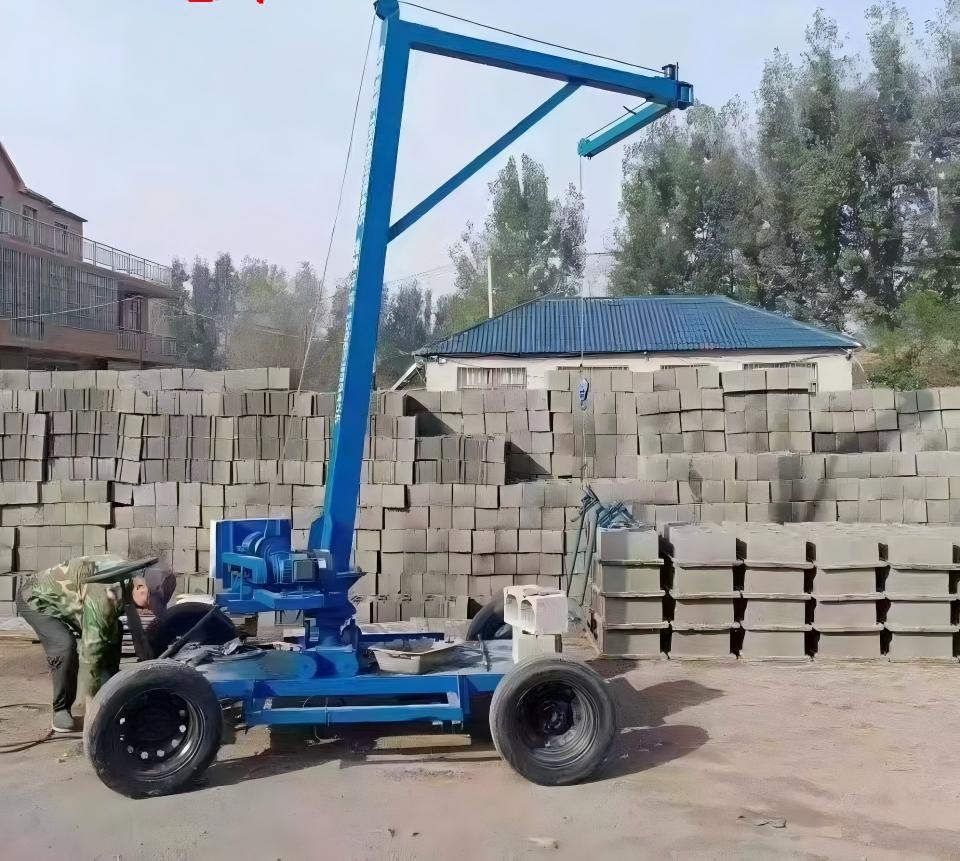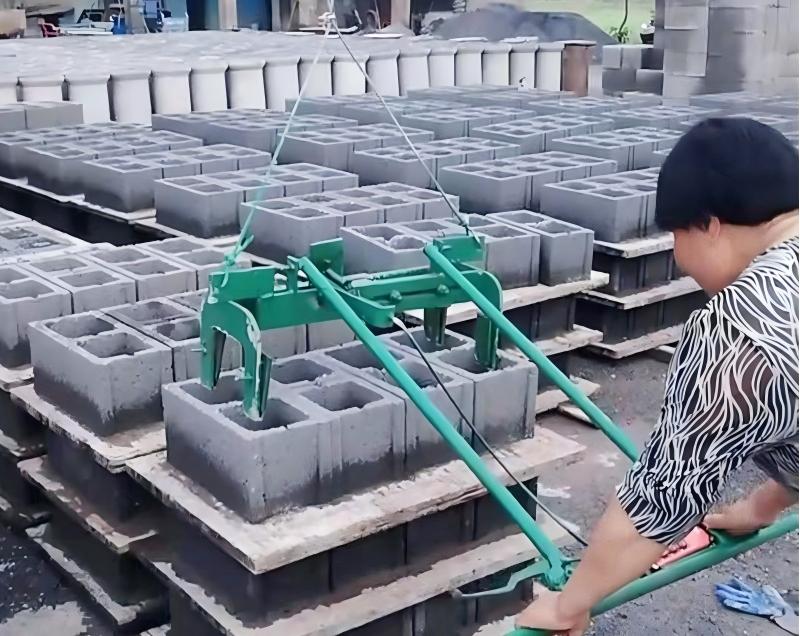
กลไกการดำเนินงานและองค์ประกอบหลัก
หลักการทำงานพื้นฐาน
โดยแก่นแท้แล้ว เครื่องจักรนี้ทำงานอัตโนมัติในการยก การขนย้าย และการวางบล็อกก่อสร้างมาตรฐานอย่างแม่นยำ กระบวนการเริ่มต้นด้วยเครื่องจักรปรับตำแหน่งให้ตรงกับพาเลทที่บรรจุวัสดุ มักใช้ระบบเลเซอร์นำทางหรือตัวนำทางกายภาพ จากนั้นใช้กลไกการยึดเฉพาะของมันจับกองวัสดุทั้งหมดอย่างมั่นคง จากนั้นจึงยกวัสดุขึ้น ส่วนใหญ่ผ่านระบบลิฟต์แบบกรรไกรที่แข็งแรงหรือระบบแขนไฮดรอลิก และทำให้มั่นคงระหว่างการขนย้าย เครื่องจักรจะเคลื่อนที่ต่อไป ไม่ว่าจะถูกควบคุมด้วยมือโดยผู้ปฏิบัติงานหรือผ่านคำสั่งที่ตั้งโปรแกรมไว้ล่วงหน้าในรุ่นที่ทันสมัยกว่า ไปยังจุดขนถ่ายที่กำหนด ณ จุดนี้ การวางจะดำเนินการด้วยความแม่นยำระดับมิลลิเมตร เพื่อให้มั่นใจว่าหน่วยแต่ละชิ้นถูกวางอย่างถูกต้องสำหรับการก่ออิฐหรือการประกอบในขั้นตอนต่อไป วงจรการทำงานสิ้นสุดลงเมื่อเครื่องจักรกลับสู่จุดเริ่มต้น พร้อมสำหรับการรับน้ำหนักบรรทุกชุดต่อไป การดำเนินการซ้ำๆ ที่มีความแม่นยำสูงนี้ ขจัดความแปรปรวนและความเหนื่อยล้าที่เกี่ยวข้องกับการจัดการด้วยมือ
ระบบย่อยที่สำคัญและหน้าที่ของพวกมัน
ความน่าเชื่อถือและประสิทธิภาพของอุปกรณ์นี้ขึ้นอยู่กับระบบย่อยหลายระบบที่ทำงานประสานกัน:
- แชสซีและโครงสร้างการเคลื่อนที่นี่คือโครงสร้างหลักของเครื่องจักรที่ออกแบบมาเพื่อความมั่นคงภายใต้ภาระเต็มพิกัด โดยมีตัวเลือกทั้งแบบติดล้อสายพานเพื่อการยึดเกาะที่เหนือกว่าในภูมิประเทศขรุขระที่ไม่ได้เตรียมการ และแบบติดล้อสำหรับการเคลื่อนที่ที่ราบรื่นบนพื้นผิวแข็ง การเลือกระบบช่วงล่างส่งผลโดยตรงต่อความสามารถในการใช้งานของเครื่องจักรในสภาพพื้นที่ต่างๆ
- กลไกการยกและการจัดการนี่คือหัวใจการทำงานของเครื่องจักร ระบบมีตั้งแต่แบบง่ายอย่างคีมยกแบบรถลิฟต์ ไปจนถึงหัวจับแบบกรงเล็บหลายอันที่ซับซ้อน ซึ่งสามารถจัดการกับบล็อกขนาดและรูปร่างต่างๆ ได้ แรงยกมาจากระบบไฮดรอลิก ที่มีชื่อเรื่องความหนาแน่นของแรงสูงและการควบคุมที่ลื่นไหล หรือในรุ่นใหม่ที่มุ่งประสิทธิภาพพลังงานสูงขึ้นจะใช้อุปกรณ์ขับเคลื่อนแบบไฟฟ้าเชิงกล
- อินเทอร์เฟซควบคุมและนำทางอินเทอร์เฟซของผู้ควบคุมมีตั้งแต่คันโยกและจอยสติ๊กแบบกายภาพในรุ่นพื้นฐาน ไปจนถึงแผงหน้าจอสัมผัสแบบดิจิทัลเต็มรูปแบบ ระบบขั้นสูงรวมซอฟต์แวร์ที่ช่วยให้สามารถเขียนโปรแกรมรูปแบบการวางตำแหน่งซ้ำๆ บันทึกพารามิเตอร์งานทั่วไป และรับข้อวินิจฉัยย้อนกลับได้ บางรุ่นระดับไฮเอนด์มีระบบนำกึ่งอัตโนมัติ ที่สามารถเคลื่อนตามเส้นทางที่กำหนดไว้ล่วงหน้าหรือตามแนวสายนำได้
- ระบบพลังงานและการขับเคลื่อนเครื่องยนต์ดีเซลให้พลังสูงแบบดั้งเดิมและความทนทานสำหรับการทำงานตลอดทั้งวันในสถานที่ห่างไกล ในขณะที่รุ่นที่ขับเคลื่อนด้วยมอเตอร์ไฟฟ้า ซึ่งใช้พลังงานจากแบตเตอรี่ขนาดใหญ่ กำลังได้รับความนิยมมากขึ้นสำหรับการใช้งานในร่ม เนื่องจากไม่มีการปล่อยมลพิษในพื้นที่และมีเสียงการทำงานที่ต่ำกว่า สอดคล้องกับโครงการก่อสร้างที่เป็นมิตรต่อสิ่งแวดล้อม
- อุปกรณ์เพื่อความปลอดภัยและความมั่นคงส่วนประกอบสำคัญประกอบด้วยขาค้ำหรือขาตั้งที่กางออกเพื่อป้องกันการพลิกคว่ำระหว่างการยกของ เซ็นเซอร์จะตรวจสอบน้ำหนักบรรทุก แรงดันไฮดรอลิก และความสมดุลของเครื่องจักรอย่างต่อเนื่อง ฟังก์ชันการปิดเครื่องอัตโนมัติจะทำงานเมื่อค่าพารามิเตอร์เกินขีดจำกัดที่ปลอดภัย เพื่อป้องกันทั้งเครื่องจักรและบุคลากร
การแบ่งส่วนตลาดและประเภทของอุปกรณ์
การจำแนกตามความคล่องตัวและขนาด
ตลาดนำเสนอผลิตภัณฑ์ที่แตกต่างกันตามขนาดการดำเนินงานและสภาพแวดล้อมที่เฉพาะเจาะจง
- คอมแพกต์และยูนิตช่วงกลางเครื่องจักรเหล่านี้มีความคล่องตัวสูง เหมาะสำหรับโครงการที่อยู่อาศัย งานก่อสร้างเชิงพาณิชย์ขนาดเล็ก และงานติดตั้งเพิ่มเติม โดยมักติดตั้งบนรถพ่วงเพื่อการขนส่งระหว่างไซต์งานที่สะดวก จุดเด่นอยู่ที่ความคล่องตัวและความรวดเร็วสำหรับงานที่มีปริมาณน้อยแต่บ่อยครั้ง
- ระบบอุตสาหกรรมกำลังสูง:ออกแบบมาสำหรับโครงการอุตสาหกรรม การพาณิชย์ และโครงสร้างพื้นฐานขนาดใหญ่ หน่วยเหล่านี้มีคุณสมบัติเด่นในด้านความสามารถในการรับน้ำหนักที่มากกว่า ระยะเอื้อมที่ยาวขึ้น และมักมีระบบควบคุมที่ซับซ้อนยิ่งขึ้น ถูกสร้างขึ้นมาเพื่อความทนทานและการทำงานต่อเนื่อง รองรับความต้องการวัสดุปริมาณมหาศาลของสถานที่ก่อสร้างใหญ่ๆ
- โซลูชันเฉพาะทางที่อิงตามความผูกพันหมวดหมู่นี้ประกอบด้วยอุปกรณ์เสริมแบบโมดูลาร์ที่สามารถติดตั้งได้กับยานพาหนะพาหะที่มีอยู่แล้ว เช่น รถยกเทเลแฮนด์เลอร์หรือรถขุดขนาดเล็ก ซึ่งเสนอจุดเริ่มต้นที่คุ้มค่าสำหรับผู้รับเหมาที่มีเครื่องจักรพื้นฐานที่เข้ากันได้อยู่แล้ว โดยให้ความหลากหลายในการใช้งาน
คุณสมบัติขั้นสูงและการบูรณาการเทคโนโลยี
เทคโนโลยีที่ก้าวหน้าขึ้นเรื่อยๆ ในปัจจุบันถูกกำหนดโดยการปรับปรุงทางด้านเทคโนโลยี ระบบเทเลเมติกส์ช่วยให้ผู้จัดการฝูงรถเครื่องจักรและตัวแทนจำหน่ายสามารถตรวจสอบตำแหน่งของเครื่องจักร ระดับน้ำมันเชื้อเพลิง ชั่วโมงการทำงาน และการแจ้งเตือนการบำรุงรักษาจากระยะไกล ข้อมูลนี้มีค่าอย่างยิ่งสำหรับการวางแผนการบำรุงรักษาเชิงป้องกันและการเพิ่มประสิทธิภาพการใช้งานเครื่องจักร นอกจากนี้ การบูรณาการกับระบบแบบจำลองข้อมูลอาคาร (BIM) ถือเป็นเทคโนโลยีที่ทันสมัยที่สุด ระบบควบคุมเครื่องจักรสามารถนำเข้าข้อมูลจากแบบจำลอง BIM ของโครงการในทางทฤษฎี โดยปรับรูปแบบการวางตำแหน่งโดยตรงจากพิมพ์เขียวดิจิทัล ซึ่งช่วยลดข้อผิดพลาดในการจัดวางและเร่งกระบวนการก่อสร้างให้เร็วขึ้นอีก
ข้อได้เปรียบเชิงกลยุทธ์สำหรับห่วงโซ่อุปทานและผู้ใช้งานปลายทาง
ผลประโยชน์ทางเศรษฐกิจและการดำเนินงานที่สามารถวัดเป็นตัวเลขได้
การนำเครื่องจักรนี้มาใช้ช่วยให้ได้รับผลตอบแทนจากการลงทุนที่คุ้มค่าผ่านหลายช่องทาง ผลกระทบโดยตรงที่สุดคือการลดต้นทุนแรงงานอย่างมีนัยสำคัญ เครื่องจักรเพียงเครื่องเดียวและผู้ปฏิบัติงานหนึ่งคนสามารถแทนที่ทีมแรงงานคนหลายคน โดยทำงานให้เสร็จภายในเวลาเพียงเศษเสี้ยวของเดิม สิ่งนี้ส่งผลโดยตรงต่อระยะเวลาโครงการที่สั้นลง ทำให้ผู้รับเหมาสามารถรับงานเพิ่มขึ้นต่อปีได้ นอกจากนี้ ความเสียหายของวัสดุที่เกิดจากการจัดการก็ลดลง เนื่องจากการเคลื่อนที่ด้วยเครื่องจักรที่สม่ำเสมอช่วยป้องกันการบิ่นหรือแตกหักซึ่งมักเกิดจากการโยนหรือขนย้ายด้วยมือ นอกจากนี้ การวางตำแหน่งที่แม่นยำยังช่วยลดความจำเป็นในการปรับเปลี่ยนภายหลัง ช่างก่อหรือช่างประกอบจึงสามารถเริ่มงานได้ทันทีและมีประสิทธิภาพมากขึ้น
การเพิ่มมาตรฐานความปลอดภัยและการยศาสตร์
Beyond economics, the safety imperative is profound. Manual handling of heavy, dense building materials is a leading cause of musculoskeletal injuries, including chronic back problems and strains. By assuming this physically demanding task, the machinery drastically lowers the incidence of such injuries. It also reduces foot traffic and congestion in the primary material drop zones, minimizing the risk of struck-by incidents. This creates a safer, more organized worksite, which can lead to lower insurance premiums and improved regulatory compliance for the end-user.
Sustainability and Industry Alignment
The efficiency gains have a direct positive environmental impact. Faster project completion reduces the overall duration of site disturbance and energy consumption on-site. Electric models, in particular, contribute to quieter, emission-free operation, which is crucial for urban projects with strict noise and pollution ordinances. By promoting a solution that aligns with goals for faster, safer, and cleaner construction, distributors align themselves with the broader trends shaping the future of the industry.
Conclusion: Positioning for a Productive Future
The transition towards automated material handling in construction is not a speculative trend but a demonstrable shift towards greater rationality and productivity. For dealers, distributors, and procurement professionals, this equipment category represents a high-value portfolio segment that addresses fundamental client pain points: cost, time, safety, and precision. Success in this market requires a deep technical understanding of the product variations, a clear communication of the total cost of ownership and ROI, and the ability to provide robust after-sales support and parts service. By becoming knowledgeable advocates for these solutions, supply chain partners do more than sell machinery; they enable their clients to build better, faster, and safer. The competitive advantage offered by this technology makes it an indispensable consideration for any forward-looking business servicing the modern construction landscape.
คำถามที่พบบ่อย (FAQ)
Q1: What is the typical range of load capacity for these machines?
ก Load capacities vary significantly to suit different projects. Compact models may handle stacks weighing between 500 to 1,500 kg, while heavy-duty industrial machines can lift and transport palletized loads exceeding 3,000 kg. It is crucial to match the machine’s capacity with the most common pallet weights used by your clientele.
Q2: How does the training process work for operators, and is it complex?
ก Operator training is generally straightforward, especially for standard models. Most manufacturers provide comprehensive onsite training covering basic operations, safety protocols, and routine maintenance. For machines with advanced software or BIM integration, more in-depth training is provided. The intuitive nature of the controls allows skilled equipment operators to become proficient relatively quickly.
Q3: What are the primary considerations for choosing between a tracked and wheeled model?
ก The choice depends on anticipated ground conditions. Tracked models offer superior ground pressure distribution, making them ideal for soft, muddy, or uneven terrain as they are less likely to sink or cause damage. Wheeled models provide higher travel speeds and are better suited for hard, level surfaces like prepared pads or factory floors. They also tend to be easier to transport on trailers.
Q4: Can these machines handle other materials besides standard construction blocks?
ก Yes, with the appropriate attachments, many models can be adapted to handle a variety of palletized or bundled materials common on construction sites. This includes bags of mortar mix, landscaping blocks, certain types of paving stones, and dimensional lumber packs. This versatility enhances the machine’s utility and ROI for the end-user.
Q5: What does the maintenance schedule look like, and what is the parts availability like?
ก Maintenance is similar to other mobile construction equipment, involving regular checks of hydraulic systems, filters, structural components, and (in diesel models) the engine. Electric models have fewer moving parts and require less routine maintenance. Reputable manufacturers support their products with readily available spare parts networks and detailed service manuals. For distributors, establishing access to this parts supply chain is a critical component of customer support.
Q6: How do we effectively demonstrate the ROI to a skeptical contractor?
ก The most effective demonstration is a concrete cost-benefit analysis. Focus on direct labor savings: calculate the hours and crew size required to manually move a set quantity of material versus the machine’s cycle time. Add in quantifiable savings from reduced breakage, lower insurance costs (due to improved safety), and the potential for increased project throughput. Offering a live demonstration on the contractor’s own site, using their materials, is often the most persuasive tool.