ภูมิทัศน์ของเครื่องจักรผลิตอิฐราคาประหยัด
การกำหนดกลุ่ม "ราคาจับต้องได้"
คำว่า "ราคาจับต้องได้" ในบริบทนี้ไม่ได้หมายถึงคุณภาพต่ำหรือการลดทอนประโยชน์ใช้สอย แต่หมายถึงส่วนหนึ่งของตลาดเครื่องจักรที่ให้ความสำคัญกับการออกแบบอย่างชาญฉลาด กระบวนการผลิตที่มีประสิทธิภาพ และการประหยัดจากขนาด เพื่อมอบคุณค่าที่โดดเด่น เครื่องจักรเหล่านี้ถูกออกแบบมาให้ทำหน้าที่หลักได้อย่างน่าเชื่อถือสูง มักจะลดขั้นตอนระบบอัตโนมัติที่ซับซ้อนลง เพื่อใช้ระบบกึ่งอัตโนมัติที่แข็งแรงหรือระบบมือล้วนที่ช่วยลดความซับซ้อนและต้นทุน โดยมุ่งเป้าไปที่ผู้ประกอบการขนาดเล็กถึงกลาง โครงการก่อสร้างในท้องถิ่น และตลาดที่การลงทุนเริ่มต้นเป็นปัจจัยตัดสินใจสำคัญ สำหรับผู้จัดจำหน่าย นี่หมายถึงผลิตภัณฑ์ที่มีกลุ่มลูกค้าเป้าหมายกว้างขึ้น เข้าถึงได้ง่ายขึ้น และมีอัตราการหมุนเวียนสินค้าคงคลังที่เร็วขึ้น
เทคโนโลยีหลักและประเภทของเครื่องจักร
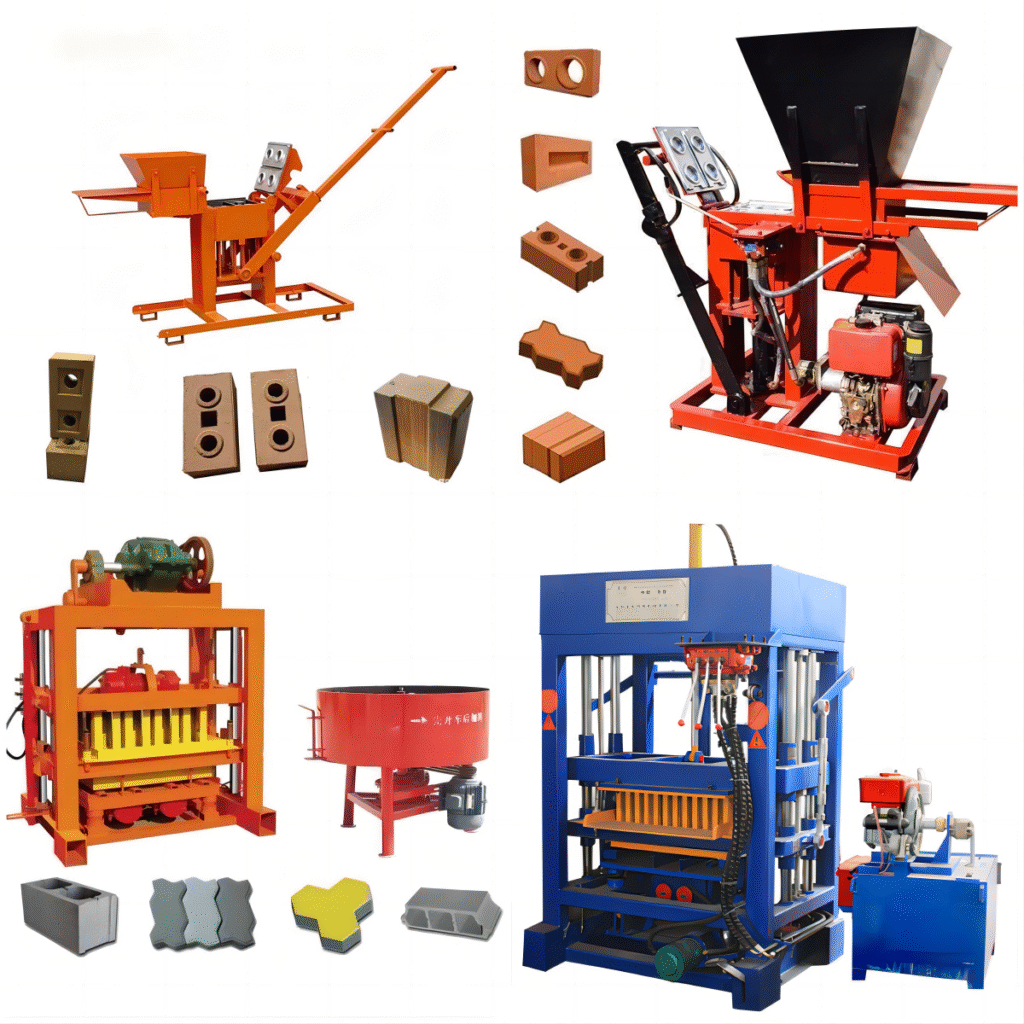
กลุ่มเครื่องจักรราคาประหยัดครอบคลุมเทคโนโลยีที่หลากหลาย ซึ่งแต่ละประเภทเหมาะกับวัตถุดิบและระดับการผลิตที่แตกต่างกัน
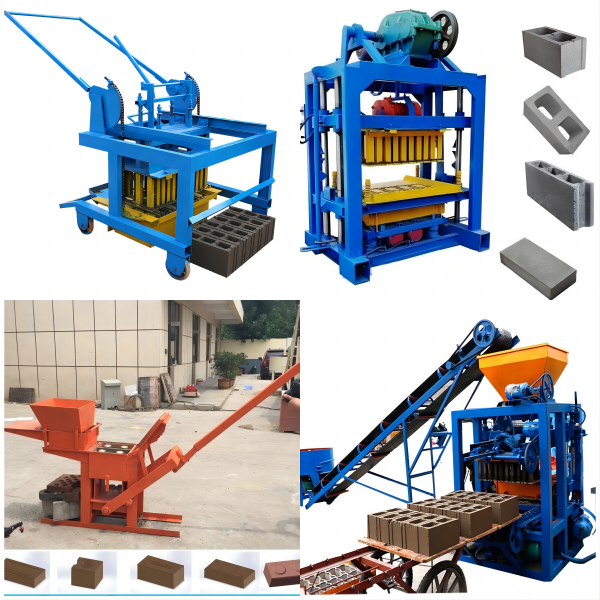
- เครื่องอัดแบบมือและกึ่งอัตโนมัตินี่คือรากฐานของการเข้าสู่การผลิตอิฐต้นทุนต่ำและมีคุณค่าสูง โดยเครื่องจักรประเภทนี้ต้องการแรงงานคนมากขึ้นในการป้อนและขนย้ายวัสดุ แต่ใช้เครื่องอัดพลังกลหรือพลังไฮดรอลิกเพื่อขึ้นรูปอิฐที่มีความหนาแน่นสูงและสม่ำเสมอ เครื่องจักรเหล่านี้มีความหลากหลายอย่างยิ่ง สามารถผลิตอิฐทึบ อิฐมีรู และอิฐบล็อกประสานได้จากวัสดุที่หลากหลาย
- เครื่องอัดบล็อกไฮดรอลิก:ก้าวขึ้นสู่ระบบอัตโนมัติ เครื่องจักรเหล่านี้ใช้แรงดันไฮดรอลิกอย่างต่อเนื่องเพื่ออัดวัสดุดิบลงในแม่พิมพ์ ส่งผลให้ได้อิฐและบล็อกที่มีความแข็งแรงและความสม่ำเสมอสูง รุ่นราคาประหยัดในประเภทนี้มักมาพร้อมกับตัวควบคุมลอจิกแบบโปรแกรมได้ (PLC) สำหรับการทำงานพื้นฐาน ช่วยเพิ่มผลผลิตด้วยการลงทุนปานกลาง
- เครื่องจักรทำอิฐเคลื่อนที่:หมวดหมู่ที่มีคุณค่าอย่างไม่เหมือนใคร ยูนิตขนาดกะทัดรัดเหล่านี้ซึ่งมักติดตั้งบนรถพ่วงสามารถขนส่งตรงไปยังสถานที่ก่อสร้างได้ พวกเขาใช้วัสดุในพื้นที่ เช่น ดินหรือวัสดุอื่นๆ ที่หาได้ในท้องถิ่นเพื่อผลิตอิฐตามความต้องการ ซึ่งช่วยลดต้นทุนการขนส่งสำหรับผู้ใช้ปลายทาง โมเดลนี้เสนอโซลูชัน "ธุรกิจในกล่อง" ที่น่าสนใจอย่างยิ่งสำหรับผู้จัดจำหน่ายที่จะนำเสนอให้กับลูกค้าของพวกเขา
- ความยืดหยุ่นของวัตถุดิบจุดแข็งสำคัญของเครื่องจักรเหล่านี้คือความสามารถในการปรับตัว พวกมันถูกออกแบบมาให้ทำงานร่วมกับ:
- ดินเหนียววัสดุดั้งเดิม มักเผาในเตาเผา
- คอนกรีต:ส่วนผสมของซีเมนต์ ทราย และมวลรวม ที่บ่มตัวด้วยกระบวนการไฮเดรชัน
- เถ้าลอยทางเลือกที่เป็นมิตรต่อสิ่งแวดล้อมโดยใช้วัสดุเหลือทิ้งจากอุตสาหกรรม มีส่วนช่วยในการก่อสร้างที่ยั่งยืน
- ดินอัดแน่นเสริมความมั่นคงด้วยซีเมนต์ปริมาณเล็กน้อย เหมาะสำหรับที่อยู่อาศัยต้นทุนต่ำ
ข้อได้เปบรียบเชิงกลยุทธ์สำหรับผู้จัดจำหน่ายและตัวแทนจัดซื้อ
ศักยภาพกำไรสูงด้วยราคาที่แข่งขันได้
ข้อได้เปรียบหลักคือโครงสร้างอัตรากำไรที่สำคัญซึ่งเกิดจากราคาโรงงานที่แข่งขันได้ การจัดหาสินค้าโดยตรงจากผู้ผลิตช่วยให้ตัวกลางธุรกิจสามารถรักษากำไรที่แข็งขันได้ ในขณะเดียวกันก็ยังสามารถเสนอราคาที่ดีกว่าราคาตลาดให้กับลูกค้าท้ายน้ำได้ ข้อได้เปรียบด้านราคานี้เป็นเครื่องมืออันทรงพลังสำหรับการเจาะตลาดและการแข่งขัน
การตอบสนองต่อความต้องการของตลาดขนาดใหญ่และเติบโตอย่างต่อเนื่อง
การขยายตัวของเมือง การพัฒนาสาธารณูปโภค และความต้องการที่อยู่อาศัยราคาไม่แพงในประเทศเศรษฐกิจเกิดใหม่ สร้างความต้องการวัสดุก่อสร้างพื้นฐานอย่างไม่มีที่สิ้นสุด เครื่องจักรราคาประหยัดช่วยเสริมพลังให้ผู้ประกอบการในท้องถิ่นตอบสนองความต้องการนี้ ก่อให้เกิดวงจรที่เกื้อกูลกัน ในฐานะผู้จัดจำหน่าย คุณกำลังจัดหาอุปกรณ์ที่เป็นเสมือนเครื่องมือที่ขับเคลื่อนภาคส่วนนี้
อุปสรรคในการเข้าถึงต่ำสำหรับลูกค้าปลายทาง ขยายฐานลูกค้าของคุณ
ด้วยการเสนอเครื่องจักรที่ต้องการการลงทุนเริ่มต้นที่จัดการได้ คุณจึงขยายฐานลูกค้าที่มีศักยภาพจากผู้เล่นอุตสาหกรรมขนาดใหญ่ไปจนถึงผู้ประกอบการรายบุคคล สหกรณ์ชุมชน และบริษัทก่อสร้างขนาดเล็ก การกระจายนี้ช่วยลดความเสี่ยงทางธุรกิจ
บริการหลังการขายในฐานะช่องทางสร้างรายได้
ความสัมพันธ์ทางธุรกิจเครื่องจักรไม่ได้สิ้นสุดเพียงแค่การขาย การจัดหาอะไหล่ ชิ้นส่วนที่สึกหรอ (เช่น แม่พิมพ์และพาเลท) การสนับสนุนทางเทคนิค และสัญญาบำรุงรักษา สร้างกระแสรายได้ที่เกิดขึ้นซ้ำและเสริมสร้างความภักดีของลูกค้า การสร้างชื่อเสียงในด้านการสนับสนุนหลังการขายที่เชื่อถือได้เป็นตัวแยกความแตกต่างที่สำคัญ
การเดินทางผ่านกระบวนการจัดซื้อจัดจ้าง: คู่มือสำหรับผู้ซื้อธุรกิจต่อธุรกิจ
การระบุผู้ผลิตที่มีชื่อเสียง
การตรวจสอบอย่างละเอียดเป็นสิ่งสำคัญ นอกเหนือจากพอร์ทัลออนไลน์แล้ว ควรพิจารณาไปเยี่ยมชมงานแสดงสินค้าอุตสาหกรรมขนาดใหญ่ในประเทศจีนที่เน้นเครื่องจักรก่อสร้าง โดยตรวจสอบใบอนุญาตประกอบธุรกิจ ตรวจรายงานการตรวจสอบโรงงาน และให้ความสำคัญกับผู้ผลิตที่มีประวัติการส่งออกไปยังภูมิภาคเป้าหมายของคุณ ขอและติดต่อข้อมูลอ้างอิงจากลูกค้าระหว่างประเทศที่มีอยู่
Critical Technical and Commercial Evaluation Points
- กำลังการผลิตและเวลาในรอบการผลิต Understand output in bricks per hour/day under standard conditions.
- ข้อกำหนดด้านพลังงาน: Ensure the machine’s specifications match the common voltage and phase in your target market.
- Build Quality & Key Components: Inspect the quality of steel, the robustness of the hydraulic system, and the brand reputation of critical components like pumps and PLCs, even in affordable models.
- การปรับแต่งแม่พิมพ์ The ability to supply or customize molds for different block sizes and designs adds tremendous value to your offering.
- Packaging for Export: Ensure the supplier has experience in export-standard packaging (wooden crates, seaworthy) to prevent transit damage.
- Payment Terms and Minimum Order Quantity (MOQ): Negotiate terms that balance risk and cash flow. Start with smaller orders to validate quality before scaling up.
The Importance of Comprehensive Supplier Agreements
A clear contract should cover technical specifications, delivery timelines (Incoterms), payment schedules, warranty terms (typically 12-18 months for core parts), and protocols for handling defective goods. Intellectual property rights for any custom designs should also be clarified.
สรุป
The sector of affordably priced brick manufacturing machinery from China presents a formidable and timely opportunity for distributors, dealers, and global procurement agents. It is a segment defined not by compromise, but by strategic value engineering, delivering the essential reliability and productivity needed to activate small and medium enterprises worldwide. By understanding the technology spectrum, recognizing the vast addressable market, and mastering the intricacies of selective sourcing and partnership building, intermediaries can build a highly profitable and impactful business line. Success in this field hinges on moving beyond a simple import-export model to becoming a value-added partner, providing not just equipment, but complete solutions encompassing machine selection, technical support, and parts supply. In doing so, you position your business at the forefront of empowering local construction industries and contributing to global infrastructure development.
FAQ
Q1: What is the typical price range for an affordable brick-making machine from China?
Prices vary significantly based on type, automation level, and output. Small manual machines can start from a few thousand dollars, semi-automatic hydraulic presses may range from $10,000 to $30,000, and more advanced stationary hydraulic lines can be $40,000 to $80,000. Accurate pricing requires specifying output capacity and configuration.
Q2: How do I ensure the machine quality without a physical pre-shipment inspection?
Always request a Factory Acceptance Test (FAT) conducted via live video stream. Reputable suppliers will demonstrate the machine’s operation, test its functions, and allow you to verify the production of sample bricks remotely. Third-party inspection services are also a valuable option for larger orders.
Q3: What are the common challenges with installation and commissioning, and how are they addressed?
Challenges can include incorrect assembly, electrical connection issues, or parameter setting errors. Reliable suppliers provide detailed installation manuals, video guides, and remote video support via platforms like Zoom or WhatsApp. For complex lines, on-site technician dispatch can be negotiated, though it adds to cost.
Q4: What is the lead time for orders, and what shipping methods are used?
Lead times range from 15-30 days for standard models to 45-90 days for customized or high-capacity lines. Shipping is typically via sea freight (LCL or FCL) for the machine and air freight for urgent spare parts. The supplier should handle export formalities and provide all necessary shipping documents.
Q5: How vital is mold availability and customization?
Molds are consumable parts and a critical source of recurring revenue. Partnering with a supplier who can quickly provide high-quality, durable replacement molds and offer customization for local block specifications is a major competitive advantage. Ensure they have in-house mold design and manufacturing capability.
Q6: What after-sales support should I expect from the manufacturer?
Minimum support includes comprehensive operation and maintenance manuals, electrical diagrams, and a parts catalog. Expect a warranty (e.g., 12 months for core components) and access to technical support for troubleshooting. Clarify response times for support queries and the availability of a readily accessible spare parts inventory.