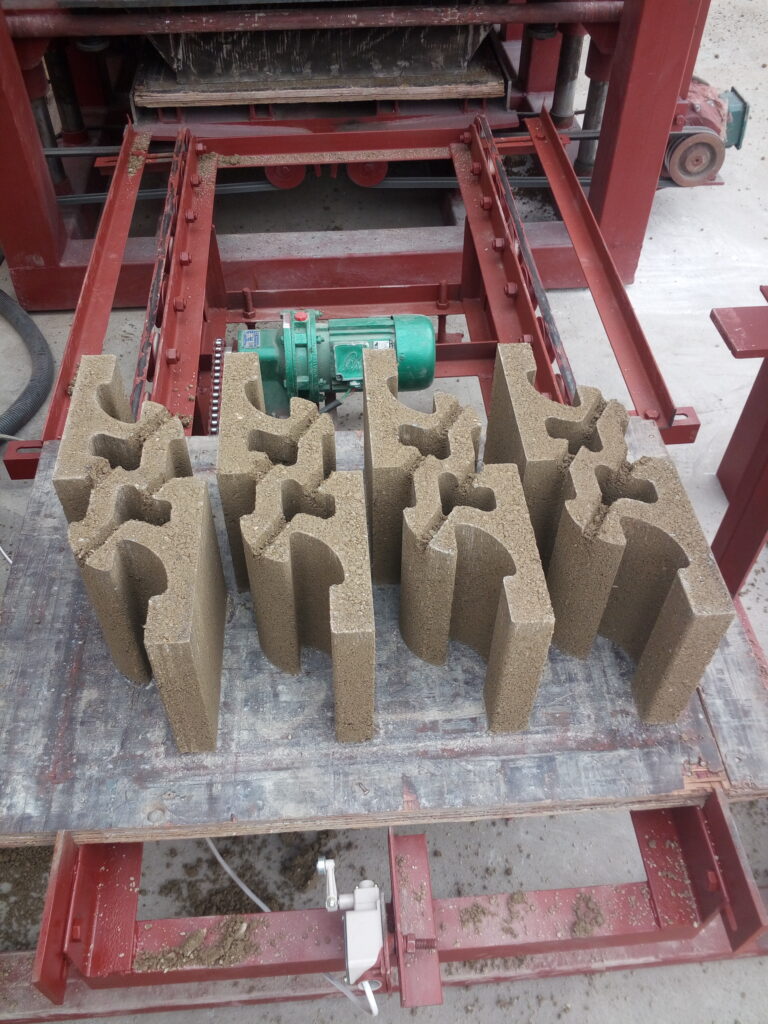
เครื่องจักรผลิตอิฐคอนกรีต
บทนำ
ในภาคอุตสาหกรรมวัสดุก่อสร้าง เครื่องจักรผลิตอิฐคอนกรีตถือเป็นเทคโนโลยีหลักสำหรับการผลิตสมัยใหม่ที่สามารถขยายขนาดและมีประสิทธิภาพ สำหรับผู้จัดจำหน่าย ผู้ค้า และผู้เชี่ยวชาญด้านการจัดซื้อ ความเข้าใจที่ลึกซึ้งเกี่ยวกับหมวดหมู่ของอุปกรณ์นี้ไม่ได้จำกัดอยู่เพียงคำจำกัดความพื้นฐานเท่านั้น แต่ยังครอบคลุมถึงหลักการทำงาน การประยุกต์ใช้ในตลาด และข้อได้เปรียบเชิงกลยุทธ์ที่ขับเคลื่อนการลงทุนของลูกค้า ต่างจากกระบวนการเผาดินเหนียวแบบดั้งเดิม เครื่องจักรผลิตอิฐคอนกรีตใช้การอัดแบบไฮดรอลิกและแบบสั่นสะเทือนเพื่อเปลี่ยนวัสดุรวมและปูนซีเมนต์ดิบให้กลายเป็นหน่วยก่อสร้างที่แม่นยำและทนทาน
การกำหนดนิยามเทคโนโลยี: หลักการพื้นฐานและกลไก
เครื่องจักรผลิตอิฐคอนกรีตเป็นอุปกรณ์อุตสาหกรรมที่ออกแบบมาเพื่อผลิตชิ้นงานแข็ง ท่อกลวง อิฐบล็อกประสาน และแผ่นปูพื้น โดยส่วนใหญ่ใช้วัตถุดิบหลักจากส่วนผสมของมวลรวม (ทราย กรวด หินบด) ปูนซีเมนต์ปอร์ตแลนด์ และน้ำ ลักษณะเฉพาะที่กำหนดคือการใช้การอัดแน่นเชิงกล แทนการเผาด้วยเตาเผาแบบใช้ความร้อน เพื่อให้ได้ความแข็งแรงเชิงโครงสร้าง กระบวนการนี้พึ่งพาการอัดตัวด้วยระบบไฮดรอลิกหรือการสั่นกระแทกของส่วนผสมคอนกรีตที่เหลวน้อยหรือไม่เหลวเลย ตามด้วยการบ่มในสภาพแวดล้อมปกติเพื่อให้เกิดปฏิกิริยาไฮเดรชันของซีเมนต์
- หลักการอัดแน่นด้วยไฮดรอลิก
- หัวใจของระบบหลายประเภทคือเครื่องอัดไฮดรอลิก มอเตอร์ไฟฟ้าทำหน้าที่ขับปั๊มเพื่อสร้างแรงดันให้กับของไหลไฮดรอลิก ซึ่งจะไปกระตุ้นกระบอกสูบหนึ่งหรือหลายกระบอก กระบอกสูบเหล่านี้จะขับเคลื่อนหัวอัดด้วยแรงมหาศาลที่ควบคุมได้ (วัดเป็นตันหรือเมกะปาสคาล) ลงบนวัสดุภายในแม่พิมพ์โดยตรง แรงดันนี้ช่วยลดช่องว่างระหว่างอนุภาคได้อย่างมาก สร้างโครงสร้างที่หนาแน่นและเชื่อมโยงกัน ซึ่งปูนซีเมนต์สามารถยึดเกรวดินได้อย่างมีประสิทธิภาพ ความสามารถในการควบคุมและรักษาแรงดันนี้อย่างแม่นยำเป็นสิ่งสำคัญสำหรับการได้มาซึ่งความหนาแน่นและความแข็งแรงของผลิตภัณฑ์ที่สม่ำเสมอ
- บทบาทของการสั่นสะเทือนในการบดอัด
- มักใช้ร่วมกับแรงดันไฮดรอลิก การสั่นความถี่สูงเป็นปัจจัยหลักที่แตกต่างจากวิธีการผลิตอิฐอื่นๆ เครื่องสั่นที่ติดตั้งบนโต๊ะแม่พิมพ์หรือส่วนหัวจะส่งพลังงานจลน์ไปยังส่วนผสมคอนกรีต พลังงานนี้ช่วยลดแรงเสียดทานภายในชั่วคราว ทำให้วัสดุเม็ดละเอียดสามารถไหลและตกตัวเข้าไปในรูปทรงซับซ้อนของแม่พิมพ์ รวมถึงรอบแกนสำหรับบล็อกกลวง การสั่นช่วยให้แน่ใจว่ามีความหนาแน่นสม่ำเสมอทั่วทั้งผลิตภัณฑ์ ขจัดช่องว่างและสร้างพื้นผิวที่เรียบเนียน ซึ่งจำเป็นต่อความสามารถในการรับน้ำหนักและคุณภาพด้านความสวยงาม
- แนวทางการรักษาแบบใหม่: การเติมน้ำมากกว่าการใช้ความร้อน
- ความแตกต่างที่สำคัญที่สุดจากเทคโนโลยีดินเผาคือกระบวนการบ่ม อิฐคอนกรีตได้รับความแข็งแรงผ่านปฏิกิริยาเคมีที่เรียกว่าไฮเดรชัน ซึ่งซีเมนต์ทำปฏิกิริยากับน้ำเพื่อสร้างโครงสร้างผลึกที่แข็งตัว สิ่งนี้เกิดขึ้นที่อุณหภูมิแวดล้อมในช่วงหลายวัน เครื่องจักรผลิตอิฐ “เขียว” ซึ่งจากนั้นจะถูกเรียงซ้อนและรักษาความชื้นภายใต้สภาวะที่ควบคุม (มักคลุมด้วยแผ่นพลาสติกหรือในห้องบ่ม) เพื่อให้มั่นใจถึงการพัฒนาความแข็งแรงอย่างสมบูรณ์โดยไม่ต้องใช้พลังงานมหาศาลที่จำเป็นสำหรับเตาเผา
สถาปัตยกรรมระบบและการบูรณาการส่วนประกอบ
เครื่องทำอิฐคอนกรีตสมัยใหม่ไม่ใช่เครื่องกดเดี่ยว แต่เป็นระบบรวม สถาปัตยกรรมของมันสามารถแบ่งออกเป็นระบบย่อยหลักหลายระบบ
- ระบบกำลังและระบบขับเคลื่อน
- ระบบนี้เป็นแหล่งกำเนิดแรงขับเคลื่อน โดยทั่วไปประกอบด้วยมอเตอร์ไฟฟ้าแรงบิดสูง ชุดกำลังไฮดรอลิก (ถังเก็บน้ำมัน ปั๊ม วาล์ว ตัวกรอง) และกระบอกสูบทำงาน ความซับซ้อนของบล็อกวาล์ว — ซึ่งมักรวมวาล์วแบบสัดส่วนเพื่อการควบคุมที่นุ่มนวล — เป็นตัวกำหนดความแม่นยำของรอบการทำงานของเครื่องอัด ในเครื่องจักรที่เน้นการสั่นสะเทือน ระบบจะรวมมอเตอร์สั่นสะเทือนแบบไฟฟ้าหรือไฮดรอลิกพร้อมตัวควบคุมความถี่ที่ปรับได้
- แม่พิมพ์และการประกอบเครื่องมือ
- This is the product-defining subsystem. It consists of a hardened steel mold box that forms the external dimensions, a compaction head (upper mold), and, for hollow products, fixed or retractable core rods. These components are manufactured to exacting tolerances to prevent material leakage (flashing) and ensure easy release. The mold’s design directly dictates the brick’s shape, texture, and structural features (e.g., frog, grip patterns, interlocking keys).
- The Control and Automation Nexus
- Operational intelligence resides in a Programmable Logic Controller (PLC). This industrial computer receives signals from sensors (position, pressure, presence) and executes a pre-programmed logic sequence to control all machine functions: feeder movement, vibration activation, press stroke, and ejection. The Human-Machine Interface (HMI) touchscreen allows operators to input parameters, select product recipes, and monitor real-time diagnostics, making the machine adaptable and transparent in operation.
- Auxiliary Material Handling Systems
- To achieve continuous production, the core press is supported by peripheral equipment. This includes aggregate batchers, pan or twin-shaft mixers for homogeneous blending, conveyor belts for material transfer, and automated pallet circulation systems that move green bricks from the press to curing areas and return empty pallets. The degree of integration of these auxiliaries defines the line’s automation level.
Product Portfolio and Application Scope
The versatility of this machinery is a primary commercial driver. By changing mold sets and adjusting machine parameters, a single system can produce a diverse range of market-ready products.
- Structural Masonry Units
- Hollow Concrete Blocks: The industry workhorse for wall construction, offering an optimal balance of strength, weight, and material economy. The machine must ensure perfect formation of the webs and shells around the cores.
- บล็อกคอนกรีตทึบ: Used for foundations, load-bearing piers, and applications requiring maximum compressive strength and density.
- บล็อคต่อเชื่อม: Designed for dry-stack or minimal-mortar construction, these require molds with extreme precision to ensure consistent locking geometry, enabling faster build times.
- Paving and Landscape Products
- Concrete Pavers: For driveways, walkways, and patios. Produced at very high pressures for exceptional durability and freeze-thaw resistance. Machines can produce myriad shapes, from simple rectangles to complex interlocking patterns.
- Kerbstones and Edging: Specialized long, linear products that require specific mold designs and handling systems.
- Retaining Wall Units: Often larger, sculpted blocks designed for gravity walls, requiring robust machine frames and high-pressure capabilities.
- Specialized and Engineered Products
- บล็อกน้ำหนักเบา Utilizing expanded clay or shale aggregates. The machine must be tuned to compact these softer aggregates without crushing them.
- Insulated Concrete Forms (ICFs): Complex blocks with built-in cavities for insulation.
- Architectural Screen Blocks: Decorative units with intricate perforations, showcasing the machine’s ability to handle delicate mold tooling.
Strategic Value Proposition for Stakeholders
For the target audience of distributors and their clients, concrete brick machinery offers a compelling set of advantages.
- Economic and Operational Efficiency
- The process eliminates the fuel cost of kiln firing, one of the largest expenses in clay brick production. With quick cycle times (often seconds per brick) and high levels of automation, the cost-per-unit is highly competitive. The ability to use locally sourced aggregates and industrial by-products like fly ash further reduces material costs and supports circular economy goals.
- Quality, Consistency, and Performance
- Machine-controlled production ensures every unit meets identical specifications for dimensions, density, and strength. This consistency is paramount for modern construction, allowing for predictable structural performance, easier bricklaying, and adherence to international standards (ASTM, EN, ISO). The resulting products offer high compressive strength, excellent fire resistance, and good acoustic insulation properties.
- Sustainability and Environmental Profile
- The technology supports sustainable construction through energy-efficient production (no firing), the potential for high recycled content in aggregates, and the use of supplementary cementitious materials like fly ash. Furthermore, concrete masonry buildings offer significant thermal mass, contributing to energy efficiency in operation.
สรุป
The concrete brick making machine is far more than a simple press; it is the engine of a highly efficient, adaptable, and modern construction materials plant. Its core principles of hydraulic/vibratory compaction and ambient curing represent a technologically and economically superior alternative to traditional fired methods for a vast range of applications. For the strategic distributor, success lies in conveying this machine’s role as a system—integrating mechanical force, electronic control, and material science to produce a diversified portfolio of high-performance building products. By articulating its operational logic, product versatility, and strong value proposition in terms of cost, quality, and sustainability, distributors empower their clients to make transformative investments. These investments not only build profitable businesses but also contribute to meeting the global need for resilient, affordable, and sustainable infrastructure.
คำถามที่พบบ่อย (FAQ)
Q1: How does the strength of a machine-made concrete brick compare to a traditional fired clay brick?
ก High-quality concrete bricks produced on modern machinery routinely achieve compressive strengths that meet or exceed those of standard fired clay bricks. While clay bricks excel in certain properties like absorption, well-compacted concrete blocks offer superior consistency, dimensional accuracy, and can be engineered for very high strengths (over 20 MPa or 2900 psi) for specific structural applications. The performance is highly dependent on mix design and machine pressure.
Q2: What are the key infrastructure requirements for installing a concrete brick production line?
ก Major requirements include:
- อวกาศ A large, covered area for the production line, raw material storage, and curing yard.
- อำนาจ A stable, high-capacity three-phase electrical supply for motors, hydraulic pumps, and controls.
- Foundation: A heavy-duty, level concrete foundation to absorb machine vibrations and ensure alignment.
- Water Supply: A consistent source of clean water for mixing and curing.
- Material Storage: Organized space for aggregates, cement, and pallets.
Q3: Can these machines use recycled materials in the concrete mix?
ก Yes, this is a significant advantage. Properly processed recycled concrete aggregate (RCA), crushed glass (cullet), and post-industrial materials like fly ash can be successfully incorporated into the mix design. This requires careful grading and quality control to ensure the recycled content does not compromise strength or durability, but it offers substantial cost savings and environmental benefits.
Q4: What is the typical lifespan of a concrete brick making machine, and what drives maintenance costs?
ก With proper maintenance, the core structural frame of a quality machine can last 20+ years. The primary maintenance costs and wear are associated with:
- Mold Tooling: The highest wear item, requiring refurbishment or replacement after 1-3 million cycles depending on material abrasiveness.
- ส่วนประกอบไฮดรอลิก Seals, hoses, and pumps require periodic replacement.
- Vibrators and Bearings: In vibration systems, these are subject to high-stress fatigue.
A proactive, scheduled maintenance program is far less costly than reactive repairs following a breakdown.
Q5: How quickly can a production line be reconfigured to make a different type of brick or block?
ก Reconfiguration time, or changeover, varies. For a simple mold change (e.g., from a solid block to a different sized solid block), a well-designed machine with quick-change clamps can be ready in under an hour. Switching to a radically different product (e.g., from standard block to thin pavers) may take several hours, as it involves changing multiple mold components, adjusting feeder settings, and recalibrating press parameters. This flexibility is a key selling point for markets requiring a diverse product mix.