Beton G'isht Ishlab Chiqarish Mashinalari
Kirish
Qurilish materiallari sohasida beton g'isht ishlab chiqarish mashinalari zamonaviy, masshtablashtirilgan va samarali ishlab chiqarish uchun asosiy texnologiyani ifodalaydi. Distribyutorlar, dilerlar va xarid mutaxassislari uchun ushbu uskunalar toifasini chuqur tushunish oddiy ta'riflardan ancha kengroqdir—bu mijozlar investitsiyalarini rag'batlantiruvchi operatsion tamoyillar, bozor qo'llanmalari va strategik afzalliklarni qamrab oladi. An'anaviy loy pishirish jarayonlaridan farqli o'laroq, beton g'isht mashinalari xom agregatlar va tsementni aniq, bardoshli devor qurilish birliklariga aylantirish uchun gidravlik va vibratsion siqish usullaridan foydalanadi.
Texnologiyani aniqlash: Asosiy tamoyillar va mexanizmlar
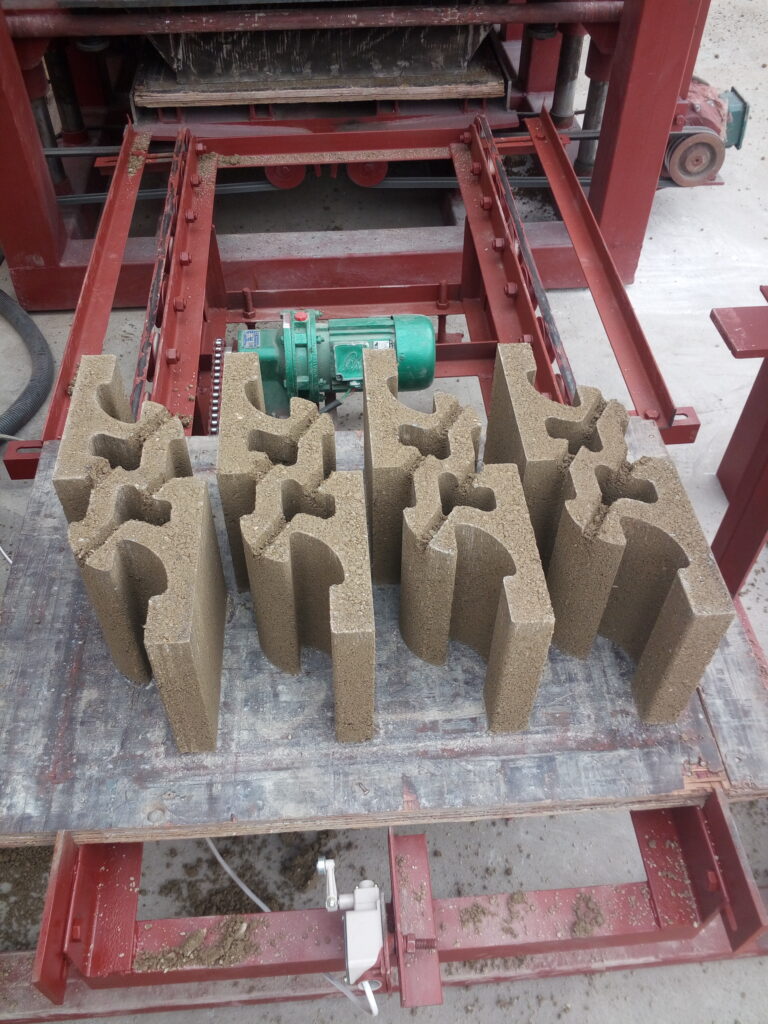
Beton g'isht tayyorlash mashinasi - bu asosan agregatlar (qum, shag'al, maydalangan tosh), portland sementi va suv aralashmasidan qattiq, bo'sh, o'zaro birikadigan va yo'l qoplamasi bloklarini ishlab chiqarish uchun mo'ljallangan sanoat qurilmasi. Uning asosiy xususiyati tuzilish mustahkamligini erishish uchun termal pechda pishirish o'rniga mexanik siqishdan foydalanishdir. Jarayon nol yoki past qiyalikli beton aralashmasining gidravlik yoki tebranishli mustahkamlanishiga, so'ngra sement gidratatsiyasiga imkon berish uchun atrof-muhitda quritishga asoslanadi.
- Gidravlik Siqish Printsipi
- Ko'pgina tizimlarning yadrosida gidravlik press joylashgan. Elektr motor nasosni harakatga keltiradi, bu esa gidravlik suyuqlikni bosim ostiga oladi va o'z navbatida bir yoki bir nechta silindrlarni ishga tushiradi. Ushbu silindrlar qoliplash boshini qolip ichidagi materialga bevosita ulkan, boshqariladigan kuch (tonna yoki mega-Paskalda o'lchanadi) bilan harakatlantiradi. Bu bosim zarralar orasidagi bo'shliqlarni sezilarli darajada kamaytiradi, shu bilan sement pastasi agregatlarni samarali bog'laydigan zich, uyushgan matritsani hosil qiladi. Ushbu bosimni aniq nazorat qilish va ushlab turish qobiliyati mahsulotning izchil zichligi va mustahkamligini ta'minlash uchun juda muhimdir.
- Titrishishning Konsolidatsiyadagi O'rni
- Gidravlik bosim bilan birgalikda tez-tez qo'llaniladigan yuqori chastotali tebranish, boshqa g'isht ishlab chiqarish usullaridan asosiy farqlovchi xususiyatdir. Qolip stoliga yoki boshlang'ich qismiga o'rnatilgan vibratorlar beton aralashmasiga kinetik energiya beradi. Bu energiya ichki ishqalanishni vaqtincha kamaytirib, donador materialning oqib, qolipning murakkab konturlariga, shu jumladan ichi bo'sh bloklar uchun yadro novlari atrofiga joylashishiga imkon beradi. Tebranish mahsulot bo'ylab bir xil zichlikni ta'minlab, bo'shliqlarni yo'q qiladi va silliq sirt qoplamasini hosil qiladi, bu esa yuk ko'tarish qobiliyati va estetik sifat uchun muhimdir.
- Davolash Paradigmasi: Pishirishdan Ko'ra Gidratatsiya
- Fired clay texnologiyasidan eng muhim farq - bu pishirish jarayoni. Beton g'ishtlar gidratatsiya deb ataladigan kimyoviy reaktsiya orqali mustahkamlikka ega bo'ladi, bunda sement suv bilan reaksiyaga kirishib, qattiq kristall tuzilmalar hosil qiladi. Bu atrof-muhit haroratida bir necha kun davomida sodir bo'ladi. Mashina "yashil" g'ishtlarni ishlab chiqaradi, ular keyin to'plangan holda qo'yilib, nazorat ostidagi sharoitda (ko'pincha plastik plyonka bilan qoplangan yoki pishirish kameralarida) nam saqlanadi, bu pechlarda talab qilinadigan katta energiya sarfisiz to'liq mustahkamlikni ta'minlaydi.
Tizim Arxitekturasi va Komponentlarni Integratsiyalash
Zamonaviy beton g'isht mashinasi mustaqil press emas, balki yaxlit tizimdir. Uning tuzilishi bir nechta asosiy kichik tizimlarga bo'linishi mumkin.
- Quvvat va Boshqarish Tizimi
- Ushbu tizim harakatlantiruvchi kuchni ta'minlaydi. Odatda, u yuqori momentli elektr motorini, gidravlik quvvat blokini (rezervuar, nasos, klapanlar, filtrlarni) va harakatlantirish silindrlarini o'z ichiga oladi. Klapanlar blokining murakkabligi—ko'pincha tekis boshqarish uchun proporsional klapanlarni o'z ichiga oladi—press tsiklining aniqligini belgilaydi. Tebranishga asoslangan mashinalarda tizim, sozlanishi mumkin bo'lgan chastota boshqaruvchilari bilan elektr yoki gidravlik vibrator motorlarini ham o'z ichiga oladi.
- Qolip va Asboblar Yig'ilishi
- This is the product-defining subsystem. It consists of a hardened steel mold box that forms the external dimensions, a compaction head (upper mold), and, for hollow products, fixed or retractable core rods. These components are manufactured to exacting tolerances to prevent material leakage (flashing) and ensure easy release. The mold’s design directly dictates the brick’s shape, texture, and structural features (e.g., frog, grip patterns, interlocking keys).
- The Control and Automation Nexus
- Operational intelligence resides in a Programmable Logic Controller (PLC). This industrial computer receives signals from sensors (position, pressure, presence) and executes a pre-programmed logic sequence to control all machine functions: feeder movement, vibration activation, press stroke, and ejection. The Human-Machine Interface (HMI) touchscreen allows operators to input parameters, select product recipes, and monitor real-time diagnostics, making the machine adaptable and transparent in operation.
- Auxiliary Material Handling Systems
- To achieve continuous production, the core press is supported by peripheral equipment. This includes aggregate batchers, pan or twin-shaft mixers for homogeneous blending, conveyor belts for material transfer, and automated pallet circulation systems that move green bricks from the press to curing areas and return empty pallets. The degree of integration of these auxiliaries defines the line’s automation level.
Product Portfolio and Application Scope
The versatility of this machinery is a primary commercial driver. By changing mold sets and adjusting machine parameters, a single system can produce a diverse range of market-ready products.
- Structural Masonry Units
- Bo'sh Ichli Beton Bloklar: The industry workhorse for wall construction, offering an optimal balance of strength, weight, and material economy. The machine must ensure perfect formation of the webs and shells around the cores.
- Qattiq Beton Bloklar: Used for foundations, load-bearing piers, and applications requiring maximum compressive strength and density.
- O'zaro bog'langan bloklar: Designed for dry-stack or minimal-mortar construction, these require molds with extreme precision to ensure consistent locking geometry, enabling faster build times.
- Paving and Landscape Products
- Concrete Pavers: For driveways, walkways, and patios. Produced at very high pressures for exceptional durability and freeze-thaw resistance. Machines can produce myriad shapes, from simple rectangles to complex interlocking patterns.
- Kerbstones and Edging: Specialized long, linear products that require specific mold designs and handling systems.
- Retaining Wall Units: Often larger, sculpted blocks designed for gravity walls, requiring robust machine frames and high-pressure capabilities.
- Specialized and Engineered Products
- Yengil bloklar: Utilizing expanded clay or shale aggregates. The machine must be tuned to compact these softer aggregates without crushing them.
- Insulated Concrete Forms (ICFs): Complex blocks with built-in cavities for insulation.
- Architectural Screen Blocks: Decorative units with intricate perforations, showcasing the machine’s ability to handle delicate mold tooling.
Strategic Value Proposition for Stakeholders
For the target audience of distributors and their clients, concrete brick machinery offers a compelling set of advantages.
- Economic and Operational Efficiency
- The process eliminates the fuel cost of kiln firing, one of the largest expenses in clay brick production. With quick cycle times (often seconds per brick) and high levels of automation, the cost-per-unit is highly competitive. The ability to use locally sourced aggregates and industrial by-products like fly ash further reduces material costs and supports circular economy goals.
- Quality, Consistency, and Performance
- Machine-controlled production ensures every unit meets identical specifications for dimensions, density, and strength. This consistency is paramount for modern construction, allowing for predictable structural performance, easier bricklaying, and adherence to international standards (ASTM, EN, ISO). The resulting products offer high compressive strength, excellent fire resistance, and good acoustic insulation properties.
- Sustainability and Environmental Profile
- The technology supports sustainable construction through energy-efficient production (no firing), the potential for high recycled content in aggregates, and the use of supplementary cementitious materials like fly ash. Furthermore, concrete masonry buildings offer significant thermal mass, contributing to energy efficiency in operation.
Xulosa
The concrete brick making machine is far more than a simple press; it is the engine of a highly efficient, adaptable, and modern construction materials plant. Its core principles of hydraulic/vibratory compaction and ambient curing represent a technologically and economically superior alternative to traditional fired methods for a vast range of applications. For the strategic distributor, success lies in conveying this machine’s role as a system—integrating mechanical force, electronic control, and material science to produce a diversified portfolio of high-performance building products. By articulating its operational logic, product versatility, and strong value proposition in terms of cost, quality, and sustainability, distributors empower their clients to make transformative investments. These investments not only build profitable businesses but also contribute to meeting the global need for resilient, affordable, and sustainable infrastructure.
Tez-tez so'raladigan savollar (FAQ)
Q1: How does the strength of a machine-made concrete brick compare to a traditional fired clay brick?
A: High-quality concrete bricks produced on modern machinery routinely achieve compressive strengths that meet or exceed those of standard fired clay bricks. While clay bricks excel in certain properties like absorption, well-compacted concrete blocks offer superior consistency, dimensional accuracy, and can be engineered for very high strengths (over 20 MPa or 2900 psi) for specific structural applications. The performance is highly dependent on mix design and machine pressure.
Q2: What are the key infrastructure requirements for installing a concrete brick production line?
A: Major requirements include:
- Kosmik makon A large, covered area for the production line, raw material storage, and curing yard.
- Kuch: A stable, high-capacity three-phase electrical supply for motors, hydraulic pumps, and controls.
- Foundation: A heavy-duty, level concrete foundation to absorb machine vibrations and ensure alignment.
- Water Supply: A consistent source of clean water for mixing and curing.
- Material Storage: Organized space for aggregates, cement, and pallets.
Q3: Can these machines use recycled materials in the concrete mix?
A: Yes, this is a significant advantage. Properly processed recycled concrete aggregate (RCA), crushed glass (cullet), and post-industrial materials like fly ash can be successfully incorporated into the mix design. This requires careful grading and quality control to ensure the recycled content does not compromise strength or durability, but it offers substantial cost savings and environmental benefits.
Q4: What is the typical lifespan of a concrete brick making machine, and what drives maintenance costs?
A: With proper maintenance, the core structural frame of a quality machine can last 20+ years. The primary maintenance costs and wear are associated with:
- Mold Tooling: The highest wear item, requiring refurbishment or replacement after 1-3 million cycles depending on material abrasiveness.
- Gidravlik Komponentlar: Seals, hoses, and pumps require periodic replacement.
- Vibrators and Bearings: In vibration systems, these are subject to high-stress fatigue.
A proactive, scheduled maintenance program is far less costly than reactive repairs following a breakdown.
Q5: How quickly can a production line be reconfigured to make a different type of brick or block?
A: Reconfiguration time, or changeover, varies. For a simple mold change (e.g., from a solid block to a different sized solid block), a well-designed machine with quick-change clamps can be ready in under an hour. Switching to a radically different product (e.g., from standard block to thin pavers) may take several hours, as it involves changing multiple mold components, adjusting feeder settings, and recalibrating press parameters. This flexibility is a key selling point for markets requiring a diverse product mix.