
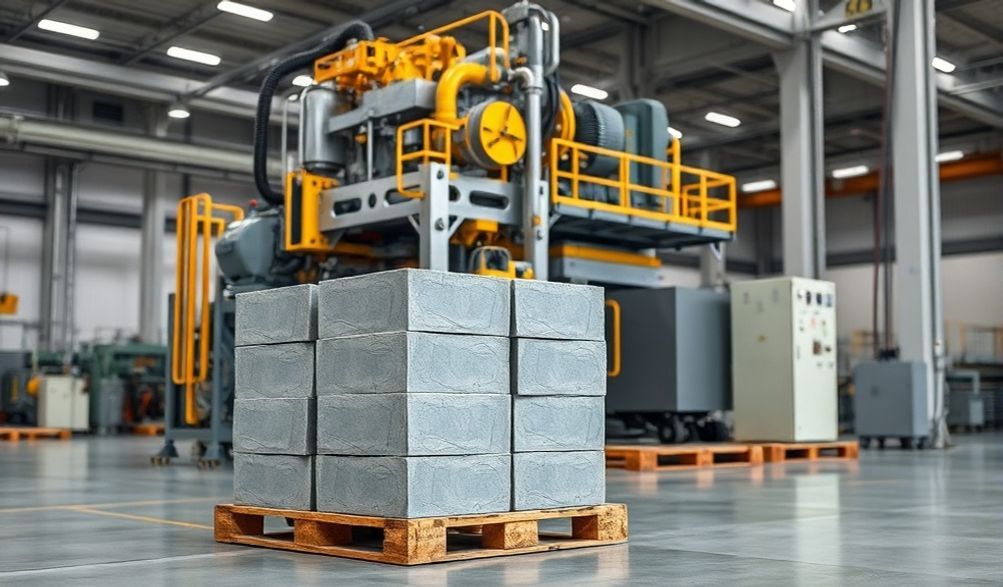
การค้นหาโรงงานผลิตเครื่องอัดบล็อกคอนกรีตคุณภาพสูง: คู่มือสำหรับผู้ซื้อปี 2026
อะไรที่แยกธุรกิจการผลิตบล็อกที่ทำกำไรและเติบโตออกจากธุรกิจที่เต็มไปด้วยการหยุดทำงานและคำร้องเรียนจากลูกค้า? ในขณะที่ทักษะในการดำเนินงานมีความสำคัญ ปัจจัยหลักที่มักตัดสินคือคุณภาพและความน่าเชื่อถือของเครื่องจักรในพื้นที่ผลิต การเลือกเครื่องทำบล็อกคอนกรีตที่เหมาะสมเป็นการลงทุนด้านทุนที่สำคัญที่สุดอย่างหนึ่งที่ผู้ประกอบการก่อสร้างหรือผู้ผลิตจะต้องตัดสินใจ อย่างไรก็ตาม การตัดสินใจที่สำคัญไม่ได้เกี่ยวกับข้อกำหนดของเครื่องจักรเพียงอย่างเดียว—มันยังเกี่ยวกับโรงงานที่สร้างมันขึ้นมา
จากประสบการณ์การประเมินในอุตสาหกรรมมาหลายปี การวิเคราะห์ทางเทคนิค และการมีส่วนร่วมโดยตรงกับผู้ผลิตทั่วโลก คู่มือนี้ทำหน้าที่เป็นที่ปรึกษาด้านกลยุทธ์ของคุณ ความเสี่ยงจากการร่วมมือกับโรงงานที่ไม่ได้มาตรฐานนั้นมหาศาล: มันส่งผลโดยตรงต่อปัญหาการบำรุงรักษาที่ไม่สิ้นสุด คุณภาพบล็อกที่ไม่สม่ำเสมอ และรายได้ที่หายไป คู่มือปี 2026 นี้ก้าวข้ามโบรชัวร์ผิวเผินและป้ายราคา เราให้กรอบการทำงานที่ชัดเจนและปฏิบัติได้จริง เพื่อระบุโรงงานที่มีหลักการพื้นฐานเป็นความเป็นเลิศทางวิศวกรรม, ความซื่อสัตย์ในการผลิต, และความเป็นหุ้นส่วนระยะยาวไม่ว่าคุณจะเป็นผู้รับเหมาที่กำลังขยายกิจการ ผู้จัดการจัดซื้อของบริษัทใหญ่ หรือผู้ประกอบการที่กำลังก้าวเข้าสู่อุตสาหกรรมการผลิตบล็อก นี่คือพิมพ์เขียวที่จะช่วยให้คุณตัดสินใจได้อย่างรอบคอบและมั่นใจ
เหตุใดการเลือกโรงงานจึงสำคัญมากกว่าแค่เครื่องจักร
มันเป็นเรื่องน่าดึงดูดที่จะมุ่งเน้นเฉพาะที่ความสามารถในการผลิตหรือราคาของเครื่องจักร อย่างไรก็ตาม นี่เป็นวิธีการที่มองไม่เห็นภาพรวม ปรัชญา ความสามารถ และกระบวนการของโรงงานนั้นถูกผนึกอยู่ในทุกการเชื่อม ทุกวงจร และทุกเฟืองของเครื่องจักรที่คุณซื้อ การเข้าใจสิ่งนี้คือก้าวแรกสู่การลงทุนที่ชาญฉลาด
ความเชื่อมโยงโดยตรงระหว่างคุณภาพโรงงานและอายุการใช้งานของเครื่องจักร
เครื่องจักรจะทนทานได้เพียงแค่ส่วนประกอบที่อ่อนแอที่สุดและความแม่นยำในการประกอบเท่านั้น โรงงานสองแห่งอาจผลิตเครื่องจักรที่มีกำลังการผลิตที่ระบุไว้ใกล้เคียงกัน แต่อายุการใช้งานจริงอาจแตกต่างกันหลายปี
- ความแม่นยำในการผลิตโรงงานที่ใช้เครื่องจักรซีเอ็นซีสำหรับชิ้นส่วนสำคัญรับประกันว่าความคลาดเคลื่อนถูกวัดในหน่วยไมครอน ความแม่นยำนี้ส่งผลให้การจัดตำแหน่งดีขึ้น การสึกหรอลดลง และการทำงานราบรื่นยิ่งขึ้น ในทางตรงกันข้าม การผลิตด้วยมือทำให้เกิดความแปรปรวนที่เร่งให้ชิ้นส่วนเสียหายเร็วขึ้น
- การจัดหาวัสดุแหล่งที่มาของแผ่นเหล็กมีความสำคัญ โรงงานระดับสูงใช้เหล็กเกรดสูงที่ผ่านการคลายความเค้น (เช่น ST52 หรือเทียบเท่า) สำหรับโครงเครื่องจักร เพื่อทนทานต่อแรงโหลดเป็นรอบมหาศาลในการผลิตบล็อก
- กระบวนการประกอบสายการประกอบที่สะอาดและเป็นระเบียบพร้อมด้วยข้อกำหนดแรงบิดและขั้นตอนการเชื่อมที่บันทึกไว้เป็นเครื่องหมายแสดงถึงคุณภาพ เราเคยเห็นเครื่องจักรที่การเชื่อมเจาะลึกไม่เพียงพอบนโครงตารางสั่นสะเทือนนำไปสู่ความล้มเหลวอย่างรุนแรงภายในไม่กี่เดือน ซึ่งเป็นผลโดยตรงจากขั้นตอนการประกอบที่หย่อนยาน
ต้นทุนรวมในการเป็นเจ้าของ (TCO): มองให้ไกลกว่าป้ายราคา
ราคาใบแจ้งหนี้เป็นเพียงค่าธรรมเนียมแรกเข้าเท่านั้น ค่าใช้จ่ายที่แท้จริงจะปรากฏชัดเจนตลอดระยะเวลา 5-10 ปีของการดำเนินงาน
- ค่าใช้จ่ายในการบำรุงรักษาเครื่องจักรที่สร้างขึ้นด้วยระบบไฮดรอลิกหรือชิ้นส่วนไฟฟ้ายี่ห้อทั่วไปอาจมีต้นทุนเริ่มต้นต่ำกว่า แต่จะต้องซ่อมแซมบ่อยครั้งและมีค่าใช้จ่ายสูง ในขณะที่โรงงานที่ใช้อุปกรณ์จากแบรนด์ที่มีชื่อเสียง (เช่น Bosch Rexroth สำหรับระบบไฮดรอลิก, Siemens สำหรับ PLC) กำลังลงทุนเพื่อให้เครื่องจักรของคุณทำงานได้อย่างต่อเนื่อง
- ประสิทธิภาพการใช้พลังงานวิศวกรรมขั้นสูงขยายไปถึงวงจรไฮดรอลิกและระบบการสั่นสะเทือนที่ได้รับการปรับให้เหมาะสม ซึ่งส่งแรงอัดที่ต้องการโดยใช้พลังงานน้อยกว่า เครื่องจักรที่ไม่มีประสิทธิภาพเป็นตัวการที่ทำให้ผลกำไรลดลงอย่างต่อเนื่อง
- ผลิตภาพและเวลาหยุดทำงานเครื่องจักรที่แพงที่สุดคือเครื่องที่ไม่ได้ทำงาน เครื่องจักรที่แข็งแกร่งจากโรงงานคุณภาพจะรักษาผลผลิตที่สม่ำเสมอด้วยการหยุดทำงานน้อยที่สุด การสูญเสียผลผลิตจากการหยุดทำงานเพียงวันเดียวสามารถบดบังการประหยัดที่คิดได้จากรุ่นที่ถูกกว่าหลายปี
ผลกระทบลูกโซ่: คุณภาพเครื่องจักรต่อคุณภาพบล็อกสุดท้ายและชื่อเสียงทางธุรกิจ
เครื่องจักรของคุณคือหัวใจของคุณภาพผลิตภัณฑ์ แผ่นคอนกรีตที่ไม่สม่ำเสมอนั้นไม่เพียงแต่สิ้นเปลืองวัสดุ แต่ยังทำลายชื่อเสียงของคุณกับผู้รับเหมาและช่างก่อสร้างอีกด้วย
- ความเสถียรเชิงมิติการขึ้นรูปแม่พิมพ์ที่แม่นยำและระบบสั่นสะเทือนที่ทรงพลังและเสถียรเป็นสิ่งที่ไม่สามารถประนีประนอมได้ในการผลิตบล็อกที่มีความยาว ความสูง และความกว้างสม่ำเสมอ ความคลาดเคลื่อนแม้เพียง 1-2 มิลลิเมตรสามารถทำให้การก่ออิฐซับซ้อนและเพิ่มการใช้ปูนสำหรับลูกค้าของคุณ
- ความต้านทานแรงอัด Achieving the target MPa (e.g., 7MPa, 15MPa) reliably requires a machine that delivers consistent vibration frequency and pressure. Fluctuations here mean some pallets of blocks may not meet the required strength standards, posing a structural risk.
- ผิวสำเร็จ A smooth, uniform finish is a mark of quality. It stems from well-machined mold faces, consistent concrete feed, and stable ejection. Poor machine performance leads to rough, chipped, or “honeycombed” blocks that are harder to sell.
Key Hallmarks of a Top-Tier Cement Block Machine Factory
Identifying a superior factory requires evaluating specific, tangible criteria. Look for these hallmarks that separate industry leaders from mere assemblers.
ความสามารถด้านวิศวกรรมและการวิจัยและพัฒนา
A factory that merely copies old designs is a red flag. The best invest in the future.
- ทีมออกแบบภายในองค์กร They should have dedicated engineers for mechanical, hydraulic, and electrical/control systems. This allows for integrated design, not just pieced-together components.
- Active R&D Investment: Ask about recent innovations. Are they developing more efficient vibration systems (e.g., polygonal or planetary vibrators)? Are they integrating IoT sensors for predictive maintenance? This shows a commitment to progress.
- Customization Ability: A strong engineering team can credibly discuss modifying standard models to suit your specific raw material (e.g., fly ash, aggregate size) or product mix (adding a splitter for producing kerbstones).
มาตรฐานการผลิตและโปรโตคอลการควบคุมคุณภาพ
This is where promises are turned into steel and circuitry.
- การรับรอง: While not a guarantee, ISO 9001 certification indicates a documented quality management system. It’s a baseline expectation for serious manufacturers.
- Production Technology: Look for evidence of modern manufacturing: CNC laser/plasma cutters, CNC machining centers, and robotic welding cells for critical joints. These ensure repeatable quality.
- การทดสอบอย่างเข้มงวด Inquire about their testing protocol. It should include:
- Dye-penetrant or ultrasonic testing for critical welds.
- Pressure testing of hydraulic cylinders and lines.
- Full-load test runs of every machine before shipment, producing sample blocks.
Material Sourcing and Component Integrity
The brand of components tells a story about the factory’s priorities.
- เหล็กโครงสร้าง: Specify the grade used for the main frame and vibration chamber. High-tensile, abrasion-resistant steel is essential.
- องค์ประกอบหลัก Reputable factories are transparent about their suppliers. Expect to see names like:
- ไฮดรอลิกส์ Bosch Rexroth, Parker, Eaton.
- พีแอลซีและคอนโทรลเลอร์ Siemens, Mitsubishi, Allen-Bradley.
- Bearings: SKF, FAG, NSK.
- Electrical: Schneider, ABB.
- Mold Steel: Molds should be made from hardened, high-chrome steel (e.g., DIN 1.2379) for longevity and excellent block release.
Technical Support and After-Sales Service Structure
The relationship begins at delivery, not ends there.
- Documentation: Comprehensive, well-translated operation and maintenance manuals, electrical and hydraulic diagrams are a must.
- การฝึกอบรม Do they offer on-site training for your operators and maintenance staff? This is crucial for optimal machine use.
- อะไหล่: A reliable factory maintains a strategic inventory of wear parts and critical components. Ask about their parts logistics and typical delivery times for your region.
- วิศวกรบริการ They should have a network of trained engineers or provide remote diagnostic support via video call to troubleshoot issues quickly.
A Step-by-Step Factory Evaluation Framework
Turn these hallmarks into action with this phased approach. Rushing this process is the most common and costly mistake buyers make.
Phase 1: Desktop Research & Shortlisting
Begin with a broad net and quickly narrow it down.
- Analyze Digital Footprints: Scrutinize factory websites. Do they show detailed photos/videos of the production process, not just finished machines? Is their technical literature specific (e.g., vibration force in kN, motor power in kW)?
- Review Portfolios: Look for a diversity of successful installations, preferably in environments similar to your own (climate, raw materials). A factory with many machines running in your region is a strong positive indicator.
- Identify Red Flags:
- Vague or missing technical specifications.
- Stock photos only, no genuine factory or machine operation shots.
- No verifiable contact information or physical address.
- Unrealistic claims (“lowest price guaranteed” as a primary tagline).
Phase 2: Deep-Dive Inquiry: The Questions You Must Ask
When you contact a shortlisted factory, be prepared. Their answers (and how they provide them) are highly revealing.
- “Can you provide the detailed technical drawing and bill of materials for the [Model XYZ]?”
- “What is the expected production output in blocks per 8-hour shift with standard 400x200x200mm hollow blocks, using local aggregates?”
- “What is the exact warranty coverage? Which components are excluded? What is the process for a warranty claim?”
- “Can you connect me with 2-3 reference clients in [Your Country/Region]?”
- “What is your lead time from order to shipment, and what are the standard payment terms?”
Phase 3: The Virtual or On-Site Factory Audit
If possible, visit. If not, insist on a comprehensive virtual tour.
- What to Look For:
- Cleanliness & Organization: A well-maintained factory floor reflects pride in workmanship.
- เวิร์กโฟลว์ Observe the logical flow from raw material (steel plate) to cutting, machining, welding, assembly, painting, and testing.
- Quality Checkpoints: Are there inspection stations with gauges and checklists at different stages?
- Material Storage: Are raw materials (steel, components) stored properly and protected from the elements?
- Key Request: Ask to see machines in various stages of assembly and, crucially, under final testing. Witnessing a machine perform a full cycle under load is invaluable.
Global Hotspots: Understanding Key Manufacturing Regions
Geography offers clues, but within each region, quality spans a vast spectrum.
The German & European Standard: Precision Engineering
- โปรไฟล์ Synonymous with ultra-high-end, fully automated production lines. The focus is on innovation, precision engineering, and extensive automation (robotic pallet handling, curing systems).
- ข้อดี: Unparalleled build quality, technological leadership, exceptional longevity, and high resale value.
- ข้อเสีย Command a significant price premium. Often best suited for large-scale, high-volume producers where maximum automation and uptime are critical.
The Turkish Hub: Balance of Quality and Value
- โปรไฟล์ Turkey has emerged as a global powerhouse, particularly for semi-automatic and fully automatic machines. Factories here have mastered the balance between robust engineering and competitive pricing.
- ข้อดี: Excellent build quality with a strong focus on durable design, good component sourcing, and generally strong after-sales support for export markets. Often offer the best “value-for-money” for mid-to-large scale operations.
- ข้อเสีย The market is also diverse; due diligence is still required to identify the top-tier manufacturers from the smaller workshops.
The Chinese Market: Spectrum from Budget to High-End
- โปรไฟล์ This is the most nuanced market. It contains everything from low-cost “assemblers” using inferior parts to world-class, export-focused “Tier-1” manufacturers whose standards rival European ones.
- วิธีแยกแยะ:
- Tier-1 Manufacturers: Have modern factories, own foundries and machining facilities, use international brand components, hold international certifications, and participate in major global trade fairs like BAUMA.
- Low-Cost Assemblers: Source generic parts locally, have limited R&D, provide minimal documentation and after-sales support.
- คำแนะนำสำคัญ: Never buy based on price alone from China. Your research and audit process must be exceptionally thorough.
Emerging and Local Manufacturers
- ข้อควรพิจารณา Regional suppliers in your own country or continent can offer advantages.
- ข้อดี: Faster delivery and logistics, potentially lower shipping costs, easier communication, and more responsive local service.
- ข้อเสีย May have limitations in scale, technological sophistication, or the breadth of their machine range compared to established global exporters.
Red Flags and Green Lights in Your Factory Search
Trust your instincts during the evaluation process. Here are clear signals to watch for.
Major Red Flags to Immediately Heed
- Unwillingness to Provide References: A factory with happy clients is eager to showcase them.
- Lack of Clear, Timely Communication: If they are unresponsive during the sales process, support will be worse.
- No Comprehensive, Written Warranty: A vague verbal promise is worthless.
- Prices Significantly Below Market Average: This almost always indicates corners cut in materials, components, or engineering.
- Pressure to Make a Quick Decision or Large Deposit: Reputable factories understand this is a major decision.
Positive Indicators (Green Lights) of a Reliable Partner
- Proactive and Transparent: They volunteer information, technical data, and videos without repeated requests.
- Offers Structured Support Plans: They discuss training, spare parts packages, and service contracts upfront.
- Has a Documented History: They can show you case studies, project reports, or years of exhibition participation.
- Realistic About Capabilities: They will advise against a machine that isn’t suited to your needs, even if it means a smaller sale. This builds immense trust.
- Encourages an Audit: The classic sign of a quality-focused operation: “Please, come and see our factory.”
คำถามที่พบบ่อย (FAQ)
Q1: What is the most important factor when choosing a cement block machine factory?
ก While engineering is critical, the single most important factor is a proven, robust after-sales service and support structure. A brilliantly engineered machine is a costly paperweight if you can’t get timely technical help or spare parts. Prioritize factories that view the sale as the start of a 10-year partnership.
Q2: Are more expensive machines from European factories always better?
ก Not universally. They are typically superior in terms of cutting-edge automation, precision, and long-term engineering pedigree. However, “better” must align with your needs. For many businesses, a high-quality machine from a leading Turkish or top-tier Chinese factory provides the optimal balance of performance, durability, and cost, offering a better return on investment.
Q3: How can I verify a factory’s claims without visiting in person?
ก Leverage technology. Insist on a live video call for a real-time virtual factory tour guided by an engineer. Request specific videos: the assembly line, weld shops, a machine under test running for 30 minutes, and the packing process for shipment. Most importantly, get independent client references and speak to them directly.
Q4: What should a standard warranty cover for a block making machine?
ก A comprehensive warranty should cover at least 12 months from commissioning against defects in materials and workmanship. It should include parts and labor. The document must clearly state exclusions (standard wear parts like mold liners, misuse, lack of maintenance) and outline the exact process for logging a claim and receiving support.
Q5: Is it advisable to buy a used machine from a factory?
ก Yes, but with a key condition. Some reputable factories offer fully refurbished machines from trade-ins or demonstrations. These are dismantled, inspected, worn parts replaced, repainted, and tested to near-new standards, often with a new warranty. This can be exceptional value. Avoid buying a used machine “as-is” without factory-backed refurbishment and warranty.
สรุป
Selecting a cement block making machine is a pivotal business decision, but the true strategic choice lies in selecting the โรงงาน behind it. This partnership will influence your productivity, product quality, and profitability for a decade or more. It is a decision where thorough due diligence pays exponential dividends.
Use the framework in this guide as your disciplined checklist. Invest the time in desktop research, ask the hard questions, and demand transparency. View the process not as purchasing a piece of equipment, but as vetting a long-term operational partner. The right factory is one whose engineering standards, manufacturing integrity, and commitment to service align perfectly with your ambition for growth and quality. In the competitive construction market, that partnership isn’t just an advantage—it’s the foundation of your success.
<