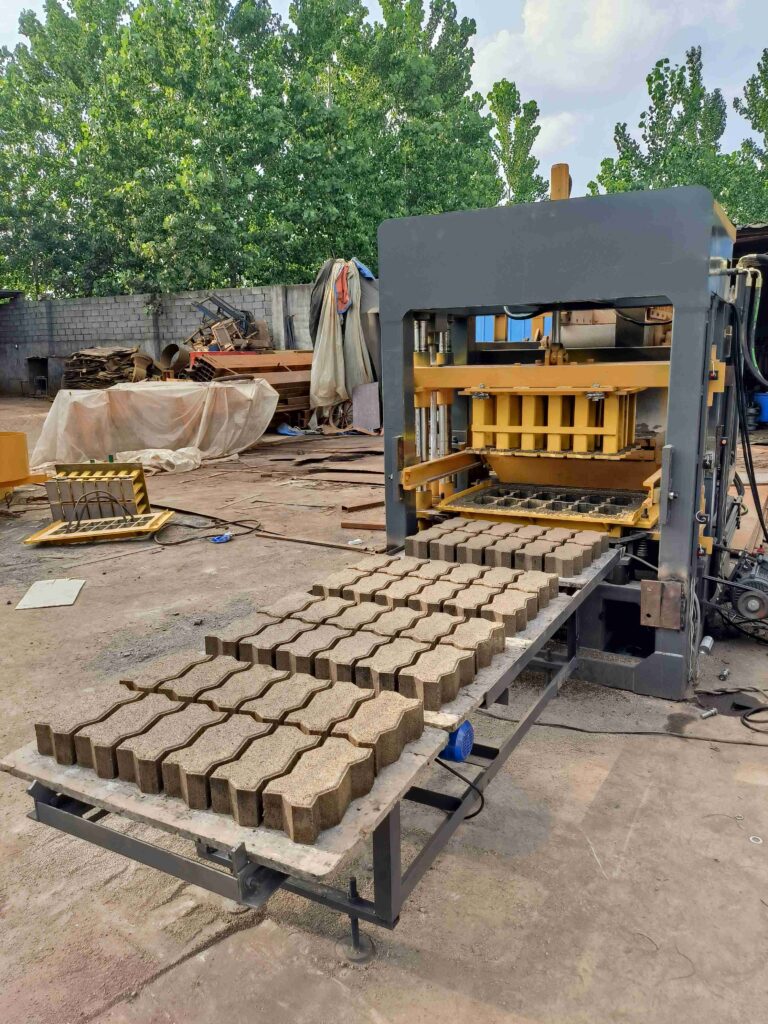
รายการราคาเครื่องทำอิฐ: คู่มือฉบับสมบูรณ์สำหรับพันธมิตรธุรกิจสู่ธุรกิจ
1. บทนำ
สำหรับผู้จัดจำหน่าย ผู้แจกจ่าย และผู้ซื้อที่ดำเนินงานในภาคเครื่องจักรก่อสร้าง การทำความเข้าใจโครงสร้างราคาของเครื่องทำอิฐเป็นขั้นตอนสำคัญในการปรับกลยุทธ์การจัดซื้อให้เหมาะสม เพิ่มอัตรากำไรสูงสุด และตอบสนองความต้องการของลูกค้า เครื่องทำอิฐ ซึ่งเป็นอุปกรณ์สำคัญสำหรับการผลิตอิฐประเภทต่างๆ (รวมถึงอิฐดินเผา อิฐคอนกรีต อิฐบล็อก และอิฐต่อเชื่อม) มีราคาที่แตกต่างกันอย่างมากเนื่องจากปัจจัยหลายประการ ได้แก่ คุณสมบัติทางเทคนิค ความสามารถในการผลิต ระดับระบบอัตโนมัติ คุณภาพวัสดุ และการสนับสนุนหลังการขาย
เนื้อหาหลัก
2.1 ปัจจัยสำคัญที่มีอิทธิพลต่อราคาเครื่องทำอิฐ
ราคาของเครื่องทำอิฐไม่ได้ถูกกำหนดขึ้นมาอย่างไร้เหตุผล แต่เกิดจากปัจจัยที่ซับซ้อนทั้งด้านเทคนิค การทำงาน และปัจจัยทางตลาด สำหรับพันธมิตรทางธุรกิจ การทำความเข้าใจตัวแปรเหล่านี้เป็นสิ่งสำคัญในการต่อรองข้อตกลงที่ดี อธิบายจุดราคาให้ลูกค้าเข้าใจ และเลือกเครื่องจักรที่ให้มูลค่าคุ้มค่าที่สุด
2.1.1 กำลังการผลิต
Production capacity is one of the most significant determinants of price. Machines are typically categorized by their hourly or daily output, measured in number of bricks. Small-scale machines, designed for small workshops or local construction projects, usually produce 1,000–5,000 bricks per hour, with prices ranging from \(5,000 to \)20,000. These machines are ideal for distributors targeting small to medium-sized construction firms or rural markets where demand is moderate.
Medium-scale machines, with an output of 5,000–15,000 bricks per hour, cater to larger construction projects, such as residential complexes, roads, and commercial buildings. Their prices fall between \(20,000 and \)60,000, reflecting enhanced structural durability, more powerful motors, and improved brick molding precision. For distributors serving regional construction hubs or government infrastructure projects, medium-scale machines offer a balance between capacity and cost.
Large-scale machines, producing 15,000–50,000 bricks per hour or more, are engineered for industrial-grade production. These machines feature fully automated production lines, including raw material feeding, mixing, molding, curing, and stacking systems. Prices for large-scale models range from \(60,000 to \)200,000 or higher, depending on customization options (e.g., multi-brick type production, energy-saving features, or integration with smart monitoring systems). Purchasers supplying to large construction conglomerates or international markets often prioritize these high-capacity machines for their efficiency and scalability.
2.1.2 ระดับการทำงานอัตโนมัติ
ระดับของระบบอัตโนมัติส่งผลกระทบโดยตรงต่อทั้งราคาและประสิทธิภาพการทำงานของเครื่องผลิตอิฐ เครื่องแบบใช้มือและกึ่งอัตโนมัติมีราคาที่จับต้องได้มากกว่า แต่ต้องการแรงงานในการป้อนข้อมูลมากขึ้น ในขณะที่รุ่นอัตโนมัติเต็มรูปแบบมีราคาสูงกว่า แต่ช่วยลดต้นทุนการดำเนินงานในระยะยาว
Manual brick making machines are the most budget-friendly option, with prices starting as low as \(1,000–\)5,000. These machines rely on human labor for raw material mixing, feeding, and brick extraction, making them suitable for small-scale operations in areas with low labor costs. However, their low production efficiency (usually 200–1,000 bricks per hour) and higher error rates limit their appeal for large orders. Distributors targeting micro-enterprises or rural construction markets may find manual machines a viable entry-level product.
Semi-automatic machines strike a balance between cost and efficiency, with prices ranging from \(5,000 to \)30,000. They automate key processes such as mixing and molding, while requiring manual labor for feeding raw materials and stacking finished bricks. Semi-automatic models offer an output of 1,000–8,000 bricks per hour and are popular among distributors serving small to medium construction firms that seek to reduce labor costs without investing in fully automated systems. Their versatility—ability to produce multiple brick types with minimal adjustments—also adds to their market appeal.
Fully automatic brick making machines represent the high-end segment, with prices from \(30,000 to \)200,000+. These machines integrate advanced technologies such as PLC (Programmable Logic Controller) systems, touchscreen interfaces, and sensor-based quality control. They can operate 24/7 with minimal human intervention, reducing labor costs by 50–80% compared to manual or semi-automatic models. Fully automatic machines also ensure consistent brick quality, lower material waste (typically 3–5% vs. 10–15% for manual models), and faster production cycles. For distributors and purchasers focusing on large-scale projects or clients with strict quality standards, fully automatic machines are a premium offering that justifies their higher price through long-term savings and reliability.
2.1.3 วัสดุและคุณภาพการประกอบ
ความทนทานและประสิทธิภาพของเครื่องทำอิฐขึ้นอยู่กับวัสดุที่ใช้ในการผลิตเป็นหลัก เครื่องจักรที่ผลิตจากเหล็กคุณภาพสูง เหล็กหล่อ และชิ้นส่วนที่ทนต่อการสึกหรอมักจะมีอายุการใช้งานยาวนานกว่า (5–10 ปี เทียบกับ 2–3 ปีสำหรับรุ่นคุณภาพต่ำ) และต้องการการบำรุงรักษาน้อยกว่า ส่งผลให้มีราคาเริ่มต้นที่สูงกว่า แต่มีต้นทุนรวมในการเป็นเจ้าของที่ต่ำกว่า
วัสดุที่ใช้ทำโครงและโครงสร้างมีความสำคัญอย่างยิ่งในการทนต่อแรงดันสูงและการสั่นสะเทือนระหว่างการขึ้นรูปอิฐ เครื่องจักรที่มีโครงเหล็กหนัก (ความหนา 8–12 มม.) และห้องขึ้นรูปที่เสริมด้วยเหล็กหล่อ มีราคาสูงกว่าเครื่องจักรที่มีโครงเหล็กเบา (4–6 มม.) หรือโครงอะลูมิเนียม 20–30% แม่พิมพ์ขึ้นรูปซึ่งเป็นส่วนที่กำหนดรูปทรงของอิฐโดยตรง เป็นองค์ประกอบสำคัญอีกอย่างหนึ่ง: แม่พิมพ์ที่ทำจากเหล็กชุบแข็งหรือทังสเตนคาร์ไบด์มีราคาสูงกว่า แต่สามารถผลิตอิฐได้ 100,000–500,000 ก้อนก่อนที่จะต้องเปลี่ยนใหม่ ในขณะที่แม่พิมพ์เหล็กทั่วไปผลิตได้เพียง 10,000–50,000 ก้อน
ส่วนประกอบอื่นๆ เช่น มอเตอร์ ระบบไฮดรอลิก และสายพานลำเลียง ก็มีผลต่อราคาเช่นกัน มอเตอร์ประสิทธิภาพสูง (ระดับ IE3 หรือ IE4) ช่วยลดการใช้พลังงานได้ 15–25% และมีระยะเวลารับประกันที่ยาวนานขึ้น (2–5 ปี) ส่งผลให้มีต้นทุนเริ่มต้นสูงขึ้น แต่ค่าใช้จ่ายในการดำเนินงานต่ำลง ระบบไฮดรอลิกจากผู้ผลิตที่มีชื่อเสียง (ที่มีระดับแรงดัน 16–32 MPa) ช่วยให้การทำงานราบรื่นและรอบเวลาเร็วขึ้น ซึ่งเป็นเหตุผลที่ทำให้ราคาสูงขึ้น
สำหรับพันธมิตร B2B การเน้นย้ำถึงคุณภาพการผลิตเป็นจุดขายที่สำคัญ เนื่องจากลูกค้ามักยินดีจ่ายเพิ่มสำหรับเครื่องจักรที่ช่วยลดระยะเวลาหยุดทำงานและค่าใช้จ่ายในการบำรุงรักษา ผู้จัดจำหน่ายควรพิจารณาถึงความพร้อมของอะไหล่ทดแทนด้วย เนื่องจากเครื่องจักรที่มีชิ้นส่วนมาตรฐานจะซ่อมบำรุงได้ง่ายกว่าและมีต้นทุนระยะยาวที่ต่ำกว่า
2.1.4 ประเภทของอิฐและการปรับแต่ง
เครื่องจักรผลิตอิฐได้รับการออกแบบให้ผลิตอิฐประเภทเฉพาะ และราคาจะแตกต่างกันไปตามความซับซ้อนของกระบวนการขึ้นรูป เครื่องจักรมาตรฐานสำหรับผลิตอิฐดินเหนียวแข็งหรือบล็อกคอนกรีตมีราคาย่อมเยากว่า ในขณะที่เครื่องจักรสำหรับอิฐประสาน อิฐกลวง หรืออิฐรูปทรงพิเศษ (เช่น หินปูพื้น ขอบถนน) จะมีราคาสูงกว่าเนื่องจากแม่พิมพ์และกระบวนการผลิตที่เฉพาะทาง
Standard brick machines (for solid bricks) range from \(5,000 to \)60,000, depending on capacity and automation. These machines use simple molds and straightforward compression or extrusion processes, making them suitable for general construction purposes. Interlocking brick machines, which produce bricks with interlocking edges for easier installation, cost \(10,000–\)80,000. The molds for interlocking bricks are more complex, requiring precise engineering to ensure a tight fit, and the production process may involve additional steps such as surface texturing or color coating.
Hollow brick machines, which produce bricks with hollow cores to reduce weight and improve insulation, range from \(15,000 to \)100,000. These machines require higher pressure (20–32 MPa) to ensure structural integrity, and the molds must be designed to prevent collapse during production. Special-shaped brick machines, which can produce custom designs based on client specifications, are the most expensive, with prices starting at \(50,000 and going up to \)200,000+. These machines often require custom molds (costing \(2,000–\)10,000 each) and may involve additional processes such as vibration molding or steam curing.
Customization options also impact price. For example, adding a color mixing system to produce colored bricks can increase the machine price by 10–20%, while integrating a curing chamber (to accelerate brick hardening) can add \(5,000–\)20,000. Distributors and purchasers should assess market demand for specific brick types in their target regions and offer customization options that align with client needs—even if it means higher initial costs, as specialized machines often have higher profit margins.
2.1.5 การสนับสนุนหลังการขายและการรับประกัน
การสนับสนุนหลังการขายเป็นปัจจัยสำคัญสำหรับพันธมิตรในกลุ่มธุรกิจกับธุรกิจ เนื่องจากลูกค้าคาดหวังบริการที่เชื่อถือได้เพื่อลดระยะเวลาหยุดทำงาน เครื่องจักรที่มีความคุ้มครองการรับประกันที่ครอบคลุมและบริการหลังการขายที่เข้าถึงได้มักจะมีราคาที่สูงกว่า แต่ก็ช่วยลดความเสี่ยงของความไม่พอใจของลูกค้าและการส่งคืนสินค้า
ระยะเวลาการรับประกันโดยทั่วไปอยู่ที่ 1-5 ปี โดยราคาจะเพิ่มขึ้น 5-15% สำหรับการขยายระยะเวลาคุ้มครองในแต่ละปี การรับประกันพื้นฐานมักครอบคลุมชิ้นส่วนกลไก (มอเตอร์ ระบบไฮดรอลิก) แต่ยกเว้นชิ้นส่วนที่สึกหรอ (แม่พิมพ์ สายพานลำเลียง) การรับประกันเพิ่มเติมที่รวมค่าแรงและชิ้นส่วนอะไหล่อาจเพิ่มต้นทุนเครื่องจักร 10-20% แต่ช่วยให้ลูกค้ามั่นใจได้ยิ่งขึ้น
After-sales services such as technical training, on-site installation, and 24/7 customer support also influence pricing. Manufacturers that offer free on-site installation and training (valued at \(1,000–\)5,000) often include these costs in the machine price, while those that charge for these services may offer lower upfront prices but higher long-term costs for clients. For distributors, partnering with manufacturers that provide robust after-sales support can enhance their reputation and reduce the burden of handling customer complaints.
2.2 ช่วงราคาตามประเภทเครื่องจักรและการใช้งาน
เพื่อช่วยให้พันธมิตร B2B สามารถนำทางตลาดได้ เราได้รวบรวมรายละเอียดราคาเครื่องจักรทำอิฐตามประเภทเครื่องจักร กำลังการผลิต และการใช้งานไว้อย่างละเอียด ส่วนนี้ให้จุดอ้างอิงที่ใช้งานได้จริงสำหรับกลยุทธ์การกำหนดราคา การเจรจาการจัดซื้อ และการให้คำปรึกษาลูกค้า
2.2.1 เครื่องจักรทำอิฐขนาดเล็ก (กำลังผลิต: 1,000–5,000 ก้อน/ชั่วโมง)
- เครื่องจักรแบบใช้มือ: \(1,000–\)5,000. Suitable for micro-enterprises, rural construction, or emergency projects. Key features: simple structure, low power consumption (1–3 kW), and easy operation. Limitations: low efficiency, high labor requirements, and limited brick quality consistency.
- เครื่องจักรกึ่งอัตโนมัติ: \(5,000–\)20,000. Ideal for small construction firms, local distributors, or projects with moderate demand. Key features: automated mixing and molding, output of 1,000–5,000 bricks/hour, power consumption of 3–10 kW, and compatibility with multiple raw materials (clay, concrete, sand).
- Applications: Residential houses, small commercial buildings, garden pathways, and rural infrastructure projects. Distributors targeting price-sensitive markets or first-time buyers often prioritize small-scale machines due to their low entry cost.
2.2.2 Medium-Scale Brick Making Machines (Output: 5,000–15,000 Bricks/Hour)
- เครื่องจักรกึ่งอัตโนมัติ: \(20,000–\)40,000. Key features: enhanced production capacity, improved mold precision, power consumption of 10–20 kW, and semi-automatic stacking systems. Suitable for regional construction projects, medium-sized building firms, or distributors serving multiple small clients.
- เครื่องจักรอัตโนมัติเต็มรูปแบบ: \(40,000–\)60,000. Key features: PLC control systems, automatic raw material feeding, molding, and curing, output of 8,000–15,000 bricks/hour, power consumption of 20–30 kW, and brick quality consistency (error rate Applications: Residential complexes, schools, hospitals, roads, and government-funded infrastructure projects. Medium-scale machines are popular among distributors operating in urban or suburban areas, where demand for bricks is higher and clients value efficiency and quality.
2.2.3 Large-Scale Brick Making Machines (Output: 15,000–50,000+ Bricks/Hour)
- Fully Automatic Production Lines: \(60,000–\)200,000+. Key features: integrated production systems (mixing, molding, curing, stacking, packaging), output of 15,000–50,000+ bricks/hour, power consumption of 30–100 kW, energy-saving technologies (e.g., solar-powered curing chambers), and smart monitoring (remote operation and maintenance alerts).
- Customized Industrial Machines: \(150,000–\)500,000+. Designed for specialized applications, such as high-strength engineering bricks, fire-resistant bricks, or large-format paving stones. Key features: custom molds, high-pressure molding (32–64 MPa), advanced material processing systems, and compliance with international quality standards (e.g., ISO, ASTM).
- Applications: Large construction projects (skyscrapers, highways, bridges), industrial zones, and export markets. Purchasers supplying to multinational construction companies or government mega-projects often invest in large-scale machines for their scalability and ability to meet strict delivery deadlines.
2.3 Cost-Benefit Analysis for B2B Partners
For distributors, distributors, and purchasers, evaluating the cost-benefit ratio of brick making machines is crucial to maximizing profitability. A lower upfront price may not always translate to better value, as factors such as operational costs, maintenance expenses, and resale value also impact long-term returns.
2.3.1 Upfront Cost vs. Operational Cost
Manual and semi-automatic machines have lower upfront prices but higher operational costs due to labor and material waste. For example, a manual machine costing \(3,000 may require 2–3 workers (at \)10–\(15 per hour) to produce 500 bricks/hour, resulting in a labor cost of \)0.04–\(0.09 per brick. In contrast, a fully automatic machine costing \)50,000 may require only 1 worker to monitor production, producing 10,000 bricks/hour with a labor cost of \(0.001–\)0.0015 per brick. Over a year of operation (2,000 hours), the manual machine’s labor cost totals \(40,000–\)90,000, while the fully automatic machine’s labor cost is \(2,000–\)3,000—offsetting the higher upfront price.
Material waste is another key factor. Manual machines have a waste rate of 10–15%, while fully automatic machines reduce waste to 3–5%. For a project requiring 1 million bricks, a manual machine would waste 100,000–150,000 bricks (costing \(5,000–\)7,500 in raw materials), while a fully automatic machine would waste only 30,000–50,000 bricks (costing \(1,500–\)2,500). Over time, these savings can significantly impact profit margins.
2.3.2 Maintenance and Downtime Costs
Low-quality machines may have lower upfront prices but higher maintenance costs and longer downtime. For example, a cheap semi-automatic machine costing \(10,000 may require monthly maintenance (costing \)500–\(1,000) and experience 10–15 days of downtime per year (resulting in lost revenue of \)5,000–\(10,000). In contrast, a high-quality machine costing \)25,000 may require quarterly maintenance (costing \(300–\)600) and have only 2–3 days of downtime per year (lost revenue of \(1,000–\)2,000). Over a 5-year lifespan, the total maintenance and downtime cost of the cheap machine is \(25,000–\)50,000, while the high-quality machine’s cost is \(6,000–\)12,000—making the latter a more cost-effective choice.
Distributors should also consider the availability of replacement parts. Machines with standardized components are easier to repair, as parts can be sourced locally or online at lower costs. Machines with proprietary components may require ordering parts directly from the manufacturer, leading to longer downtime and higher costs.
2.3.3 Resale Value and Scalability
High-quality brick making machines retain their value better than low-quality models. A well-maintained fully automatic machine can be resold for 40–60% of its original price after 5 years, while a low-quality machine may have a resale value of only 10–20%. For purchasers who plan to upgrade their equipment or expand their operations, a machine with good resale value reduces the financial risk of investment.
Scalability is another important consideration. Medium and large-scale machines often allow for capacity upgrades (e.g., adding additional molds, increasing motor power, or integrating new production modules) without replacing the entire machine. This flexibility enables B2B partners to adapt to changing market demand and client needs, maximizing the return on investment.