
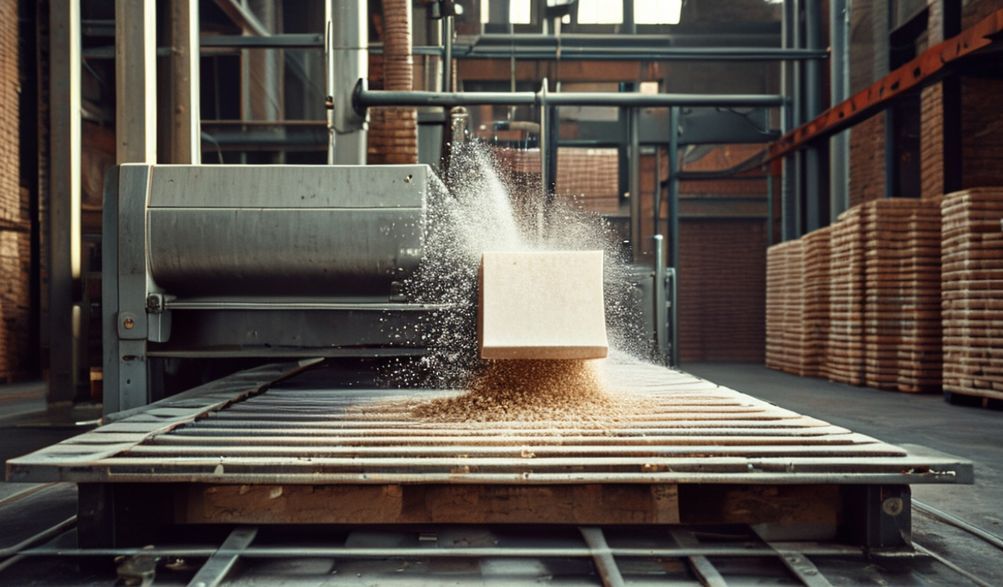
ปฏิวัติการผลิตอิฐ: เครื่องพิมพ์บล็อกที่โรงงานผลิตอิฐฟู่ต้า
เป็นเวลาหลายศตวรรษ อุตสาหกรรมการก่อสร้างได้เผชิญกับความท้าทายพื้นฐานอย่างหนึ่ง นั่นคือการหาวัสดุอิฐที่มีคุณภาพสูง ราคาไม่แพง และมีคุณภาพสม่ำเสมอ ปัญหาด้านขนาดที่ไม่คงที่ ความแข็งแรงที่แปรผัน และกระบวนการผลิตที่ใช้แรงงานเข้มข้น ได้สร้างความยุ่งยากให้กับโครงการก่อสร้าง ส่งผลให้เกิดความล่าช้า ต้นทุนบานปลาย และความแข็งแรงของโครงสร้างที่ลดลง ในปัจจุบัน มีโซลูชันทางเทคโนโลยีที่กำลังปรับเปลี่ยนภูมิทัศน์ของการผลิตอิฐ นั่นคือเครื่องพิมพ์บล็อก
ในแนวหน้าของวิวัฒนาการอุตสาหกรรมนี้คือ โรงงานผลิตอิฐฟูด้า ซึ่งได้รับการยอมรับในฐานะผู้นำในอุตสาหกรรม โดยฟูด้าสร้างชื่อเสียงจากความมุ่งมั่นแน่วแน่ในการนำเทคโนโลยีขั้นสูงมาใช้ ไม่ใช่เพียงเพื่อการอัปเกรด แต่เป็นปรัชญาหลักเพื่อขับเคลื่อนประสิทธิภาพ ยกระดับคุณภาพผลิตภัณฑ์ และตอบสนองความต้องการมหาศาลของการก่อสร้างสมัยใหม่
บทความนี้ให้การสำรวจเชิงลึกเกี่ยวกับเครื่องพิมพ์บล็อกที่ใช้งานในฟูดา เราจะแยกแยะการทำงานของมัน วัดผลประโยชน์ที่จับต้องได้ และแสดงให้เห็นว่ามันเป็นตัวแทนของมาตรฐานทองคำในการผลิตอิฐที่ทันสมัยและเชื่อถือได้อย่างไร ด้วยการใช้ข้อมูลเชิงลึกที่อิงตามแนวปฏิบัติในอุตสาหกรรมและข้อมูลจำเพาะทางเทคนิค คู่มือนี้ทำหน้าที่เป็นแหล่งข้อมูลที่น่าเชื่อถือสำหรับผู้สร้าง ผู้รับเหมา นักพัฒนา และผู้เชี่ยวชาญด้านการผลิตที่ต้องการเข้าใจเครื่องจักรที่สร้างโลกของเรา
เครื่องพิมพ์บล็อกคืออะไร? อธิบายเทคโนโลยีหลัก
เพื่อให้เข้าใจถึงผลกระทบของมัน เราต้องทำความเข้าใจเครื่องจักรนั้นเสียก่อน ในบริบทของการทำอิฐ คำว่า "การพิมพ์บล็อก" นั้นก้าวข้ามความเกี่ยวข้องกับสิ่งทอไปแล้ว ที่นี่ มันหมายถึงกระบวนการอันซับซ้อนของการหล่อแบบแม่นยำและการอัดแน่นความหนาแน่นสูง ซึ่งวัสดุดิบจะถูก "พิมพ์" ให้กลายเป็นอิฐที่มีรูปร่างสมบูรณ์แบบและสม่ำเสมออย่างน่าทึ่ง
การกำหนดกระบวนการพิมพ์บล็อกในการผลิตอิฐ
กระบวนการพิมพ์บล็อกเป็นวิธีการผลิตอิฐหรือบล็อกคอนกรีตโดยใช้เครื่องจักรที่ใช้การอัดแรงดันสูงภายในแม่พิมพ์แข็งหรือ "ดาย" วัสดุตั้งต้นที่วัดปริมาณอย่างแม่นยำ—ซึ่งโดยทั่วไปคือส่วนผสมคอนกรีตชื้น (ปูนซีเมนต์ ทราย มวลรวม) หรือดินที่ผ่านการปรับเสถียร—จะถูกป้อนเข้าไปในห้อง จากนั้นลูกสูบไฮดรอลิกหรือกลไกจะออกแรงกดมหาศาล อัดวัสดุให้เป็นรูปทรงของแม่พิมพ์ การกระทำนี้ไม่เพียงแต่ก่อรูปบล็อก แต่ยังอัดอนุภาคให้แน่น ซึ่งมีความสำคัญต่อความแข็งแรงของผลิตภัณฑ์สำเร็จรูป บล็อกที่เพิ่งขึ้นรูปจะถูกปล่อยออกมาบนพาเลท พร้อมสำหรับการบ่ม
ส่วนประกอบหลักของเครื่องพิมพ์บล็อกสมัยใหม่
เครื่องพิมพ์บล็อกสมัยใหม่เป็นระบบที่ผสานองค์ประกอบสำคัญหลายส่วนเข้าด้วยกัน
- ระบบฮอปเปอร์และฟีดเดอร์นี่คือจุดเริ่มต้น ถังเก็บส่วนผสมวัตถุดิบ และระบบป้อนซึ่งมักจะเป็นสายพานหรือเครื่องกวน จะช่วยให้การไหลเข้าสู่ห้องขึ้นรูปมีความสม่ำเสมอและควบคุมได้
- ห้องขึ้นรูปแม่พิมพ์และแม่พิมพ์หัวใจของเครื่องจักร ห้องนี้บรรจุแม่พิมพ์เหล็กที่เปลี่ยนได้ซึ่งกำหนดรูปร่างและขนาดของอิฐ ที่ FUDA มีคลังแม่พิมพ์ที่ทำให้สามารถผลิตอิฐได้หลายประเภท
- บล็อกแข็งสำหรับผนังรับน้ำหนักสูงสุด
- บล็อกคอนกรีตมวลเบา:เบากว่า มีคุณสมบัติในการเป็นฉนวนที่ดีกว่า
- อิฐประสาน:ออกแบบให้สามารถประกอบเข้ากันได้โดยไม่ต้องใช้ปูน ช่วยเร่งกระบวนการก่อสร้าง
- แผ่นทางเดินและบล็อกตกแต่งสำหรับการจัดสวนและการใช้งานด้านความงาม
- ระบบอัดไฮดรอลิกหรือระบบอัดเชิงกลสิ่งนี้ให้แรงขับ ระบบไฮดรอลิกได้รับการยกย่องในเรื่องความนุ่มนวล การควบคุมได้ง่าย และความดันมหาศาล ซึ่งสามารถปรับเทียบได้อย่างแม่นยำสำหรับส่วนผสมวัสดุที่แตกต่างกันและความหนาแน่นของอิฐที่ต้องการ
- ระบบการปลดและจัดวางพาเลทเมื่ออัดแน่นแล้ว ระบบจะค่อยๆ ดันก้อนบล็อกสีเขียว (ที่ยังไม่ได้บ่ม) ออกมาวางบนพาเลทหรือแผ่นเหล็ก โดยมักจะมีเครื่องสแต็กอัตโนมัติทำการเรียงบล็อกหลายๆ ก้อนซ้อนกันบนพาเลทเดียว เพื่อให้เคลื่อนย้ายไปยังพื้นที่บ่มได้อย่างมีประสิทธิภาพ
Block Print Machine vs. Traditional Brick Making Methods
The contrast with older methods is stark:
- การหล่อด้วยมือ Relies entirely on skilled labor, resulting in significant variations in size, density, and finish. Output is low, and the process is physically demanding.
- เครื่องรีดขึ้นรูป: These machines force material through a die to form a continuous column, which is then cut into bricks. While faster than manual methods, extrusion can sometimes produce bricks with less uniform density compared to the direct, omnidirectional pressure of a block print machine.
- The Block Print Advantage: It combines high automation with precision engineering. Every cycle produces a brick with near-identical dimensions and density. It dramatically reduces labor dependency, increases output exponentially, and ensures a product that meets strict engineering specifications.
Inside the FUDA Brick Making Factory: A Case Study in Efficiency
FUDA Brick Making Factory operates as a living testament to the power of strategic technological investment. Their facility is not just a collection of machines; it’s a synchronized ecosystem designed for peak performance.
FUDA’s Commitment to Technological Investment
FUDA’s philosophy is clear: consistency and scale are non-negotiable for serving large-scale commercial, industrial, and infrastructure projects. They view machinery like the block print machine not as an expense, but as the foundational investment for customer trust. By automating the core forming process, they eliminate human error from the equation, ensuring that every brick bearing the FUDA name meets an unwavering standard.
Integration into the Production Line
The block print machine is the pivotal component in a streamlined workflow:
- การเตรียมวัตถุดิบ Carefully selected sand, aggregate, and cement are batched and mixed with precise water content to achieve the optimal consistency for compaction.
- การให้อาหาร The homogeneous mix is conveyed to the block print machine’s hopper.
- Printing/Compaction: The machine cycles automatically—filling, compacting, and ejecting bricks at a rapid, consistent pace.
- การบ่ม Pallets of green blocks are moved to a controlled curing chamber, where heat and humidity are managed to allow the cement to hydrate fully, achieving its designed strength.
- Drying & Stacking: After curing, bricks are dried and then automatically stacked or packaged for shipment.
Quality Control and Output Specifications
This integrated system allows FUDA to enforce rigorous quality control. Bricks produced by their block print machines are characterized by:
- ความแม่นยำเชิงมิติ Tolerances within ±1-2mm, ensuring straight walls and simplified bricklaying.
- ความต้านทานแรงอัดสูง The high-pressure compaction results in densities often exceeding 1500 kg/m³, with compressive strength reliably meeting or exceeding standards like IS 2185 (Part 1) for concrete blocks or relevant ASTM standards.
- ความสม่ำเสมอ Consistent color, texture, and weight across the entire production batch.
Top Advantages of Using a Block Print Machine for Brick Manufacturing
The adoption of block print technology delivers a compelling array of benefits that directly address the core challenges of construction.
Unmatched Product Consistency and Quality
This is the paramount advantage. Automated, cycle-after-cycle compression guarantees that every single brick has identical size, shape, and density. For architects, engineers, and masons, this consistency translates to predictable material usage, smoother construction processes, and structurally sound results.
High Production Speed and Scalability
While manual methods might produce a few hundred bricks per day, a single modern block print machine can produce 2,000 to 5,000 bricks per hour. This scalability is essential for FUDA to fulfill large orders and meet tight project deadlines without compromising on quality.
Significant Reduction in Labor Costs and Physical Strain
The machine shifts the role of personnel from strenuous manual labor to skilled machine operation, monitoring, and maintenance supervision. This improves worker safety, reduces long-term physical strain, and optimizes labor costs for the factory.
Material Efficiency and Waste Reduction
The precision feeding and molding process minimizes spillage and overuse. Furthermore, because the bricks are so consistent, the rejection rate due to defects plummets. This leads to direct cost savings on raw materials and promotes more sustainable manufacturing practices.
Versatility in Brick Design and Type
With a simple change of the mold die, the same block print machine can switch production from standard solid blocks to decorative pavers or interlocking landscaping bricks. This flexibility allows a factory like FUDA to cater to diverse market segments without capital investment in multiple dedicated production lines.
Key Considerations When Operating a Block Print Machine
Maximizing the return on this advanced technology requires attention to several operational factors.
Raw Material Preparation is Crucial
The block print machine is a precision tool, and its performance is directly tied to its input. Critical factors include:
* Proper Grading: Well-graded aggregates ensure optimal packing and strength.
* Accurate Ratios: Cement-sand-aggregate ratios must be strictly followed.
* Moisture Content: This is vital. Too dry, and the brick won’t compact properly; too wet, and it may deform upon ejection. FUDA’s automated batching systems meticulously control this variable.
Machine Maintenance for Longevity
Preventive maintenance is key to avoiding costly downtime. A basic schedule includes:
* Daily: Cleaning of the mold, hopper, and feed system; checking hydraulic fluid levels and for leaks.
* Weekly: Inspecting and tightening bolts, checking wear parts like mold liners and ram seals.
* Monthly/Annually: More thorough inspections, hydraulic fluid analysis and changes, and replacement of high-wear components as per the manufacturer’s manual.
Operator Training and Safety Protocols
A well-trained operator is the most important safety and efficiency feature. Training should cover:
* Machine startup/shutdown procedures.
* Safe operation, including lockout/tagout protocols.
* Basic troubleshooting and identification of common issues.
* Understanding the relationship between material input and machine output.
FAQ: Your Questions About Block Print Machines and FUDA Answered
Q1: What types of bricks can a block print machine at a factory like FUDA produce?
ก FUDA’s machines, through interchangeable molds, can produce a wide range, including: Solid Concrete Blocks (for foundations, load-bearing walls), Hollow Blocks (for partition walls, offering thermal/acoustic benefits), Paving Stones (for driveways, walkways), and Interlocking Bricks (for retaining walls, quick-assembly structures).
Q2: How does the block print process affect the final strength of the brick?
ก The high-pressure compaction (often measured in tons per square inch) forces particles closer together, eliminating voids and air pockets. This dense microstructure directly translates to higher compressive strength, making block-printed bricks ideal for structural applications.
Q3: Is the block print machine suitable for small-scale or startup brick yards?
ก The significant initial investment makes it most suitable for medium to large-scale production like FUDA’s. For small yards, the volume may not justify the cost. The decision hinges on a long-term ROI calculation, balancing capital expenditure against labor savings, material efficiency, and the ability to command a premium for consistent, high-quality products.
Q4: Can FUDA’s block print machines use recycled materials?
ก Yes, absolutely. Many modern block print machines are compatible with mixes incorporating industrial by-products like เถ้าลอย (a pozzolan) or crushed recycled concrete as partial aggregate replacements. This aligns with global trends toward sustainable construction and can improve certain properties of the final block.
Q5: How does FUDA ensure the reliability of its brick-making machinery?
ก FUDA employs a multi-pronged approach: 1) Procurement: Sourcing robust machines from reputable manufacturers known for durability. 2) การบำรุงรักษาเชิงป้องกัน Adhering to a strict, scheduled maintenance regimen. 3) ความเชี่ยวชาญทางเทคนิค Employing trained in-house technicians and maintaining relationships with equipment suppliers for specialized support. 4) Quality Inputs: Using high-grade components and raw materials to reduce machine wear.
สรุป
The block print machine has unequivocally established itself as a cornerstone of efficient, high-quality brick production. As demonstrated by industry leaders like the FUDA Brick Making Factory, this technology is the bridge between raw material and reliable building component, ensuring consistency, strength, and scalability that manual or semi-automated methods cannot match.
Looking ahead, the evolution continues. We can expect further integration of the Internet of Things (IoT) for real-time machine monitoring and predictive maintenance, even greater automation in material handling, and continued innovation in sustainable material recipes for block printing.
For construction professionals, the lesson is clear: the integrity of a project begins with the quality of its most basic materials. Investing in—or sourcing from—manufacturers who utilize proven, precision technology like the block print machine is not just a procurement decision; it is a fundamental risk mitigation strategy. It ensures that the foundations of our buildings, homes, and infrastructure are as reliable as the engineering that designs them.
Call to Action: For your next project, specify machine-pressed, block-printed bricks to guarantee dimensional consistency and structural performance. When evaluating suppliers, prioritize those who, like FUDA, invest in advanced manufacturing technology—it is the most reliable indicator of a commitment to quality that will stand the test of time.
<