
The Complete Guide to Brick Laying Machines in Australia: Spotlight on FUDA Brick Making Factory
Introduction
The Australian construction industry is at a crossroads. From the booming infrastructure projects in our capital cities to the relentless demand for new housing estates, builders and contractors face a perfect storm: escalating labour costs, chronic skilled trade shortages, and immense pressure to deliver projects faster without compromising on quality. In this challenging landscape, the traditional methods of bricklaying and brick manufacturing are being rigorously re-evaluated.
Enter mechanisation. The integration of automated machinery is no longer a futuristic concept but a practical, ROI-driven solution for forward-thinking businesses. This comprehensive guide is designed to cut through the noise. Based on an analysis of the local construction market, machinery specifications, and global manufacturing trends, we will demystify the world of automated brick technology.
Specifically, we will place a spotlight on the offerings of the FUDA Brick Making Factory, a prominent name in global construction machinery. Whether you are a project manager for a tier-one contractor, the owner of a growing brick supply business, or a developer looking to vertically integrate, this post will equip you with the knowledge to understand the available machinery, critically evaluate manufacturers like FUDA, and make an informed, strategic decision for your Australian operations. Crucially, we will underscore the non-negotiable importance of selecting machinery that is reliable, compliant with Australian Standards (AS/NZS), and backed by robust local support.
Understanding Brick Laying and Making Machinery for the Australian Market
Before investing, it’s vital to understand the distinct technologies at play. Confusion between machine types can lead to costly missteps.
Brick Laying Machines vs. Brick Making Machines: Clarifying the Key Difference
This is the most fundamental distinction in this sector.
- Brick Laying Machines: Often called robotic masons or bricklaying robots, these are on-site placement systems. Think of them as highly sophisticated, programmable arms that pick up bricks, apply mortar, and place them with millimetre precision on a wall. Examples include the SAM (Semi-Automated Mason) robot or the technology developed by Australia’s own FBR (Fastbrick Robotics). Their primary function is construction assembly.
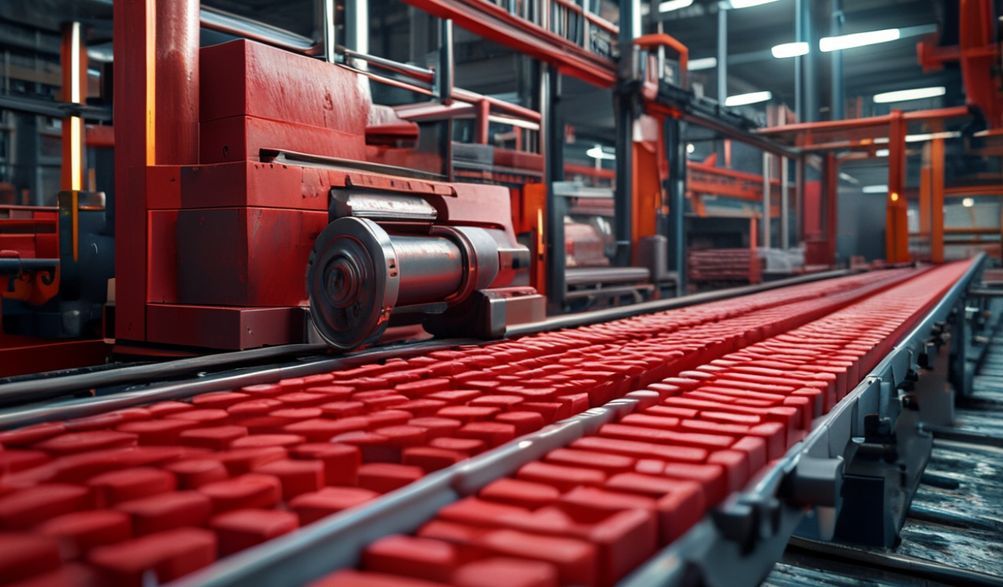
- Brick Making Machines: These are manufacturing plants. They take raw materials—such as clay, concrete, fly ash, or sand—and transform them into finished bricks, blocks, or pavers through processes of mixing, moulding, pressing, and curing. This is the core business of manufacturers like the FUDA Brick Making Factory.
The search term “brick laying machine australia-FUDA brick making factory” interestingly blends both concepts. It likely reflects a user researching the broader ecosystem of brick automation, with a specific interest in FUDA’s manufacturing equipment. This guide will cover the broader context but focus significantly on brick making machinery, which is FUDA’s specialty.
Why Mechanisation is Gaining Traction in Australia
The shift towards machinery is driven by tangible, local challenges and opportunities:
- Skilled Labour Shortages: The scarcity of qualified bricklayers and plant operators is a nationwide issue, leading to project delays and inflated wage bills.
- Demand for Scale and Efficiency: Large-scale projects like suburban developments, commercial complexes, and government infrastructure require a consistent, high-volume output of materials that manual methods struggle to meet cost-effectively.
- Precision and Consistency: Machines eliminate human variance. A high-quality brick making machine produces blocks with identical dimensions and compressive strength, which is critical for structural integrity and streamlined construction.
- Long-Term Financial Logic (ROI): While the capital outlay is significant, the return on investment is calculated over years. Mechanisation reduces long-term labour dependency, lowers per-unit production costs at high volumes, and mitigates the risk of project overruns.
Deep Dive: Evaluating FUDA Brick Making Factory Machinery
For an Australian business considering an international supplier, thorough due diligence is paramount. Let’s analyse FUDA from a local operator’s perspective.
Who is FUDA? An Overview of the Manufacturer
FUDA is a well-established Chinese manufacturer of construction machinery and equipment. Operating a large-scale factory, they have built a global presence by exporting a wide range of machinery, including concrete block making machines, clay brick production lines, and concrete mixing plants. Their reputation is built on offering a balance of competitive pricing and a broad product range, positioning them as a common consideration for businesses worldwide looking to set up or upgrade a brick manufacturing facility.
Common FUDA Brick Machine Models & Their Specifications
FUDA typically offers a catalogue of machines with varying levels of automation. Here’s a look at common model types relevant to a business case in Australia:
| Model Type | Key Specifications | Ideal For |
| :— | :— | :— |
| Fully Automatic Block Making Machine | Production: 5,000 – 20,000+ blocks per 8-hour shift. Power: Electric (high-power motors). Automation: Fully automated from mixing to stacking, often with a PLC control system. Output: Hollow blocks, solid blocks, pavers, kerbstones. | Medium to large-scale commercial block yards, businesses supplying major construction projects. |
| Semi-Automatic Brick Making Machine | Production: 2,000 – 8,000 bricks per shift. Power: Electric or diesel options. Automation: Manual feeding of raw material and removal of finished product, but automated moulding/pressing. Output: Various brick and block types. | Smaller businesses, regional suppliers, or those starting production with a lower initial investment. |
| Clay Brick Production Line | Production: A complete line for extruding and cutting clay bricks. Process: Includes a crusher, mixer, extruder, cutter, and dryer/tunnel kiln. Output: Fired clay bricks for architectural and structural use. | Specialist manufacturers focusing on traditional clay brick products. |
Note: Specifications are indicative based on common industry models. Exact figures must be verified with the supplier for the specific model quoted.
Key Features for Australian Operations
When evaluating FUDA, or any international machinery, against Australian conditions, focus on these critical aspects:
- Durability & Build Quality: Australian worksites and manufacturing plants are demanding. Inquire about the steel grade used in the frame, the brand and quality of hydraulic components (like pumps and cylinders), and the robustness of the vibration system. The machine must withstand continuous, high-cycle operation.
- Energy Efficiency: With high commercial electricity costs in Australia, the power consumption of the machine’s motors, hydraulic systems, and any heating/curing components is a major operational cost driver. Look for efficiency ratings or comparative consumption data.
- Versatility in Raw Materials: Can the machine effectively use locally sourced Australian materials? This includes specific aggregate sizes (common crusher dusts and sands), the potential use of recycled materials like fly ash, and the moisture content tolerance for local clays. A machine that requires imported raw materials is not viable.
- After-Sales Support & Parts Availability in the APAC Region: This is arguably the most crucial factor. Ask direct questions:
- Is there a dedicated English-speaking technical support team?
- Where is the nearest parts warehouse? (Is there one in Singapore, Malaysia, or Australia?)
- What is the typical lead time for critical spare parts?
- Do they provide comprehensive electrical and hydraulic schematics in English?
Critical Considerations for Australian Buyers
Navigating the import and operation of heavy machinery involves layers of local compliance and hidden costs.
Compliance with Australian Standards (AS/NZS)
Machinery used to manufacture building products must contribute to compliance. The bricks produced must meet relevant standards such as AS/NZS 4455 for masonry units and AS 3700 for masonry structures.
- Your Responsibility: As the importer and operator, the onus is on you to ensure the final product is compliant. The machine is a tool; you must validate that the production process (mix design, curing) yields a compliant brick.
- Action: Request from the supplier any test reports or data they have on the compressive strength, dimensions, and absorption rates of bricks produced by their machine under specific mix designs. This is a key part of your due diligence.
Total Cost of Ownership: Beyond the Purchase Price
The FOB (Free On Board) price from the factory is just the starting point. A realistic budget must include:
- International Freight & Insurance: Sea freight for a 20ft or 40ft container from China to a major Australian port (e.g., Sydney, Melbourne, Brisbane).
- Australian Import Costs: 5% Import Duty (for most machinery) + 10% GST (on the total landed value: goods + freight + insurance + duty) + Customs clearance fees.
- Port & Logistics: Wharf charges, transport from the port to your site (often requiring a low-loader truck), and crane hire for unloading.
- Installation & Commissioning: Will FUDA send engineers? If so, you cover flights, accommodation, and per diems. Local electricians and fitters will also be needed to connect power and utilities.
- Training: Budget for training your operators on the machine’s control system and maintenance procedures.
- Initial Spare Parts Kit: It is prudent to purchase a core inventory of wear parts (moulds, liners, seals) upfront to avoid immediate downtime.
Sourcing, Importing, and Local Support
You typically have two channels:
- Direct from Factory: This may offer a lower initial price but places the entire burden of import logistics, customs compliance, and after-sales support on you.
- Through an Australian Distributor or Agent: A local agent adds a margin but provides immense value. They handle customs, ensure machinery meets local electrical standards (AS/NZS 3000), stock critical parts, and provide on-the-ground technical support. For a first-time importer or a business without a dedicated logistics team, this is often the safer, more efficient route.
Alternatives and Market Comparison
A balanced view is essential for a trustworthy guide. FUDA operates in a competitive global market.
Other Reputable Brick Machinery Manufacturers
It is wise to obtain quotes and specifications from multiple manufacturers to benchmark. Other established international brands include:
- Zenith (Germany): Known for high-precision, fully automatic stationary block making machines, often considered a premium option.
- Hess Group (Germany): A major player in concrete block making equipment with a strong global reputation for quality and innovation.
Positioning: These brands often compete in different market segments based on automation level, output, and price point. Your choice will depend on your specific production volume, budget, and technical requirements.
The Case for Local Australian Machinery Suppliers
Don’t overlook the domestic option. Several Australian companies design, manufacture, and support brick and block making machinery locally.
- Advantages:
- Guaranteed Compliance: Machines are built to comply with Australian electrical and safety standards from the ground up.
- Instant Support: Technical help and spare parts are a phone call away, with no international time zones or shipping delays.
- No Import Hassles: The price you’re quoted is the price you pay, with no hidden freight or duty surprises.
- Understanding of Local Conditions: They design for Australian materials and operating environments.
For businesses that prioritise ease of support, reduced complexity, and want to keep their supply chain within the country, this is a compelling and often less stressful pathway.
FAQ: Brick Laying & Making Machines in Australia
Q1: Can I directly import a FUDA brick machine to Australia myself?
Yes, but it is complex. You become the importer of record, responsible for customs clearance (using a licensed customs broker), paying all duties and GST, and ensuring the machine meets Australian quarantine regulations (cleaned of soil/wood) and electrical safety standards. For most businesses, using a experienced freight forwarder or purchasing through a local agent who manages this “door-to-site” process is strongly recommended.
Q2: What is the typical lead time and delivery process for machinery from overseas factories?
Expect a minimum of 12-20 weeks from order to operation. The process involves: factory production time (4-8 weeks), sea freight (4-6 weeks), customs and port clearance (1-3 weeks), and on-site installation/commissioning (1-3 weeks). Always build buffer time into your project planning.
Q3: Are brick laying robots (like SAM or Hadrian) available in Australia?
Bricklaying robot technology is in advanced development and early commercial deployment globally. In Australia, companies like FBR have made significant progress. However, widespread on-site adoption for general housing is still emerging. It is currently a different solution (focused on construction) compared to the established, high-volume production focus of brick making machinery from factories like FUDA.
Q4: What kind of after-sales service should I expect from an international supplier?
A reputable supplier should provide:
* Comprehensive operation and maintenance manuals in English.
* Access to remote support via video call (e.g., WhatsApp, Zoom) for troubleshooting.
* A clear parts catalogue with pricing and a defined process for ordering.
* A commitment to a maximum response time for support queries (e.g., 24 hours).
* Clarification on whether they will dispatch technicians for major issues and the associated costs.
Conclusion
Investing in brick laying or making machinery is a significant strategic decision for any Australian construction or manufacturing business. The path to successful mechanisation involves a clear understanding of the technology, a rigorous evaluation of suppliers like the FUDA Brick Making Factory, and an unwavering focus on Australian compliance and lifecycle support.
Use this guide as your checklist. Before committing, ensure you:
- Request Detailed, All-Inclusive Quotes: Get itemised pricing that includes shipping, insurance, and estimated Australian landing costs. Demand full technical specifications and any available compliance or test data.
- Ask for and Check Australian References: The most valuable insight will come from a local business that has already walked this path. A credible supplier should be able to connect you with existing customers in the APAC region.
- Validate Local Support Channels: Whether dealing direct or through an agent, have a signed agreement outlining response times, parts availability, and support terms.
While the initial journey of selection and import requires diligence, the right mechanised solution can fundamentally transform your productivity, cost control, and competitive edge in Australia’s dynamic construction industry. Make your investment with eyes wide open, and it can lay the foundation for years of efficient, profitable growth.