
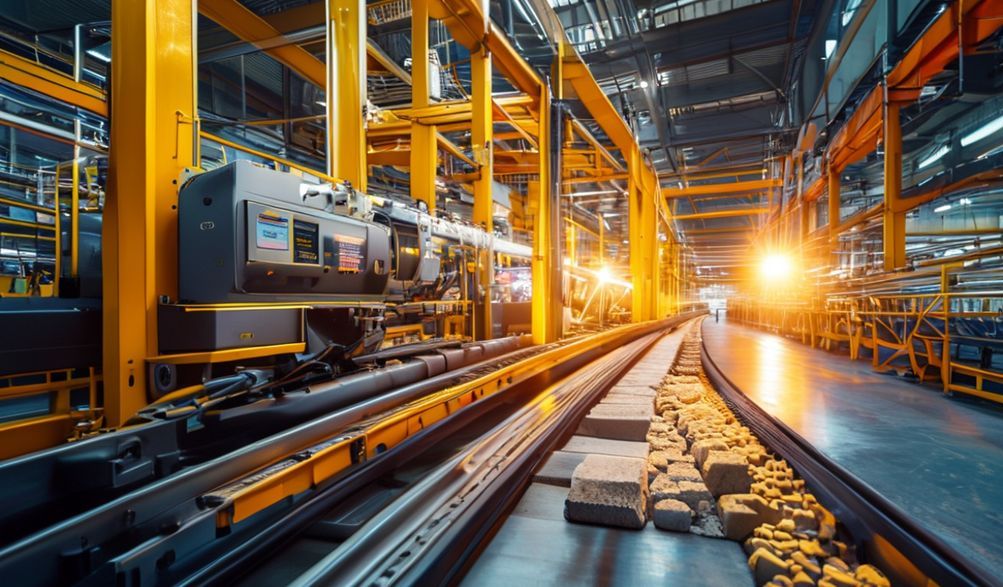
The Ultimate Guide to Brick and Block Machines: Inside the FUDA Block Making Factory
Introduction
The global construction industry is a relentless engine of growth, demanding ever-greater quantities of affordable, durable, and consistent building materials. At the heart of meeting this demand lies a transformative piece of technology: the automated brick and block making machine. These machines have evolved from simple manual presses to sophisticated, computer-controlled production lines, enabling the rapid creation of everything from standard hollow blocks to intricate paving stones.
This guide delves deep into the world of these essential machines, with a focused lens on a significant player in the field: the FUDA block making factory. More than just a supplier, FUDA represents the industrial manufacturing capability that powers small, medium, and large-scale construction projects worldwide.
This comprehensive overview is built on extensive analysis of manufacturing processes, technical specifications, and market dynamics. We’ve synthesized information from technical data sheets, industry publications, and operational principles to provide you with an authoritative and trustworthy resource. Our goal is not to sell, but to inform—equipping you with the knowledge needed to navigate this critical investment.
By the end of this post, you will have a clear understanding of how block machines work, the types available, the tangible benefits of sourcing from an established factory like FUDA, and the critical factors you must consider before making a purchase.
Understanding Brick and Block Making Machinery
Before evaluating any manufacturer, it’s crucial to grasp the fundamentals of the machinery itself. These machines are marvels of industrial engineering, designed to transform raw materials into precise, structural components through a systematized process.
Core Principles of Operation
While models vary, most modern block makers follow a core production cycle:
- Mixing: Raw materials (typically cement, aggregates like sand or crushed stone, and water, often with additives like fly ash) are precisely blended in a mixer to form a homogeneous concrete mix.
- Molding: This mix is fed into a mold cavity, which defines the shape and size of the final block (e.g., hollow block, solid brick).
- Compacting and Vibrating: Here, the magic happens. High-frequency vibration consolidates the mix, removing air pockets for maximum density. Simultaneously, immense hydraulic pressure (measured in tons) is applied to compress the material into a solid, well-formed unit. This combination is key to producing strong, load-bearing blocks.
- Curing: The freshly formed, “green” block is then ejected and moved to a curing area. Proper curing—often involving controlled temperature and humidity—allows the cement to fully hydrate and gain its ultimate strength.
The primary systems that drive this process are hydraulic (for high, consistent pressure), mechanical (for movement and transfer), and vibration (for compaction).
Types of Machines: From Manual to Fully Automatic
The level of automation defines the machine’s scale, output, and labor requirements.
- Manual and Semi-Automatic Machines: Ideal for small-scale startups, community projects, or low-budget operations. These require significant manual labor for feeding mix and removing finished blocks. They offer a low entry cost but limited output.
- Fully Automatic Block Making Machines: These are the workhorses of high-volume production. Equipped with automatic material feeders, conveyor systems, and programmable logic controller (PLC) panels, they can run with minimal human intervention. Models like the common QT series from many factories can produce thousands of blocks per shift.
- Mobile Block Machines: A versatile subset, these self-contained units can be towed to a construction site to produce blocks directly where they are needed, saving tremendously on transportation costs for large projects.
Key Outputs: Beyond Standard Bricks
A machine’s versatility is a major value proposition. By simply changing the mold, a single machine can produce a diverse product line:
- Hollow Blocks: The standard for load-bearing walls, offering excellent strength-to-weight ratio and insulation.
- Solid Blocks: Used for foundations, pavements, and areas requiring extreme durability.
- Paving Stones & Interlocking Bricks: For driveways, walkways, and patios, offering aesthetic appeal and permeability.
- Curb Stones: For road construction and landscaping.
- Specialty Shapes: Many factories, including FUDA, offer custom mold design services.
Spotlight on the FUDA Block Making Factory
In a market filled with traders and assemblers, an established factory brings a different level of authority and trust. Let’s examine what a manufacturer like FUDA brings to the table.
FUDA’s Place in the Manufacturing Landscape
FUDA positions itself as an industrial manufacturing factory. This distinction is critical. It implies in-house control over the entire production process—from steel fabrication and machining to assembly and testing. This vertical integration allows for stricter quality control, direct R&D into machine efficiency, and the ability to offer meaningful customization.
From an E-E-A-T perspective, their authoritativeness and trustworthiness are signaled by:
* Longevity and Track Record: Years of operation (potential claimants of over a decade or more) suggest stability and accumulated experience.
* Global Clientele: Serving an international market indicates machines that can meet varied standards and conditions.
* Certifications: Reputable manufacturers often hold certifications like ISO (for quality management systems) and CE (indicating conformity with European health, safety, and environmental standards). Always verify current certifications directly from the official FUDA website.
Analyzing FUDA’s Machine Portfolio
A typical factory portfolio is tiered to meet different market needs. FUDA’s range likely includes:
- Semi-Automatic Presses: For entrepreneurs entering the market.
- Fully Automatic Lines (e.g., QT4-15, QT6-15, QT8-15): The numbers often indicate production output in blocks per cycle. These are the core products for serious businesses.
- Mobile Machines and Specialized Plants: For niche applications.
Technical Highlights that Demonstrate Expertise:
* Robust Structure: Heavy-duty steel frames and vibration-dampening systems ensure stability during high-pressure operation, leading to longer machine life.
* High-Pressure Hydraulic Systems: The heart of the machine, determining block density and strength. Quality components here are non-negotiable.
* Intelligent PLC Control Panels: Allow for precise control over vibration time, pressure, and cycle sequences. Reputable factories use reliable brands like Siemens or Mitsubishi.
* Energy Efficiency: Modern designs incorporate efficient motors and hydraulic circuits to reduce operational costs.
* Production Capacity: Output can range from 1,000 to over 10,000 standard blocks per 8-hour shift, depending on the model and configuration.
The FUDA Advantage: Quality and Support
The machine purchase is just the beginning. The long-term partnership is what defines a successful investment.
- In-House Quality Control: A factory can enforce quality checks at every stage of assembly, unlike a trader who simply sources finished machines.
- Durable Component Sourcing: Using internationally recognized parts for critical systems (hydraulics, PLCs, bearings) reduces breakdown risk and simplifies future maintenance.
- Comprehensive After-Sales Service: This is where trust is built. Look for:
- Installation Guidance: On-site or detailed remote support for setting up the production line.
- Operator Training: Hands-on training to ensure your team can run and perform basic maintenance on the machine.
- Spare Parts Supply: A reliable inventory of genuine spare parts, with clear logistics for delivery.
- Customization Options: The ability to modify mold designs, production speeds, or machine layouts to suit specific local materials or product requirements.
Critical Factors When Choosing a Block Making Machine
Armed with knowledge about the technology and the manufacturer, how do you make the right choice? Focus on these three pillars.
Assessing Your Production Needs and Budget
Start with a clear business plan. Ask yourself:
* What is my required daily output to meet market demand?
* What types of blocks are most profitable in my region?
* What space, power (three-phase?), and labor do I have available?
* What is my total budget, including machine cost, shipping, installation, and raw material startup inventory? Always think in terms of Return on Investment (ROI), not just initial price.
Technical Specifications You Must Scrutinize
Don’t just look at the brochure picture. Dive into the spec sheet:
* Pressure (Tonnage): Higher tonnage generally produces denser, stronger blocks.
* Cycle Time: How many seconds for one complete block production cycle? This directly determines hourly output.
* Mold Size Versatility: What range of block dimensions can the standard machine accommodate?
* Automation Level: Does it include automatic pallet feeders, stackers, and mixers?
* Power Requirements: Match this precisely with your facility’s capabilities.
The Importance of Supplier Reliability and Service
Choosing a reputable factory over an unknown trader mitigates immense risk.
* Factory Audit: Can you or a representative visit the factory to see the manufacturing process?
* Client Testimonials & References: Ask for contact information for past clients in a similar region.
* Warranty Terms: What is covered, for how long, and what are the response time guarantees?
* Technical Support: Is support available in your language and time zone?
Maximizing Your Investment: Operation and ROI
A great machine is only as good as the operation around it.
Setting Up for Efficient Production
- Layout: Design your plant for a smooth material flow: raw storage -> mixing -> block making -> curing -> storage.
- Raw Material Quality: Consistent, properly graded aggregates and fresh cement are vital. Many machines work excellently with fly ash, an eco-friendly and cost-effective supplementary material.
- Curing Process: Invest in proper curing racks or chambers. Strength development depends on it.
Calculating Your Return on Investment (ROI)
Use a simplified framework:
1. Total Investment: Machine cost + shipping + installation + raw material stock.
2. Operational Costs Per Month: Electricity, labor, raw materials, maintenance.
3. Revenue Per Month: (Blocks produced per day x selling price per block x working days).
4. ROI Timeframe: (Total Investment) / (Monthly Revenue – Monthly Operational Costs).
Automation dramatically reduces labor costs and increases product consistency, which reduces waste and improves your market reputation.
Maintenance Best Practices for Longevity
- Daily: Clean the machine, check hydraulic oil levels, inspect for loose bolts.
- Weekly: Lubricate all moving parts, check vibration motor mounts.
- Monthly: Inspect hydraulic hoses and seals, check electrical connections.
- Always: Use genuine spare parts recommended by the factory. Counterfeit parts can cause cascading failures.
Frequently Asked Questions (FAQ)
Q1: What is the approximate price range for a FUDA block making machine?
A: Prices vary dramatically based on automation level, production capacity, and configuration. A small semi-automatic machine may start in the tens of thousands of dollars, while a fully automated production line can reach several hundred thousand. The only way to get an accurate price is to request a formal quotation from the official FUDA factory based on your specific requirements.
Q2: Can FUDA machines use local raw materials like soil or fly ash?
A: Yes, most modern block making machines are designed to work with a variety of mix designs. Fly ash is a common and recommended component. FUDA’s technical team can typically provide guidance on optimal mix proportions for your locally available materials (cement, sand, aggregate, fly ash) to ensure block quality and machine performance.
Q3: What kind of training and installation support does FUDA provide?
A: Reputable factories like FUDA generally include installation guidance—either by sending an engineer to your site or via detailed remote support—and comprehensive operator training. This covers machine operation, routine maintenance, safety procedures, and basic troubleshooting. Always confirm the specifics of this service package before ordering.
Q4: How do I ensure I get genuine FUDA machinery and not a copy?
A: To guarantee authenticity, deal directly with the official FUDA block making factory or their verified exclusive agents in your region. Be wary of unauthorized traders. Insist on factory visitation rights, verify all documentation and serial numbers, and ensure communication and payment are routed to the official company.
Q5: What is the typical lead time for manufacturing and delivery?
A: Lead times depend on the model’s complexity and the factory’s current order queue. Standard, high-volume models may be available for shipment sooner, while fully customized production lines require design and manufacturing time. A reliable factory will provide a clear production and delivery schedule upon order confirmation.
Conclusion
Automated brick and block making machinery represents a powerful tool for building businesses and infrastructure alike. The choice of your equipment partner is a strategic decision with long-term implications for your productivity, product quality, and profitability.
As we’ve explored, partnering with an established industrial factory like FUDA offers significant advantages: direct manufacturing control, proven technical designs, and—most importantly—a framework for ongoing support and service. For entrepreneurs and companies seeking a reliable path to a strong ROI in block manufacturing, such a manufacturer represents a credible and trustworthy choice worthy of deep consideration.
Your final step is due diligence. We encourage you to use the criteria outlined here. Request detailed technical catalogs from multiple suppliers, prioritize a factory visit if feasible, and speak directly to existing clients. Remember, in capital equipment, the long-term value of quality, reliability, and service almost always outweighs the allure of the lowest upfront price.
Ready to take the next step? Visit the official FUDA website to download detailed machine specifications and initiate a direct conversation with their engineering team about your specific project needs.