
The Ultimate Guide to Clay Brick Making Machines in Sri Lanka (2024)
Introduction
Sri Lanka is building its future. From ambitious infrastructure projects and urban developments to the ever-present need for quality housing, the demand for construction materials is robust and unwavering. At the heart of this growth lies a fundamental building block: the brick. For decades, the industry has relied on traditional methods, but today, efficiency, scale, and quality are paramount. This is where the modern clay brick making machine in Sri Lanka transitions from a luxury to a strategic necessity for entrepreneurs and construction firms alike.
This guide serves as your comprehensive, unbiased resource. Our purpose is to cut through the noise and provide a detailed analysis based on technical specifications, current market dynamics, and practical operational knowledge. Whether you are a budding entrepreneur eyeing the manufacturing sector, a construction company looking to vertically integrate, or an industrial buyer seeking to upgrade, this article is designed for you.
We will address your core questions: What types of machines are available? What are the real costs and benefits? How do you navigate the local supplier landscape? And most importantly, how do you choose the right clay brick making machine for your specific Sri Lankan operation? Let’s build a foundation of knowledge.
Understanding Clay Brick Making Machinery
Before investing, it’s crucial to understand the mechanics and varieties of the technology you’re bringing into your business.
How Does a Clay Brick Making Machine Work?
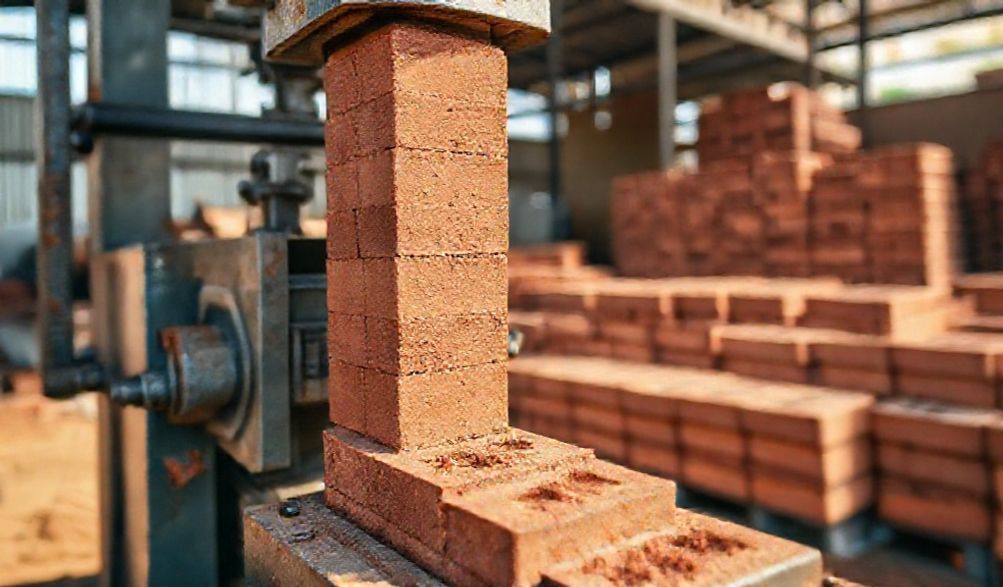
At its core, a brick-making machine automates and intensifies a centuries-old process. The goal is to transform raw clay into uniformly shaped, high-strength bricks. The mechanized process typically follows these stages:
- Clay Preparation: Raw clay is fed into a crusher and mixer. Here, it is broken down, mixed with a controlled amount of water, and sometimes blended with other materials (like sand or ash) to achieve the perfect plasticity and composition.
- Molding/Forming: This is the heart of the machine. The prepared clay is forced into a mold. There are two primary methods:
- Extrusion: Clay is pushed through a die (like a giant pasta maker) to form a continuous column, which is then cut into individual bricks by wires. Excellent for high-volume production of solid bricks.
- Pressing: Clay is fed into a mold cavity and compressed under high hydraulic or mechanical pressure. This method is ideal for producing hollow blocks, interlocking bricks, and pavers with higher density.
- Drying (Curing): The wet, “green” bricks are carefully stacked and allowed to dry naturally or in controlled chambers. This removes moisture slowly to prevent cracking.
- Firing: While the machine produces the raw brick, firing in a kiln (separate from the machine) is what gives it permanent strength and durability through vitrification.
Main Types of Machines Available in Sri Lanka
The Sri Lankan market offers solutions for every scale of operation.
-
Manual/Semi-Automatic Machines:
- Best For: Small-scale startups, rural enterprises, or specific on-site project needs.
- Operation: These require significant manual labor for feeding clay, removing bricks, and stacking. The machine may automate only the pressing or molding action.
- Output: Lower capacity, typically from 500 to 2,500 bricks per day.
- Investment: Low initial capital cost, but higher ongoing labor cost.
-
Fully Automatic Machines:
- Best For: Medium to large-scale commercial brick manufacturing plants.
- Operation: From feeding raw material to stacking finished green bricks, the process is automated via conveyor belts and programmable logic controllers (PLCs).
- Output: High and consistent, ranging from 10,000 to over 50,000 bricks per day.
- Investment: High capital expenditure, but low per-unit cost due to efficiency and minimal labor.
-
Mobile Brick Making Machines:
- Best For: Large construction companies working on remote sites (e.g., dams, road projects, large housing developments).
- Advantage: Mounted on a trailer, these units can be moved to the project site. This drastically cuts down on brick transportation costs, one of the largest expenses in construction logistics. They are typically diesel-powered for off-grid operation.
Key Benefits of Investing in a Brick Making Machine in Sri Lanka
Moving from buyer to producer offers compelling advantages tailored to the local context.
Economic and Operational Advantages
- Long-Term Cost Efficiency: While purchasing bricks involves a recurring variable cost, investing in a machine converts this into a fixed, depreciating asset. Over time, the cost per brick produced in-house becomes significantly lower.
- Unmatched Control: You control the entire supply chain—quality, production schedule, brick type, and quantity. No more project delays due to supplier shortages or inconsistent quality.
- Reduced Waste & Local Sourcing: Mechanized production minimizes material waste. Furthermore, you can often utilize locally available clay deposits, reducing raw material costs and promoting local resource use.
Supporting Sri Lanka’s Construction and Development Goals
This investment extends beyond personal profit; it contributes to national objectives.
- Import Substitution: By establishing local manufacturing capacity, you reduce reliance on imported building materials, conserving valuable foreign exchange and strengthening the domestic industrial base.
- Job Creation: A brick manufacturing unit creates direct employment (machine operators, maintenance technicians, laborers) and indirect jobs (in logistics, raw material supply, etc.).
- Enabling Development: A reliable, local supply of quality bricks is fundamental for achieving national goals in housing, infrastructure, and commercial development, making projects more feasible and cost-effective.
How to Choose the Right Machine for Your Sri Lankan Operation
Selecting the wrong equipment is the most common and costly mistake. Follow this decision-making framework.
Assessing Your Production Needs and Scale
Start by asking these fundamental questions:
* What is my average daily or monthly brick requirement? (Base this on confirmed orders or a solid market study).
* What is my available investment capital (including setup and working capital)?
* Do I have adequate land space for the machine, clay storage, curing yards, and drying sheds?
* What is my power supply situation? (3-phase industrial connection, generator backup?)
Critical Technical Specifications to Compare
When comparing models, scrutinize these specs:
- Output Capacity: Don’t just look at “bricks per hour.” Understand the sustainable daily output under Sri Lankan working conditions.
- Power Type: Consider Sri Lanka’s energy mix.
- Electric: Clean and cost-effective if you have reliable 3-phase power.
- Diesel: Essential for areas with unstable electricity or for mobile units. Higher fuel cost but ensures uninterrupted operation.
- Hybrid: Offers flexibility to switch between power sources.
- Brick Type & Size Flexibility: Can it produce only solid bricks, or also hollow blocks (which are lighter and offer better insulation) and interlocking bricks (which require less mortar)? Ensure it can produce standard Sri Lankan sizes.
- Automation Level: Match this to your labor strategy and desired consistency.
Quality and Durability Considerations for the Local Environment
- Robustness: Sri Lankan clay can vary in hardness and abrasiveness. The machine’s core components—molds, mixer blades, extrusion auger—must be made from hardened, wear-resistant steel.
- Local Support: This is non-negotiable. Does the supplier have a technical service team and a spare parts inventory within Sri Lanka? Waiting months for a crucial part from overseas can shut down your entire operation.
Navigating the Sri Lankan Market: Suppliers and Costs
Arming yourself with market intelligence is key to a successful purchase.
Overview of Suppliers and Distributors
The market primarily consists of:
* Local Agents for International Brands: These are companies that represent manufacturers from China, India, Italy, and Germany. They offer established technology but vary greatly in their local support quality.
* Local Fabricators/Assemblers: Some Sri Lankan engineering firms assemble or even manufacture machines. They can offer good value and potentially faster service.
Verifying Credentials is Critical (E-A-T in Action):
* Ask for a list of existing clients in Sri Lanka and actually contact them.
* Request to visit a working installation to see the machine in operation and speak to the owner.
* Check the company’s business longevity and reputation with the Ceylon Chamber of Commerce or industry bodies.
Understanding the Price Range (2024 Estimates)
Prices are indicative and vary based on specifications, brand, and exchange rates.
- Manual/Small Semi-Automatic Machines: LKR 800,000 to LKR 2.5 million.
- Medium-Capacity Semi/Fully Automatic Plants: LKR 4 million to LKR 15 million.
- Large, Fully Automatic Production Lines: LKR 20 million and above.
Remember the Total Cost: Factor in:
* Import duty and VAT (if applicable)
* Installation and commissioning fees
* Operator training
* Cost of auxiliary equipment (crusher, mixer, conveyor)
* Initial stock of raw materials and spare parts
Key Questions to Ask Potential Suppliers
- “What is included in the warranty, and what is the process for claiming it in Sri Lanka?”
- “Do you offer a service contract? What is the guaranteed response time for a breakdown?”
- “Can you provide comprehensive training for my operators and maintenance staff?”
- “What is your most commonly required spare part, and what is its local stock availability and price?”
- “What is the expected lead time from order to installation at my site?”
Installation, Operation, and Maintenance Best Practices
Your responsibility begins once the machine arrives.
Setting Up for Success: Site and Utility Requirements
- Space: Allocate space for the machine shed, raw clay storage (covered), a large, leveled curing yard, and drying sheds protected from rain and direct sun.
- Power & Water: Ensure your 3-phase connection matches the machine’s requirement. Have a reliable water source with adequate pressure for the mixing process.
Essential Operational Tips for Sri Lankan Conditions
- Clay Testing: Before full-scale production, test your local clay with the machine settings. Adjust water content and mixing time to achieve the perfect consistency.
- Monsoon Management: Plan your production and curing schedules around the rainy season. Ensure your drying areas are well-covered and ventilated to prevent mildew and slow drying.
Routine Maintenance Schedule to Maximize Machine Life
A disciplined maintenance routine prevents costly downtime.
- Daily: Clean the machine thoroughly at the end of each shift. Check for loose bolts or nuts. Lubricate all moving parts as per the manual.
- Weekly: Inspect wear parts like mixer blades, mold liners, and cutting wires for damage. Check hydraulic oil levels and look for leaks.
- Monthly: Perform a more thorough inspection of electrical connections, belts, and motors. Replace filters.
Frequently Asked Questions (FAQ) About Clay Brick Machines in Sri Lanka
Q1: What is the average cost of a small-scale clay brick making machine in Sri Lanka?
For a manual or basic semi-automatic machine suitable for a startup, you should budget between LKR 800,000 to LKR 2.5 million, depending on capacity and brand.
Q2: Can I get a loan or financing scheme in Sri Lanka for this machinery?
Yes. Several commercial banks and development finance institutions offer industrial equipment loans and SME financing schemes. A strong business plan and collateral will be required. It’s advisable to consult directly with the enterprise banking divisions.
Q3: How profitable is a brick-making business in the current Sri Lankan market?
Profitability is strong due to consistent demand, but it depends on your operational efficiency, clay sourcing cost, scale, and management of overheads. Margins are typically healthier for those producing value-added products like hollow blocks or pavers.
Q4: What is the typical lead time for receiving a machine after ordering?
For machines in local stock, 2-4 weeks for setup. For imported machines, lead times can range from 8 to 16 weeks, depending on sourcing country and shipping logistics.
Q5: Are there any government regulations or permits required to operate a brick kiln or machine?
Yes. You will need an industrial registration from the local municipal council or Pradeshiya Sabha. If you install a firing kiln (especially if coal-fired), you will need environmental protection licenses from the Central Environmental Authority (CEA). Always check with local authorities.
Q6: How do I source good quality clay for brick making in my area?
Contact the Geological Survey and Mines Bureau (GSMB) of Sri Lanka. They have data on clay deposits. You can also conduct simple field tests: good brick clay is plastic when wet, holds its shape, and cracks minimally when dried.
Conclusion
Choosing and investing in a clay brick making machine in Sri Lanka is a significant decision that bridges personal enterprise and national development. The right machine can transform your business model, providing control, efficiency, and a path to long-term growth. However, success hinges on careful planning, a clear understanding of your own needs, and thorough due diligence on the local market.
Let this guide be your first step. We strongly encourage you to use this information as a foundation for deeper research. Consult with multiple reputable suppliers, speak directly to existing brick manufacturers to learn from their experience, and always prioritize local service support over a marginally cheaper initial price. The foundation you build today with knowledge will support the success of your venture for years to come.
Your Next Step: Contact two or three verified suppliers with your specific production requirements and request detailed quotations and site visit opportunities. Begin comparing not just prices, but the total value proposition for your Sri Lankan operation.