Ýük daşamak we boşatmak maşynlarynyň injenerlik spektri
Funksiýany we Esasy Işleýiş Prinziplerini Kesgitlemek
Блок кирпич ýüklemek we düşürmek maşynlary, esasanam öndüriliş palletlerinden daşawy guralara we olardan gurluşyk meýdançasynyň ulanylýan ýerine gönümelik bölümleriniň awtomatlaşdyrylan geçirilmegini üpjün etmek üçin niýetlenen hassa materiallary işleýän enjamdyr. Olaryň esasy wezipesi, agyr we gaýtalanýan ýükleriň el bilen işlenişiniň haýal, fiziki taýdan kyn we şikesli zähmetini, çalt, yzygiderli we ygtybarly ulgamy bilen çalşyrmakdyr.
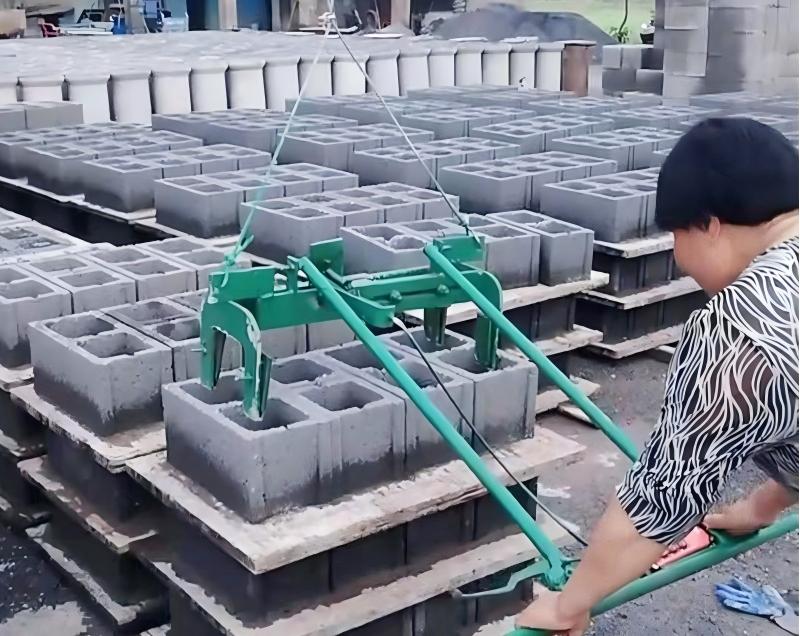
Esasy işleýiş prinsipi üç sany esasy etapdan ybaratdyr:Satyn almak, Daşamak we ýerleşdirmekMaşyn, ilki bilen, adatça mehaniki tutujy ýa-da wakuum esasyndaky ulgam bilen kerpiçleri almaly. Soňra, alnan ýükü öňünden kesgitlenen ýol boýunça daşamaly, bu ýol ýönekeý çyzyk hereketinden başlap, çylşyrymly köp ok hereketine çenli bolup biler. Ahyrsoňy, maşyn kerpiçleri hedefe, mysal üçin palet, konweýer ýa-da sahypa dollýasy ýaly ýerlere, ýuwşak bölümlerine zyýan ýetirmezden, takyklyk bilen ýerleşdirmeli. Maşynyň bu üç basganygy nädip ýerine ýetirýändigi, onuň mümkinçiliklerini, hedef ulanylyşlaryny we bazardaky ýerini kesgitleýär.
Sistem Arkitekturasyna we Mobillygyna Görä Bölümlendirme
Bu enjamlaryň bazary birmeňzeş däl; ol, gurulşy we hereketliligi boýunça aýratyn kategoriýalara bölünýär we her biri giňişin logistika zynjyrynda özüne mahsus nişe hyzmat edýär.
- Статикалык жана жарым-автоматлаштырылган паллетайзерлер/депаллетайзерлер:Bular bolsa blok kirpiç öndürijilik zawodynyň we uly paýlaw meýdançalarynyň işiň ýüküni çekýän maşynlarydyr. Olar ýokary mukdarda, gaýtalanylýan wezipeler üçin düşündirilen, orny berkidilen maşynlardyr. Depalletizer kirpiçleri olaryň güýçlendirilen paletalardan tertipli şekilde düşürýär, köplenç olary öwürmek, tertiplemek ýa-da gönüme ýüklemek üçin konweýer ulgamy üçin taýýarlaýar. Palletizer bolsa, tersine işi ýerine ýetirýär, önümçilik hataryndan boş kirpiçleri saklamak we ibermek üçin durnukly, bantlanan paletalarda jemleýär. Bu ulgamlar hereketlilikden has, netijelilik we ygtybarlylyga üstünlik berýär.
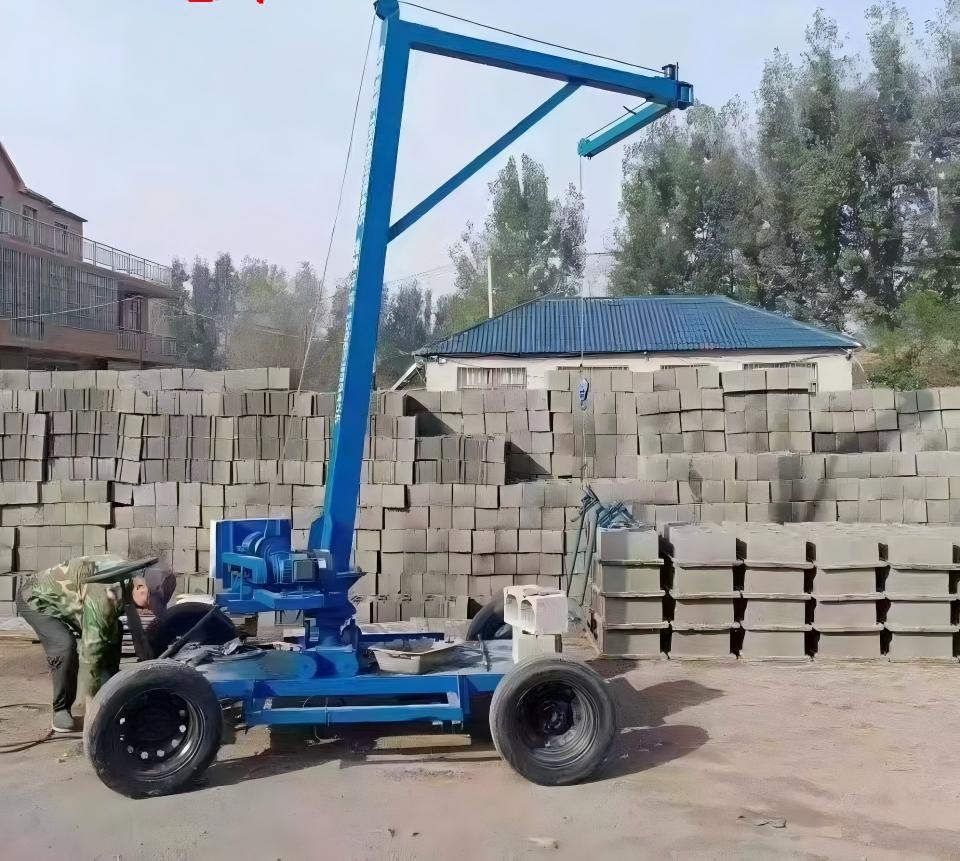
- Ýükli maşynlary ýüklemek we boşatmak üçin mobil enjamlar:Bu kategoriýa ýük iberiş we kabul ediş zonasyň dynamyk gurşawy üçin niýetlenendir. Bu maşynlar köplenç ýük dokuna parallel hereket edýän berk rels ýa-da hereketli platforma üstüne gurnalan. Olar gatnaşyksyz ýük maşynlaryna aralaşyk ýa-da birmeňzeş palletlenen ýükleri awtomatiki ýüklemek ýa-da gelen iberiş ulaglaryndan ýükleri düşürmek üçin programma berilýär. Olaryň esasy gymmatlyk teklibi, logistikada “dokdan ammara” wagty diýlip atlandyrylýan möhüm görkezijisi bolan, ýük maşynynyň dolanyş tizligini iň ýokary derejä ýetirmekdir. Ýük maşynynyň dokda duran wagtyny gysgaldyşy bilen, olar awtoparkyň peýdalanma derejesini göni artdyrýar we daşama çykdajylaryny azaldýar.
- Robot we Gidroýumly ýel we ýel sistemalary:Bu ulanyjylaryň iň ýokary çeşitliligi we tehnologiýa bilen birleşdirilmegi hökmünde, bu ulgamlar ýörite gutujy enjamlary (ýapgychlar) bilen enjamlandyrylan köp-ok industrial robot kollaruny ulanýar. Olaryň esasy üstünligi, ýönekeý palletleme işinden daşary, dürli garyňlary görnüşlerine görä bölmek, aýratyn sargytlar üçin aralaşyk palletler gurmak ýa-da öndürijilik hatarynda kerpiç goýuş maşynyna gönüden-göni kerpiç iýmitlendirmek ýaly çylşyrymly wezipeleri ýerine ýetirýändir. Olar dürli kerpiç ölçegleri we öwüşgeleri üçin täzeden programmalanyp bilinýär, bu bolsa ýokary önüm çeşitliligi we wagtly öndürijilik prinsipleri bilen işleýän operasiýalar üçin ideal edýär.
- Telehandler ýerleşdirilen we gowy däl ýerler üçin çözgütler:Gurluşyk meýdanyndaky “soňky 50 aýak” üçin, gaty ýerli tehnika hökmanydyr. Bu köplenç, telehandler ýa-da şoňa meňzeýän berk şassi esasyna gurulan goşmaçalar ýa-da ýöriteleşdirilen maşynlardyr. Olar taýýarlanmadyk, köplenç palçykly we deňsiz ýerlerde ýöremek, ýük maşynlaryny boşatmak we kerpiç paletlerini gurluşykçylaryň zerur ýerlerine takyk ýerleşdirmek üçin döredilendir. Bu iki gezek işlemegi aýyryp, meýdanyň gatyşygyny azaldýar we gowy däl el bilen boşatmakdan emele gelen zyýanyň öňüni alýar.
Market Dynamics and Strategic Application for Distributors
Identifying the End-User Profile and Pain Points
Understanding who benefits from this technology is the first step in effective sales and distribution. The client profile is diverse, but their pain points are remarkably consistent.
- Block and Brick Manufacturers: For producers, the loading bay is the final checkpoint before revenue is realized. Their pain points include labor shortages for physically taxing work, high rates of product damage from manual handling (directly impacting profitability), and the need to meet high daily shipping volumes. They seek solutions that integrate seamlessly with their production flow, offering high speed, minimal damage, and 24/7 operational readiness.
- Material Distributors and Large Retailers: These entities operate vast yards and warehouses. Their challenges revolve around inventory management, efficient order fulfillment, and labor cost control. A machine that can quickly and accurately build mixed pallets for specific customer orders is a tremendous asset. For them, the value lies in order accuracy, space optimization through dense palletizing, and reduced reliance on a large, specialized forklift operator workforce.
- Large-Scale Construction Contractors: The primary pain points on a job site are time, safety, and labor efficiency. Manual unloading is slow, halts other activities, and poses a significant safety risk. Contractors need robust, mobile equipment that can operate in confined and challenging site conditions to keep projects on schedule and reduce the risk of costly workplace injuries and material loss.
The Convergence of Trends Driving Adoption
Several powerful macro-trends are accelerating the demand for automated loading solutions, creating a favorable market environment for distributors.
- The Acute Labor Shortage and Worker Safety Mandates: The global construction and manufacturing sectors are facing a critical shortage of workers willing to perform strenuous manual labor. Simultaneously, regulatory bodies are enforcing stricter health and safety standards regarding manual handling and repetitive strain injuries. Automated loading systems provide a direct, tangible solution to both problems, ensuring operational continuity while creating a safer work environment.
- The Rise of Smart Logistics and Industry 4.0: The modern supply chain is data-driven. Advanced loading and unloading machines are no longer isolated mechanical devices; they are data nodes. They can be equipped with sensors and software that track inventory in real-time (e.g., counting every brick loaded or unloaded), monitor machine performance for predictive maintenance, and integrate with Warehouse Management Systems (WMS) and Enterprise Resource Planning (ERP) systems. This data integration allows for unprecedented levels of supply chain visibility and control.
- The Imperative of Supply Chain Optimization: In an era of just-in-time delivery and heightened focus on cost efficiency, every minute of delay is expensive. Automated systems drastically reduce truck loading and unloading times, directly impacting the number of deliveries a fleet can make per day. This optimization lowers fuel costs, increases asset utilization, and enhances overall customer satisfaction through more reliable delivery windows.
A Granular Analysis of Pricing and Total Cost of Ownership
Deconstructing the Capital Investment
The price of a block brick loading/unloading machine is a direct reflection of its technological sophistication and intended duty cycle. Key factors include:
- Awtomatlaşdyryş derejesi: A simple, operator-controlled machine with basic functionality will be the most accessible. A fully automated system with programmable logic controllers (PLCs), vision systems for brick recognition, and full integration with plant logistics software will represent the highest tier of investment.
- Lifting Capacity and Speed: The machine’s specification in terms of weight per cycle (e.g., 500 kg vs. 2000 kg) and its cycles per hour directly influence its price. Higher capacity and speed require more powerful motors, heavier-duty structural components, and more sophisticated hydraulic or electrical systems, all contributing to a higher cost.
- Versatility and Reconfigurability: A machine dedicated to a single brick size and pallet pattern is less complex and costly than one that can be quickly reprogrammed to handle multiple product lines and load configurations. The cost of versatility is found in the complexity of the gripper head, the software, and the precision of the servo motors.
- Mobility and Chassis Type: A fixed, stationary machine has a lower base cost than a mobile unit. Adding mobility via a tracked system, a wheeled chassis, or integration onto a rough-terrain carrier introduces significant engineering complexity, power requirements, and cost.
- Control System and Software: The “intelligence” of the machine is a major differentiator. Basic machines use simple joystick controls. Advanced systems feature touchscreen HMIs (Human-Machine Interfaces) with intuitive software that allows for pattern creation, data logging, and system diagnostics. The development cost of this software is factored into the machine’s price.
Calculating the True Total Cost of Ownership (TCO)
For a B2B client, the purchase price is merely the entry fee. The true financial impact is measured by the TCO, which includes:
- Initial Purchase and Installation: The machine cost, plus any costs for foundation work, electrical hookups, or safety fencing.
- Operational Labor: While these machines reduce labor, they may require a skilled technician or operator, albeit at a higher wage but for fewer total hours.
- Energiýa sarp edişi: The cost of electricity for electric models or diesel for combustion-engine and hydraulic models.
- Preventive and Corrective Maintenance: Regular servicing, replacement of wear parts (e.g., gripper fingers, vacuum cups, hydraulic seals, filters), and any unforeseen repairs.
- Дургунлык: The single largest hidden cost. A machine with high reliability and excellent service support minimizes project delays and production stoppages.
- Residual Value: A well-built machine from a technically robust platform will retain a higher percentage of its value, offering a better return on investment when it is eventually upgraded or sold.
Strategic Procurement Framework for B2B Decision-Makers
Selecting the right machine for inventory or for a specific client application requires a methodical and strategic approach.
- Needs Analysis and Workflow Integration: The first step is a deep analysis of the client’s current workflow. What is the average daily volume? What are the brick sizes and varieties? What is the current damage rate? How is the site or warehouse laid out? The machine must be a solution that integrates into this ecosystem, not a disruptive standalone product.
- Technical Evaluation and Component Scrutiny: Go beyond marketing claims. Evaluate the machine’s specifications against the needs analysis. Scrutinize the quality of key components like the PLC, motors, and structural steel. Assess the design of the gripper mechanism for its gentleness on the brick product and its adaptability.
- Compliance and Safety Certification: Ensure the machine meets all relevant regional and international safety standards (e.g., CE, OSHA, ISO). The integrity of safety interlocks, emergency stop systems, and guarding is non-negotiable for liability and workplace safety.
- Manufacturer Viability and Support Ecosystem: For a distributor, the manufacturer is a long-term partner. Assess their financial health, R&D commitment, and most importantly, their support structure. What is their warranty policy? What is the lead time on critical spare parts? Do they offer comprehensive training for your service technicians and the end-client’s operators?
- Financial Justification and ROI Modeling: Build a detailed business case. Model the ROI by quantifying the savings: reduced labor hours, lower product damage, decreased truck demurrage fees, fewer worker compensation claims, and increased throughput. A machine with a higher initial price but a demonstrably faster payback period and lower TCO is the smarter investment.
Netije
The market for block brick loading and unloading machinery is transitioning from a niche segment to a core component of a modern, efficient, and resilient construction supply chain. For the astute distributor or procurement manager, this represents a significant and sustainable business opportunity. The driving forces—labor scarcity, safety imperatives, and the relentless pursuit of supply chain optimization—are not fleeting trends but permanent shifts in the industry landscape.
Success in this field hinges on a consultative approach. It requires the ability to look beyond the machine itself and understand the entire logistical flow of your clients’ operations. By offering a solution that not only moves bricks but also moves data, enhances safety, and protects profitability, you position yourself as a strategic partner rather than just a equipment vendor. The future of material handling is automated, interconnected, and intelligent. Embracing this category with a deep and nuanced understanding is the key to unlocking new levels of growth and value for your business and for your clients.
Frequently Asked Questions (FAQ)
Q1: What is the typical cycle time for a standard palletizing/depalletizing machine?
A: Cycle times vary based on the machine’s design and the weight of the load. A typical mid-range, fully automated system can achieve a cycle time (pick, move, and place) of between 20 to 45 seconds per layer of bricks. High-speed systems can be even faster, but the key is consistent, reliable cycling over an entire shift, not just peak speed.
Q2: How significant is the product damage reduction with automated handling?
A: The reduction is often substantial. Manual handling can lead to damage rates of 3-8% due to dropping, chipping, and rough placement. A well-calibrated automated system with a gentle gripper or vacuum head can reduce this rate to below 0.5%. This directly improves the bottom line by turning waste into saleable product.
Q3: Can one machine handle both loading and unloading functions?
A: Absolutely. Many systems are designed to be bi-directional. With the correct programming and potentially a universal end-effector, a single machine can unload raw materials or incoming goods and then load finished, palletized products onto outbound trucks. This maximizes the utility and return on investment from a single piece of equipment.
Q4: What are the primary power sources for these machines, and what are the trade-offs?
A: The three main power sources are:
- Elektrik: Quiet, clean, and efficient for indoor use. Lower operating cost but requires proximity to a power source.
- Gidrawlika Powerful and robust, ideal for heavy loads and rough-terrain applications. Can be louder and have higher maintenance needs (leaks, filter changes).
- Diesel/Combustion: Offers complete mobility and high power for outdoor, off-grid sites. Higher fuel costs, emissions, and noise levels are the trade-offs.
Q5: What is the typical operational lifespan of this equipment, and what impacts it most?
A: With proper maintenance, a well-built machine can have an operational lifespan of 7 to 15 years, or 20,000 to 40,000 operating hours. The factors that most impact lifespan are the duty cycle (e.g., single-shift vs. 24/7 operation), the quality of preventive maintenance, the abrasiveness of the operating environment, and the care taken by the operators. The machine’s structural frame and major components should be designed to last this long, with wear parts being replaced as needed.