
Sementli Blok Tegmäç Maşynlarynyň Doly Gollanmasy: Peýdalary, Görnüşleri we Nädip Saýlamaly
Giriş
Dünýä gurluşyk senagaty çatrygyň ýanynda durýar. BM-nyň Habitat hasabaty, her gün 96 müň täje arzan jaý gurluşygynyň zerurlygyny nygtap görkezýär.her günşäher ösüşine deňeşmek üçin, türgen we bahasy pes gurluş materiallaryna bolan talap hiç wagt uly bolmandy. Şäher ösüşlerinden oba jemgyýetlerine çenli peýdaly peýzajlary çalt üýtgedýän häzirki zaman innowasion çözgüdi: bir-birine berkidilýän gysylan toprak bloklary.
Бухгалтерлык дөвриниң артында тур двигателине багышланган буйрук.Sement blok birikdiriji maşynyDiňe bir gural bolman, ol akylly we berk gurluşyk tarapyna geçişi aňladýar. Bu ýörite pres ýerli topragyň, sementiň we suwunyň ýönekeý goşundysyny ýokary berkligi bolan, geometrik taýdan bir-birine berkidilýän bloklara öwürýär, energiýa sarp edýän peçde ýakmak we ussatlyk bilen harç ýapmak zerurlygyny aradan aýyrýar.
Ýylar boýy gurluşyk tehnologiýasy we dowamly gurluşyk amallary boýunça geçirilen gözlegleriň netijesinde, bu gollanmany jikme-jik we tarapyňy göz öňünde tutmadyk çeşme hökmünde taýýarladym. Gurluşykçy bolsaňyz, işjeňligi artdyrmak peýdasynda boluň, blok ýasama işine başlamakçy telekeçi bolsaňyz ýa-da özbaşdak gurluşykçy bolsaňyz, bu ýerde berlen maglumatlar inženerlik prinsiplaryna, öndürijileriň düzgünlerine we amaly tejribeleriň bilimine esaslanýar.
Bu gollanmanyň ahyrynda, bu maşynlaryň nädip işleýändigini däl, eýsem dogrusyny nädip saýlamaly, ony nädip netijeli ulanmaly we ykdysady we ekologiýa üçin onuň ähli mümkinçiliklerini nädip peýdalanmalydygyny hem öwrenersiňiz.
Sement Interlock Kiremit Maşyny näme we Ol nädip işleýär?
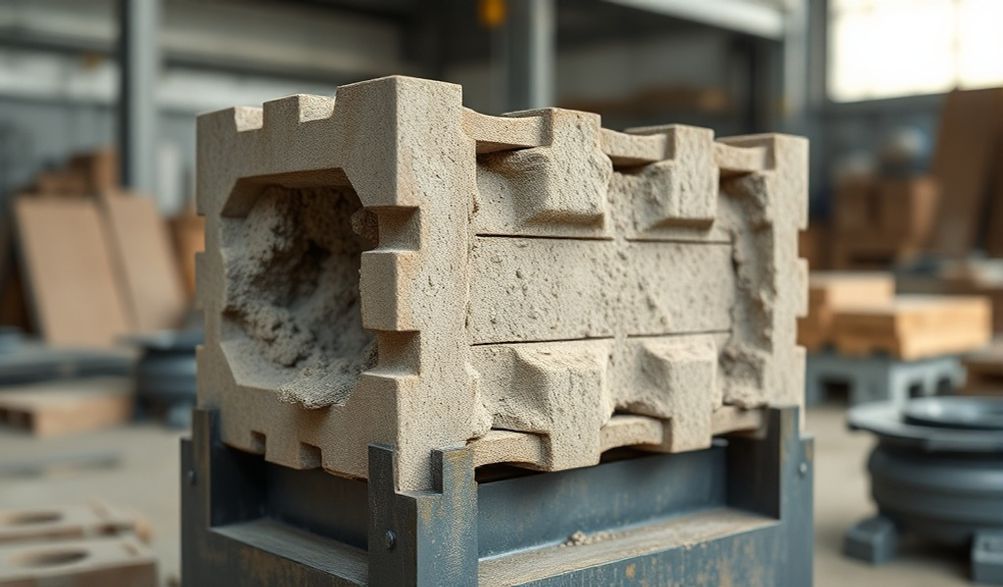
Цементли блоклары бирлешдирмек машинасы, топрак ве цементли нымландырылан аралашманы (көпюнчe "стабиллендирилен топрак" деп аталыр) юксек гидравлик басым астында сыгмак учун долапланлан так инженерлик дюзмюшир. Бунын натыйжасында, юстю ве янында патентленен бирлешме дизайны болан, тыгыз ве беркли гурлуш блоклары эмeле гелер. Бу дизайн, блокларын бир-бирине япбоз парчалары ялы бирлешмегине мүмкинчилик берип, стабил, гарышсыз диварлары дюзмеге ярдам эдер.
Esasy Bölümler we Inženerlik
Машинаныň anatomiasyna düşünmek, onuň kyndarlygyna gymmat bermegiň açar nokady:
- Gidrawlik ulgam:Машинаның жүрегі. Ол ширетүүчү материалды тығыздау үчін уллу басым (тонналарда өлченýär) тудýрýан насос, мотор, цилиндрлер жана клапанлардан турады.
- Kalıp/Şablon:Блоктың формасын, öлçegini we iň möhümi, bir-birine gysgylyş profilini kesgitleýän takyk işlenen polat kamera. Bu iň möhüm ýörite komponentdir.
- Ыҡҫыу Камераһы: Where the loose mixture is fed and subjected to pressure from the hydraulic ram.
- Iýmitleniş ulgamy: This can be a simple manual hopper or an automated conveyor belt that delivers a consistent volume of material to the mold.
- Kontrol paneli: Ranges from basic lever controls on manual machines to programmable logic controllers (PLCs) on automatic models, managing the press cycle and ejection.
The Production Process Step-by-Step
The transformation from dirt to building block is a straightforward but precise four-step cycle:
- Material taýýarlamak: The foundation of a good block. Local soil is sieved to remove stones and organic matter. It is then mixed with a small percentage of cement (typically 5-10%) and water to achieve optimal moisture content.
- Iýmitlenme: The homogeneous mixture is loaded into the machine’s feeding hopper.
- ЫКСЫЛДЫРЫЛМАК The hydraulic ram forces the mixture into the mold under high pressure, ranging from 20 to over 100 tons. This pressure compacts the particles, activating the cement and creating a solid matrix.
- Ejection and Curing: The freshly pressed block is ejected onto a pallet. Unlike traditional bricks, it does not go into a kiln. Instead, it undergoes a critical moist-curing process for 14-28 days, where it is kept damp to allow the cement to hydrate fully and achieve its designed strength.
Interlock-yň ylmy esaslary
The magic lies in the mold’s engineering. It creates a block with:
Aprotrusion (male) on the top face.
* A corresponding indentation (female) on the bottom.
When stacked, these features align perfectly, creating shear keys that lock the blocks together horizontally and vertically. This mechanical interlock provides remarkable structural stability, seismic resistance, and eliminates the need for wet mortar joints—a major source of thermal bridging and water ingress.
Key Advantages of Using Interlock Brick Machines
The adoption of this technology brings a compelling array of benefits, verified through countless projects worldwide.
Economic and Operational Benefits
- Хаýjyýetlilik:
- Material: Utilizes up to 95% locally available soil, drastically reducing costs for sand, aggregate, and bricks. Cement use is minimal.
- Emegeý Blocks lay 3-5 times faster than conventional bricks. No need for highly skilled masons to apply mortar, reducing labor costs significantly.
- Gurluşyk Tizligi: A single semi-automatic machine can produce 800-1500 blocks in an 8-hour shift. Walls assemble rapidly due to the interlocking system and absence of mortar setting time.
Structural and Environmental Benefits
- Durability & Strength: Properly produced blocks have high compressive strength (often 5-10 MPa or more), suitable for multi-story buildings. They offer excellent thermal mass, regulating indoor temperatures, and provide good sound insulation.
- Sustainability Champion:
- Near-Zero Carbon from Production: No firing means no fossil fuels and no greenhouse gas emissions.
- Local Materials: Slashes transportation emissions associated with conventional materials.
- Minimal Waste: Excess soil from the site can often be used. Blocks are uniform, reducing construction waste.
Versatility and Design Flexibility
Machines are not limited to one block type. By changing the mold, you can produce:
* Different interlocking patterns (e.g., honeycomb, zig-zag).
* Standard blocks, corner blocks, and half-blocks.
* Even colored blocks by adding mineral oxide pigments to the mix.
Types of Cement Interlock Brick Machines
Choosing the right type is your first major decision. The market caters to every scale of operation.
Eлди vs. Ýary-awtomatik vs. Doly awtomatik Maşynlar
- Elderly Machines: Operated entirely by hand with a lever. Low output (200-400 blocks/day), lowest cost, and perfect for very small-scale, community-based, or DIY projects. High labor intensity.
- Ýary-awtomatik maşynlar: The most popular choice for SMEs. They use a hydraulic system powered by an electric motor or diesel engine. The operator feeds material and initiates the cycle, but compression and ejection are powered. Offers the best balance of output (500-3000 blocks/day), affordability, and reliability.
- Doly Awtomatik Maşynlar: Feature automated feeding, compression, and block stacking. Controlled by PLCs, they require minimal labor and offer the highest output (3000-10,000+ blocks/day). They represent a significant investment and are suited for large-scale commercial block yards or major infrastructure projects.
Mobile vs. Stationary Units
- Mobil Maşynlar: Mounted on a trailer, these can be towed directly to a construction site. This eliminates block transportation costs for large projects like perimeter walls, long buildings, or remote locations.
- Stationary Units: Fixed installations, typically for block-making businesses that supply a local market. They allow for optimized workflow, shelter for curing blocks, and integration with other equipment like mixers and conveyor belts.
Machine Specifications: What Do They Mean for You?
Don’t get lost in the brochure. Here’s what key specs actually mean:
* Sikl wagty: The time to produce one block. A 15-second cycle means 240 blocks/hour in ideal conditions.
* Sagatdaňy Bloklar (BPH): The theoretical maximum output. Real-world output is typically 70-80% of this figure.
* Basys (Ton): Higher pressure generally produces denser, stronger blocks, but requires a more powerful motor and robust frame.
* Motor Power (kW/HP): Determines the machine’s ability to maintain pressure and cycle speed consistently.
How to Choose the Right Machine for Your Project
This decision will define your project’s success. Follow this structured approach.
Assessing Your Needs: A Pre-Purchase Checklist
Answer these questions honestly:
* Проект масштабы: Are you building a single house, starting a block supply business, or outfitting a large development?
* Daily Output Required: Calculate your peak daily block need, then add a 20% buffer.
* Budget: Include not just the machine price, but shipping, import duties (if applicable), installation, and initial spare parts.
* Local Soil Quality: This is critical. You must test your soil for clay/silt/sand composition. Not all soils are suitable without adjustment.
* Güýç Çeşmesi: Is reliable three-phase electricity available, or will you need a diesel-powered machine?
Key Selection Criteria
- Build Quality & Durability: Look for machines fabricated from high-grade steel (not cast iron for critical load-bearing parts). The mold should be made from hardened, precision-machined tool steel. A flimsy frame will flex under pressure, reducing block quality and machine life.
- Satyn alanyň yzyna goldaw: This is non-negotiable. A reputable supplier must offer:
- Availability of spare parts (rams, seals, mold wear parts).
- Clear operation and maintenance manuals.
- Technical support (via phone/video) and optional on-site training.
- A meaningful warranty (at least 1 year on the main frame and hydraulic system).
- Supplier Reputation: Vet manufacturers thoroughly. Read verified customer reviews, ask for references from past buyers in your region, and check their business history. Be wary of suppliers who only communicate via email with no verifiable physical address.
Cost Analysis: Beyond the Sticker Price
The cheapest machine is often the most expensive in the long run. Consider the Эээлдик ээликниң жалпы баасы:
1. Başlangyç bahasy: Machine price + shipping + installation.
2. Operational Cost: Electricity/fuel, routine maintenance (oil, filters), and labor.
3. Lifecycle Cost: Cost of replacement parts over 5-10 years. A robust machine may cost 30% more upfront but last twice as long with half the downtime.
Operating, Maintaining, and Succeeding with Your Machine
Owning the machine is just the beginning. Proper operation and care are what deliver ROI.
Best Practices for Optimal Block Production
- Mix Design: This is the most critical factor. While a starting point is 10% cement by volume for sandy soil and 7% for clayey soil, you must conduct trial batches and simple compressive strength tests. Moisture content should be optimal—a ball of mix should hold its shape without crumbling or sticking to hands.
- Curing Procedure: Do not skip this. Freshly pressed blocks are fragile. Keep them under plastic sheeting or burlap and sprinkle with water 2-3 times daily for at least 14 days. This allows the cement to gain over 90% of its strength.
- Sapalyňa gözegçilik Regularly test random blocks for dimensional accuracy and, if possible, compressive strength with a simple field test kit.
Essential Maintenance Routine
- Daily: Clean the machine thoroughly at the end of each shift. Check hydraulic oil levels and for any leaks. Lubricate all moving pins and joints.
- Weekly: Inspect the mold for wear or damage. Tighten all bolts and nuts. Check hydraulic hoses for abrasions.
- Monthly: Change hydraulic oil and filters as per the manufacturer’s schedule (often after the first 200 hours, then every 500-1000 hours). Inspect electrical connections.
Troubleshooting Common Issues
- Blocks Breaking Easily: Usually caused by incorrect moisture content (too dry), insufficient cement, or inadequate compression pressure.
- Poor Interlock Fit: Caused by a worn mold, misalignment in the machine, or inconsistent material feed volume.
- Machine Jams or Slow Operation: Often due to over-filling the mold, foreign objects in the mix, or low hydraulic oil/power.
Frequently Asked Questions (FAQ)
Q1: What is the ideal cement-to-soil ratio for strong interlock bricks?
There is no universal “ideal” ratio; it depends entirely on your soil’s composition. A safe starting point for testing is between 5% and 10% cement by volume. Sandy soils generally require more cement (8-10%), while clayey soils require less (5-7%). Always conduct trial batches and strength tests.
Q2: Can I use any type of soil with a cement interlock brick machine?
No. The soil must be suitable. Ideal soil is a “sandy loam” or “gravelly clay.” Pure sand lacks cohesion, and pure, expansive clay can cause cracking. Soil testing (simple sieve and sedimentation tests) is an essential first step before purchasing a machine.
Q3: How many bricks can a typical machine produce in a day?
This varies enormously. A manual machine may produce 200-400. A semi-automatic machine, with a 2-3 person team, can produce 800-2500. A fully automatic plant can produce 5000+. Always base expectations on the “real-world” output, not the theoretical maximum BPH.
Q4: What is the learning curve for operating these machines?
For semi-automatic machines, a competent operator can be trained to produce consistent, quality blocks within a week. Mastering mix design and troubleshooting takes a few weeks of hands-on experience. Manufacturers should provide training.
Q5: Are buildings made with interlocking bricks safe and legally approved for construction?
Yes. When produced to proper standards (e.g., ASTM C90 or local equivalents), interlocking compressed earth blocks have been used in multi-story schools, hospitals, and housing worldwide, often exceeding the structural performance of fired brick. The key is to have your block mix design and construction plans reviewed and approved by a local structural engineer to ensure compliance with your region’s building codes.
Q6: What is the typical return on investment (ROI) for starting a brick-making business?
ROI can be rapid. A small-scale entrepreneur with a semi-automatic machine can often recoup the initial investment within 12-18 months, depending on local block prices, demand, and operational efficiency. The business model benefits from low material costs and high daily output.
Q7: How do I find a reliable supplier or manufacturer?
Look for companies with a long track record, verifiable customer testimonials (ask for contacts), and active after-sales support. Attend construction expos if possible, and be cautious of deals that seem too good to be true. Established manufacturers often have regional dealers or partners.
Netije
The cement interlock brick machine is more than a piece of equipment; it’s a gateway to a more sustainable, efficient, and accessible form of construction. It empowers individuals and communities to build durable, comfortable, and affordable structures using the very earth beneath their feet.
Your success hinges on three pillars: choosing the right machine for your specific scale and soil, sourcing it from a reputable and supportive supplierжанаcommitting to best practices in material preparation, production, and curing.
Ready to take the next step?
* Esasy Çagyryş Hereketi: Download our free detailed “Project Planning & Machine Specification Checklist” to systematically evaluate your needs and compare suppliers.
* Goşmaça hereket etmek üçin çagyryş Have a specific question about your project? Share your thoughts or challenges in the comments below, or contact our team for further personalized guidance.
Our commitment is to provide accurate, expert-backed information to cut through the noise and empower your decision-making in sustainable construction. The future of building is not only about what we build but how we choose to build it.
<