
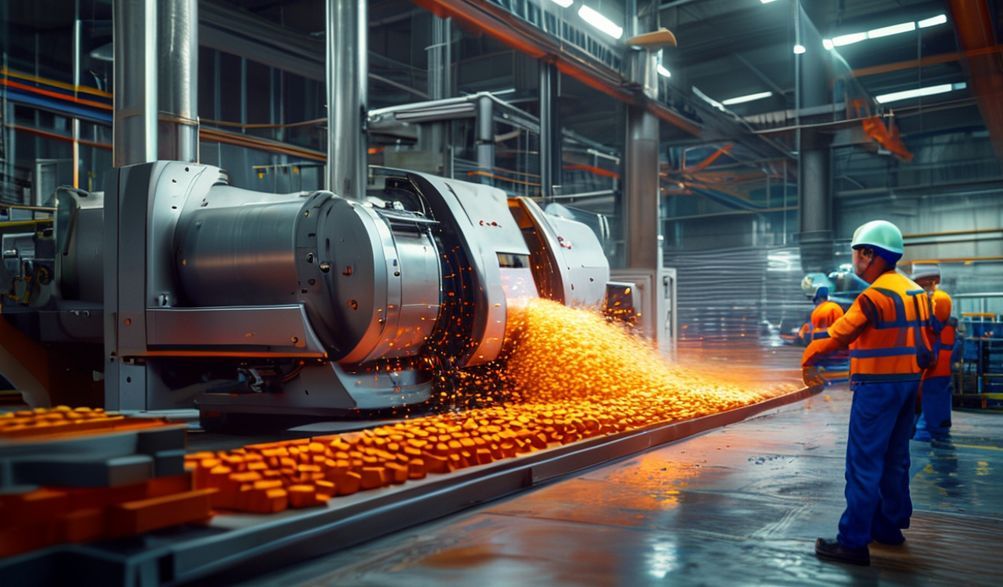
Ang Komprehensibong Gabay sa Ganap na Awtomatikong Makina ng Paggawa ng Bloke sa India: Isang Paglalakbay sa Loob ng Pabrika ng Paggawa ng Bricks ng FUDA
Hindi lang lumalaki ang sektor ng konstruksyon ng India; sumasabog ito. Dahil sa walang humpay na pagtutulak ng gobyerno para sa imprastraktura, pabahay para sa lahat, at mga smart city, umabot sa walang ulirang antas ang pangangailangan para sa mga materyales sa paggawa. Iminumungkahi ng mga ulat ng industriya ang pangangailangan para sa bilyun-bilyong brick at bloke taun-taon upang makasabay. Subalit, sa sentro ng pag-ausbong na ito ay naroon ang isang kritikal na bottleneck: ang tradisyonal, manwal na mga paraan ng paggawa ng mga pangunahing bloke ng gusali ay lalong hindi na napapanatili. Ang mga ito ay matrabaho, laganap ang kawalan ng pagkakapare-pareho, lumilikha ng malaking basura, at may mabigat na epekto sa kapaligiran.
Pumasok ang ganap na awtomatikong makina ng paggawa ng bloke—isang teknolohikal na kababalaghan na nagbabago sa kung paano nagtatayo ang India. Hindi lamang ito isang pag-upgrade; ito ay isang kumpletong pagbabagong industriyal. At sa unahan ng rebolusyong ito sa pagmamanupaktura ng India ay ang FUDA Brick Making Factory. Ang gabay na ito ay itinayo sa pundasyon ng malalim na kadalubhasaan sa industriya, teknikal na pagsusuri, at mga pananaw sa mga proseso ng isang nangungunang tagagawa. Ang aming layunin ay magbigay sa mga may-ari ng negosyo, mga kumpanya ng konstruksiyon, at mga mamumuhunan ng isang komprehensibo, mapagkakatiwalaang mapagkukunan upang maunawaan ang teknolohiyang ito, ang malalim nitong mga benepisyo, at kung paano ang pakikipagtulungan sa isang tagagawa tulad ng FUDA ay maaaring maging isang bagong yugto para sa pangmatagalang kita at paglago.
Sa pagtatapos ng artikulong ito, magkakaroon ka ng malinaw na pag-unawa sa:
* Ang mga pwersa ng merkado na nagtutulak sa automation sa India.
* Ang pangunahing teknolohiya sa likod ng mga makabagong makina na ito.
* Ano ang nagpapakilala sa isang pabrikang nakatuon sa kalidad tulad ng FUDA.
* Ang mga tunay na pakinabang ng pamumuhunan sa isang ganap na awtomatikong sistema.
* Isang praktikal na talaan ng mga dapat gawin para makagawa ng sarili mong maalam na desisyon sa pagbili.
Bakit Tinatanggap ng India ang Ganap na Awtomatikong Teknolohiya sa Paggawa ng Bloke
Ang paglipat patungo sa automation sa pagmamanupaktura ng bloke ay hindi lamang isang uso; ito ay isang estratehikong tugon sa mga natatangi at makapangyarihang pangangailangan ng modernong konstruksyon sa India.
Ang Pangangailangan ng Industriya ng Konstruksyon sa Bilis at Sukat
Mula sa proyektong Bharatmala highway hanggang sa pagpapaunlad ng maraming smart cities at ang PM Awas Yojana (Urban), napakalaki ng saklaw ng mga proyektong ito. Nangangailangan ang mga inisyatibong ito ng tuloy-tuloy at malawakang suplay ng de-kalidad na mga materyales sa paggawa sa ilalim ng mahigpit na takdang panahon. Ang ganap na awtomatikong mga planta, na kayang gumawa ng libu-libong tumpak na bloke bawat oras, ang tanging mabisang solusyon upang matugunan ang pangangailangang ito sa bilis at lawak nang hindi isinasakripisyo ang kalidad.
Pagtagumpayan ang Kakulangan sa Manggagawa at Agwat sa Kasanayan
Ang pag-asa sa manwal na paggawa para sa paggawa ng ladrilyo ay puno ng mga hamon—pana-panahong migrasyon, tumataas na gastos sa sahod, at kakulangan ng pamantayang kasanayan. Ang otomasyon ay naghihiwalay sa produksyon mula sa mga pagbabago sa mga tauhan. Ang isang ganap na awtomatikong makina ay nagsisiguro na ang produksyon ay mananatiling pare-pareho, mahuhulaan, at episyente, 24/7 kung kinakailangan, anuman ang pagkakaroon o antas ng kasanayan ng manggagawa.
Ang Kritikal na Pagtutulak para sa Pamantayan at Kalidad
India’s enhanced focus on building safety and durability, underscored by strict standards like those from the Bureau of Indian Standards (BIS), demands materials of certified strength and precise dimensions. Handmade bricks are inherently variable. In contrast, a fully automatic machine produces blocks with exceptional dimensional accuracy and consistent compressive strength, ensuring structural integrity, faster construction (due to uniform size), and reduced mortar use.
Sustainability and Environmental Regulations
Environmental compliance is no longer optional. The government actively promotes the use of industrial waste like fly ash in construction. Modern fully automatic block making machines are engineered to optimally use these materials (fly ash, slag, etc.), transforming waste into valuable resources. Furthermore, they eliminate the pollution caused by traditional coal-fired kilns, optimize raw material use to minimize waste, and significantly lower the overall carbon footprint of block production.
Understanding Fully Automatic Block Making Machines: Core Components & How They Work
To appreciate the value, one must understand the engineering excellence within these systems. A fully automatic block making machine is a synchronized orchestra of robust components.
The Heart of the System: The Hydraulic Unit
This is the powerhouse. High-pressure hydraulic systems provide the immense force required for compacting the concrete mix into a dense, strong block. The quality of the hydraulic system—its pumps, valves, and cylinders—directly determines the machine’s reliability, pressure consistency (measured in tonnes), and energy efficiency. A robust hydraulic unit ensures longevity and stable performance under continuous operation.
The Control Panel: Brain of the Operation
Gone are the days of manual levers and guesswork. The modern nerve center is a Programmable Logic Controller (PLC) with a user-friendly touch-screen interface. This “brain” allows for:
* Precision: Exact control over vibration time, pressure, and cycle times.
* Programmability: Store recipes for different block types (solid, hollow, pavers) and switch between them with a tap.
* Kadalian sa Pagpapatakbo: Simplifies complex processes, requiring minimal training for operators.
* Diagnostics: Monitors machine health and can alert operators to potential issues.
Key Production Stations: From Raw Material to Finished Block
The process is a seamless, automated flow:
1. Pagpapakain at Paghahalo: Automated conveyors and weighing systems batch raw materials (cement, fly ash, aggregate) with precision, feeding them into a mixer for a homogenous blend. Consistency here is key to quality later.
2. Paghubog at Pagpiga: The mixed concrete is fed into the mold box. Here, simultaneous high-frequency vibration and immense hydraulic pressure work together to remove air voids and compact the material, defining the block’s final density and strength.
3. Pagpapagaling at Pagpapaleta: The freshly formed block is automatically ejected onto a pallet, neatly stacked by a robotic stacker, and then transferred to a curing chamber (often a controlled steam or water spray environment) to gain its full strength. The empty pallet is automatically returned to the start of the cycle.
Spotlight on FUDA Brick Making Factory: A Benchmark in Indian Manufacturing
In a market filled with options, the manufacturer’s credibility is as important as the machine’s specifications. FUDA Brick Making Factory has established itself as a benchmark for quality and reliability.
FUDA’s Legacy and Commitment to the Indian Market
With years of specialized experience in industrial machinery manufacturing, FUDA has built a reputation grounded in technical prowess and customer success. Their deep understanding of the Indian context is crucial. Their machines are not just imported designs; they are engineered considering local raw material characteristics (like the specific properties of Indian fly ash), power supply conditions, and the demanding operational environments of Indian production sites.
Inside the FUDA Factory: Quality as a Process
Quality at FUDA is not an afterthought; it’s integrated into every step. Visiting their factory reveals a commitment to precision:
* Certified Materials: Use of high-grade steel, internationally branded hydraulic components, and quality electricals.
* Pagmamakinang sa CNC: Critical parts are fabricated using Computer Numerical Control (CNC) machines, ensuring millimeter-perfect accuracy for perfect alignment and smooth operation.
* Rigorous Assembly & QC: Each workstation follows strict assembly protocols. Quality control checks are conducted at multiple stages—from welding integrity and hydraulic line assembly to final paint and function testing.
FUDA’s Machine Range: Solutions for Every Scale
FUDA offers a portfolio designed to cater to diverse business ambitions:
* High-Capacity Stationary Plants: For large-scale block producers and construction companies supplying major projects. Capable of producing thousands of blocks per shift.
* Maraming Gamit na Saklaw ng Produkto: Their machines can be configured to produce a wide array of products, including:
* Solid and Hollow Concrete Blocks
* Pavers and Interlocking Tiles
* Kerbstones and Decorative Blocks
This flexibility allows a business to adapt to market demands.
Key Benefits of Investing in a FUDA Fully Automatic Machine
The investment transcends the machinery; it’s an investment in transforming your business model.
Unmatched Productivity and Profitability
The numbers speak for themselves. A single fully automatic line can outperform dozens of manual laborers. This massive leap in output (often 10x or more compared to semi-automatic systems) directly translates to higher sales volume and faster return on investment (ROI). Reduced direct labor costs further amplify profitability.
Consistent, Superior Quality Blocks
Every block that comes off a FUDA line is a carbon copy of the last. This exceptional consistency means:
* Mataas na Lakas ng Kompresyon: Meets and exceeds IS standards for load-bearing applications.
* Perfect Dimensions: Ensures straight walls, reduces mortar consumption, and speeds up construction.
* Excellent Surface Finish: Enhances the aesthetic appeal of the final structure.
Remarkable Operational Efficiency and Savings
Automation drives efficiency across the board:
* Pagpapainam ng Paggawa: Requires only 3-5 personnel for oversight, feeding, and pallet management.
* Raw Material Savings: Precise batching and efficient compaction minimize waste.
* Enerhiyang Mabisâ: Modern designs incorporate energy-saving features in hydraulics and motors, reducing per-block power costs.
Tibay at Pangmatagalang Pagiging Maaasahan
FUDA machines are built for the long haul. The robust construction, use of premium components, and thoughtful engineering result in:
* Minimal na Pagkaantala sa Operasyon: Reliable performance for continuous production cycles.
* Mababa ang Pangangailangan sa Pag-aalaga: Easy access for servicing and durable parts reduce maintenance frequency and cost.
* Lower Total Cost of Ownership: While the initial investment is significant, the extended service life and reduced operational costs make it a more economical choice over a decade or more.
Choosing the Right Fully Automatic Machine: A Buyer’s Checklist
Making the right choice requires careful evaluation. Use this checklist to guide your decision.
Assessing Your Production Needs and Business Goals
- What is your target daily/monthly output?
- Which block types and sizes are in highest demand in your market?
- What is the available space for the plant and curing area?
- What is your growth projection for the next 5 years?
Critical Technical Specifications to Scrutinize
- Hydraulic Pressure (Tonnage): Determines block density and strength.
- Oras ng Ikot: Seconds per cycle; defines maximum hourly output.
- Motor Power & Electrical Requirements: Impacts your power infrastructure needs.
- Antas ng Automatisasyon: From automatic material feeding to robotic palletizing.
- Pallet Size and Standard: Compatibility with existing or planned curing systems.
Beyond the Machine: Evaluating the Manufacturer
The machine is only part of the equation. The manufacturer’s support is critical.
* Serbisyong Pagkatapos ng Benta: Is there a dedicated, trained service team locally available?
* Spare Parts Inventory: Are critical spares readily available in India to minimize downtime?
* Pagkakabit at Pagkakomisyon: Do they provide supervised installation and training for your staff?
* Factory Visit: Always insist on visiting the manufacturing facility. Seeing the build quality, like at FUDA’s factory, is the best testament to their claims.
Total Cost Analysis: Investment vs. Lifetime Value
Look beyond the sticker price. Consider:
* Installation and foundation costs.
* Training for operators.
* Estimated energy and maintenance costs per year.
* Potential cost of downtime without proper service support.
A slightly higher initial investment in a reliable machine from a reputable factory like FUDA often results in a much lower total cost over its lifespan.
Frequently Asked Questions (FAQ)
Q1: What is the approximate price range for a fully automatic block making machine in India from a manufacturer like FUDA?
A: Prices vary significantly based on capacity, automation level, and configuration. A small-scale model will cost differently than a large, fully-integrated plant. For an accurate quotation tailored to your specific production goals, it is best to contact FUDA directly with your requirements.
Q2: What kind of after-sales service and warranty does FUDA offer?
A: Reputable manufacturers like FUDA typically offer a comprehensive warranty on the machine and core components. More importantly, they back it with a strong service network, including trained engineers, availability of critical spare parts, and remote technical support to ensure minimal operational disruption.
Q3: Can these machines use local raw materials like Indian fly ash?
A: Absolutely. In fact, leading manufacturers design their machines specifically for regional material mixes. FUDA’s machines are expertly engineered to optimally utilize Indian fly ash and other locally available aggregates, ensuring high-quality block production from indigenous resources.
Q4: How much manpower is required to operate a fully automatic plant?
A: This is a key advantage. While a traditional brick yard may require 20-30 laborers, a fully automatic plant typically needs only 3-5 personnel to manage the control panel, oversee raw material feeding, and handle the palletized blocks for curing, representing massive labor savings and consistency.
Q5: What is the typical lead time for delivery and installation?
A: Lead time depends on the machine model and complexity. Generally, after order confirmation, delivery can take several weeks. Reputable manufacturers work closely with clients on site preparation guidance to ensure a smooth and timely installation and commissioning process.
Conclusion
The adoption of fully automatic block making technology is a defining shift for India’s construction material sector. It directly addresses the nation’s need for speed, scale, quality, and sustainability. This isn’t just about buying a machine; it’s about future-proofing your business.
Choosing to partner with FUDA Brick Making Factory means aligning with a manufacturer whose process is rooted in precision engineering, deep market understanding, and an unwavering commitment to quality. It is a strategic decision for long-term, profitable growth.
Ready to transform your block production capabilities? Take the next step with confidence.
* Request a Detailed Brochure to explore FUDA’s technical specifications.
* Schedule a Factory Visit to witness their manufacturing excellence firsthand.
* Consult with a FUDA Technical Expert for a custom solution tailored to your business goals.
Invest in a partnership built on quality, supported by expertise, and dedicated to building a stronger India, one perfect block at a time.
<