
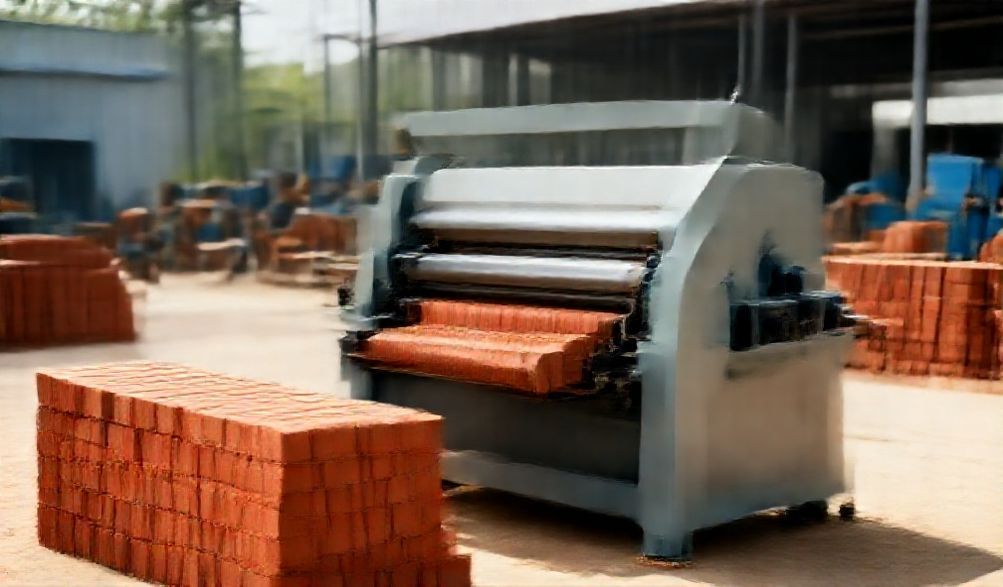
உங்கள் முழுமையான வழிகாட்டி: தமிழ்நாட்டில் களி செங்கல் தயாரிக்கும் இயந்திரங்கள் | FUDA பிளாக் மேக்கிங் தொழிற்சாலையின் நுண்ணறிவுகள்
Panimula
Mula sa sinaunang mga templo ng Madurai hanggang sa mga umuusbong na koridor ng IT sa Chennai, ang tanawin ng Tamil Nadu ay itinayo sa pundasyon ng mga ladrilyong luwad. Itong payak na materyal ang humubog sa pagkakakilanlan ng arkitektura ng estado sa loob ng maraming siglo. Sa kasalukuyan, ang malawakang pag-ausad ng konstruksiyon—mula sa mga residensyal na kompleks, industriyal na parke, hanggang sa imprastruktura ng lungsod—ay nagtutulak ng pambihirang pangangailangan para sa de-kalidad na mga materyales sa paggawa.
Gayunpaman, para sa maraming lokal na tagagawa at negosyante, ang pagtugon sa pangangailangang ito gamit ang tradisyonal na manwal na pamamaraan ay isang patuloy na pakikibaka. Ang pagmamold ng mga ladrilyo sa kamay ay matrabaho, napakabagal, at puno ng mga hindi pagkakapare-pareho sa sukat at tibay. Ito ay humahantong sa nasasayang na materyales, hindi maaasahang supply chain, at kawalan ng kakayahang makipagkumpetensya para sa mas malaki at mas kikitain pang mga kontrata.
Ang solusyon? Makanisasyon. Pamumuhunan sa isang modernongகளிமண் செங்கல் தயாரிக்கும் இயந்திரம் தமிழ்நாடுHindi na ito isang luho; ito ay isang estratehikong pangangailangan para sa paglago at kaligtasan. Ang gabay na ito ay magsisilbing iyong komprehensibong sanggunian, batay sa mga pinakamahuhusay na pamamaraan ng industriya at mga pananaw mula sa mga naitatag na manlalaro tulad ngPabrika ng paggawa ng bloke ng FUDALayunin namin na magbigay sa iyo ng mapagkakatiwalaan at magagamit na impormasyon—na nakabatay sa karanasan, ekspertisa, awtoridad, at pagiging mapagkakatiwalaan (E-E-A-T)—upang makagawa ka ng tiwala at maalam na pamumuhunan para sa kinabukasan ng iyong negosyo.
Bakit Mag-mechanize? Ang Mga Benepisyo ng Makina sa Paggawa ng Clay Brick
Ang paglipat mula sa manwal patungo sa makina-based na produksyon ay isang malaking pagbabago. Ang mga benepisyo ay higit pa sa simpleng paggawa ng mga ladrilyo nang mas mabilis; binabago nito ang iyong buong modelo ng negosyo, pinapahusay ang kalidad, kahusayan, at kita.
Walang Kapantas na Pagkakapare-pareho at Natatanging Kalidad
- Precision Engineering:Ang mga makina ay gumagawa ng mga ladrilyo na may eksaktong at pare-parehong sukat sa bawat pagkakataon. Ang katumpakang ito ay napakahalaga para sa makabagong konstruksyon, na tinitiyak ang mas mabilis na paglalagay, mas kaunting paggamit ng mortar, at mga pader na matatag ang istruktura.
- Pinakamainam na Pagpapatigas:Ang haydroliko o mekanikal na presyon ay nagpapatibay ng pinaghalong luwad sa isang pantay na densidad, na tuwirang nagreresulta sa mas mataas na lakas ng pagpiga, mas mahusay na tibay, at mas matagal na istruktura kumpara sa pabagu-bagong densidad ng mga gawang-kamay na ladrilyo.
Dramatikong Pagtaas ng Produksyon
- Lakas ng Paglaki:Habang ang isang bihasang artesano ay maaaring makagawa ng 500-800 brick sa isang buong araw, ang isang pangunahing semi-awtomatikong makina ay makapagpoprodyus ng 2,000-3,000 brick sa isang 8-oras na turno. Ang mga ganap na awtomatikong planta, tulad ng mga ginagamit ng malalaking operasyon, ay maaaring maglabas ng sampu-sampung libong yunit araw-araw.
- Pagtugon sa PangangailanganAng napakalaking pagtaas na ito sa produksyon ay nagbibigay-daan sa iyo upang mapagkakatiwalaang masuplay ang mga proyekto ng pabahay, mga komersyal na tagapagtayo, at mga kontrata ng gobyerno, na ginagawang isang mahalagang ugnay ang iyong yunit sa supply chain ng konstruksyon ng Tamil Nadu.
Malaking Pagbawas sa Gastos sa Paggawa at Pagdepende
- Pag-optimize ng Lakas-TrabahoPinapadali ng mekanisasyon ang mga pinakamabibigat na gawain—paghahalo, paghuhulma, at pagpapatatag. Nababawasan nito ang pisikal na pagod at pinapayagan ang muling pagtatalaga ng mga bihasang manggagawa sa pangangasiwa, kontrol sa kalidad, at logistika.
- Paglutas sa KakapusanSa pagdami ng migrasyon mula sa kanayunan patungo sa lungsod, ang paghahanap ng patuloy na lakas-paggawa ay isang hamon. Ang mga makina ay nagbibigay ng katatagan sa operasyon at nagbabawas ng iyong kahinaan sa kakulangan ng manggagawa at pabagu-bagong pangangailangan sa sweldo.
Pinahusay na Kahusayan sa Materyal at Pagtipid sa Gastos
- Nabawasang Basura:Ang mga manu-manong proseso ay kadalasang nagdudulot ng malaking pag-aaksaya ng luad dahil sa pagtapon at hindi regular na paghuhulma. Ang mga makina ay gumagamit ng tiyak na sinusukat na dami ng materyal para sa bawat laryo, na nag-o-optimize ng pagkonsumo ng hilaw na materyales.
- Mas Mababang Gastos Bawat Yunit:Ang pinagsamang pagtitipid mula sa nabawasang paggawa, mas mababang nasasayang na materyales, at mas mataas na dami ng produksyon ay lubos na nagpapababa sa gastos sa produksyon bawat laryo, direktang nagpapalaki sa inyong mga margin ng kita.
Paggalugad sa mga Uri ng Makina sa Paggawa ng Laryo na Lupa (Sikat sa Tamil Nadu)
Ang pamilihan ay nag-aalok ng iba't ibang uri ng makina na angkop sa iba't ibang antas ng operasyon at pinansyal na kakayahan. Ang pag-unawa sa mga uri na ito ang unang hakbang sa pagpili ng tamang akma para sa iyong negosyo.
Manual / Manu-manong Paggawa ng Makina ng Ladrilyo
- Pinakamainam Para Sa:Micro-enterprises, village-level startups, and entrepreneurs testing the market.
- Mga Pangunahing Tampok: Low initial investment, no power requirement, and high portability. They involve manually feeding the mixture and using a lever to compress it into a mold.
- Output: Can significantly improve consistency over purely handmade methods, with a production of 300-500 bricks per day.
Mga Semi-Awtomatikong Makina ng Paggawa ng Bato
- Pinakamainam Para Sa: Small to medium-scale businesses (SMEs) looking to scale up sustainably. This is one of the most popular choices across Tamil Nadu.
- Mga Pangunahing Tampok: These electrically powered machines automate the mixing, compaction, and molding processes. An operator is needed to feed raw material and remove finished bricks.
- Output: Offers an excellent balance, producing between 2,000 to 6,000 bricks per 8-hour shift, depending on the model and brick size.
Mga Ganap na Awtomatikong Halaman sa Paggawa ng Briks
- Pinakamainam Para Sa: Large-scale manufacturers like the Pabrika ng paggawa ng bloke ng FUDA, aiming for mass production to supply major projects.
- Mga Pangunahing Tampok: These are complete production lines with automated material handling, mixing, molding, curing, and stacking systems. They require a higher initial investment and more space but deliver maximum efficiency.
- Output: Production can exceed 10,000 to 50,000 bricks per day, making them ideal for meeting bulk orders consistently.
Specialized Machines: Hollow Block, Paver, Interlocking Brick Makers
- Market Diversification: Beyond solid clay bricks, demand is growing for specialized products. Many machines come with interchangeable molds.
- Hollow Blocks: Lighter weight, better insulation, and reduced material cost.
- Pavers & Interlocking Bricks: For landscaping, driveways, and pavements, catering to the booming real estate and urban development sectors.
Key Features to Evaluate Before Buying a Machine
Choosing the right machine requires careful consideration of your specific needs and local conditions. Don’t just look at the price tag; evaluate these critical features.
Production Capacity (Bricks per Hour/Day)
- Align with Goals: Honestly assess your current orders and projected growth. Buying an undersized machine will leave you unable to meet demand, while an oversized one will strain your finances. Calculate based on brick type and size.
Brick Type and Size Versatility
- Future-Proofing: A machine that allows for easy mold changes lets you adapt to market trends. Check if the supplier offers molds for different brick sizes (e.g., 4”, 6”, 9”) and types (solid, hollow, perforated).
Power Requirement (Electric, Diesel, Hybrid)
- Critical for Tamil Nadu: While electric motors are common, power fluctuations or outages in some areas can halt production. Diesel engines offer independence but have higher fuel costs. Hybrid models provide a flexible backup. Assess your local power reliability.
Durability & After-Sales Support
- Kalidad ng Pagkakagawa: Inspect the frame, hydraulics, and mold quality. Machines with robust, wear-resistant parts may cost more upfront but save on downtime and repair costs.
- Local Service Network: This is non-negotiable. Ensure the supplier or manufacturer has a reliable service team and spare parts inventory within Tamil Nadu. Prompt support is crucial for minimizing production losses.
Spotlight: FUDA Block Making Factory – A Case Study in Efficiency
Examining established players provides a blueprint for success. While specific proprietary details may not be public, the operational principles of a factory like FUDA offer valuable lessons.
Who is FUDA? Establishing Authoritativeness
- FUDA represents the class of established, forward-thinking manufacturers in the region. Their longevity and scale in the block and brick manufacturing sector demonstrate a successful adaptation to market demands through mechanization and process optimization.
Machine Integration in Their Production Line
- A factory at this scale likely operates a fully or highly automated plant. The workflow is seamless:
- Raw Material Processing: Local clay is fed into automated crushers and mixers to achieve a perfectly consistent blend.
- Paghubog at Pagpiga: The mixture is conveyed to high-pressure automatic brick making machines for shaping.
- Curing & Drying: Newly formed bricks move on conveyor belts to dedicated drying yards or chambers, followed by systematic water curing to achieve maximum strength.
- Automated Stacking: Finally, bricks are automatically stacked and prepared for dispatch.
- This integration minimizes human handling, maximizes speed, and ensures product uniformity from the first brick to the ten-thousandth.
The Tangible Business Outcomes
- By adopting such mechanized systems, a factory like FUDA achieves key outcomes:
- Pagiging Maasahan ng Supply Chain: The ability to guarantee large, consistent volumes makes them a preferred supplier for major construction firms and infrastructure projects.
- Enhanced Competitiveness: High efficiency lowers the per-unit cost, allowing competitive pricing while maintaining healthy profit margins.
- Brand Reputation: Delivering uniform, high-strength bricks consistently builds a reputation for quality and trust, which is invaluable in the construction industry.
Setting Up Your Machine for Success in Tamil Nadu
Buying the machine is only half the battle. Proper setup and operation are key to realizing its full potential.
Sourcing Quality Raw Materials Locally
- Clay Testing: The quality of your brick depends on the clay. Test local soil for its plasticity, shrinkage, and iron content. Districts like Tirunelveli, Vellore, and Kancheepuram have known clay deposits suitable for brick making.
- Mix Consistency: Aim for a consistent mix of clay, sand (for reducing shrinkage), and water. The right proportion is critical for the machine to function smoothly and produce strong bricks.
Site Preparation and Basic Infrastructure Needs
- Adequate Space: You need space for the machine, raw material storage, a mixing area, a drying yard, and a curing area. Plan for easy material flow.
- Strong, Level Flooring: The machine must be installed on a solid, level concrete base to prevent vibrations and misalignment.
- Shelter: Protect the machine from direct rain and sun to extend its lifespan.
- Utilities: Ensure access to the required power connection and a reliable water source for mixing and curing.
The Curing Process: Essential for Strength
- Pagpapatuyo: After molding, bricks must be dried slowly to prevent cracking. In Tamil Nadu’s climate, initial sun-drying should be controlled; shaded drying yards are ideal.
- Water Curing: Bricks gain most of their strength through proper water curing. They should be kept moist for 7-14 days after drying. This step cannot be rushed—it is what creates a durable, weather-resistant final product.
Operator Training and Safety Protocols
- Invest in Training: A well-trained operator can optimize output, perform basic maintenance, and identify minor issues before they become major breakdowns. Insist on comprehensive training from your supplier.
- Safety First: Ensure all moving parts are guarded. Operators should use safety gloves, goggles, and boots. Establish clear protocols for machine operation and emergency shutdowns.
Navigating the Market: Cost & Supplier Selection in Tamil Nadu
Making a smart purchase involves diligent research and asking the right questions.
Understanding Pricing Factors
- Antas ng Automation: Manual machines can start from a few thousand rupees, semi-automatic models range from ₹2-10 lakhs, and fully automatic plants can cost ₹20 lakhs and above.
- Tatak & Pinagmulan: Internationally branded or high-end Indian machines cost more but may offer better technology. Reliable Indian manufacturers provide robust options at competitive prices.
- Capacity & Features: Higher output capacity, additional features like auto-feeding, and the number of included molds will increase the price.
Identifying Reputable Manufacturers & Suppliers
- Verify Track Record: Research the company’s history. How long have they been in business?
- Visit if Possible: A factory visit reveals build quality and operational scale. Ask to see machines running.
- Check Client Testimonials: Speak directly to other brick manufacturers in Tamil Nadu who use their equipment. This is the most reliable reference.
- Compare Support: Evaluate their after-sales service promise, warranty period, and spare parts logistics.
Key Questions to Ask Before Purchase
- What is the exact warranty coverage and duration?
- Do you provide on-site installation and commissioning?
- Is operator training included?
- What is the availability and cost of critical spare parts?
- Can you provide contact details for 2-3 current customers in a similar district whom I can speak to?
- What is the recommended maintenance schedule?
Mga Madalas Itanong (FAQ)
Q1: What is the approximate price range for a clay brick making machine suitable for a small business in Tamil Nadu?
A: For a small-scale startup, a manual machine can cost between ₹50,000 to ₹1.5 lakhs. A entry-level semi-automatic machine, which is highly recommended for serious small businesses, typically ranges from ₹2 lakhs to ₹5 lakhs, depending on capacity and features.
Q2: Can these machines use different types of local soil or clay found across Tamil Nadu districts?
A: Yes, most machines are designed to work with a variety of clayey soils. However, the soil may need to be tempered—mixed with sand or other additives—to achieve the right plasticity and shrinkage properties. It’s advisable to get your local soil tested and consult with the machine supplier on the ideal mix formula.
Q3: How much power (in kW or HP) is typically required to run a semi-automatic brick making machine?
A: A standard semi-automatic machine for making solid bricks usually requires a motor in the range of 5 HP to 10 HP (approximately 3.7 kW to 7.5 kW). Always confirm the exact requirement with the specific model you are considering.
Q4: What is the average payback period on the investment for a medium-capacity machine?
A: With efficient operation and good market demand, a well-run semi-automatic brick making unit can often see a payback period of 12 to 24 months. This depends heavily on factors like production efficiency, raw material cost, local brick prices, and sales volume.
Q5: Besides the machine itself, what are the other major setup costs I should budget for?
A: Key additional costs include: site development (leveling, flooring, shed), raw material stockpile, a mixer (if not integrated), trolleys for material handling, a water pump and tank for curing, electrical setup (transformers/wiring), and initial working capital for labor and materials for the first few months.
Q6: Are there any government subsidies or schemes for setting up a brick manufacturing unit in Tamil Nadu?
A: Schemes for MSMEs (Micro, Small, and Medium Enterprises) can sometimes be applicable. It is recommended to check with the Tamil Nadu Industrial Investment Corporation (TIIC) or your local District Industries Centre (DIC) for the most current information on credit-linked capital subsidy schemes, interest subsidies, or other support for manufacturing units.
Konklusyon
The journey from manual brick-making to mechanized production is the definitive path to scaling your business and securing a competitive edge in Tamil Nadu’s vibrant construction market. Investing in the right clay bricks making machine is an investment in consistency, quality, and long-term profitability.
Let the operational insights from successful entities like the Pabrika ng paggawa ng bloke ng FUDA serve as your benchmark. Their success underscores the importance of choosing durable equipment, setting up efficient processes, and prioritizing after-sales support.
Use this guide as your foundational research. Take the next step: visit supplier workshops, request live demonstrations, and, most importantly, speak directly with existing machine owners in your region. There is no substitute for first-hand experience. By making an informed, strategic decision today, you are not just buying a machine—you are building the foundation for your business’s future growth, ready to meet the demands of a state that is constantly building upwards and outwards.
<