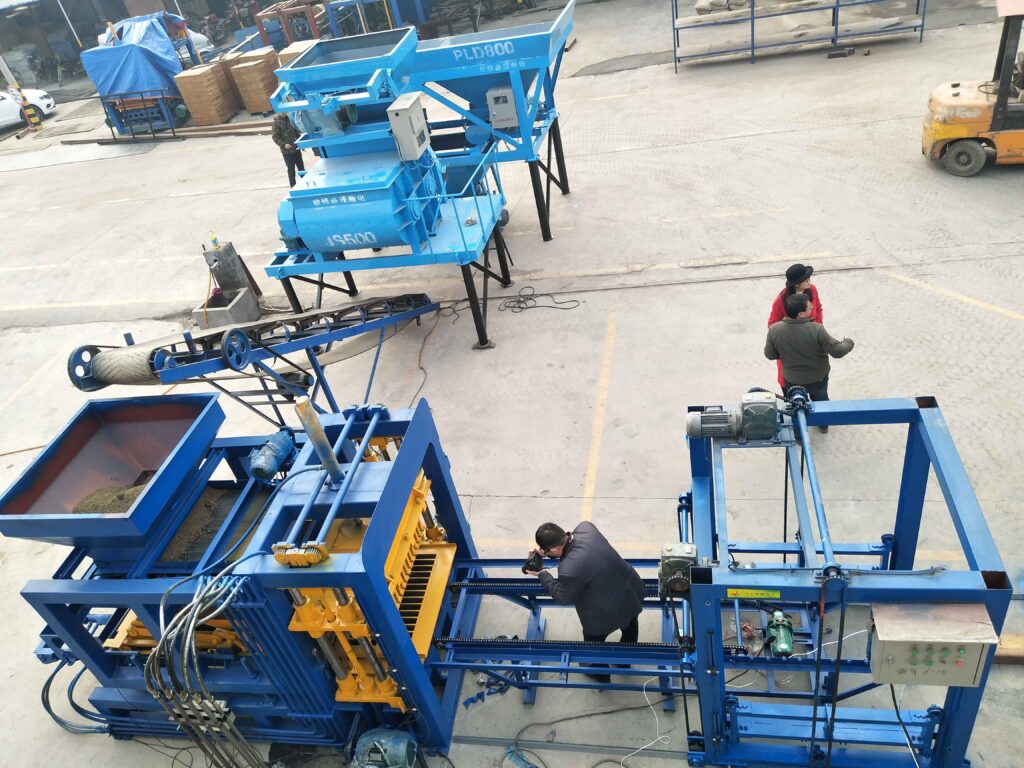
Panimula: Ang Agham ng Integridad ng Estruktura sa Makabagong Masonerya
Sa isang panahon kung saan ang kaligtasan ng gusali, kahusayan ng materyales, at pagsunod sa regulasyon ang pangunahing pamantayan sa konstruksiyon, ang pangunahing katangiang nagtatakda ng kalidad ng isang masonry unit ay ang compressive strength nito. Ang block brick compression machine ang siyang mahalagang ugnayan kung saan ang mga hilaw na materyales ay nagiging mga istruktural na sangkap na kayang magdala ng napakalaking bigat. Para sa mga distributor, dealer, at procurement specialist, ang teknolohiyang ito ay hindi lamang tungkol sa paghubog ng mga hugis; ito ay tungkol sa pag-iinhinyero ng mismong gulugod ng ligtas at matibay na mga istruktura. Sumasagisag ang kagamitang ito sa prinsipyo na ang tunay na halaga ng isang brick o block ay wala sa itsura nito, kundi sa sertipikadong kakayahang gumana sa ilalim ng stress—isang katangiang maingat na ininhinyero sa yugto ng pagpiga.
Ang kategorya ng makinaryang ito ay dalubhasa, nakatuon sa paggamit ng matinding mekanikal na presyon upang pagsama-samahin ang mga partikular na materyales at gawing siksik at magkakaugnay na mga yunit pangkonstruksiyon. Ang proseso ay isang tiyak na agham, kung saan tinutumbasan ang komposisyon ng hilaw na materyales, nilalaman ng halumigmig, at inilalapat na puwersa upang makamit ang isang paunang natukoy at pare-parehong pagganap na istruktural.
Ang Engineering Core: Mga Prinsipyo ng High-Pressure Consolidation
1.1 Ang Pisika ng Kompresyon: Higit sa Simpleng Paghubog
Ang aksyon ng isang compression machine ay lubhang naiiba sa simpleng paghubog o mga pamamaraan na batay sa bibrasyon. Ito ay nakasalalay sa paglalapat ng tuluy-tuloy at napakalaking puwersa upang makamit ang muling pagsasaayos ng mga partikula at pagkakawing sa mikroskopikong antas.
- Pag-aayos ng Partikula at Pagkakabit-kabit:Ang proseso ay nagsisimula habang ang semi-tuyong halo, na binubuo ng mga agregado, binder (tulad ng semento o apog), at iba pang mga additive, ay ipinapasok sa lukab ng hulma. Ang unang paglalapat ng puwersa ay nagdudulot ng pagdulas ng mga partikula sa isa't isa, pumupuno sa mga puwang at nakakamit ng mas siksik na kaayusan ng pagkakapak. Habang tumataas ang presyon, ang mga punto ng kontak sa pagitan ng mga partikula ay nagiging mga lugar ng malaking stress, na nagdudulot ng lokal na pagpapapangit at mekanikal na pagkakabit. Lubha nitong binabawasan ang porosidad at lumilikha ng magkakaugnay, monolitikong istruktura.
- Ang Tungkulin ng Binder sa Kompresyon:Sa isang sistema na batay sa semento, ang binder at tubig ay bumubuo ng isang pasta na bumabalot sa mga partikulo ng aggregate. Sa ilalim ng mataas na presyon, ang pastang ito ay pinipilit papasok sa pinakamaliit na mga puwang. Ang enerhiya ng pagpapatigas ay tila nagpapataas din ng mga paunang reaksiyon ng hydrasyon, na humahantong sa pagbuo ng mas mataas na "green strength" kaagad pagkatapos ng pag-eject. Pinapayagan nitong mahawakan ang bloke nang walang pinsala, isang mahalagang salik para sa mga awtomatikong linya ng produksyon. Ang panghuling lakas ay ganap na natatamo sa susunod na pagpapahinog.
1.2 Pangunahing Mga Subsystem ng Isang Makina ng Mataas na Presyur na Kompresyon
Ang kakayahang magbigay ng tuluy-tuloy at mataas na puwersa ng presyon nang paulit-ulit ay bunga ng isang pinagsanib na sistema ng matitibay na mga sangkap.
- Ang Hydraulic Power Unit (HPU):Ito ang puso ng makina. Binubuo ito ng isang de-kuryenteng motor, mga hydraulic pump, mga reservoir, mga balbula, at mga actuator. Ang mga modernong HPU ay dinisenyo para sa kahusayan, kadalasang nagsasama ng mga variable displacement pump at mga sistema ng accumulator na nag-iimbak ng enerhiya, naghahatid ng mataas na daloy ng likido para sa mabilis na paggalaw ng silindro at mataas na presyon para sa yugto ng pagpiga habang pinapaliit ang pangkalahatang konsumo ng kuryente. Ang pagiging maaasahan ng HPU ang direktang nagtatakda ng oras ng operasyon at pagganap ng makina.
- Ang Pagkakabit ng Frame at Molde ng Pahayagan:Ang balangkas ay dapat na isang lubhang matibay na istruktura, karaniwang gawa sa mga plakang bakal na may mataas na tensile at mga pampatibay. Ang layunin nito ay upang mapaglabanan ang buong puwersa ng pagpiga nang walang pagyuko, dahil ang anumang pagkaliko ay magdudulot ng mga pagkakaiba sa kapal at densidad ng bloke. Ang pagtitipon ng hulma, kabilang ang mismong kahon ng hulma at ang ulo ng pagpiga, ay ginawa mula sa mga espesyal na pinatigas at lumalaban sa pagkasira na mga haluang metal upang matiis ang magaspang na katangian ng hilaw na timpla at mapanatili ang kawastuhan ng sukat sa paglipas ng milyun-milyong mga siklo.
- Ang Sistema ng Kontrol at Feedback: At the core of a modern compression machine is a Programmable Logic Controller (PLC). This system does more than just initiate the press cycle; it precisely controls the pressure ramp-up, the dwell time at maximum pressure, and the decompression phase. Integrated pressure transducers provide real-time feedback to the PLC, ensuring that every block is compressed with the exact same force, batch after batch. This closed-loop control is the key to unparalleled product consistency.
The Critical Determinants of Final Product Strength
Achieving the target compressive strength is not solely a function of the machine’s power. It is the result of a carefully balanced equation involving several factors.
2.1 The Raw Material Matrix: A Precise Recipe
The quality of the input materials is paramount. The aggregate must be well-graded, meaning a mix of particle sizes that pack together efficiently, minimizing voids. The binder content must be sufficient to coat all aggregate particles and form a strong matrix. The moisture content is arguably the most sensitive variable; too little hinders binder activation and leads to lamination, while too much causes sticking and reduces green strength.
2.2 The Pressure Profile: Force, Dwell, and Release
The machine’s pressure application is not a simple impulse. The “dwell time”—the duration for which maximum pressure is maintained—is critical. It allows for stress relaxation within the material, ensuring the compaction is thorough and not just superficial. The rate of pressure release can also affect the block’s integrity, with a controlled release being preferable to a sudden one.
2.3 Curing and Its Synergy with Compression
While compression gives the block its initial form and density, proper curing is what allows it to achieve its potential strength. The dense, low-porosity structure created by high-pressure compression actually slows down the ingress of water needed for curing. Therefore, steam curing in a controlled chamber is highly synergistic with this production method, as the heat and humidity drive the hydration reaction more effectively, allowing the block to achieve its specified strength much faster.
Strategic Advantages for the Distribution Channel
3.1 Delivering Certified Quality and Market Confidence
For your clients, investing in a compression-focused machine is an investment in market credibility and risk mitigation.
- Guaranteed Compliance with International Standards: Compression machines are engineered to produce blocks that consistently meet or exceed ASTM, ISO, and other national standards for compressive strength (e.g., 15-20 MPa for standard blocks, and much higher for paving units). This provides architects, engineers, and contractors with the confidence that the materials are fit for purpose, facilitating easier approval for large-scale projects.
- Superior Product Performance Characteristics: The high density achieved through compression results in blocks with lower water absorption, higher abrasion resistance, and improved frost durability. This makes them ideal for harsh climates, paving applications, and below-grade construction, opening up premium market segments.
- Enhanced Brand Reputation and Value: A manufacturer known for producing high-strength, certified blocks can command a higher price point and build a reputation for reliability. This brand equity is a powerful business asset, protecting against competition based solely on low cost.
3.2 Technical Evaluation for Procurement Excellence
Guiding clients to the right machine requires a deep dive into specifications that truly matter.
- Evaluating Compaction Force and Consistency: The nominal pressure in tons is a starting point, but the consistency of that pressure is more important. Inquire about the control system’s ability to maintain pressure setpoints and the presence of pressure sensors for feedback. A machine that claims 200 tons but has a variance of ±10 tons is inferior to one rated at 190 tons with a variance of ±1 ton.
- Assessing Structural Rigidity and Durability: Examine the design of the press frame. Look for features like box-type construction, thick steel cross-sections, and finite element analysis (FEA) in the design process. The quality of the hydraulic hoses, fittings, and seals are indicators of the machine’s long-term reliability and resistance to leaks and downtime.
- Analyzing the Total Cost of Ownership (TCO): Beyond the purchase price, consider energy consumption (look for machines with energy-efficient HPUs), the expected lifespan of wear parts like mold liners, and the availability and cost of spare parts. A machine with a slightly higher initial cost but lower operating and maintenance expenses often provides a better TCO.
Conclusion: Engineering the Foundation of Trust
The block brick compression machine is the definitive technology for manufacturers who prioritize structural performance and quality assurance above all else. It represents a commitment to scientific manufacturing principles, where every unit produced is a testament to precision engineering and controlled force. In a market increasingly defined by safety standards and performance specifications, this machinery provides the ultimate tool for compliance and competitive advantage.
For the distribution and procurement network, mastery of this technology segment signifies a move into a high-value, consultancy-led sales approach. By understanding and communicating the intricate relationship between compression force, material science, and final product performance, you empower your clients to build not just structures, but legacies of safety and durability. The future of masonry is being forged under pressure, and it is a future built on a foundation of certified strength.
Mga Madalas Itanong (FAQ)
Q1: How does a compression machine differ from a vibration-based machine?
A: The primary difference is the dominant force used for consolidation. Vibration-based machines use high-frequency shaking to fluidize the concrete mix, allowing it to settle in the mold. They are often faster but may struggle with very stiff, semi-dry mixes. Compression machines use static, high mechanical pressure to force the particles together, resulting in a denser, less porous, and typically stronger product with higher immediate green strength. Many high-end machines combine both vibration and compression for optimal results.
Q2: What is the “green strength” of a block, and why is it important?
A: Green strength refers to the mechanical strength of a block immediately after it is ejected from the machine, before it has undergone any curing. High green strength is critical for automated production because it allows the block to be handled by robotic arms, stacked on pallets, and transported to the curing area without cracking, deforming, or having its edges break. Compression machines are specifically designed to impart very high green strength.
Q3: Can compression machines produce all types of concrete blocks and bricks?
A: They are exceptionally versatile and can produce a wide range of products, including solid and hollow blocks, paving stones, and interlocking bricks. However, the machine must be specifically configured with the appropriate pressure and mold for each product type. For instance, producing a thick, solid block requires more force and potentially a different pressure profile than producing a thin, hollow block.
Q4: What are the most common maintenance requirements for these machines?
A: Maintenance is focused on the high-wear components and the hydraulic system. Key tasks include:
- Daily: Visual inspection for hydraulic leaks, checking oil levels, and cleaning the mold and press head.
- Weekly: Greasing all bearings and guide columns, checking for loose bolts, and inspecting hydraulic hoses for wear.
- Monthly: Checking and calibrating pressure sensors, inspecting electrical connections, and replacing hydraulic oil filters as needed.
- As Needed: Replacing wear parts like mold liners, seal kits in hydraulic cylinders, and the compression head itself.
Q5: How do we determine the optimal moisture content for the raw material mix?
A: The optimal moisture content is determined through a series of laboratory Proctor tests or, more practically, through factory trials. It is the moisture level at which the mix achieves maximum density under a given compaction effort. A simple field test is the “hand-squeeze” test: a handful of the mix should form a ball that holds its shape without crumbling or leaving excessive moisture on the hand. Precise control is achieved using automated water dosing systems integrated with the mixer.
Q6: What kind of foundation is required for a large compression machine?
A: A massive, reinforced concrete foundation is absolutely mandatory. The foundation must be designed to absorb the dynamic shock loads and vibrations generated during the compression cycle, preventing any movement that could misalign the machine or cause it to settle unevenly. The machine supplier should always provide a detailed foundation drawing specifying the concrete grade, reinforcement, and anchor bolt placements. Improper foundation is a leading cause of machine performance issues and premature failure.