
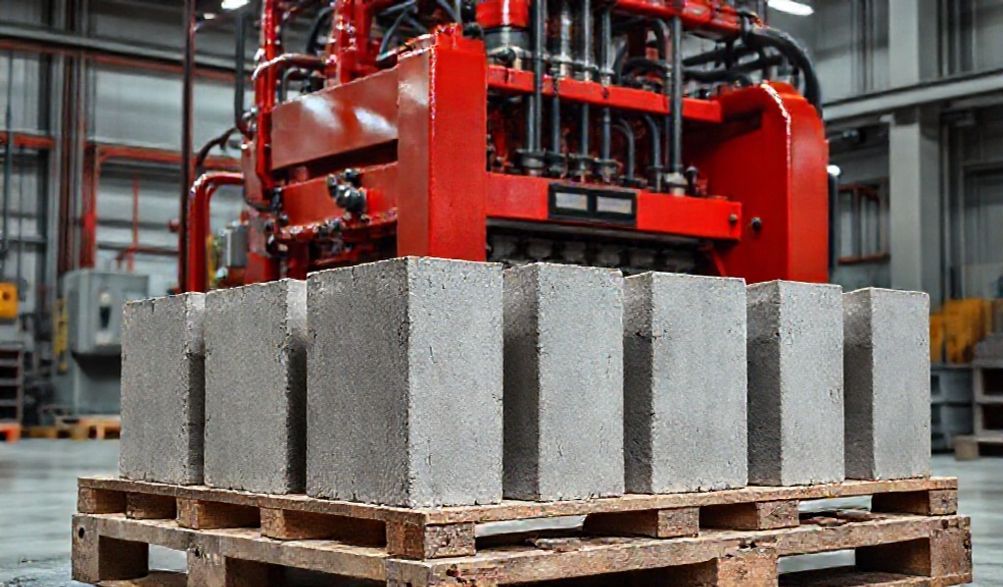
Alemanya Teknolohiya Brick Making Machines: Tumpak na Inhinyeriya para sa Makabagong Konstruksiyon
Mahigit isang siglo nang nakatindig ang pariralang "Made in Germany" bilang isang pandaigdigang tatak ng kalidad, kumakatawan sa isang matatag na pangako sa presisyon, tibay, at inobasyon. Ang reputasyong ito, na hinubog sa mga industriya mula sa automotive hanggang pharmaceuticals, ay isang kritikal na kalamangan sa larangan ng construction machinery. Habang tumataas ang pandaigdigang pangangailangan para sa de-kalidad, sustainable, at cost-effective na mga materyales sa paggawa, ang teknolohiya sa likod ng kanilang produksyon ay naging napakahalaga. Dito pumapasok ang Germany technology brick making machines: ang rurok ng awtomatiko at matalinong pagmamanupaktura para sa paggawa ng mga ladrilyo, bloke, at paver.
Ang mga makinaryang ito ay higit pa sa simpleng kagamitan sa pagmamanupaktura; sila ay mga integradong sistema na ininhinyero upang maghatid ng walang kapantay na pagkakapare-pareho, tibay, at kahusayan. Para sa mga negosyo sa konstruksiyon, mga tagapamahala ng planta, at mga mamumuhunan, ang pagpili ng makina ng paggawa ng ladrilyo ay isang pangmatagalang estratehikong desisyon na nakakaapekto sa mga timeline ng proyekto, gastos ng materyales, at pangkalahatang pagiging posible ng negosyo. Ang komprehensibong gabay na ito ay tutuklas kung bakit ang inhinyeriyang Aleman ang nagtatakda ng pandaigdigang pamantayan, magdedetalye ng mga tunay na benepisyo para sa iyong operasyon, at magbibigay ng malinaw na balangkas para sa paggawa ng isang maalam na pamumuhunan. Lilampasan namin ang mga claim sa marketing upang maghatid ng mapagkakatiwalaang impormasyon na nakabatay sa mga pangunahing prinsipyo ng kahusayan sa pagmamanupaktura ng Alemanya.
Bakit Kasingkahulugan ng Germany ang Advanced Manufacturing
Ang pamumuno ng makinaryang Aleman ay hindi aksidente. Ito ay bunga ng isang malalim na nakatanim na pilosopiyang kultural at industriyal na nagbibigay-prioridad sa pangmatagalang halaga kaysa sa mga panandaliang pakinabang. Ang etos na ito ay nakapaloob sa bawat engranaje, bawat balbula ng haydroliko, at bawat linya ng kontrol na kodigo sa isang makina ng paggawa ng ladrilyo na gawa sa teknolohiyang Aleman.
Isang Pamana ng Kahusayan sa Inhinyeriya (Kadalubhasaan)
Ang kasaysayan ng Alemanya bilang isang makapangyarihang bansa sa mabibigat na makinarya at pang-industriyang pagmamanupaktura ay nagsimula pa noong huling bahagi ng ika-19 na siglo. Ang pamana na ito ay lumikha ng isang ekosistema ng mga pamantasan sa inhenyeriya na de-kalibre sa mundo, isang lubhang bihasang teknikal na manggagawa, at isang supply chain na nakatuon sa paggawa ng mga de-kalidad na sangkap. Ang tatak na "Gawang Alemanya," na unang ipinakilala bilang marka ng pinagmulan noong huling bahagi ng 1800s, ay natural na umunlad bilang sagisag ng pagiging maaasahan at kahusayan sa paggawa. Sa konteksto ng makinarya sa paggawa ng ladrilyo, ito ay nangangahulugan ng mga disenyong lubusang sinubok, itinayo upang magtagal ng mga dekada, at patuloy na pinauunlad batay sa datos ng aktwal na pagganap mula sa mga site sa buong mundo.
Mga Pangunahing Prinsipyo: Katumpakan, Tibay, at Pagbabago (May Awtoridad)
Ang tatlong prinsipyong ito ay ang hindi maikakait na haligi ng inhinyeriyang Aleman:
* Precision:Ang mga pagpapaubaya ay sinusukat sa mikron. Sa paggawa ng ladrilyo, nangangahulugan ito ng mga hulmang gumagawa ng mga bloke na may eksaktong katumpakan sa sukat, tinitiyak ang pare-parehong laki na nagpapabilis sa paglaladrilyo at nagbabawas sa paggamit ng mortar.
* Tibay:Ang mga makina ay itinatayo na may siklo ng buhay na sinusukat sa mga dekada, hindi sa mga taon. Ito ay nakakamit sa pamamagitan ng paggamit ng mga de-kalidad na materyales at pagpapahusay sa mga kritikal na punto ng stress upang makatiis sa 24/7 na operasyon sa ilalim ng mabigat na karga.
* Inobasyon:Hindi lamang ito tungkol sa mga bagong tampok; ito ay tungkol sa paglutas ng mga praktikal na problema. Ang inobasyon ay nakatuon sa pagpapataas ng kahusayan sa enerhiya, pagbabawas ng pagkasira, at pagsasama ng matalinong teknolohiya na pumipigil sa mga pagkabigo bago pa man ito mangyari.
Driving Global Standards in Automation and Sustainability
Germany is the birthplace of the Industry 4.0 concept—the fusion of physical production with digital intelligence. This philosophy directly influences modern brick making machines:
* IoT (Internet of Things): Sensors monitor hydraulic pressure, vibration frequency, motor temperature, and oil quality in real-time.
* Data Analytics: This data is used to optimize cycle times, predict maintenance needs (predictive maintenance), and provide insights into production efficiency.
* Pagpapanatili: German engineering standards (like DIN and VDI) heavily emphasize energy efficiency and environmental responsibility. Machines are designed to minimize power draw per brick and are often compatible with alternative raw materials like fly ash or slag, supporting circular economy goals.
Key Features of German-Engineered Brick Making Machines
The renowned performance of these machines stems from specific, superior engineering features. Understanding these will help you evaluate options effectively.
Unmatched Build Quality and Material Science
The foundation is literal. Frames are constructed from high-tensile, welded steel plate, not lighter gauge materials. Critical components like mold liners, pressing heads, and vibration tables are made from specially hardened or alloyed steels and often treated with wear- and corrosion-resistant coatings. This investment in materials drastically reduces long-term deformation and wear, ensuring the machine produces the same perfect brick on its first day and its ten-thousandth.
Advanced Hydraulic and Vibration Systems
These are the heart and soul of the brick making process.
* Mga Sistema ng Haydroliko: German machines utilize high-precision, closed-loop hydraulic systems that deliver consistent and immense pressure (often measured in hundreds of tons). This consistency is key to producing high-density bricks with superior compressive strength. Advanced systems are also quieter and more energy-efficient.
* Sistema ng Pagyanig: Isolated, high-frequency vibration platforms ensure the concrete mix is compacted evenly and thoroughly, eliminating voids. This results in bricks with excellent surface finish, sharp edges, and uniform density throughout, which is critical for load-bearing applications.
Intelligent Control Systems and Automation
The operator interface is a hub of control and insight. Centered on a Programmable Logic Controller (PLC) with a user-friendly touchscreen, these systems allow for:
* Recipe Management: Store hundreds of production recipes for different brick types, strengths, and colors.
* Ganap na Awomatisasyon: Control the entire cycle—feeding, mixing, molding, curing, and stacking—from a single panel.
* Remote Monitoring & Diagnostics: Many systems offer connectivity for remote troubleshooting and performance monitoring by technical support teams, minimizing downtime.
* Alert Systems: The machine alerts operators to issues like low raw material supply, pallet misalignment, or slight deviations in pressure, enabling proactive intervention.
Versatility in Production Output
A single machine can be a multi-product factory. With quick-change mold systems, a plant can seamlessly switch production between:
* Solid and hollow blocks
* Interlocking bricks for landscaping
* Pavers of various shapes and thicknesses
* Curbstones and specialty architectural elements
This flexibility allows businesses to adapt to market demands without investing in separate, dedicated production lines.
Tangible Benefits for Your Construction Business (Experience)
Investing in superior technology translates directly to your bottom line and project success. Here’s what you can expect on the ground.
Maximizing Productivity and Output Consistency
German-technology machines are built for uptime. Their reliability means fewer unplanned stoppages. Higher cycle speeds and rapid pallet return systems maximize bricks produced per hour. Most importantly, every brick is identical. This uniformity eliminates sorting time on-site, allows for precise material planning, and significantly speeds up the construction process as masons work with perfectly predictable components.
Achieving Superior Brick Quality and Strength
Precision engineering yields a superior product. Bricks from these machines consistently achieve higher lakas ng pagpiga ratings, meeting and exceeding international standards (like ASTM or EN). The dimensional accuracy (often within ±1 mm) reduces mortar consumption by up to 15% and creates cleaner, more aesthetically pleasing walls. The low water absorption rate, a result of perfect compaction, enhances frost resistance and long-term durability.
Significant Reduction in Operational Costs (ROI Focus)
While the initial investment is often higher, the total cost of ownership is frequently lower due to:
* Enerhiyang Mabisâ: High-efficiency motors and optimized hydraulic systems reduce power consumption per brick.
* Low Waste Rates: Precision feeding and mixing systems ensure minimal raw material spillage or off-spec production.
* Nabawasang Pag-asa sa Lakas-Paggawa: High automation reduces the number of operators required per shift and minimizes physically demanding tasks.
* Minimal Maintenance Costs: Durable components and predictive alerts prevent catastrophic failures, allowing for scheduled, cost-effective maintenance instead of emergency repairs.
Enhancing Sustainability Goals
For modern businesses, environmental responsibility is also a commercial imperative. These machines support green goals through:
* Optimized energy and water consumption during production.
* The ability to incorporate high percentages of industrial by-products (e.g., fly ash, slag) into the mix design.
* Producing less waste material and more consistent products, which reduces waste across the entire construction chain.
Choosing the Right Machine: A Buyer’s Guide
Selecting the ideal machine requires a careful assessment of your needs and a clear-eyed evaluation of specifications.
Assessing Your Production Needs: Scale and Product Mix
Start with a clear business plan:
* Araw-araw na Output: Calculate your current and projected 5-year demand in bricks per 8-hour or 24-hour shift.
* Product Mix: What percentage of your output will be standard blocks vs. pavers vs. specialty items? Prioritize machines with the versatility you need.
* Space & Infrastructure: Do you have the factory space, electrical supply (often 3-phase), and raw material handling area required?
Critical Technical Specifications to Compare
Create a comparison matrix with the following data points from each supplier:
* Presyon/Tonelahe: Determines brick density and strength.
* Oras ng Ikot: Seconds per cycle; directly impacts hourly output.
* Lakas ng Motor: Measured in kW; indicates energy requirements.
* Antas ng Automation: Semi-automatic, fully automatic, or fully automatic with robotic pallet handling and stacking.
* Pallet Size & Standard: Determines the brick format size and requires compatible curing racks.
* Bakas ng Paa: The physical space the machine and its conveyor system requires.
The Importance of After-Sales Support and Service
This is where reputable suppliers truly differentiate themselves. A machine is a long-term partner. Ensure your supplier offers:
* Local/Regional Technical Support: Quick response times for emergencies.
* Komprehensibong Pagsasanay: On-site training for operators, mechanics, and electricians.
* Genuine Spare Parts Inventory: A clear supply chain for critical wear parts to avoid months-long downtime.
* Pagkakabit at Pagkakomisyon: Expert supervision of the machine’s setup and initial production run.
Understanding the Investment: Cost vs. Lifetime Value
Avoid the trap of comparing only the initial purchase price. Conduct a Kabuuang Halaga ng Pagmamay-ari (TCO) analysis over a 10-year period:
TCO = Purchase Price + (Annual Operating Costs * 10) - Estimated Residual Value
Operating costs include energy, labor, maintenance, and spare parts. A German-technology machine will typically have a higher purchase price but significantly lower annual operating costs, leading to a lower TCO and higher ROI over its lifespan.
Spotlight on Leading German Technology Brands and Manufacturers
The market includes several established manufacturers with long histories of innovation in concrete product machinery. Brands such as the Hess Group, Zenith Maschinenfabrik, and other specialized German engineering firms are recognized globally for their technological contributions. It is critical to research each company’s specific focus, whether on high-volume stationary plants or more mobile block-making machines.
What to Look for in a Reputable Supplier (Trustworthiness)
When evaluating a supplier, consider these trust signals:
* Kasaysayan at Katatagan ng Kumpanya How long have they been in business?
* Global Presence & References: Can they provide contactable client references in a similar climate or market to yours?
* Mga Sertipikasyon: Do their machines carry CE marking and are they manufactured under ISO 9001 quality management systems?
* Transparency: Are they open about specifications, limitations, and the full cost structure? Do they encourage site visits to see machines in operation?
FAQ: Your Questions on Germany Technology Brick Making Machines Answered
Q1: What is the typical price range for a German-technology brick making machine?
Isalin ang teksto sa Filipino. I-output LAMANG ang isinalin na teksto. Prices vary dramatically based on automation and capacity. A semi-automatic machine may start in the tens of thousands of Euros, while a fully automated turnkey production line can range from several hundred thousand to over a million Euros. Always request a detailed, itemized quotation based on your specific output and product requirements.
Q2: Can these machines operate effectively in regions with harsh climates or less stable infrastructure?
Isalin ang teksto sa Filipino. I-output LAMANG ang isinalin na teksto. Yes, they are engineered for global operation. However, success depends on proper installation, including voltage stabilizers for irregular power grids and climate-appropriate maintenance schedules (e.g., more frequent checks in high-dust or high-humidity environments). Choosing a supplier with strong local service support is absolutely critical in these markets.
Q3: How does the energy consumption compare to other machines?
Isalin ang teksto sa Filipino. I-output LAMANG ang isinalin na teksto. While the installed motor power may seem high, German machines are designed for optimal energy efficiency. Advanced drives and smart systems that power down idle components mean the energy consumed per brick produced is often significantly lower than less sophisticated machines, leading to lower electricity bills over time.
Q4: What kind of training is provided for operators?
Isalin ang teksto sa Filipino. I-output LAMANG ang isinalin na teksto. Reputable suppliers include comprehensive training as part of the commissioning package. This typically involves 1-2 weeks of on-site, hands-on instruction covering daily operation, routine maintenance, basic troubleshooting, and safety procedures. Training manuals and video guides are often provided.
Q5: Are spare parts readily available, and what is the lead time?
Isalin ang teksto sa Filipino. I-output LAMANG ang isinalin na teksto. Genuine parts are essential for maintaining performance and warranty. Reliable suppliers maintain global spare parts networks. While standard wear parts may be stocked locally, specialized components may have lead times of several weeks. A best practice is to establish a small, on-site inventory of critical wear parts (like seals or specific hydraulic valves) recommended by the supplier.
Konklusyon
Investing in a Germany technology brick making machine is a strategic decision to build your business on a foundation of precision, reliability, and efficiency. It represents a commitment to producing superior building materials that accelerate construction projects, reduce long-term costs, and meet evolving sustainability standards. While the initial capital requirement is a consideration, the focus must remain on halaga sa buong buhay—the decades of consistent, high-output, low-downtime production that defines true return on investment.
Your path forward involves thorough research, demanding transparency from suppliers, and prioritizing robust after-sales support as highly as the machine specifications themselves. By partnering with an authoritative and experienced supplier, you are not just purchasing a machine; you are acquiring a decades-long partnership in productivity and growth. In the competitive world of construction, that is the ultimate strategic advantage.
<