
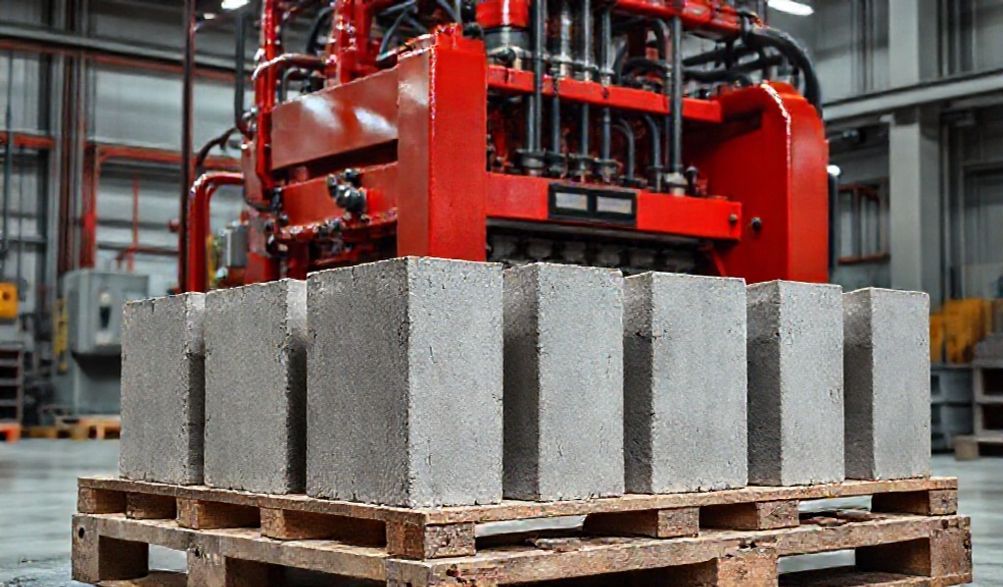
Almàn Machin pou Fè Brik Teknoloji: Enjenieri Presizyon pou Konstriksyon Modèn
Depi plis pase yon syèk, ekspresyon "Made in Germany" te kanpe kòm yon sele kalite mondyal, ki reprezante yon angajman fèm nan presizyon, dirabilite, ak inovasyon. Repitasyon sa a, ki te fòme nan endistri soti nan otomobil rive nan famasetik, se kounye a yon avantaj enpòtan nan mond machin konstriksyon an. Pandan demann mondyal la pou materyèl konstriksyon wo kalite, dirab, ak ki gen pri ki abòdab ap ogmante, teknoloji ki dèyè pwodiksyon yo vin pi enpòtan. Men, vini wè teknoloji Alman nan machin pou fè brik: somè a nan fabrikasyon otomatik ak entelijan pou pwodwi brik, blòk, ak dal.
Machin sa yo se pi plis pase senple ekipman fabrikasyon; yo se sistèm entegre ki fèt pou bay yon konsistans, fòs, ak efikasite san parèy. Pou biznis konstriksyon, manadjè plant, ak envestisè, chwazi yon machin pou fè brik se yon desizyon estratejik alontèm ki afekte delè pwojè yo, pri materyèl yo, ak viability jeneral biznis la. Gid konplè sa a ap eksplore poukisa jeni alman an etabli estanda mondyal la, detaye benefis tanjib pou operasyon ou an, epi ofri yon kad klè pou pran yon envestisman ki byen enfòme. Nou pral ale pi lwen pase deklarasyon maketing yo pou bay enfòmasyon otoritè ak diyab ki baze sou prensip debaz ekselans nan fabrikasyon alman an.
Poukisa Almay Sinonim ak Fabrikasyon Avanse
Dominasyon machin alman yo pa aksidantèl. Se rezilta yon filozofi kiltirèl ak endistriyèl ki anrasinen pwofondman, ki bay priyorite a valè alontèm pase benefis kout tèm. Eta lespri sa a entegre nan chak engrenaj, valv idwolik, ak chèn kòd kontwòl nan yon machin teknoloji alman pou fè brik.
Yon Eritaj Ekselans nan Jeni
Istwa Almay kòm yon gwo pouvwa nan machin lou ak fabrikasyon endistriyèl rive nan fen 19yèm syèk la. Eritaj sa a te kreye yon ekosistèm inivèsite jeni ki nan klas mondyal, yon main d'ouvè teknik ki gen anpil konpetans, ak yon chèn ekipman ki dedye a pwodwi konpozan siperyè. Etikèt "Made in Germany" la, okòmansman prezante kòm yon mak orijin nan fen ane 1800 yo, te evolye natirèlman an yon badj de fyab ak gwo kalite metye. Nan kontèks machin pou fè brik, sa tradui nan konsepsyon ki teste apwofondi, bati pou dire plizyè deseni, epi amelyore kontinyèlman dapre done pèfòmans pratik ki soti nan sit atravè mond lan.
Prensip Debaz: Presizyon, Dirabilite, ak Inovasyon (Otorite)
Twa prensip sa yo se poto mitan enjenyè alman yo ki pa ka negosye:
* Presizyon:Tolerans yo mezire an mikwon. Nan pwodiksyon brik, sa vle di moul ki pwodui blòk ak egzatit dimansyonèl presizyon, asire gwosè konsistan ki akselere masonri ak diminye itilizasyon mòtye.
* Direktè:Machin yo konstwi ak yon sik lavi ki mezire an deseni, pa ane. Sa reyalize gras a itilizasyon materyòl de bon jan kalite ak sipè-enjenieri nan pwen kritik ki sibi gwo presyon pou yo ka kenbe anba operasyon 24/7 ak gwo chaj.
* Inovasyon:Sa pa sèlman sou nouvo karakteristik; li sou rezoud pwoblèm pratik. Inovasyon konsantre sou ogmante efikasite enèji, diminye chire ak dechire, ak entegre teknoloji entèlijan ki anpeche echèk anvan yo rive.
Driving Global Standards in Automation and Sustainability
Germany is the birthplace of the Industry 4.0 concept—the fusion of physical production with digital intelligence. This philosophy directly influences modern brick making machines:
* IoT (Internet of Things): Sensors monitor hydraulic pressure, vibration frequency, motor temperature, and oil quality in real-time.
* Data Analytics: This data is used to optimize cycle times, predict maintenance needs (predictive maintenance), and provide insights into production efficiency.
* Dirabilité: German engineering standards (like DIN and VDI) heavily emphasize energy efficiency and environmental responsibility. Machines are designed to minimize power draw per brick and are often compatible with alternative raw materials like fly ash or slag, supporting circular economy goals.
Key Features of German-Engineered Brick Making Machines
The renowned performance of these machines stems from specific, superior engineering features. Understanding these will help you evaluate options effectively.
Unmatched Build Quality and Material Science
The foundation is literal. Frames are constructed from high-tensile, welded steel plate, not lighter gauge materials. Critical components like mold liners, pressing heads, and vibration tables are made from specially hardened or alloyed steels and often treated with wear- and corrosion-resistant coatings. This investment in materials drastically reduces long-term deformation and wear, ensuring the machine produces the same perfect brick on its first day and its ten-thousandth.
Advanced Hydraulic and Vibration Systems
These are the heart and soul of the brick making process.
* Sistèm Idwolik: German machines utilize high-precision, closed-loop hydraulic systems that deliver consistent and immense pressure (often measured in hundreds of tons). This consistency is key to producing high-density bricks with superior compressive strength. Advanced systems are also quieter and more energy-efficient.
* Sistèm Vibrasyon: Isolated, high-frequency vibration platforms ensure the concrete mix is compacted evenly and thoroughly, eliminating voids. This results in bricks with excellent surface finish, sharp edges, and uniform density throughout, which is critical for load-bearing applications.
Intelligent Control Systems and Automation
The operator interface is a hub of control and insight. Centered on a Kontwolè Lojik Pwogramab (PLC) with a user-friendly touchscreen, these systems allow for:
* Recipe Management: Store hundreds of production recipes for different brick types, strengths, and colors.
* Otomatizasyon Konplè: Control the entire cycle—feeding, mixing, molding, curing, and stacking—from a single panel.
* Remote Monitoring & Diagnostics: Many systems offer connectivity for remote troubleshooting and performance monitoring by technical support teams, minimizing downtime.
* Alert Systems: The machine alerts operators to issues like low raw material supply, pallet misalignment, or slight deviations in pressure, enabling proactive intervention.
Versatility in Production Output
A single machine can be a multi-product factory. With quick-change mold systems, a plant can seamlessly switch production between:
* Solid and hollow blocks
* Brik antrebloke pou amenajman peyizaj
* Pavers of various shapes and thicknesses
* Curbstones and specialty architectural elements
This flexibility allows businesses to adapt to market demands without investing in separate, dedicated production lines.
Tangible Benefits for Your Construction Business (Experience)
Investing in superior technology translates directly to your bottom line and project success. Here’s what you can expect on the ground.
Maximizing Productivity and Output Consistency
German-technology machines are built for uptime. Their reliability means fewer unplanned stoppages. Higher cycle speeds and rapid pallet return systems maximize bricks produced per hour. Most importantly, every brick is identical. This uniformity eliminates sorting time on-site, allows for precise material planning, and significantly speeds up the construction process as masons work with perfectly predictable components.
Achieving Superior Brick Quality and Strength
Precision engineering yields a superior product. Bricks from these machines consistently achieve higher fòs konpresif ratings, meeting and exceeding international standards (like ASTM or EN). The dimensional accuracy (often within ±1 mm) reduces mortar consumption by up to 15% and creates cleaner, more aesthetically pleasing walls. The low water absorption rate, a result of perfect compaction, enhances frost resistance and long-term durability.
Significant Reduction in Operational Costs (ROI Focus)
While the initial investment is often higher, the total cost of ownership is frequently lower due to:
* Efikasite enèji: High-efficiency motors and optimized hydraulic systems reduce power consumption per brick.
* Low Waste Rates: Precision feeding and mixing systems ensure minimal raw material spillage or off-spec production.
* Diminye Depandans Travayè: High automation reduces the number of operators required per shift and minimizes physically demanding tasks.
* Minimal Maintenance Costs: Durable components and predictive alerts prevent catastrophic failures, allowing for scheduled, cost-effective maintenance instead of emergency repairs.
Enhancing Sustainability Goals
For modern businesses, environmental responsibility is also a commercial imperative. These machines support green goals through:
* Optimized energy and water consumption during production.
* The ability to incorporate high percentages of industrial by-products (e.g., fly ash, slag) into the mix design.
* Producing less waste material and more consistent products, which reduces waste across the entire construction chain.
Choosing the Right Machine: A Buyer’s Guide
Selecting the ideal machine requires a careful assessment of your needs and a clear-eyed evaluation of specifications.
Assessing Your Production Needs: Scale and Product Mix
Start with a clear business plan:
* Daily Output: Calculate your current and projected 5-year demand in bricks per 8-hour or 24-hour shift.
* Melanj Pwodwi: What percentage of your output will be standard blocks vs. pavers vs. specialty items? Prioritize machines with the versatility you need.
* Espas & Enfrastrikti: Do you have the factory space, electrical supply (often 3-phase), and raw material handling area required?
Critical Technical Specifications to Compare
Create a comparison matrix with the following data points from each supplier:
* Pwasyon/Tònaj: Determines brick density and strength.
* Tan Sik Seconds per cycle; directly impacts hourly output.
* Pouvwa Motè: Measured in kW; indicates energy requirements.
* Nivo Otomatizasyon: Semi-automatic, fully automatic, or fully automatic with robotic pallet handling and stacking.
* Pallet Size & Standard: Determines the brick format size and requires compatible curing racks.
* Pye pye: The physical space the machine and its conveyor system requires.
The Importance of After-Sales Support and Service
This is where reputable suppliers truly differentiate themselves. A machine is a long-term partner. Ensure your supplier offers:
* Local/Regional Technical Support: Quick response times for emergencies.
* Fòmasyon Konplè: On-site training for operators, mechanics, and electricians.
* Genuine Spare Parts Inventory: A clear supply chain for critical wear parts to avoid months-long downtime.
* Enstalasyon ak Komisyon: Expert supervision of the machine’s setup and initial production run.
Understanding the Investment: Cost vs. Lifetime Value
Avoid the trap of comparing only the initial purchase price. Conduct a Pri Total Posesesyon (TCO) analysis over a 10-year period:
TCO = Purchase Price + (Annual Operating Costs * 10) - Estimated Residual Value
Operating costs include energy, labor, maintenance, and spare parts. A German-technology machine will typically have a higher purchase price but significantly lower annual operating costs, leading to a lower TCO and higher ROI over its lifespan.
Spotlight on Leading German Technology Brands and Manufacturers
The market includes several established manufacturers with long histories of innovation in concrete product machinery. Brands such as the Hess Group, Zenith Maschinenfabrik, and other specialized German engineering firms are recognized globally for their technological contributions. It is critical to research each company’s specific focus, whether on high-volume stationary plants or more mobile block-making machines.
What to Look for in a Reputable Supplier (Trustworthiness)
When evaluating a supplier, consider these trust signals:
* Konpni Istwa & Estabilite How long have they been in business?
* Global Presence & References: Can they provide contactable client references in a similar climate or market to yours?
* Sètifikasyon yo: Do their machines carry CE marking and are they manufactured under ISO 9001 quality management systems?
* Transparency: Are they open about specifications, limitations, and the full cost structure? Do they encourage site visits to see machines in operation?
FAQ: Your Questions on Germany Technology Brick Making Machines Answered
Q1: What is the typical price range for a German-technology brick making machine?
A: Prices vary dramatically based on automation and capacity. A semi-automatic machine may start in the tens of thousands of Euros, while a fully automated turnkey production line can range from several hundred thousand to over a million Euros. Always request a detailed, itemized quotation based on your specific output and product requirements.
Q2: Can these machines operate effectively in regions with harsh climates or less stable infrastructure?
A: Yes, they are engineered for global operation. However, success depends on proper installation, including voltage stabilizers for irregular power grids and climate-appropriate maintenance schedules (e.g., more frequent checks in high-dust or high-humidity environments). Choosing a supplier with strong local service support is absolutely critical in these markets.
Q3: How does the energy consumption compare to other machines?
A: While the installed motor power may seem high, German machines are designed for optimal energy efficiency. Advanced drives and smart systems that power down idle components mean the energy consumed per brick produced is often significantly lower than less sophisticated machines, leading to lower electricity bills over time.
Q4: What kind of training is provided for operators?
A: Reputable suppliers include comprehensive training as part of the commissioning package. This typically involves 1-2 weeks of on-site, hands-on instruction covering daily operation, routine maintenance, basic troubleshooting, and safety procedures. Training manuals and video guides are often provided.
Q5: Are spare parts readily available, and what is the lead time?
A: Genuine parts are essential for maintaining performance and warranty. Reliable suppliers maintain global spare parts networks. While standard wear parts may be stocked locally, specialized components may have lead times of several weeks. A best practice is to establish a small, on-site inventory of critical wear parts (like seals or specific hydraulic valves) recommended by the supplier.
Konklizyon
Investing in a Germany technology brick making machine is a strategic decision to build your business on a foundation of precision, reliability, and efficiency. It represents a commitment to producing superior building materials that accelerate construction projects, reduce long-term costs, and meet evolving sustainability standards. While the initial capital requirement is a consideration, the focus must remain on valè lavi—the decades of consistent, high-output, low-downtime production that defines true return on investment.
Your path forward involves thorough research, demanding transparency from suppliers, and prioritizing robust after-sales support as highly as the machine specifications themselves. By partnering with an authoritative and experienced supplier, you are not just purchasing a machine; you are acquiring a decades-long partnership in productivity and growth. In the competitive world of construction, that is the ultimate strategic advantage.
<