
The Ultimate Guide to Building Block Production Machines: From Concept to Manufacturing
From the colorful towers of a preschooler to the intricate, motorized sculptures of an adult fan, building blocks are a universal language of creativity and engineering. Brands like LEGO® have become cultural icons, inspiring play and innovation for generations. But have you ever wondered how millions of those perfectly interlocking bricks, each one identical down to the micron, are manufactured? The magic—and it is a form of industrial magic—happens on the factory floor, orchestrated by a marvel of modern engineering: the building block production machine.
This comprehensive guide delves into the intricate world of these specialized manufacturing systems. We’ll move beyond the simple brick to explore the sophisticated technology, precise processes, and critical considerations involved in producing these iconic toys at scale. This guide synthesizes insights from mechanical engineering principles, manufacturing best practices, and industry knowledge to serve as a trustworthy resource for entrepreneurs, manufacturers, engineers, and the perpetually curious.
What is a Building Block Production Machine? Core Components & Function
A building block production machine is not a single device but a highly integrated system centered around precision injection molding. Its sole purpose is to transform raw plastic granulate into perfectly formed, dimensionally accurate blocks with consistent “clutch power”—the satisfying click and hold when bricks connect. Let’s break down its core components.
The Heart of the System: High-Precision Injection Molding
At the center of every operation is the injection molding machine. This workhorse consists of two primary units:
* The Clamping Unit: This powerful press holds the two halves of the mold together with immense force, measured in tons. It must withstand the high internal pressure of injected molten plastic without allowing the mold to separate, which would cause defects.
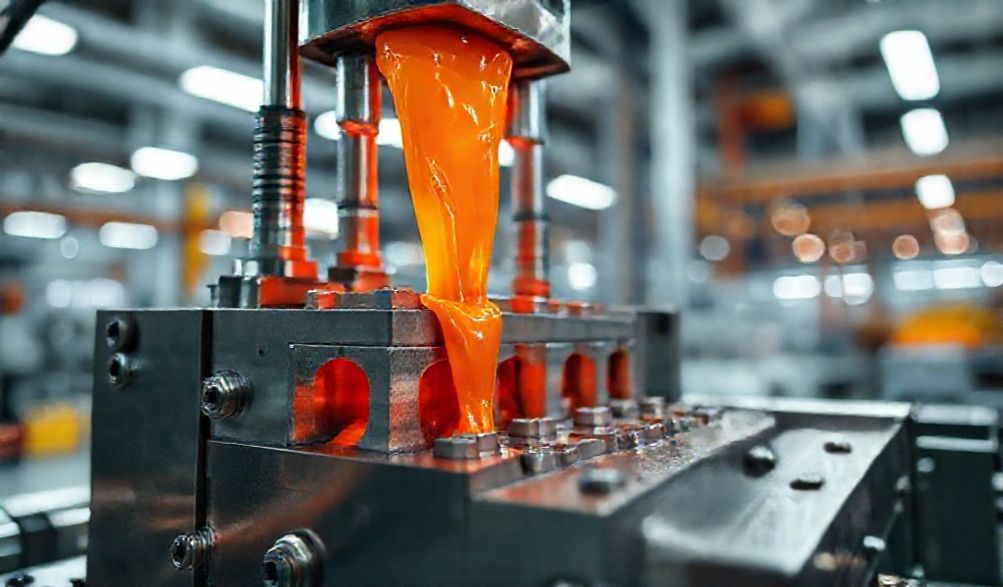
* The Injection Unit: This section feeds, melts, and injects the plastic. Plastic granules are fed from a hopper into a heated barrel. A reciprocating screw mixes and melts the plastic, then acts as a plunger to inject the molten material at high pressure into the mold cavity.
The true star of the show, however, is the пліснява. For building blocks, molds are masterpieces of tool and die making, crafted from high-grade, hardened tool steel. Their internal cavities are machined with micron-level accuracy to define the brick’s shape, including the iconic studs and tubes. The precision of this mold directly determines the clutch power and quality of the final product.
Auxiliary Systems: Raw Material Handling & Mixing
Consistency starts with the raw material. Most building blocks use engineering plastics like ABS (Acrylonitrile Butadiene Styrene) for its strength, colorfastness, and dimensional stability.
* Обробка матеріалів: Automated systems, like vacuum loaders, transfer plastic granulate from storage silos or containers to the molding machine’s hopper, ensuring a continuous supply.
* Сушіння: Plastics like ABS are hygroscopic, meaning they absorb moisture from the air. Integrated dryers remove this moisture before the plastic enters the barrel, as wet material can cause surface defects and weaken the final brick.
* Coloring: Masterbatch (highly concentrated color pigment) is typically metered and mixed with natural plastic granules either centrally or at the machine throat to achieve the vibrant, consistent colors we associate with building blocks.
Post-Processing & Automation: Cooling, Ejection, and Conveyance
Once injected, the plastic must solidify.
* Cooling: The mold itself contains a network of cooling channels through which water or oil circulates, rapidly drawing heat from the molten plastic. Efficient cooling is critical for achieving a fast production cycle.
* Ejection & Conveyance: After the part solidifies, the mold opens. Pins built into the mold eject the bricks. In a modern setup, a robotic arm or automated system then gently removes the bricks and places them on a conveyor belt, minimizing handling damage and enabling lights-out manufacturing.
The Control Unit: Brain of the Operation
Orchestrating this symphony of mechanical actions is the machine’s control system, typically a ПЛК (Программуваний логічний контролер). Operators interact via an HMI (Human-Machine Interface) touchscreen to set and monitor every critical parameter:
* Temperatures (barrel zones, mold)
* Injection pressure and speed
* Cooling time
* Clamping force
This digital brain ensures repeatability for every single cycle, which is the foundation of mass production quality.
The Production Workflow: How a Brick Comes to Life
The transformation from pellet to brick is a rapid, cyclical process. Here is the step-by-step workflow inside a building block production machine.
Step 1: Material Preparation and Feeding
Pre-dried and pre-colored plastic granules are fed into the machine’s hopper, ready for the cycle to begin.
Step 2: Melting and Injection into the Mold Cavity
The reciprocating screw rotates, drawing granules forward into the heated barrel. As the plastic melts, the screw moves backward. Once the correct “shot” volume is accumulated, the screw rams forward like a plunger, injecting the molten plastic at high pressure through a nozzle and into the closed mold’s runner system, which fills the cavities.
Step 3: Cooling and Solidification Under Pressure
The plastic inside the mold begins to cool immediately. The machine maintains “holding pressure” for a brief period to pack more material into the cavity, compensating for shrinkage as the plastic solidifies. This step is crucial for achieving dimensional accuracy.
Step 4: Mold Opening and Part Ejection
After a predetermined cooling time, the clamping unit opens the mold. Ejector pins extend, pushing the now-solid bricks off the mold core. They are then removed by an automated system.
Step 5: Post-Processing, Sorting, and Packaging
Ejected bricks are conveyed away. They may pass through additional stations for decoration (like pad printing) before being automatically sorted, counted, and routed to packaging lines where they are boxed for distribution.
Key Technical Specifications and What They Mean for Output
When evaluating a building block production machine, these specifications define its capability and suitability for your needs.
Clamping Force (Tonage): Why It’s Critical for Detail
Measured in tons, this is the force the machine can apply to keep the mold closed during injection.
* Чому це важливо: Insufficient force allows the mold to “flash”—a thin web of plastic to seep out between the mold plates. For parts with fine details like studs and intricate undercuts, high clamping force (often hundreds of tons) is non-negotiable to replicate the mold’s precision perfectly.
Shot Size and Plasticizing Rate: Determining Production Speed
- Shot Size: The maximum volume/weight of plastic the machine can inject in one cycle. Must be matched to the total volume of all cavities in the mold.
- Plasticizing Rate: How much plastic the machine can melt and prepare per hour. A higher rate supports faster cycling, especially for larger shot weights.
Mold Cavitations: Multiplicity for Mass Production
A single mold can contain multiple identical cavities. A “64-cavity mold” produces 64 bricks with every cycle. Increasing cavitation is the primary lever for scaling output, but it requires a larger machine with higher clamping force and shot size.
Cycle Time: The Benchmark of Efficiency
This is the total time for one complete injection cycle (close, inject, cool, open, eject). For small building blocks, cycle times can be under 10 seconds. Factors affecting it include:
* Wall Thickness: Thicker walls take longer to cool.
* Матеріал: Different plastics have different thermal properties.
* Mold Cooling Efficiency: Superior mold design with optimized cooling channels is key to minimizing cycle time.
Choosing the Right Building Block Machine: A Buyer’s Considerations
Selecting a machine is a significant investment. Here are the key decision factors.
Scale of Production: Hobbyist, Startup, or Industrial Plant?
- Desktop/Proto Machines: Lower tonnage (<10 tons), suitable for prototyping or very small-batch production.
- Industrial Machines: Range from 50 to over 1000 tons, designed for continuous 24/7 operation with high cavitation molds. This is the category for serious commercial production.
Material Compatibility: ABS vs. Other Plastics
Ensure the machine is designed for the plastic you intend to use. ABS requires specific barrel and screw materials to handle its processing temperature and abrasiveness. Some machines are better suited for alternative materials like PLA bioplastics.
Precision and Tolerance Requirements: The “Clutch Power” Imperative
This is the ultimate quality metric. The machine must provide exceptional process stability (consistent temperature, pressure, and speed) to achieve the micron-level tolerances required for perfect clutch power. Inquire about machine repeatability specifications.
Automation Level and Integration Capabilities
Consider your labor model. Do you need integrated robots, vision systems for quality checks, and conveyors for a fully automated cell? Ensure the machine’s PLC can communicate with peripheral equipment.
Total Cost of Ownership: Machine, Mold, and Maintenance
The machine price is just the start.
* Mold Cost: A high-cavitation, hardened steel precision mold is a major investment, often rivaling or exceeding the machine cost.
* Maintenance: Factor in costs for spare parts, preventive maintenance, and energy consumption over the machine’s lifespan.
Ensuring Quality and Consistency in Every Brick
In mass production, quality cannot be an afterthought; it must be built into the process.
In-Process Quality Checks: Sensors and Vision Systems
Modern machines are equipped with sensors that monitor pressure, temperature, and position in real-time. Any deviation triggers an alarm. Automated vision systems can inspect every brick for color, completeness, and surface defects as they exit the mold.
Measuring “Clutch Power” and Dimensional Accuracy
Quality labs perform regular destructive and non-destructive tests.
* Clutch Power: Measured with force gauges that determine the pull force required to separate two bricks.
* Точність розмірів: Coordinate Measuring Machines (CMM) and optical comparators verify that every stud, tube, and wall thickness is within the strict tolerance band (often +/- 0.004 mm).
Importance of Regular Mold Maintenance and Cleaning
The mold is the most critical asset. Regular maintenance includes:
* Cleaning venting slots and polishing cavities.
* Checking for wear on ejector pins and moving components.
* Re-applying protective coatings.
Proper maintenance prevents defects and extends the mold’s life, which can be millions of cycles.
Innovations and Future Trends in Block Production
The industry is not static. Key trends are shaping the next generation of production.
Sustainable Manufacturing: Bioplastics and Recycled Materials
There is a major push to develop and use plant-based plastics (like bio-PE) and incorporate recycled content from post-consumer or post-industrial streams. This requires building block production machines to be adapted for these sometimes more sensitive materials, which may have different melting and flow characteristics.
Smart Factories: IoT and Predictive Maintenance
Machines are becoming nodes on the Industrial Internet of Things (IIoT). Data on performance, energy use, and component health is streamed to the cloud. AI algorithms can predict when a screw, barrel, or hydraulic component is likely to fail, enabling maintenance before a breakdown occurs, maximizing uptime.
Advanced Materials for Enhanced Properties
Research continues into new polymer blends that offer improved properties, such as:
* Enhanced UV resistance for long-term color stability.
* Greater impact strength for thinner, lighter bricks.
* Inherent antimicrobial properties.
Часті питання (FAQ)
Q1: What is the typical cost range for an industrial building block production machine?
Costs vary dramatically based on specifications. A small industrial machine (50-100 ton) might start around $50,000-$100,000. Larger, high-precision machines (500+ tons) from top-tier manufacturers can easily exceed $500,000. The precision mold is a separate and significant cost, often ranging from $50,000 to $500,000+ depending on complexity and cavitation.
Q2: What type of plastic is best for making building blocks, and why?
ABS is the industry gold standard for classic building blocks due to its excellent balance of properties: high strength and rigidity, superb dimensional stability, brilliant colorability, and good chemical resistance. It also provides the ideal “clutch power” feel. Other plastics like Polyethylene (PE) or Polypropylene (PP) may be used for larger, flexible pieces.
Q3: How long does a production mold last, and what affects its lifespan?
A well-maintained, high-quality steel mold for ABS production can last for 1 to 10+ million cycles. Lifespan is affected by the abrasive nature of the plastic (some colors are more abrasive), the complexity of the mold (thin features wear faster), the quality of maintenance, and the molding parameters (excessive pressure and temperature accelerate wear).
Q4: Can a building block production machine make other products?
Absolutely. An injection molding machine is a versatile tool. By changing the mold, the same machine can produce a vast array of plastic parts, from automotive components to medical devices. The key is ensuring the machine’s specifications (clamp force, shot size, plasticizing rate) are suitable for the new part.
Q5: What are the biggest operational challenges in running these machines?
Key challenges include:
* Maintaining Consistency: Any fluctuation in temperature, pressure, or material quality can affect clutch power.
* Mold Maintenance: Keeping the critical tooling in perfect condition is an ongoing, specialized task.
* Обробка матеріалів: Ensuring a perfectly dry, consistent feed of material is fundamental to avoiding defects.
* Optimizing Cycle Time: Balancing cooling time with production speed without compromising quality requires fine-tuning and expertise.
Висновок
The journey from a humble plastic granule to a perfectly interlocking building block is a testament to precision engineering. The building block production machine is a sophisticated system where thermodynamics, fluid dynamics, and advanced control theory converge to create objects of play that inspire real-world engineering. It represents a fascinating and often overlooked intersection of toy design, material science, and high-volume manufacturing.
For industry professionals looking to enter this space or optimize their current setup, the journey requires careful consideration of scale, precision, and total cost. We encourage consultation with experienced injection molding engineers and machine suppliers. For enthusiasts and learners, the world of precision injection molding offers a deep well of engineering principles to explore. The information presented here is based on established manufacturing practices and engineering fundamentals, and we always recommend verifying technical details through direct consultation with equipment manufacturers and industry publications.
<