Ilg‘or g‘isht ishlab chiqarish texnologiyasiga kirish
Global qurilish sanoatining samarali, barqaror va arzon qurilish materiallarini izlash jarayoni sementli g'ovak g'ishtlarni zamonaviy tuzilma dizaynining asosiy tarkibiy qismiga aylantirdi. Strategik jihatdan ishlab chiqilgan bo'shliqlari bilan ajralib turadigan bu maxsus g'isht bloklari, qurilish materiallari fanidagi muhim rivojlanishni ifodalaydi. Ular ishlab chiqarish uchun mas'ul bo'lgan mashinalar, tuzilma muhandislik tamoyillari, material texnologiyasi va ishlab chiqarish avtomatlashtirilishining murakkab uyg'unligini o'zida mujassam etadi. Distribyutorlar, xarid mutaxassislari va sanoat investorlari uchun sementli g'ovak g'isht ishlab chiqarish mashinalarining texnik murakkabliklari va tijorat ahamiyatini tushunish, ilg'or qurilish materiallariga ortib borayotgan talabdan foydalanish uchun juda muhimdir.
Texnik Spetsifikatsiyalar va Ishlab Chiqarish Jarayoni Tahlili
1.1 Fundamental Engineering Principles and Design Architecture
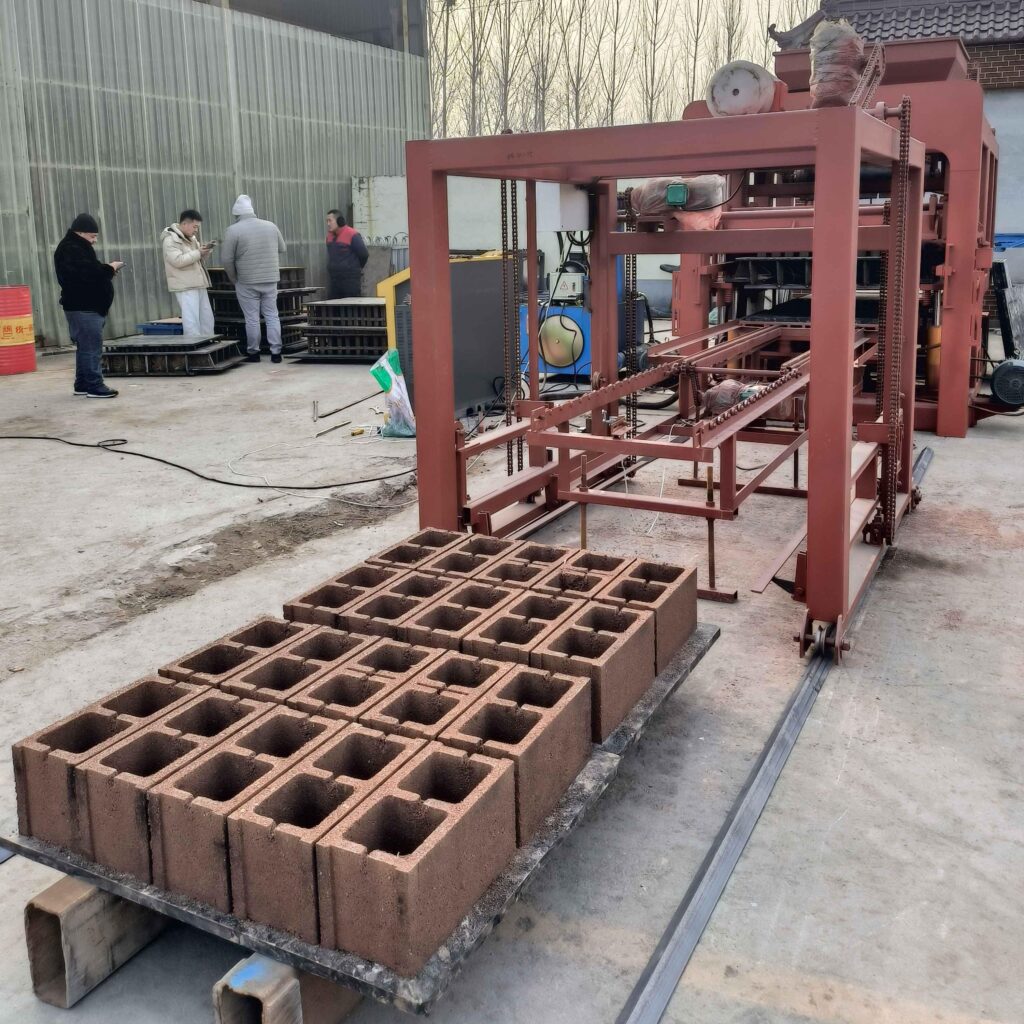
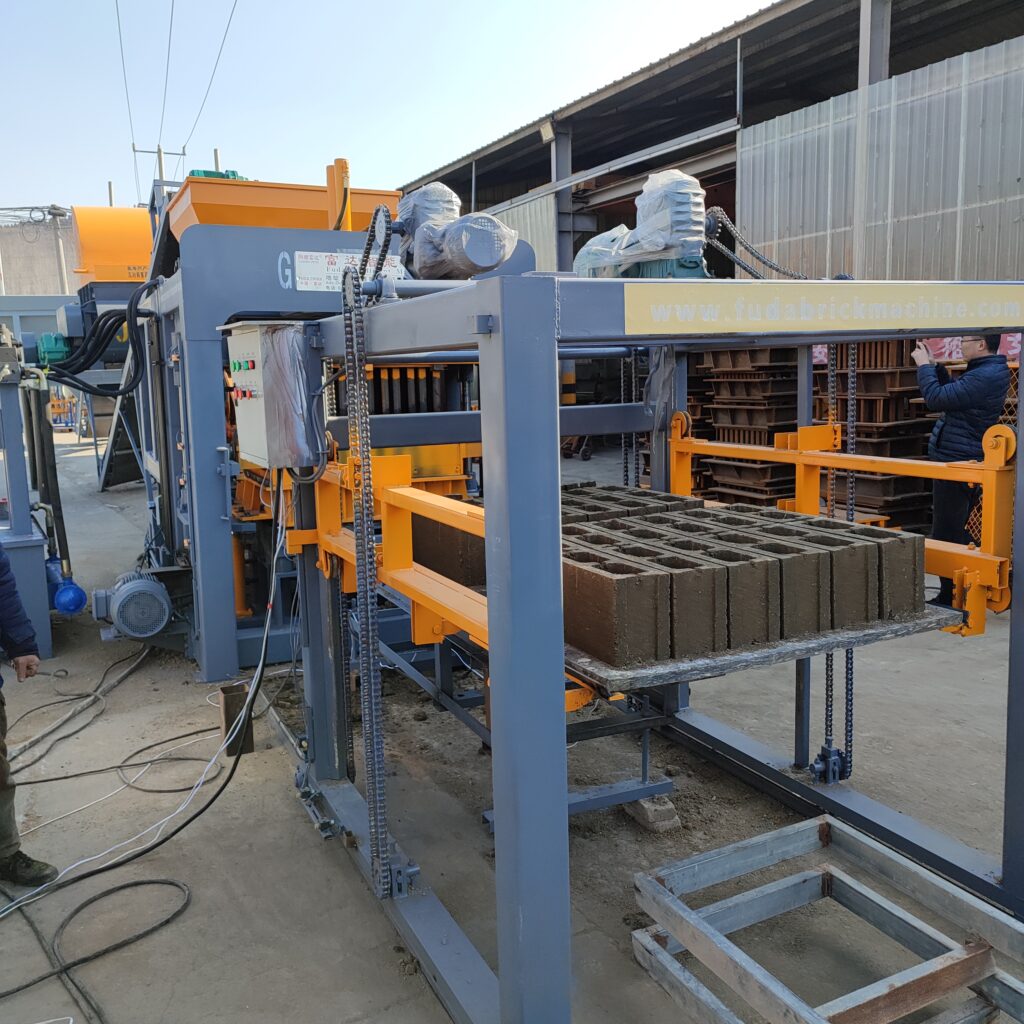
Sement bo'shliqli g'isht ishlab chiqarish mashinalari, aniq bo'shliq konfiguratsiyasiga ega bo'lgan devor qurilish birliklarini tayyorlash uchun maxsus yaratilgan qurilish uskunalarining ixtisoslashgan turidir.
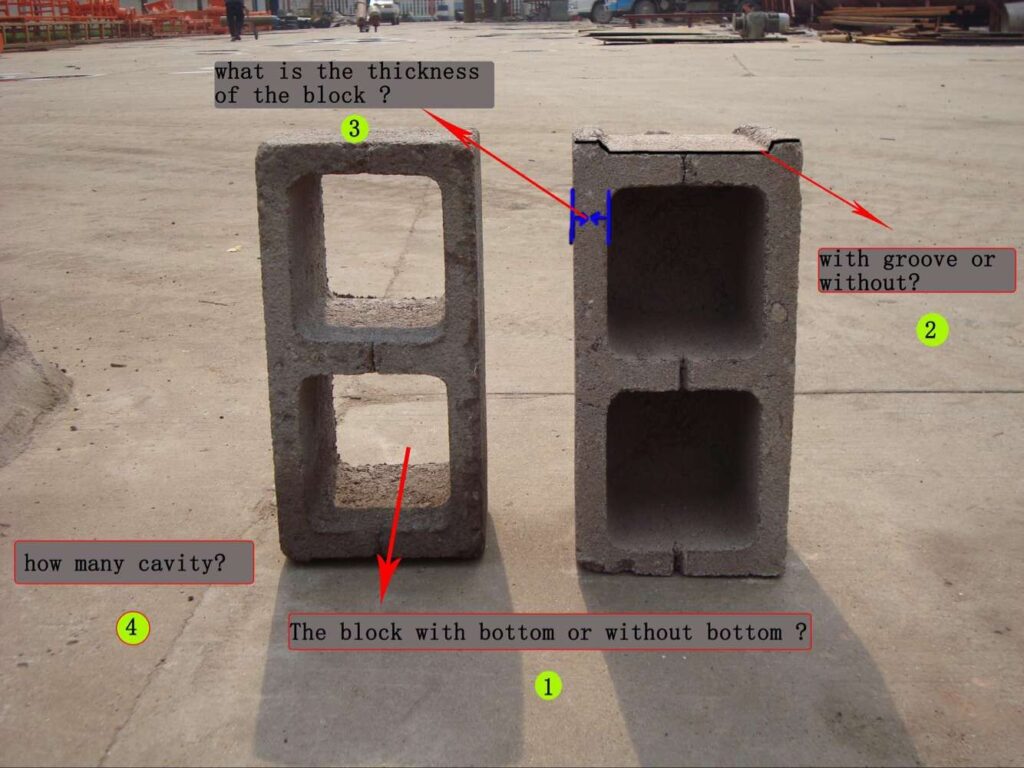
- Strukturaviy bo'shliqlarni loyihalash va konfiguratsiyasi:Ishlab chiqarish jarayoni har bir g'isht birligida strategik bo'shliq naqshlarini yaratadigan aniq qurilgan qoliplar tizimiga asoslanadi. Ushbu bo'shliqlar odatda g'ishtning umumiy hajmining 25-50% ni tashkil etib, vaznni kamaytirish va tuzilish mustahkamligini noyob birlashtiradi. Qolip dizayni bo'shliqlar va g'isht tashqi qismi o'rtasida optimal devor qalinligini saqlab, bu bo'shliqlarni shakllantiradigan maxsus yadrolarni o'z ichiga oladi. Ilg'or tizimlar ishlab chiqaruvchilarga turli tuzilish talablari va mintaqaviy qurilish standartlari uchun to'liq qolipni almashtirmasdan bo'shliq naqshlarini o'zgartirish imkonini beradigan tez o'zgartiriladigan yadro tizimlariga ega.
- Integratsiyalangan Tebranish va Siqish Texnologiyasi:Zamonaviy g'isht ishlab chiqarishda yuqori chastotali tebranish va boshqariladigan gidravlik bosimni birlashtirgan ikki tomonlama siqish tizimi qo'llaniladi. 3,000-4,500 RPM oralig'ida ishlaydigan tebranish chastotasi materialning murakkab qoliplarning barcha qismlariga teng taqalishini ta'minlab, bo'shliqli qismlar orasidagi devorlarda bo'shliq yoki zaif nuqtalarning paydo bo'lishining oldini oladi. Shu bilan birga, gidravlik tizimlar mashina quvvatiga qarab 120-250 tonna oralig'idagi aniq boshqariladigan bosimni qo'llab, optimal zichlik va o'lchov aniqligiga erishiladi. Bu kombinatsiya bir xil qalinlikdagi devorga ega bo'lgan va ishonchli tuzilishga ega g'ishtlarni ishlab chiqarish uchun muhim ahamiyatga ega.
- Avtomatlashtirilgan Ishlab Chiqarish Ketma-ketligi:Ishlab chiqarish tsikli qoliplar bo'shliqlariga avtomatik material uzatish bilan boshlanadigan aniq vaqtlangan ketma-ketlikni amalga oshiradi. Maxsus uzatish tizimlari materialni murakkab qolip geometriyasi bo'ylab, shu jumladan yadro elementlari atrofidagi joylarda ham tekis taqsimlaydi. Material taqsimotidan so'ng, oldindan dasturlangan parametrlar asosida tebranish va bosim bilan siqish bosqichi boshlanadi. Qolipdan chiqarish jarayonida bo'shliqlar orasidagi nozik to'rlamalarni shikastlamay, yangi shakllangan g'ishtlarni diqqat bilan olib tashlaydigan aniq chiqarish tizimlari qo'llaniladi. Yakunida, avtomatik paleta boshqarish tizimlari yangi mahsulotlarni quritish joylariga o'tkazib, mahsulotlarning butunligini saqlab qoladi.
1.2 Ishlab chiqarish tizimlarini tasniflash va texnik imkoniyatlari
Bo'sh g'isht ishlab chiqarish uskunalari texnik murakkablik darajasiga ko'ra oddiy qo'lda boshqariladigan tizimlardan to'liq avtomatlashtirilgan sanoat tizimlarigacha bo'lgan keng doiradagi jihozlarni o'z ichiga oladi.
- Statsionar Gidravlik Press Sistemalari:Ushbu sanoat darajasidagi mashinalar g'isht ishlab chiqarish texnologiyasining eng yuqori segmentini ifodalaydi. Ularning massiv tuzilish ramkalari va kuchli gidravlik tizimlari bilan ajralib turadi, 8 soatlik smenada 8,000 dan 20,000 gacha g'isht ishlab chiqarish quvvatiga ega. Ushbu tizimlar odatda dasturlash mumkin bo'lgan mantiqiy boshqaruvchilar (PLC) bilan jihozlangan bo'lib, xom ashyo nisbatlaridan tortib yakuniy g'isht chiqarishgacha bo'lgan barcha ishlab chiqarish jarayonlarini boshqaradi. Ularning mustahkam tuzilishi xalqaro ASTM va ISO standartlariga mos keladigan o'lchov aniqligi va siqish kuchiga ega yuqori sifatli g'ishtlarni izchil ishlab chiqarish imkonini beradi.
- Gidravlik Boshqaruvli Mobil Ishlab Chiqarish Qurilmalari:Bozorning o'rta segmentida joylashgan ushbu tizimlar gidravlik ishlash va turli darajadagi avtomatlashtirishni birlashtiradi. Ishlab chiqarish quvvati odatda kuniga 2,000-6,000 g'ishtni tashkil etadi, bu ularni o'rta miqyosdagi operatsiyalar va ixtisoslashtirilgan mahsulot ishlab chiqarish uchun mos qiladi. Ushbu toifadagi ko'plab modellar o'sib borayotgan korxonalar uchun ishlab chiqarish moslashuvchanligini ta'minlovchi bosqichma-bosqich avtomatlashtirish yangilanishlariga imkon beruvchi modulli dizaynga ega. Ushbu tizimlar ko'pincha nisbiy operatsion soddalikni saqlab, operatsion izchillik uchun asosiy elektron boshqaruv tizimlarini o'z ichiga oladi.
- Mexanik Operatsiya Tizimlari:Ushbu mashinalar boshlang'ich darajani ifodalab, gidravlik tizim o'rniga mexanik kuch uzatish tizimlaridan foydalanadi. Ular kamroq mahsulot chiqishini ta'minlashiga qaramay (odatda kuniga 800-1,500 g'isht), kichik tadbirkorlar va ixtisoslashtirilgan ishlab chiqaruvchilar uchun kirish imkoniyatini yaratadi. Ulning soddaligi pastroq texnik xizmat ko'rsatish va operatsion xarajatlarga olib keladi, ammo gidravlik tizimlarga nisbatan ishlab chiqarish tezligi pasaygan, shuningdek mahsulot zichligi va o'lchov aniqligida kamroq barqarorlik kuzatiladi.
1.3 Materialshunoslik va Ishlab chiqarish Formulalari
Tayyor bo'sh g'ishtlarning sifatiga materiallarni tanlash va aralashmani loyihalash sezilarli darajada ta'sir qiladi, ishlab chiqarish uskunalari esa ma'lum material xususiyatlarini qayta ishlash uchun mo'ljallangan.
- Optimal xom ashyo spetsifikatsiyalari: Successful hollow brick production requires carefully graded aggregates with particle size typically ranging from 0-6mm. The aggregate grading curve must be optimized to ensure smooth material flow into complex mold geometries while achieving adequate compaction around core elements. Cement content generally ranges from 1:6 to 1:8 cement-to-aggregate ratio, depending on targeted compressive strength requirements. Water content must be precisely controlled, typically between 8-12% of total weight, to achieve optimal hydration without compromising demolding characteristics.
- Advanced Material Processing Technology: Industrial-scale hollow brick manufacturing incorporates sophisticated material preparation systems. These often include automated batching equipment with precision weighing systems, forced-action mixers that ensure homogeneous distribution of cement throughout the aggregate matrix, and moisture control systems that maintain consistent water-cement ratios. Some advanced systems incorporate real-time moisture monitoring with automatic compensation, crucial for maintaining consistent product quality in varying environmental conditions.
- Specialized Additive Integration: Modern hollow brick production frequently incorporates specialized additives to enhance specific product characteristics. These may include water-reducing agents to improve workability at lower water content, hardening accelerators for faster initial strength development, and waterproofing compounds for improved durability. The manufacturing equipment must be compatible with these additives, with dosing systems capable of precise proportional injection into the mixture.
1.4 Strategic Business Advantages and Market Applications
The production and utilization of machine-made hollow bricks offer compelling advantages throughout the construction value chain.
- Structural and Economic Benefits: The strategic void configuration reduces weight by 25-40% compared to solid units, resulting in significant savings in transportation costs and structural foundation requirements. The air pockets within the bricks provide natural thermal insulation, potentially reducing heating and cooling energy consumption in finished buildings by 15-30%. Additionally, the reduced material volume per unit translates to direct material cost savings without compromising structural performance when designed according to engineering specifications.
- Environmental Impact and Sustainability Credentials: Hollow brick manufacturing represents a sustainable approach to construction through optimized material usage. The reduced cement content per unit directly lowers the carbon footprint associated with production. Furthermore, the thermal insulation properties contribute to energy efficiency throughout the building lifecycle. Manufacturing processes typically generate minimal waste, with most production scrap being recyclable back into the production stream.
- Construction Efficiency Advantages: The standardized dimensions and consistent quality of machine-made hollow bricks significantly improve construction efficiency. The uniform size reduces mortar consumption and enables faster laying rates compared to irregular or hand-made alternatives. The reduced weight decreases labor fatigue and handling time, while the predictable structural performance simplifies engineering calculations and quality control procedures.
1.5 Implementation Considerations and Commercial Planning
Successful integration of hollow brick manufacturing technology requires careful analysis of multiple commercial and operational factors.
- Market Analysis and Business Planning: Prior to investment, comprehensive market assessment should identify specific opportunities in local construction sectors. Analysis should consider competition from alternative materials, regulatory environment regarding hollow brick utilization in structural applications, and potential partnerships with construction firms and distributors. The business plan must clearly define target markets, whether focusing on residential construction, commercial projects, or specialized applications such as partition walls or fencing.
- Technical Implementation and Operational Planning: Site selection must consider adequate space for production equipment, raw material storage, and product curing. Infrastructure requirements include appropriate power supply, water access, and waste management systems. The implementation timeline must account for equipment procurement, foundation construction, installation, and operator training. For larger systems, planning should include phased commissioning to identify and resolve operational issues before full-scale production.
- Financial Analysis and Investment Planning: Comprehensive financial modeling must extend beyond initial equipment acquisition to include all aspects of operational costs. The analysis should project production costs based on local material and labor rates, identify break-even production volumes, and model cash flow requirements. Sensitivity analysis should examine impact of variables such as fluctuations in cement prices, changes in market demand, and potential regulatory changes affecting material specifications.
Xulosa
Cement hollow brick making machinery represents a sophisticated convergence of mechanical engineering, materials science, and industrial automation. This technology enables manufacturers to produce building materials that simultaneously address structural requirements, economic constraints, and environmental considerations. The strategic advantages of hollow bricks—including reduced weight, improved thermal performance, and material efficiency—position them favorably within evolving construction methodologies focused on sustainability and cost-effectiveness. For commercial stakeholders, success in this sector requires thorough understanding of both the technical aspects of manufacturing and the market dynamics driving demand. With careful planning and strategic implementation, hollow brick manufacturing presents significant opportunities for growth and leadership in the competitive construction materials industry.
Tez-tez so'raladigan savollar (FAQ)
Q1: What are the key differences between manufacturing solid bricks versus hollow bricks?
A: The primary differences lie in mold design, compaction methodology, and material requirements. Hollow brick manufacturing requires more complex molds with core elements, precise vibration systems to ensure complete filling around cores, and carefully controlled material consistency to prevent web breakage. The production process typically operates at slightly slower cycle times to ensure proper formation of hollow sections, and requires more sophisticated handling systems to protect the green products before curing.
Q2: What compressive strength can be achieved with machine-produced hollow bricks?
A: Properly manufactured hollow bricks typically achieve compressive strengths ranging from 4-15 MPa (600-2,200 psi), depending on material配方, compaction pressure, and curing methods. Industrial-grade equipment with high-pressure compaction systems can produce bricks meeting ASTM C90 specifications for load-bearing units, with minimum compressive strengths of 13.1 MPa (1,900 psi) for individual units and 11.7 MPa (1,700 psi) for gross area.
Q3: How does the production output of hollow brick machines compare to solid brick equipment?
A: When comparing similarly sized and priced equipment, hollow brick production typically achieves 15-30% lower output in terms of units per hour due to more complex mold geometries and longer cycle requirements. However, when measured by volume of material processed or actual wall coverage area produced, the difference is less significant, typically in the range of 5-15% lower productivity.
Q4: What maintenance considerations are unique to hollow brick manufacturing equipment?
A: The core maintenance challenges involve mold integrity and core element preservation. The complex mold assemblies with core elements require regular inspection for wear and alignment. Maintenance schedules should include careful cleaning of core elements to prevent material buildup, inspection of web thickness consistency, and monitoring of ejection system alignment to prevent damage to freshly formed bricks. Hydraulic systems and vibration mechanisms require the same maintenance attention as solid brick equipment.
Q5: Can the same machine produce different sizes and patterns of hollow bricks?
A: Most modern hollow brick machines are designed with modular mold systems that allow for production of different brick sizes and void configurations. Changing brick specifications typically requires replacing the mold assembly and possibly adjusting compression parameters. Quick-change mold systems can reduce changeover time from several hours to under 30 minutes, while basic systems may require half a day or more for complete reconfiguration.
Q6: What are the specific power requirements for operating industrial-scale hollow brick machines?
A: Industrial hollow brick manufacturing systems typically require three-phase electrical power ranging from 25-75 kW, depending on production capacity and automation level. A medium-capacity system producing 5,000-8,000 bricks daily typically operates on 380-480V with 40-50 kW connected load. Specific requirements vary by manufacturer and should be verified during equipment selection, as inadequate power supply can significantly impact production efficiency and product quality.