
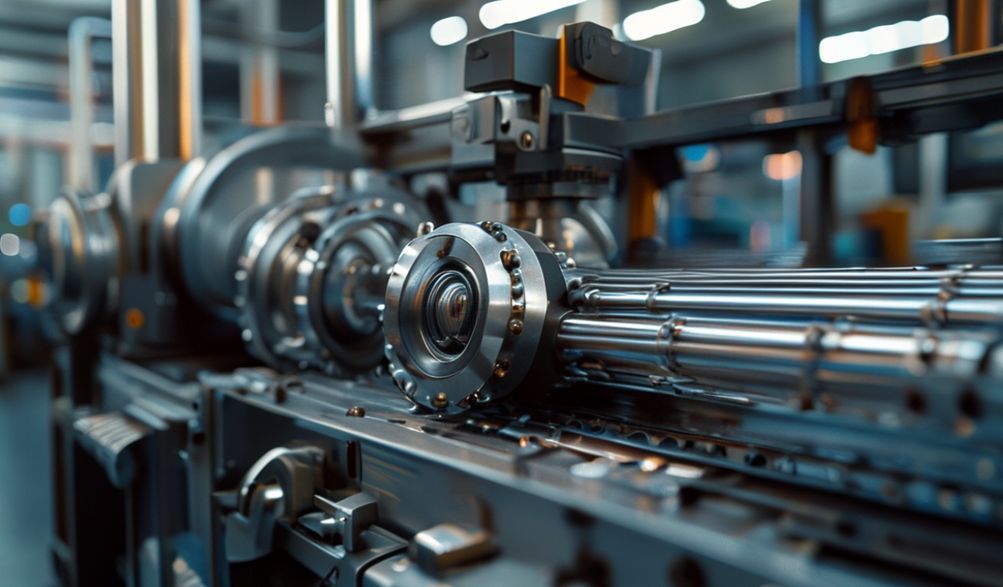
Tìm Hiểu Về Giá Máy Sản Xuất Gạch: Phân Tích Chuyên Sâu Nhà Máy Sản Xuất Gạch FUDA
Giới thiệu
Việc tìm kiếm một máy đóng gạch phù hợp với mức giá hợp lý là một khoản đầu tư quan trọng, có thể quyết định sự thành bại về lợi nhuận của dự án. Đối với các doanh nhân và doanh nghiệp xây dựng, việc tìm hiểu thị trường đôi khi có thể cảm thấy choáng ngợp, khi giá cả dao động từ vài nghìn đến hàng trăm nghìn đô la. Sự bối rối này thường dẫn đến một sai lầm tốn kém: chọn máy chỉ dựa trên giá niêm yết thấp nhất, mà không hiểu rõ giá trị lâu dài và tổng chi phí sở hữu.
Đây là nơi chuyên môn tạo nên sự khác biệt. Nhà máy Sản xuất Khối FUDA đã khẳng định vị thế là một nhà sản xuất hàng đầu trong ngành công nghiệp máy móc xây dựng toàn cầu, được biết đến với việc cung cấp một loạt giải pháp toàn diện từ máy ép thủ công đơn giản đến các dây chuyền sản xuất tự động hoàn toàn. Danh tiếng của họ được xây dựng dựa trên việc thiết kế những cỗ máy bền bỉ, phù hợp với môi trường sản xuất thực tế.
Hướng dẫn toàn diện này sẽ làm sáng tỏ các yếu tố quyết định giá máy sản xuất khối, đặc biệt tập trung vào các sản phẩm của FUDA. Chúng tôi sẽ vượt ra ngoài một bảng giá đơn thuần để giúp bạn hiểu rõ giá trị đề xuất, tính toán lợi tức đầu tư (ROI) và đưa ra quyết định mua hàng sáng suốt, phù hợp với mục tiêu sản xuất và ngân sách của bạn.
Đến cuối bài viết này, bạn sẽ có một khuôn khổ rõ ràng để đánh giá chi phí máy móc, so sánh các mẫu mã và tương tác với nhà cung cấp như FUDA một cách tự tin. Hãy cùng xây dựng nền tảng cho thành công của bạn, từng bước một.
Các Yếu Tố Chính Ảnh Hưởng Đến Giá Máy Sản Xuất Gạch
Giá niêm yết của một máy sản xuất khối bê tông không phải là con số ngẫu nhiên. Nó phản ánh trực tiếp chất lượng kỹ thuật, khả năng vận hành và các thành phần cấu tạo của máy. Hiểu rõ những yếu tố này là bước đầu tiên để đưa ra một quyết định đầu tư thông minh.
Loại Máy & Mức Độ Tự Động Hóa
Đây là yếu tố chủ đạo nhất quyết định giá thành. Mức độ tự động hóa có mối tương quan trực tiếp với chi phí, tiết kiệm nhân công và tính ổn định của sản lượng.
- Thủ công so với Bán tự động so với Tự động hoàn toàn:Máy thủ công đòi hỏi lao động chân tay đáng kể để trộn, cấp liệu và tháo gạch. Các mẫu bán tự động cơ giới hóa quá trình rung và nén, với công nhân thao tác cấp liệu và lấy gạch. Máy tự động hoàn toàn tích hợp cấp liệu, đúc khuôn, bảo dưỡng và xếp gạch với sự can thiệp tối thiểu của con người.
- Máy Sản Xuất Gạch Cố Định và Di Động:Các nhà máy cố định được thiết kế để sản xuất khối lượng lớn tại vị trí cố định và có giá cao hơn nhờ quy mô và công suất. Máy di động (thường là máy đẻ trứng hoặc máy làm khối di động) có kích thước nhỏ hơn, có thể được kéo đi và có giá thấp hơn, phù hợp cho sản xuất tại chỗ.
- Các Loại Đầu Ra Cụ ThểMáy móc thường được tối ưu hóa cho các sản phẩm cụ thể. Một máy làm gạch block rỗng tiêu chuẩn, máy làm gạch lát nền nhiều màu và máy làm gạch interlocking ổn định đất sẽ có mức giá khác nhau do khuôn đúc và hệ thống chuyên dụng của chúng.
Năng Lực Sản Xuất & Sản Lượng
Giá cả tỷ lệ thuận với sản lượng tiềm năng. Bạn đang đầu tư vào năng lực sản xuất.
- Khối Mỗi Giờ/Ngày:Một chiếc máy được định mức sản xuất 1.000 khối trong một ca 8 giờ về cơ bản là khác biệt—và rẻ hơn—so với loại được định mức 10.000 khối trong cùng thời gian. Hãy thực tế về nhu cầu sản lượng của bạn.
- Kích thước khuôn & Tốc độ chu kỳKích thước vật lý của khuôn (ví dụ: sản xuất 4 khối mỗi chu kỳ so với 10 khối) và tốc độ của mỗi chu kỳ sản xuất (thời gian chu kỳ) là các thông số kỹ thuật quan trọng ảnh hưởng đến giá thành. Sản xuất nhiều khối hơn mỗi chu kỳ và chu kỳ nhanh hơn đồng nghĩa với năng suất cao hơn và chi phí ban đầu cao hơn.
Các Thành Phần Chính & Chất Lượng Chế Tạo
Đây chính là điểm phân biệt giữa máy móc "rẻ tiền" và máy móc "hiệu quả về chi phí". Các linh kiện ưu việt giúp giảm thời gian ngừng hoạt động và kéo dài tuổi thọ máy.
- Cấp Thép & Độ Bền Khung XeKhung thép gia cố chịu lực cao có khả năng chịu đựng rung động và áp lực liên tục, đảm bảo độ bền lâu dài và mật độ khối đồng đều. Các khung nhẹ hơn có thể bị biến dạng, dẫn đến chất lượng khối kém và hỏng hóc thường xuyên.
- Chất lượng Hệ thống Thủy lựcTrái tim của cỗ máy. Các thương hiệu như Siemens hay Rexroth cung cấp hệ thống thủy lực đáng tin cậy, được điều khiển chính xác. Các bơm và van kém chất lượng dễ bị rò rỉ và hỏng hóc, gây ra những lần dừng sản xuất tốn kém.
- Công Suất và Hiệu Suất của Động Cơ RungCác động cơ rung mạnh mẽ, cân bằng tốt là yếu tố thiết yếu để đầm chặt bê tông triệt để. Động cơ hiệu suất cao còn giúp giảm chi phí điện năng về lâu dài.
- Mức độ tinh vi của hệ thống kiểm soát: A basic relay system is less expensive than a Programmable Logic Controller (PLC). A PLC allows for precise control, easier troubleshooting, and can often be programmed for different block types, adding flexibility and value.
Customization & Additional Features
Standard models come at a base price; customization and add-ons increase it.
- Custom Molds: Need a unique block design or size? Custom molds are engineered to specification and add to the cost.
- Integrated Add-Ons: To create a true production line, you may need:
- Automatic pan mixers or concrete batch plants.
- Belt conveyors for material handling.
- Automatic pallet feeders and stackers.
- Color feeders or splitters for multi-colored paving stones.
Each addition increases automation and price but drastically reduces labor and increases overall line efficiency.
An Overview of FUDA Block Making Machine Models & Price Ranges
Let’s translate those factors into the context of FUDA’s typical offerings. Note: Prices are estimated ranges for illustration and can fluctuate based on configuration, market, and raw material costs. Always request a formal quote.
Entry-Level & Semi-Automatic Models
- Target User: Small businesses, start-ups, community projects, or specific project-based production.
- Example Models: QMJ4-35 (Manual) / QMJ4-45 (Semi-Auto). These are classic, robust “egg-layer” style mobile machines.
- Key Features & Output: Manually fed, hydraulic vibration, mobile design. Can produce hollow blocks, solid blocks, and curb stones. Output can range from 1,500 to 4,000 blocks per 8-hour shift depending on model and operator speed.
- Estimated Price Range: $4,000 – $15,000 (FOB).
- Tốt nhất cho: Those needing a low initial investment, flexibility of on-site production, and where labor cost is less of a concern.
Fully Automatic Stationary Production Lines
- Target User: Established block yards, medium to large-scale manufacturers supplying local construction markets.
- Example Models: QFT8-15 / QFT10-15 / QFT12-15. These are stationary, fully automatic block making machines.
- Tính năng chính: High automation with automatic material feeding, molding, pressing, and block transfer. PLC control system for consistent operation. Designed to work with pallet circulation systems. Outputs can range from 8,000 to over 20,000 blocks per 8-hour shift.
- Estimated Price Range: $45,000 – $120,000+ (FOB, for the core block machine).
- Tốt nhất cho: Businesses focused on steady, high-volume commercial production where efficiency, consistency, and lower labor dependency are critical for profitability.
Specialized & High-Capacity Machines
- Target User: Large industrial plants, major infrastructure projects, and export-oriented production facilities.
- Example Models: Full Plant Solutions such as the QGM Zenith Series or custom-engineered lines.
- Tính năng chính: These are complete plants. They include the block machine, automatic batching systems, robotic pallet handling, high-speed stackers, and curing systems. They feature advanced monitoring and control for maximum uptime and output.
- Price Consideration: $200,000 – $1,000,000+. These require custom quotes based on a complete plant layout and production goal (e.g., 50,000 blocks per day).
- Tốt nhất cho: Maximizing efficiency and output at an industrial scale, where the investment is justified by massive, continuous demand.
Beyond the Sticker Price: Calculating Total Cost of Ownership (TCO)
A savvy buyer looks beyond the invoice. The true cost of a machine is spread over its entire operational life.
Initial Investment Breakdown
The machine price is just the start.
* Machine Cost: The base FOB (Free On Board) price from the factory.
* Shipping, Insurance & Freight: Sea freight, insurance, and port charges (for CIF prices) or inland freight to your site.
* Lắp đặt & Vận hành: Costs for a technician to install, calibrate, and test-run the machine. This is often a separate service but is non-negotiable for complex lines.
* Spare Parts Kit & Initial Molds: Purchasing a recommended set of wear parts (seals, filters, etc.) and your first set of production molds.
Operational & Maintenance Costs
These are your recurring expenses.
* Tiêu thụ Năng lượng The power draw of the motors (electric) or fuel for a diesel engine. A more efficient machine has a higher upfront cost but lower running costs.
* Yêu cầu về lao động: A fully automatic line may need 2-3 people, while a manual line needs 6-8 for the same output. Calculate wages into your cost-per-block.
* Routine Maintenance: Regular lubrication, part inspections, and cleaning. Factor in the cost of lubricants and technician time.
* Thay thế Linh kiện Wear parts like hydraulic seals, vibration motor bearings, and mold liners will need replacement. Inquire about the availability and typical cost of FUDA spare parts.
The ROI Perspective: How a FUDA Machine Pays for Itself
This is the ultimate calculation. Return on Investment (ROI) justifies the purchase.
-
Framework for Calculation:
- Monthly Output Value: (Number of blocks produced per month) x (Selling price per block).
- Monthly Operational Cost: Raw materials + labor + energy + maintenance + overhead.
- Gross Profit: Output Value – Operational Cost.
- Payback Period: (Total Initial Investment) / (Monthly Gross Profit) = Approximate months to break even.
-
Factors Enhancing ROI: A FUDA machine, with its emphasis on durability, contributes to ROI by:
- Minimizing Downtime: Robust build quality means fewer breakdowns and more production days.
- Increasing Efficiency: Higher cycles per hour mean more sellable blocks from the same labor and overhead.
- Lowering Reject Rate: Consistent pressure and vibration produce uniformly high-quality blocks, reducing waste.
-
Case Study Snippet: A client producing 30,000 standard hollow blocks per month with a FUDA QFT10-15 line might see a gross profit of $8,000 monthly after all costs. With an initial investment of $90,000 (machine, shipping, installation), the payback period could be around 11-12 months. After that, the machine generates largely pure profit for years.
How to Get an Accurate Quote from FUDA Factory
A precise quote requires precise information. Here’s how to prepare and what to expect.
Information to Prepare Before Inquiring
Being prepared signals you are a serious buyer and helps FUDA provide the best solution.
* Thông số kỹ thuật khối Type (hollow, solid, paving, interlocking), dimensions (length, width, height), and required compressive strength.
* Production Volume: Your realistic target for blocks per shift, per day, and per month.
* Site Details: Available factory space (length, width, height), and power supply (voltage, phase, e.g., 380V/3Phase/50Hz).
* Mức độ Tự động hóa: How much manual labor are you willing to employ versus automate?
The Quotation Process: What to Expect
- Timeline: After a detailed inquiry, expect a preliminary proposal within 3-5 business days. A final, formal quote may take longer if custom engineering is involved.
- What a Professional Quote Includes:
- Detailed machine specifications and model number.
- Clear price terms (FOB Qingdao, CIF Durban, etc.).
- Warranty period and coverage details.
- Delivery timeline.
- Payment terms (e.g., 30% deposit, 70% before shipment).
- List of optional equipment and their prices.
- Red Flags: Vague quotes without technical details, requests for 100% payment upfront, reluctance to provide warranty in writing, or no clear company address/contact information.
Negotiation and Financing Considerations
- Package Deals: Inquire about the price for a complete package (e.g., block machine + mixer + conveyor + stacker). Bundles often offer better value.
- Warranty & Service: Negotiate the warranty terms. Discuss what after-sales support is included (remote video support, on-site technician availability, cost).
- Financing Options: While FUDA primarily deals in trade finance (Letters of Credit, T/T), ask if they have partnerships with export credit agencies or can recommend financing channels in your country.
FAQ: Block Manufacturing Machine Prices & FUDA
Q1: What is the cheapest block making machine from FUDA?
A: The most basic manual models, like the QMJ4-35, represent the lowest entry point. However, we strongly advise against choosing a machine solely on being the “cheapest.” Consider your labor costs, target output, and the Total Cost of Ownership. A slightly more expensive semi-automatic model may be far more cost-effective for your business.
Q2: Does the quoted price include installation and training?
A: Typically, a standard FOB (Giao hàng lên tàu) price quoted by the factory includes the machine ready for shipment at their port. It does không include international freight, insurance, import duties, on-site installation, or operator training. These are crucial, often separate, cost items. Always clarify what is included in the quoted price and budget for these additional essential services.
Q3: How does FUDA’s pricing compare to other brands?
A: FUDA positions itself in the competitive mid-to-high range, focusing on a balance of affordability, durability, and performance. Rather than just comparing the initial number, we advise you to compare the specifications, component brands, warranty length, and the depth of after-sales service support. A machine that is $5,000 cheaper but breaks down frequently and has no local technical support will ultimately cost you far more.
Q4: What is the warranty on a FUDA block making machine?
A: Warranty terms can vary by model. Generally, you can expect a warranty of 12 to 24 months on core components like the hydraulic system, frame, and vibration motors (excluding wear parts like molds and seals). The single most important action is to get the specific warranty terms for your chosen model in writing as part of your sales contract.
Q5: Can I get spare parts easily, and how much do they cost?
A: As a direct manufacturer, FUDA has a significant advantage: they produce the spare parts. This typically means better availability than dealing with a trading company. Before purchase, request a recommended spare parts list with prices for your model. This allows you to budget for initial spares and understand the long-term maintenance cost structure.
Conclusion
Investing in a block manufacturing machine is a strategic decision that goes far beyond a simple price comparison. As we’ve explored, the final price from a reputable factory like FUDA is a direct reflection of the machine’s type, production capacity, component quality, and level of automation. Understanding these factors empowers you to see the machine not as an expense, but as a production asset.
Choosing a reliable machine from an established manufacturer is an investment in your business’s long-term stability and growth. It minimizes the profit-killing impact of downtime and ensures you can meet market demand consistently.
Ready to Get a Tailored Quote?
Now that you’re equipped with the right knowledge, the next step is to translate your project needs into a formal inquiry. Prepare your specific block specifications, target output, and site details as outlined in this guide.
Contact FUDA Block Making Factory directly for a detailed, no-obligation consultation. A professional supplier will work with you to match the right machine to your goals and provide a comprehensive quote that forms the basis of a successful partnership. Visit their official website to explore technical specifications and take the first step toward building a more profitable future.
<