
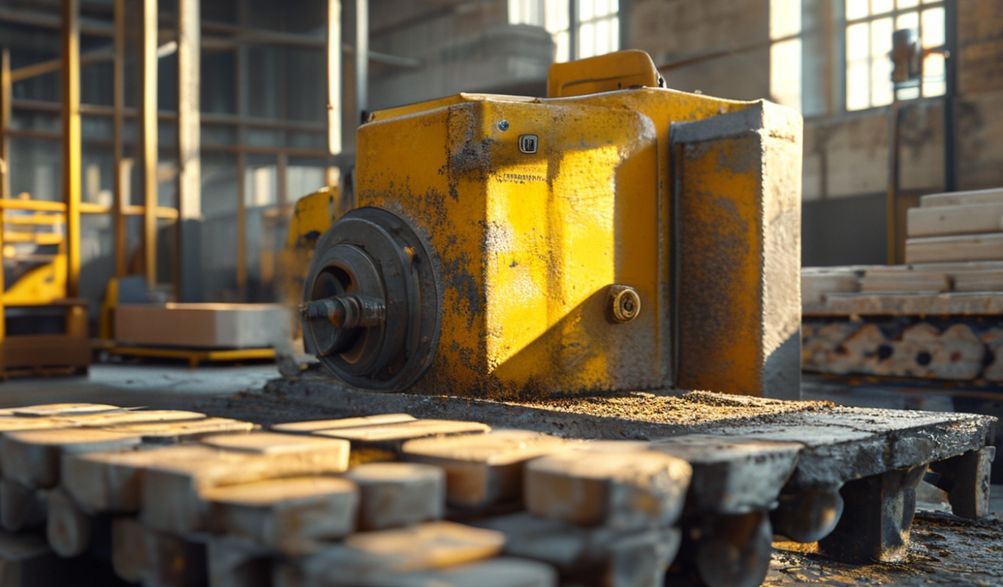
Chi Phí Máy Làm Gạch Bán Tự Động Là Bao Nhiêu? (Hướng Dẫn Mua Hàng 2026)
Giới thiệu
Bạn đang đứng trước ngã rẽ. Công ty xây dựng của bạn đang phát triển, hoặc có thể bạn là một doanh nhân đang nhắm vào thị trường vật liệu xây dựng đang bùng nổ. Bạn biết rằng việc tự sản xuất gạch bê tông có thể cắt giảm đáng kể chi phí dự án hoặc tạo ra một nguồn doanh thu mới hấp dẫn. Nhưng con đường phía trước chất chứa nhiều câu hỏi. Bạn có nên phụ thuộc vào sức lao động thủ công vất vả? Liệu một nhà máy tự động hoàn toàn với robot, trị giá hàng trăm nghìn đô có phải là quá mức cần thiết? Có một lựa chọn trung gian mà các chủ doanh nghiệp thông thái đã tận dụng trong nhiều thập kỷ: máy làm gạch bê tông bán tự động.
Hướng dẫn này được thiết kế để loại bỏ những thông tin nhiễu loạn và sự cường điệu từ nhà cung cấp. Chúng tôi không chỉ đưa ra một mức giá chung chung. Chi phí thực sựgiá của một máy làm gạch bê tông bán tự độnglà một phương trình đa tầng liên quan đến khoản đầu tư ban đầu, các khoản phí ẩn khi thiết lập và chi phí vận hành liên tục. Đưa ra quyết định thiếu thông tin có thể biến một khoản đầu tư đầy hứa hẹn thành một vật dụng đắt đỏ vô dụng.
Dựa trên phân tích ngành, thông số kỹ thuật từ nhà sản xuất và những hiểu biết thực tế từ vận hành, hướng dẫn năm 2026 này sẽ cung cấp một bản phân tích minh bạch. Chúng tôi sẽ mổ xẻ chi phí mua ban đầu, khám phá tổng chi phí sở hữu thường bị bỏ qua, và trang bị cho bạn một khuôn khổ để tính toán lợi tức đầu tư (ROI) tiềm năng. Đến cuối cùng, bạn sẽ có thể tiếp cận các nhà cung cấp với sự tự tin, biết chính xác cần hỏi những gì và đòi hỏi giá trị nào.
Tìm Hiểu Về Máy Sản Xuất Gạch Bán Tự Động
Trước khi bàn đến con số, điều quan trọng là phải hiểu bạn đang mua gì. Máy bán tự động chiếm vị trí chiến lược trung gian giữa hệ thống hoàn toàn thủ công và hoàn toàn tự động.
Chúng Hoạt Động Như Thế Nào: Sự Cân Bằng Hoàn Hảo Giữa Sức Mạnh và Kiểm Soát
Thuật ngữ "bán tự động" đề cập đến sự phân chia công việc giữa máy móc và người vận hành. Quy trình làm việc điển hình như sau:
- Cho Ăn Thủ Công:Công nhân đổ hỗn hợp bê tông đã chuẩn bị sẵn vào hộp khuôn hoặc phễu của máy.
- Nén Có Trợ LựcMáy tiếp quản, sử dụng kết hợp áp lực thủy lực và rung động tần số cao để nén chặt hỗn hợp vào khuôn. Đây chính là giá trị cốt lõi—đạt được độ nén chặt đồng nhất và cường độ cao mà phương pháp thủ công không thể làm được.
- Xử lý Thủ công:Một khi khối bê tông đã được định hình, các công nhân sẽ tháo dỡ nó (thường cùng với pallet mà nó được đúc trên đó) và vận chuyển đến khu vực bảo dưỡng.
Quá trình này tương phản rõ rệt với các đối tác của nó:
* Máy Móc Hoàn Toàn Thủ CôngYêu cầu nỗ lực thể chất lớn để thực hiện việc nén bằng cách kéo cần gạt, dẫn đến sản lượng thấp, chất lượng không đồng nhất và mệt mỏi lao động cao.
* Máy Móc Tự Động Hoàn Toàn:Xử lý việc cho ăn, nén, xử lý pallet, xếp chồng và bảo dưỡng với sự can thiệp tối thiểu của con người. Chúng mang lại sản lượng lớn nhưng đi kèm với giá thành cao, bảo trì phức tạp và yêu cầu nguồn điện đáng kể.
Mô hình bán tự động mang đến một sự thỏa hiệp mạnh mẽ: tính nhất quán được cơ giới hóa ở những khâu quan trọng nhất (như nén chặt), cùng với khả năng kiểm soát thủ công để linh hoạt và chi phí đầu vào thấp hơn nhiều.
Người Dùng Lý Tưởng: Máy Này Có Phù Hợp Với Doanh Nghiệp Của Bạn?
Chiếc máy này không dành cho tất cả mọi người, nhưng lại là sự lựa chọn hoàn hảo cho những đối tượng cụ thể:
- Các Nhà Sản Xuất Khối Quy Mô Nhỏ và Vừa:Các doanh nghiệp cung cấp cho nhà thầu xây dựng địa phương, cửa hàng phần cứng hoặc các dự án cụ thể.
- Công ty Xây dựng & Nhà thầu:Các công ty muốn tự sản xuất khối cho dự án của họ để kiểm soát chất lượng, chi phí và tiến độ cung ứng.
- Khởi nghiệp & Doanh nhân:Đặc biệt là tại các thị trường đang phát triển, nơi chi phí lao động thuận lợi và nhu cầu về nhà ở giá rẻ cao.
- Nhà sản xuất chuyên biệt:Những người sản xuất các sản phẩm chuyên biệt như gạch lát cảnh quan, khối liên kết hoặc thiết kế tùy chỉnh nơi cần thay đổi khuôn thường xuyên.
A typical semi-automatic machine can produce between 1,000 to 5,000+ standard blocks in an 8-hour shift, depending on the model and crew efficiency.
Breaking Down the Initial Purchase Price
The price tag is the most visible cost, but it varies wildly. Understanding the “why” behind the price is key to comparing apples to apples.
Key Price Determinants: What You’re Paying For
Several factors directly influence the machine’s cost:
- Năng suất sản xuất (Số khối mỗi giờ): This is the primary driver. A machine rated for 500 blocks/hour will cost significantly less than one rated for 1,500 blocks/hour. Higher capacity means a larger mold, more powerful vibration motors, and a sturdier frame.
- Block Size and Type: The complexity of the mold and compaction system changes with the product.
- Gạch rỗng: Most common and generally standard.
- Khối Rắn & Gạch Lát: May require slightly different pressure settings.
- Interlocking or Special Shapes: Complex molds and precise alignment features can increase cost.
- Machine Quality & Brand: You’re investing in steel, motors, and engineering.
- Economy/Local Brands: Often use lighter-gauge steel, standard-grade motors, and simpler controls. Lower upfront cost, but may compromise on longevity and consistency.
- Premium/International Brands: (e.g., brands like Zenith, Hess, or reputable regional manufacturers) Use heavy-duty materials, industrial-grade vibration systems, and offer better technical support. They command a higher price but deliver durability and lower lifetime operating costs.
- Mức độ Tự động hóa: The “semi-auto” spectrum is broad. Basic models are purely vibration-powered. Higher-priced models in this category may include add-ons like:
- An attached pan mixer for automatic feeding.
- A hydraulic system for mold lifting instead of manual cranks.
- A simple pallet stacker.
2026 Price Ranges (With Regional Context)
Crucial Disclaimer: Prices are highly sensitive to regional manufacturing costs, import duties, steel prices, and brand. The following are estimated global price brackets for a new machine (excluding shipping and taxes). Always, always get direct quotes from multiple suppliers.
| Machine Category | Daily Output Estimate (8 hrs) | Estimated Price Range (USD) | Best For |
| :— | :— | :— | :— |
| Entry-Level / Small Scale | 1,000 – 1,500 blocks | $4,500 – $9,000 | Start-ups, very small contractors, pilot projects. |
| Mid-Range / Standard | 2,000 – 4,000 blocks | $9,000 – $25,000 | The sweet spot for most small-to-medium businesses (SMBs) and dedicated block yards. |
| High-Capacity Semi-Auto | 5,000+ blocks | $25,000 – $45,000+ | Established block manufacturers looking to scale without full automation. |
Note: Machines at the upper end of the “High-Capacity” range often blur the line with basic automatic systems.
Beyond the Sticker Price: The Total Cost of Ownership
This is where true expertise matters. The purchase price is just the first deposit on your investment. Ignoring these costs is the #1 reason for business plan failures.
Shipping, Installation, and Commissioning
- Freight & Logistics: For international orders, sea freight is common but costs can add $1,000-$5,000+ depending on container size and destination port. Don’t forget inland transportation to your site.
- Installation & Foundation: The machine needs a level, solid concrete foundation. Factor in civil work costs. Some suppliers include installation in the price; others charge a separate fee.
- Commissioning: A technician from the supplier should install, calibrate, and test-run the machine, and train your staff. Verify if this is included or an extra cost.
Essential Accessories and Initial Setup
The machine alone cannot produce blocks. You must budget for the complete ecosystem:
- Máy trộn bê tông: A compulsory companion. A basic pan or drum mixer can cost $1,000 – $5,000.
- Pallets: You need hundreds. Steel or plastic pallets cost $5-$20+ each. A stock of 400-500 is a typical starting point.
- Curing Infrastructure: Blocks need to cure for weeks. This requires a sheltered area, racks, or simply a vast, organized yard with plastic sheeting.
- Raw Material Stockpile: Initial capital to purchase bulk cement, sand, and aggregate.
Operational Costs: Keeping the Machine Running
Your daily profit is what’s left after covering these expenses:
- Lao động Typically requires 2-4 workers per shift (feeding, operating, removing, curing). Calculate based on local daily wages.
- Tiêu thụ điện năng: Estimate using the motor’s kW rating. A 10 kW machine running 8 hours/day at $0.12/kWh costs about $9.60 per day in electricity.
- Raw Materials (Cost per Block): This is your largest recurring cost. A rough estimate for a standard hollow block might be $0.30 – $0.50 in material, varying wildly by location.
- Maintenance & Spare Parts: Budget 2-5% of the machine’s purchase price annually for:
- Wear parts: Mold liners, vibration motor bearings, springs, bolts.
- Hydraulic oil and filters.
- General servicing.
How to Get the Best Value for Your Investment
Armed with cost knowledge, your goal is to maximize value, not just minimize the initial price.
Vetting Suppliers and Manufacturers
- Check History & Reputation: How long have they been in business? Search for their company name + “reviews” or “complaints.”
- Request Client References: Ask for contacts of previous buyers in your region, and actually call them. Ask about machine performance and after-sales service.
- Verify After-Sales Service: Where is the nearest service technician? What is the guaranteed response time? Is there a local spare parts inventory?
- Demand a Live Demonstration: Insist on seeing a video of the exact model running, or better yet, visit a working installation.
Key Questions to Ask Before Buying
Put this checklist in front of every supplier:
1. What is included in the quoted price? (Installation? Training? Spare parts kit?)
2. What is the warranty period and what does it cover?
3. Can you provide a list of recommended spare parts with their prices?
4. What is the expected lead time for critical spare parts?
5. Do you provide operational and maintenance manuals in a language we understand?
6. What is the expected power consumption (in kW) for this model?
New vs. Used Machines: A Risk/Reward Analysis
Pros of Used: Can be 30-50% cheaper than a new machine.
Cons of Used:
* Unknown History: Hidden wear and tear, especially in critical components like the vibration system.
* Zero Warranty: All repairs are on you, from day one.
* Obsolete Parts: Finding replacement parts for an old or discontinued model can be impossible.
* No Training or Support.
Recommendation: Only consider used if you are a highly experienced mechanic or can bring an expert to inspect it thoroughly. For most, the security of a new machine warranty and support is worth the premium.
Calculating Your ROI: From Cost to Profit
The ultimate question: “When will this machine pay for itself?”
A Simple Feasibility Framework
Use this simplified formula to model your business:
(Selling Price per Block - Total Cost per Block) x Daily Production x Working Days per Year = Annual Gross Profit
Hypothetical Example:
* Selling Price per Hollow Block: $0.80
* Total Cost per Block (Materials, Labor, Power, Maintenance): $0.55
* Profit per Block: $0.25
* Daily Production (Mid-Range Machine): 2,500 blocks
* Daily Gross Profit: 2,500 x $0.25 = $625
* Annual Gross Profit (300 working days): $625 x 300 = $187,500
From this gross profit, you would deduct your machine financing cost, rental, and other overheads to find net profit. A $20,000 machine in this scenario could pay for itself in a matter of months.
Factors That Accelerate Your Payback Period
- High Local Demand & Price: Research your market’s selling prices thoroughly.
- Hiệu quả hoạt động: Minimizing material waste, block breakage, and machine downtime.
- Đa dạng hóa sản phẩm: Producing higher-margin products like colored pavers or decorative blocks.
- Running Multiple Shifts: Maximizing the utilization of your capital asset.
FAQ Section
Q1: What is the cheapest semi-automatic block making machine available?
A: You can find very basic, single-station models online for as low as $3,000-$4,000. However, extreme caution is advised. These machines often suffer from poor durability, inconsistent compaction, and negligible after-sales support. Focus on finding the best giá trị—reliable performance at a reasonable price—not just the lowest ticket.
Q2: Can I operate this machine with a single-phase power connection?
A: Many smaller entry-level models (up to ~5 kW) are designed for single-phase power (220V), which is common in workshops and homes. Most mid-to-large capacity machines require a three-phase (380V/415V) industrial connection due to their more powerful motors. Always confirm the electrical specifications before purchase.
Q3: How long does it take to learn to operate a semi-automatic machine?
A: A competent worker can learn the basic operation—feeding, starting the cycle, removing blocks—within a few days of training. However, mastering the mix design, troubleshooting common issues like block sticking or cracking, and achieving peak efficiency and consistent quality typically takes several weeks of hands-on experience.
Q4: Are there financing options available for these machines?
A: Yes, options exist. Some manufacturers or their dealers offer in-house financing or leasing plans. More commonly, you can explore equipment financing loans from banks or credit unions, which use the machine itself as collateral. Government small-business support schemes in your region may also offer favorable loans.
Q5: What is the typical lifespan of a well-maintained machine?
A: The core structure (frame, table) of a quality semi-automatic machine, with proper care and maintenance, can easily last 15-20 years or more. However, wear parts like mold liners, vibration motors, and springs will need replacement every few years depending on usage. Think of it as a long-term asset with periodic component renewals.
Conclusion
Điều hướng quagiá của một máy làm gạch bê tông bán tự động requires looking beyond the invoice. It’s a composite of your initial investment, the necessary ecosystem of accessories, and the ongoing drumbeat of labor, materials, and maintenance. As this guide has outlined, a $15,000 machine can quickly become a $25,000+ project once it’s operational on your floor.
The path to a profitable investment is paved with research. Use the price ranges as a starting point for budgeting, but let the questions about total cost of ownership and supplier vetting guide your final decision. Prioritize a reputable partner who offers robust support over the supplier with the rock-bottom bid and a disappearing act after the sale.
Your next step is to take this framework and apply it to your specific context. Assess your local market demand, calculate your potential ROI with realistic numbers, and then engage confidently with suppliers. By making an informed, value-driven decision, you’re not just buying a machine—you’re investing in the foundation of your business’s growth for years to come.
<