Giới Thiệu Thị Trường Máy Móc Sản Xuất Gạch Xi Măng tại Hoa Kỳ
Ngành xây dựng Hoa Kỳ, với đặc trưng là khung quy định chặt chẽ, nhu cầu khu vực đa dạng và sự chú trọng vào đổi mới công nghệ, tạo nên một thị trường riêng biệt cho máy móc sản xuất gạch xi măng. Đối với các nhà phân phối, chuyên gia thu mua và nhà đầu tư công nghiệp, việc định hướng trong bức tranh giá cả của thiết bị này đòi hỏi hiểu biết sâu sắc về xu hướng sản xuất trong nước, các yếu tố hậu cần và yêu cầu tuân thủ quy định. Việc mua một máy làm gạch xi măng không chỉ đơn thuần là một giao dịch mua bán mà còn là một khoản đầu tư vốn chiến lược, phải phù hợp với tính kinh tế sản xuất địa phương, chi phí lao động và nguồn cung vật liệu.
Phân Tích Toàn Diện Thị Trường và Đầu Tư
1.1 Kiến trúc Định giá và Các Cấp Thiết bị tại Hoa Kỳ
Giá máy sản xuất gạch xi măng trên thị trường Mỹ chịu ảnh hưởng bởi sự kết hợp giữa chi phí sản xuất trong nước, thuế nhập khẩu và việc tuân thủ các tiêu chuẩn nghiêm ngặt về an toàn và khí thải của Hoa Kỳ.
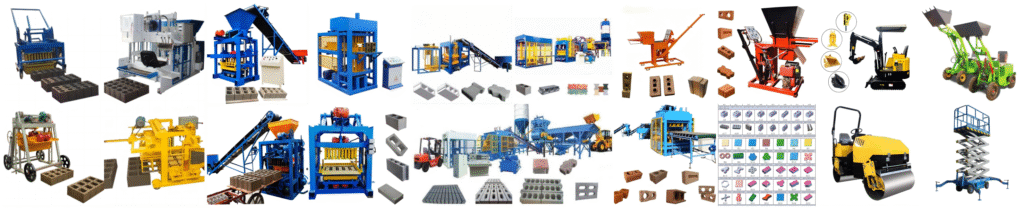
- Hệ Thống Thủ Công và Bán Tự Động Cấp Đầu VàoTại thị trường Hoa Kỳ, các máy cơ bản thủ công có giá từ3.500 đến 12.000 đô latrong khi các mô hình bán tự động thường nằm trong khoảng giữa18.000 đô la và 55.000 đô laCác hệ thống này thường được ưa chuộng bởi các doanh nghiệp làm vườn nhỏ, nhà sản xuất chuyên biệt và các công ty khởi nghiệp tập trung vào gạch tùy chỉnh hoặc kiến trúc. Mức giá cao hơn trung bình toàn cầu được tính toán dựa trên việc tuân thủ tiêu chuẩn điện UL/ETL, các tính năng an toàn phù hợp với OSHA, cùng chi phí lao động và thép trong nước cao hơn cho các đơn vị lắp ráp tại Mỹ.
- Hệ thống Sản xuất Tự động Hoàn toàn Tầm TrungDanh mục này, có giá từ65.000 USD đến 220.000 USD, đại diện cho phân khúc hoạt động sôi động nhất của thị trường Mỹ. Thiết bị trong phân khúc này được thiết kế cho các doanh nghiệp vừa và nhỏ (SMEs) cung cấp hàng cho các cửa hàng vật liệu xây dựng khu vực và các nhà thầu. Các hệ thống này có tính năng điều khiển bằng PLC, xử lý pallet tự động và sản lượng từ 5.000 đến 15.000 viên gạch mỗi ca 8 giờ. Cơ cấu giá thường bao gồm lắp đặt cơ bản và vận hành bàn giao - một dịch vụ quan trọng do tính chất kỹ thuật của thiết bị.
- Dây chuyền sản xuất trọn gói quy mô công nghiệp:Đối với các nhà sản xuất quy mô lớn và nhà đầu tư chiến lược, các giải pháp trọn gói bao gồm từ250.000 USD đến hơn 1,2 triệu USDCác hệ thống này bao gồm nhà máy trộn tích hợp, máy xếp pallet tự động và hệ thống bảo dưỡng tinh vi. Ở mức cao cấp nhất của dải sản phẩm này là các giải pháp thiết kế tùy chỉnh có khả năng sản xuất hơn 30.000 viên gạch mỗi ca. Cấp độ này thường đòi hỏi tư vấn kỹ thuật chuyên sâu và phải đối mặt với hậu cần phức tạp, bao gồm vận chuyển chuyên dụng và dịch vụ cần cẩu để lắp đặt.
1.2 Các Yếu Tố Quyết Định Chính Đến Chi Phí Máy Móc tại Thị Trường Hoa Kỳ
Nhiều yếu tố đặc thù trong môi trường thương mại Mỹ ảnh hưởng đáng kể đến giá thành thiết bị cuối cùng.
- Chi phí Tuân thủ và Chứng nhậnMáy móc bán tại Mỹ phải tuân thủ các quy định nghiêm ngặt, bao gồm tiêu chuẩn an toàn lao động OSHA, chứng nhận điện UL/ETL, và ở một số khu vực, yêu cầu về khí thải của Ban Tài Nguyên Không Khí California (CARB) đối với các bộ phận chạy bằng động cơ. Quy trình kỹ thuật, thử nghiệm và chứng nhận làm tăng thêm 8-15% chi phí sản xuất cơ bản so với thiết bị dành cho các thị trường ít bị quy định hơn.
- Kinh tế Sản xuất Trong nước so với Nhập khẩuThiết bị được sản xuất hoặc lắp ráp trong nước Mỹ thường có mức giá cao hơn từ 10-25% so với các sản phẩm nhập khẩu trực tiếp tương đương. Tuy nhiên, điều này thường được bù đắp bởi thời gian giao hàng ngắn hơn (4-8 tuần so với 12-20 tuần), chi phí vận chuyển thấp hơn, dễ dàng tiếp cận phụ tùng thay thế và hỗ trợ kỹ thuật phản hồi nhanh hơn. Các cụm sản xuất chính tập trung ở Texas, vùng Trung Tây và Đông Nam, tận dụng lợi thế về sản xuất thép và chuyên môn công nghiệp theo vùng.
- Cơ cấu thuế quan và các cân nhắc khi nhập khẩuMáy móc nhập khẩu vào Hoa Kỳ phải tuân theo mã Biểu thuế Hài hòa (HTS), với hầu hết máy làm gạch thuộc nhóm 8474. Thuế suất thường dao động từ 0% đến 3,7%, nhưng các mức thuế bổ sung theo Điều 301 có thể áp dụng đối với một số nước xuất xứ nhất định, có khả năng tăng thêm 25% vào giá trị hải quan. Phân tích kỹ thuật thuế quan toàn diện là rất cần thiết để dự báo chi phí chính xác cho thiết bị nhập khẩu.
- Chi phí Hậu cần và Lắp đặt:Địa lý rộng lớn của Hoa Kỳ tạo ra sự chênh lệch đáng kể về chi phí hậu cần. Vận chuyển một máy đóng container từ cảng biển Bờ Tây đến cơ sở ở Trung Tây có thể tốn từ 4.000 đến 7.000 USD, trong khi các điểm đến ở Bờ Đông có thể dao động từ 2.500 đến 5.000 USD. Dịch vụ lắp đặt và vận hành thường tăng thêm 5-12% vào tổng chi phí thiết bị, bao gồm kiểm tra nền móng, kết nối điện và đào tạo vận hành.
1.3 Tổng Chi Phí Sở Hữu và Kinh Tế Vận Hành
A comprehensive financial analysis must extend beyond the initial purchase price to encompass the full lifecycle cost of the equipment.
- Operational Expenditure Analysis:
- Chi phí lao động: US wage rates significantly impact operational economics. A single automated system may require 2-3 operators per shift at wages ranging from $18-$32 per hour, plus benefits. This labor structure favors higher levels of automation to maximize output per labor dollar.
- Tiêu thụ Năng lượng With US industrial electricity rates averaging $0.07-$0.12 per kWh, the annual energy cost for a mid-range automated system typically ranges from $8,000 to $20,000, depending on regional rates and production volume.
- Maintenance and Parts: Annual maintenance costs average 3-5% of the initial equipment investment. The availability and cost of replacement parts, especially for imported machines, can significantly impact long-term operational continuity and cost.
- Return on Investment Projections: Well-utilized automatic systems in the US market typically achieve ROI within 2-4 years. This timeline is highly sensitive to local brick pricing (which ranges from $0.50 to $1.20 per standard brick), capacity utilization rates, and efficiency of raw material sourcing. The robust US construction market generally supports favorable economics for efficient producers.
1.4 Strategic Procurement and Financing Pathways
Navigating the acquisition process requires careful consideration of financing options and supplier selection criteria.
- Supplier Qualification and Due Diligence: The US market contains a mix of domestic manufacturers, international companies with US-based operations, and import distributors. Critical evaluation factors should include: years of US market presence, installation portfolio, spare parts inventory location, and responsiveness of technical support. Verifying supplier stability through financial records and customer references is essential.
- Financing Structures and Tax Considerations: Several financing options are available, including equipment loans, leasing arrangements, and Small Business Administration (SBA) loans. Leasing can preserve capital and may offer tax advantages, as payments are often fully deductible as operating expenses. Section 179 of the IRS tax code allows for immediate deduction of up to $1,080,000 of qualified business equipment purchased and placed in service during the tax year, providing significant potential tax benefits.
- Warranty and Service Agreement Evaluation: US market expectations typically include comprehensive warranties ranging from 1-3 years on major components. Service-level agreements should clearly define response times, spare parts availability guarantees, and remote support capabilities. The geographic coverage of service technicians is particularly important given the size of the US market.
Conclusion
The US market for cement brick making machinery presents a dynamic landscape of investment opportunities characterized by stringent compliance requirements, sophisticated customer demands, and robust competition. Success in this market requires moving beyond simple price comparisons to a holistic understanding of total cost of ownership, regulatory compliance, and long-term operational support. For distributors and investors, the strategic selection of appropriately scaled technology from a reputable supplier with proven US operational capabilities represents the most reliable path to achieving sustainable competitive advantage and strong returns on investment. In a market where efficiency, quality, and reliability are paramount, the right equipment decision serves as the foundation for long-term business success and growth.
Các Câu Hỏi Thường Gặp (FAQ)
Q1: What are the typical payment terms for machinery purchases in the US market?
A: Standard payment terms for domestic US transactions typically involve a 30-50% deposit upon order confirmation, with the balance due prior to shipment or upon completion of installation. For transactions exceeding $150,000, milestone-based payment schedules are common, often linked to engineering completion, manufacturing completion, and final commissioning. International suppliers may require irrevocable letters of credit for security.
Q2: How do US building codes and material standards affect machine selection?
A: ASTM International standards govern brick and block production in the US. Machines must be capable of producing units that comply with relevant standards such as ASTM C90 for load-bearing concrete masonry units. This requires precision in dimensional control and the ability to achieve consistent compressive strength, typically necessitating equipment with precise vibration and pressure control systems.
Q3: What is the availability of technical support and spare parts for imported machines in the US?
A: This varies significantly by supplier. Reputable international companies maintain US-based spare parts inventories and technical teams, while others operate through distributors. Critical considerations include: parts inventory location within the US, average parts delivery time, and the availability of comprehensive maintenance documentation in English. For mission-critical operations, a domestic parts inventory is highly recommended.
Q4: Are there grants or incentives available for purchasing brick making equipment in the US?
A: While direct federal grants for equipment purchase are rare, several incentive programs may apply. These include SBA loan guarantees, state-level industrial development bonds, and in certain cases, opportunity zone benefits. Additionally, energy-efficient equipment may qualify for local utility rebate programs. The Investment Tax Credit (ITC) does not typically apply to brick making machinery unless it incorporates significant solar or renewable energy components.
Q5: How does the US regulatory environment impact equipment operation?
A: Beyond initial certification, ongoing operation must comply with OSHA regulations for machine guarding, lockout/tagout procedures, and noise exposure limits. The National Fire Protection Association (NFPA) standards may apply to electrical systems, and environmental regulations may govern water runoff and dust control. Reputable suppliers design their US-market equipment with these regulations in mind.
Q6: What are the lead times for equipment delivery in the US market?
A: Lead times vary substantially based on equipment source and complexity. Domestically manufactured standard models typically ship within 4-8 weeks. Customized or imported equipment generally requires 12-20 weeks from order to delivery. Current global supply chain conditions can significantly impact these timelines, making project planning with buffer time essential.