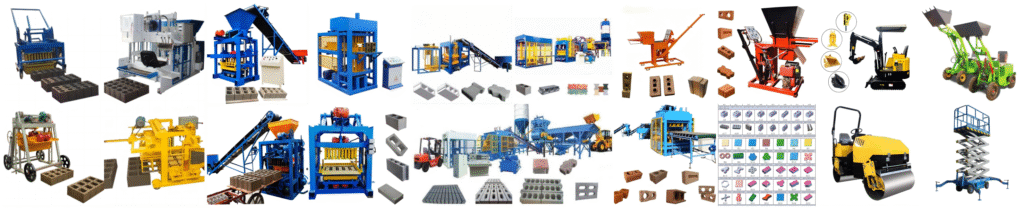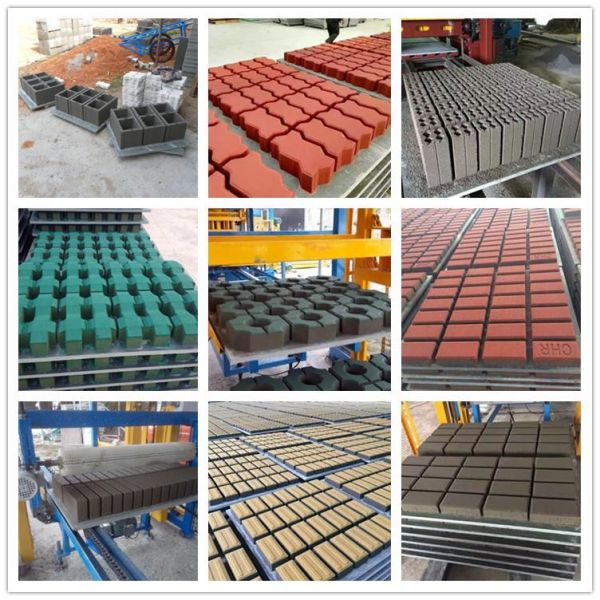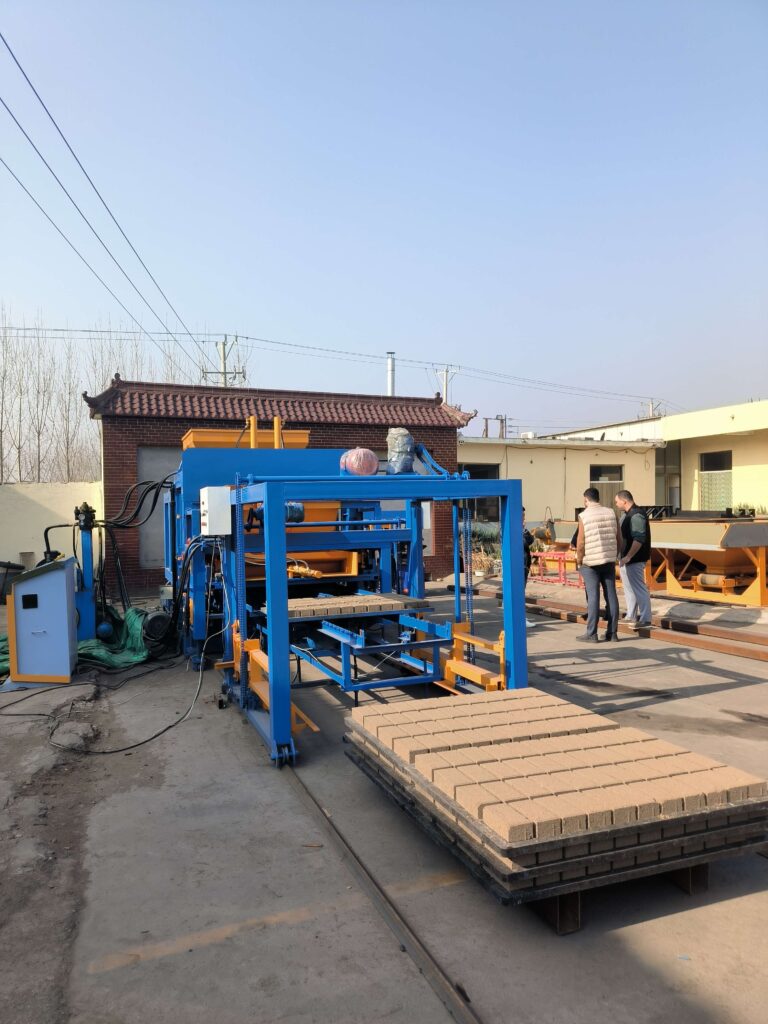
미국 시멘트 벽돌 기계 시장 개요
미국 건설 산업은 강력한 규제 체계, 다양한 지역적 수요, 그리고 기술 혁신에 대한 강조로 특징지어지며, 시멘트 벽돌 제조 기계에 대해 독특한 시장을 형성하고 있습니다. 유통업자, 조달 전문가, 산업 투자자들에게 있어 이 장비의 가격 구조를 파악하기 위해서는 국내 제조 동향, 물류적 고려 사항, 그리고 규정 준수 요건에 대한 세심한 이해가 필요합니다. 시멘트 벽돌 제조 기계의 도입은 단순한 구매가 아니라, 지역 생산 경제, 노동 비용, 그리고 자재 가용성과 조화를 이루어야 하는 전략적 자본 투자입니다.
종합 시장 및 투자 분석
1.1 미국 내 가격 구조 및 장비 등급 체계
미국 시장의 시멘트 벽돌 제조 기계 비용은 국내 제조 비용, 수입 관세, 그리고 미국의 엄격한 안전 및 배출 기준 준수 요건이 복합적으로 영향을 미칩니다.
- 초급 수동 및 반자동 시스템:미국 시장에서는 기본적인 수동 기계의 가격이3,500달러에서 12,000달러반자동 모델은 일반적으로 그 사이에 위치합니다.1만 8,000달러와 5만 5,000달러이러한 시스템은 소규모 조경 업체, 전문 제조업체, 맞춤형 또는 건축용 벽돌에 집중하는 스타트업 기업들 사이에서 선호되는 경우가 많습니다. 글로벌 평균 대비 높은 가격 프리미엄은 UL/ETL 전기 규격 준수, OSHA 기준에 부합하는 안전 기능, 미국 내 조립된 장비의 높은 국내 노동력 및 강재 비용을 반영한 것입니다.
- 중급 수준의 완전 자동 생산 시스템이 카테고리는 가격이6만 5천 달러에서 22만 달러이 구간은 미국 시장에서 가장 활발한 부문을 대표합니다. 이 범위의 장비는 지역 건설 자재 상점과 계약업체에 공급하는 중소기업을 위해 설계되었습니다. 이러한 시스템은 PLC 제어, 자동화된 팔레트 처리, 8시간 교대 근무 기준 5,000~15,000개의 벽돌 생산 능력을 특징으로 합니다. 가격 구조에는 기본 설치 및 시운전이 포함되는 경우가 많으며, 이는 장비의 기술적 특성을 고려할 때 필수적인 서비스입니다.
- 산업 규모의 턴키 생산 라인대규모 제조업체와 전략적 투자자를 위한 완전한 턴키 솔루션은 다음을 포함합니다.25만 달러에서 120만 달러 이상이러한 시스템에는 통합 배칭 플랜트, 로봇 팔레타이저, 정교한 양생 시스템이 포함됩니다. 이 분야의 최상위 계층은 교대당 3만 개 이상의 벽돌을 생산할 수 있는 맞춤형 엔지니어링 솔루션으로 구성됩니다. 이 단계는 일반적으로 상당한 수준의 엔지니어링 컨설팅이 수반되며, 설치를 위한 특수 화물 및 크레인 서비스를 포함한 복잡한 물류 절차가 적용됩니다.
1.2 미국 시장에서 기계 비용의 주요 결정 요인
미국 상업 환경에 특화된 여러 요인들이 최종 장비 가격에 상당한 영향을 미칩니다.
- 규정 준수 및 인증 비용미국에서 판매되는 기계는 OSHA 작업장 안전 기준, UL/ETL 전기 인증, 일부 지역에서는 엔진 구동 부품에 대한 캘리포니아 대기자원위원회(CARB) 배출 요건 등 엄격한 규정을 준수해야 합니다. 이러한 엔지니어링, 시험 및 인증 과정으로 인해 규제가 덜한 시장용 장비에 비해 기본 제조 원가가 8-15% 증가합니다.
- 국내 생산 대 수입 경제학미국 내에서 제조 또는 조립된 장비는 일반적으로 직접 수입된 동등 제품보다 10-25% 가격 프리미엄이 있습니다. 그러나 이는 단축된 리드 타임(12-20주 대비 4-8주), 낮은 운송 비용, 쉬운 예비 부품 접근성, 그리고 더 신속한 기술 지원으로 상쇄되는 경우가 많습니다. 주요 제조 클러스터는 텍사스, 중서부 및 남동부에 위치해 있으며, 지역의 철강 생산과 산업 전문성을 활용하고 있습니다.
- 관세 구조 및 수입 고려사항미국으로 수입되는 기계는 통합 관세율표(HTS) 코드의 적용을 받으며, 대부분의 벽돌 제조 기계는 8474번 항목에 해당합니다. 관세율은 일반적으로 0%에서 3.7% 사이이지만, 특정 원산지 국가에 대해서는 섹션 301에 따른 추가 관세가 적용되어 통관 가치의 25%가 가산될 수 있습니다. 수입 장비에 대한 정확한 비용 예측을 위해서는 철저한 관세 엔지니어링 분석이 필수적입니다.
- 물류 및 설치 비용미국의 광활한 지리적 조건은 물류 비용에 상당한 차이를 만들어냅니다. 서부 해안 항구에서 중서부 시설까지 컨테이너화된 기계를 운송하는 데는 4,000~7,000달러가 소요될 수 있는 반면, 동부 해안 목적지로의 운송은 2,500~5,000달러 범위일 수 있습니다. 설치 및 시운전 서비스는 일반적으로 전체 장비 비용의 5~12%를 추가로 차지하며, 이는 기초 검증, 전기 연결 및 운전 교육을 포함합니다.
1.3 총 소유 비용 및 운영 경제성
종합적인 재무 분석은 초기 구매 가격을 넘어 장비의 전체 수명 주기 비용을 포함해야 합니다.
- 운영 비용 분석:
- 노동 비용미국의 임금 수준은 운영 경제성에 상당한 영향을 미칩니다. 단일 자동화 시스템은 교대 근무당 시간당 18~32달러의 임금과 복리후생을 포함하여 2~3명의 작업자가 필요할 수 있습니다. 이러한 노동 구조는 노동 비용 대비 생산량을 극대화하기 위해 더 높은 수준의 자동화를 선호합니다.
- 에너지 소비미국의 산업용 전기 요금은 평균 kWh당 0.07~0.12달러로, 중간 수준의 자동화 시스템의 연간 에너지 비용은 일반적으로 지역별 요금과 생산량에 따라 8,000달러에서 20,000달러 사이입니다.
- 유지 보수 및 부품:연간 유지보수 비용은 초기 장비 투자 비용의 평균 3-5% 수준입니다. 특히 수입 기계의 경우 예비 부품의 가용성과 비용이 장기적인 운영 연속성과 비용에 큰 영향을 미칠 수 있습니다.
- 투자 수익률 예측:미국 시장에서 잘 활용된 자동화 시스템은 일반적으로 2~4년 내에 투자 수익률(ROI)을 달성합니다. 이 기간은 현지 벽돌 가격(표준 벽돌당 0.50달러에서 1.20달러 범위), 가동률, 원자재 조달 효율성에 크게 좌우됩니다. 활발한 미국 건설 시장은 일반적으로 효율적인 생산자에게 유리한 경제성을 제공합니다.
1.4 Strategic Procurement and Financing Pathways
Navigating the acquisition process requires careful consideration of financing options and supplier selection criteria.
- Supplier Qualification and Due Diligence: The US market contains a mix of domestic manufacturers, international companies with US-based operations, and import distributors. Critical evaluation factors should include: years of US market presence, installation portfolio, spare parts inventory location, and responsiveness of technical support. Verifying supplier stability through financial records and customer references is essential.
- Financing Structures and Tax Considerations: Several financing options are available, including equipment loans, leasing arrangements, and Small Business Administration (SBA) loans. Leasing can preserve capital and may offer tax advantages, as payments are often fully deductible as operating expenses. Section 179 of the IRS tax code allows for immediate deduction of up to $1,080,000 of qualified business equipment purchased and placed in service during the tax year, providing significant potential tax benefits.
- Warranty and Service Agreement Evaluation: US market expectations typically include comprehensive warranties ranging from 1-3 years on major components. Service-level agreements should clearly define response times, spare parts availability guarantees, and remote support capabilities. The geographic coverage of service technicians is particularly important given the size of the US market.
결론
The US market for cement brick making machinery presents a dynamic landscape of investment opportunities characterized by stringent compliance requirements, sophisticated customer demands, and robust competition. Success in this market requires moving beyond simple price comparisons to a holistic understanding of total cost of ownership, regulatory compliance, and long-term operational support. For distributors and investors, the strategic selection of appropriately scaled technology from a reputable supplier with proven US operational capabilities represents the most reliable path to achieving sustainable competitive advantage and strong returns on investment. In a market where efficiency, quality, and reliability are paramount, the right equipment decision serves as the foundation for long-term business success and growth.
자주 묻는 질문 (FAQ)
Q1: What are the typical payment terms for machinery purchases in the US market?
A: Standard payment terms for domestic US transactions typically involve a 30-50% deposit upon order confirmation, with the balance due prior to shipment or upon completion of installation. For transactions exceeding $150,000, milestone-based payment schedules are common, often linked to engineering completion, manufacturing completion, and final commissioning. International suppliers may require irrevocable letters of credit for security.
Q2: How do US building codes and material standards affect machine selection?
A: ASTM International standards govern brick and block production in the US. Machines must be capable of producing units that comply with relevant standards such as ASTM C90 for load-bearing concrete masonry units. This requires precision in dimensional control and the ability to achieve consistent compressive strength, typically necessitating equipment with precise vibration and pressure control systems.
Q3: What is the availability of technical support and spare parts for imported machines in the US?
A: This varies significantly by supplier. Reputable international companies maintain US-based spare parts inventories and technical teams, while others operate through distributors. Critical considerations include: parts inventory location within the US, average parts delivery time, and the availability of comprehensive maintenance documentation in English. For mission-critical operations, a domestic parts inventory is highly recommended.
Q4: Are there grants or incentives available for purchasing brick making equipment in the US?
A: While direct federal grants for equipment purchase are rare, several incentive programs may apply. These include SBA loan guarantees, state-level industrial development bonds, and in certain cases, opportunity zone benefits. Additionally, energy-efficient equipment may qualify for local utility rebate programs. The Investment Tax Credit (ITC) does not typically apply to brick making machinery unless it incorporates significant solar or renewable energy components.
Q5: How does the US regulatory environment impact equipment operation?
A: Beyond initial certification, ongoing operation must comply with OSHA regulations for machine guarding, lockout/tagout procedures, and noise exposure limits. The National Fire Protection Association (NFPA) standards may apply to electrical systems, and environmental regulations may govern water runoff and dust control. Reputable suppliers design their US-market equipment with these regulations in mind.
Q6: What are the lead times for equipment delivery in the US market?
A: Lead times vary substantially based on equipment source and complexity. Domestically manufactured standard models typically ship within 4-8 weeks. Customized or imported equipment generally requires 12-20 weeks from order to delivery. Current global supply chain conditions can significantly impact these timelines, making project planning with buffer time essential.