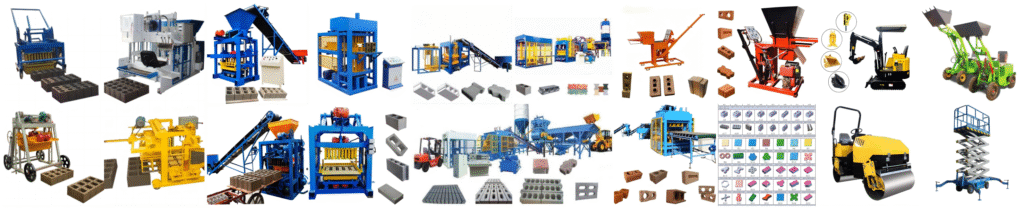
Cơ sở hạ tầng sản xuất tiên tiến và tích hợp quy trình
Năng lực của một nhà sản xuất máy móc về cơ bản bắt nguồn từ cơ sở hạ tầng vật chất và sự tích hợp của các quy trình sản xuất. Một cơ sở hàng đầu không hoạt động như một tập hợp các phân xưởng riêng lẻ, mà như một hệ sinh thái sản xuất được đồng bộ hóa.
- Kỹ thuật và Thiết kế Hỗ trợ Máy tínhHành trình của một máy sản xuất khối bắt đầu từ rất lâu trước khi kim loại được cắt. Nó bắt đầu với phần mềm mô hình hóa 3D và mô phỏng tinh vi. Các cơ sở tiên tiến sử dụng những công cụ này để phân tích phần tử hữu hạn (FEA) nhằm mô phỏng ứng suất trên khung và các bộ phận, cũng như động lực học chất lỏng tính toán (CFD) để tối ưu hóa thiết kế hệ thống thủy lực. Quá trình tạo mẫu kỹ thuật số này giúp giảm thiểu sai sót tốn kém và đảm bảo tính toàn vẹn về cấu trúc và chức năng của máy ngay từ đầu.
- Trung tâm Gia công và Chế tạo Chính xác:Chất lượng của sản phẩm cuối cùng phụ thuộc trực tiếp vào độ chính xác của các thành phần cấu tạo nên nó. Hãy tìm kiếm các cơ sở trang bị máy cắt plasma điều khiển số bằng máy tính (CNC), máy cắt laser và trung tâm gia công. Những công nghệ này đảm bảo rằng các bộ phận kết cấu được cắt với độ chính xác vượt trội, đồng thời các thành phần quan trọng như đế van thủy lực và ổ trục được gia công với dung sai ở cấp độ micron, đảm bảo độ khớp hoàn hảo và độ tin cậy lâu dài.
- Hàn tự động và Lắp ráp bằng Robot:Tính nhất quán trong hàn là yếu tố bắt buộc đối với thiết bị phải chịu được độ rung liên tục và tải trọng cao. Việc sử dụng hệ thống hàn tự động và cánh tay robot cho các cụm lắp ráp chính đảm bảo độ ngấu và độ bền đồng đều trên mọi mối hàn. Tự động hóa này giảm thiểu sai sót do con người và tạo ra sản phẩm không chỉ bền hơn mà còn có chất lượng hoàn thiện cao hơn.
Quy Trình Đảm Bảo Chất Lượng: Từ Kiểm Tra Nhập Liệu đến Kiểm Toán Cuối Cùng
Cam kết về chất lượng của một nhà máy không phải là một điểm kiểm tra đơn lẻ mà là một văn hóa lan tỏa được thực thi thông qua một quy trình nhiều giai đoạn, có tài liệu hóa.
- Chứng nhận Nguyên liệu Đầu vào:Quy trình bắt đầu bằng việc kiểm tra nguyên vật liệu thô. Các nhà sản xuất uy tín yêu cầu giấy chứng nhận nhà máy cho thép và hồ sơ có thể truy xuất nguồn gốc cho tất cả các linh kiện mua vào, như hệ thống thủy lực, động cơ và PLC. Điều này đảm bảo mọi đầu vào đều đáp ứng các tiêu chuẩn hóa học và vật lý quy định.
- Kiểm soát chất lượng trong quá trình sản xuất:Trong quá trình lắp ráp, các kiểm tra chất lượng được thực hiện ở từng mốc quan trọng. Điều này bao gồm xác minh kích thước của các bộ phận chế tạo, kiểm tra áp suất của bể chứa thủy lực hàn, và kiểm tra tính liên tục mạch cho bảng điện. Cách tiếp cận chủ động này giúp phát hiện và khắc phục vấn đề ngay tại nguồn, ngăn chúng lan truyền đến giai đoạn lắp ráp cuối cùng.
- Kiểm tra Chức năng Toàn hệ thống và Xác nhận Hiệu suất:Trước khi một máy được phép xuất xưởng, nó phải trải qua một bài kiểm tra chạy thử toàn diện. Quá trình này bao gồm việc lắp ráp máy với tất cả các hệ thống, khởi động nguồn, và cho chạy qua toàn bộ chu trình vận hành—thường sử dụng bê tông để sản xuất các mẫu khối. Bài kiểm tra này xác nhận sự đồng bộ của các hệ thống cơ khí, thủy lực và điện, đo mức độ tiếng ồn, và kiểm chứng rằng các khối đầu ra đáp ứng các tiêu chuẩn về cường độ và kích thước quy định.
Strategic Imperatives for B2B Partnership Engagement
Evaluating Engineering Depth and Customization Capabilities
For a distributor, a factory’s ability to provide standard models is a baseline expectation. The true value often lies in its capacity for engineering collaboration and customization.
- Research and Development Investment: Inquire about the factory’s R&D department. A manufacturer with a dedicated, active R&D team is not merely replicating old designs; it is innovating to improve efficiency, incorporate new technologies, and meet evolving market and environmental standards. This is a key indicator of a partner that will remain competitive in the long run.
- Modular Design Philosophy: A sophisticated manufacturer designs its machines on a modular platform. This approach allows for a high degree of customization—such as different mold configurations, hopper capacities, or control system upgrades—without requiring a completely unique and prohibitively expensive engineering project. This flexibility allows distributors to tailor solutions to niche market segments without excessive lead times or costs.
- Technical Documentation and Support: The partnership extends beyond the sale of the machine. The factory must provide exhaustive documentation, including detailed parts manuals, electrical and hydraulic schematics, and foundation drawings. Furthermore, they should offer direct access to their senior engineers for troubleshooting complex issues, ensuring that the distributor’s technical team is never left without support.
Logistics, Supply Chain Stability, and After-Sales Ecosystem
The ability to manufacture a quality machine is one thing; delivering it and supporting it globally is another.
- Robust Global Logistics Management: An experienced manufacturer has established relationships with international freight forwarders and is proficient in handling the complexities of export documentation, container stuffing, Incoterms, and ocean or air freight. They should provide a single point of contact to manage the entire logistics process, ensuring a smooth and predictable delivery to the distributor’s warehouse.
- Strategic Spare Parts Inventory: A critical aspect of after-sales support is the availability of spare parts. The factory should maintain a comprehensive and well-organized spare parts warehouse. For high-wear items, they should be able to offer consignment stock programs for their key distributors, ensuring that critical components are available locally to minimize customer downtime.
- Structured Training Programs: The factory should offer regular training programs, both at their facility and online, for the distributor’s sales and service engineers. This training should cover machine operation, advanced troubleshooting, preventive maintenance schedules, and an overview of new product features. An educated distributor is an effective and loyal partner.
Mitigating Challenges in Cross-Border Manufacturing Partnerships
Navigating Communication and Cultural Nuances
Effective communication is the bedrock of any successful international partnership. Challenges can arise from time zone differences, language barriers, and varying business customs.
- Quản lý Tài khoản Chuyên biệt: The factory should assign a dedicated, multilingual account manager who thoroughly understands the distributor’s market and business needs. This person acts as the primary conduit for all communication, ensuring that technical queries, order updates, and commercial discussions are handled efficiently and without misunderstanding.
- Proactive Communication Protocols: Instead of reactive communication, establish a protocol for regular updates. This could include scheduled weekly video conferences, monthly performance reviews, and automated production status reports. This transparency builds trust and allows for proactive problem-solving.
Ensuring Intellectual Property Protection and Contractual Clarity
Engaging with a manufacturing partner requires a clear legal framework to protect both parties’ interests.
- Comprehensive Supply Agreement: All terms of the partnership should be meticulously detailed in a formal supply agreement. This includes pricing models, payment terms, warranty policies, minimum order quantities (if any), exclusivity territories, and clearly defined roles and responsibilities for after-sales service.
- Intellectual Property Safeguards: For distributors who commission custom machines or provide design input, it is crucial to have clear contractual clauses that protect their intellectual property and prevent the factory from selling identical custom solutions to their competitors.
Conclusion
Forging a direct relationship with a primary machinery manufacturer is a strategic decision that can define a distributor’s market position for years to come. It is a move that offers unparalleled control over product quality, cost structure, and supply chain resilience. However, it demands a methodical and discerning approach. The ideal partner is not merely a source of low-cost goods but a center of engineering excellence, manufacturing rigor, and collaborative spirit. By conducting thorough due diligence on the factory’s infrastructure, quality systems, and support capabilities, and by establishing clear communication channels and legal frameworks, B2B professionals can transform a simple sourcing decision into a powerful strategic alliance. In an increasingly competitive global market, the strength of your manufacturing partnership is not just an operational detail; it is a core component of your brand’s promise and your pathway to long-term, profitable growth.
Các Câu Hỏi Thường Gặp (FAQ)
Q1: What is a typical factory audit process, and what should we look for?
A: A comprehensive factory audit is a due diligence visit, either conducted in person or via a detailed virtual tour. Key areas to scrutinize include: the organization and cleanliness of the production floor (a sign of good management); the calibration records for measuring equipment; the material traceability system; the final testing procedures for finished machines; and the organization of the spare parts warehouse. Additionally, interviewing the quality control manager and lead engineers provides insight into the company’s technical depth and culture.
Q2: How do we handle warranty claims and technical support remotely?
A: A robust process is essential. The factory should have a clear warranty policy outlining claim procedures, response times, and parts replacement logistics. For technical support, they should provide 24/7 access to a technical hotline or a dedicated online portal. The use of augmented reality tools or live video support can allow their engineers to see the problem firsthand and guide your local technicians through complex repairs, dramatically reducing resolution time.
Q3: What are the minimum order quantities (MOQs) typically expected?
A: MOQs can vary significantly. For standard machine models, a factory may have an MOQ of one unit, especially for a new distributor relationship. For a more strategic partnership involving exclusive distribution rights in a territory, the factory will likely expect a commitment to a higher annual purchase volume. For spare parts, they may set a minimum order value per shipment to make logistics economically viable.
Q4: Can the factory provide client references from our specific region or industry?
A: A reputable and experienced factory should be able to provide verifiable references from existing clients in similar markets. When contacting these references, ask specific questions about machine reliability, the factory’s responsiveness to support requests, the accuracy of their documentation, and their adherence to delivery schedules. This provides real-world validation of the factory’s capabilities.
Q5: How does the factory stay updated with international safety and performance standards?
A: Leading manufacturers actively monitor and design their equipment to comply with international standards such as CE (Europe) and, increasingly, specific requirements for other markets like North America. They often engage with third-party certification bodies to audit and certify their products. Inquire about their certification portfolio and their process for ensuring that new machine designs are compliant from the outset.