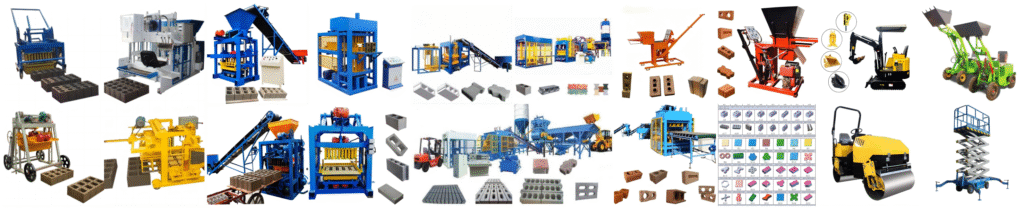
고급 제조 인프라 및 공정 통합
기계 제조업체의 역량은 근본적으로 물리적 인프라와 생산 공정의 통합에 기반을 둡니다. 선도적인 시설은 단순히 분리된 작업장들의 집합이 아니라, 동기화된 제조 생태계로 운영됩니다.
- 컴퓨터 지원 공학 및 설계블록 제조 기계의 여정은 금속이 절단되기 훨씬 전에 시작됩니다. 정교한 3D 모델링과 시뮬레이션 소프트웨어에서 비롯되죠. 첨단 시설에서는 프레임과 부품에 가해지는 응력을 시뮬레이션하기 위한 유한 요소 분석(FEA)과 유압 시스템 설계를 최적화하기 위한 전산 유체 역학(CFD)에 이러한 도구들을 활용합니다. 이러한 디지털 프로토타이핑은 비용이 많이 드는 오류를 최소화하고, 기계의 구조적 및 기능적 무결성을 시작부터 보장합니다.
- 정밀 가공 및 머시닝 센터최종 제품의 품질은 부품의 정밀도에 직접적으로 좌우됩니다. 컴퓨터 수치 제어(CNC) 플라즈마 커터, 레이저 커터, 가공 센터를 갖춘 시설을 찾아보세요. 이러한 기술은 구조 부품이 탁월한 정확도로 절단되고, 유압 밸브 시트 및 샤프트 베어링과 같은 핵심 부품이 마이크론 수준의 공차로 가공되어 완벽한 맞춤과 장기적인 신뢰성을 보장합니다.
- 자동 용접 및 로봇 조립:지속적인 진동과 높은 하중을 견뎌야 하는 장비의 경우 용접의 일관성은 절대적인 필수 조건입니다. 주요 서브 어셈블리에 자동 용접 시스템과 로봇 암을 사용함으로써 모든 용접부에 걸쳐 균일한 용입과 강도를 보장합니다. 이러한 자동화는 인적 오류를 줄여 더 강할 뿐만 아니라 더 높은 마무리 품질을 나타내는 제품을 생산합니다.
품질 보증 체계: 수입 검사에서 최종 감사까지
품질에 대한 공장의 헌신은 단일 검문소가 아니라, 다단계로 문서화된 규정을 통해 시행되는 포괄적인 문화입니다.
- 입고 자재 인증서공정은 원자재 검증부터 시작됩니다. 신뢰할 수 있는 제조업체는 강철의 경우 압연 증명서를, 유압 장치, 모터, PLC와 같은 모든 구매 부품의 경우 추적 가능한 문서를 요구합니다. 이를 통해 모든 투입물이 지정된 화학적 및 물리적 기준을 충족하도록 보장합니다.
- 공정 내 품질 관리:조립 과정에서는 모든 주요 단계에서 품질 점검을 실시합니다. 여기에는 제작된 부품의 치수 검증, 용접된 유압 저장 탱크의 압력 테스트, 전기 패널의 회로 연속성 점검이 포함됩니다. 이와 같은 선제적 접근 방식은 문제를 원천에서 파악하고 수정하여 최종 조립 단계로 전파되는 것을 방지합니다.
- 전체 시스템 기능 테스트 및 성능 검증: Before a machine is approved for shipment, it must undergo a comprehensive run-in test. This involves assembling the machine with all its systems, powering it on, and running it through its complete operational cycle—often using concrete to produce sample blocks. This test validates the synchronization of mechanical, hydraulic, and electrical systems, measures noise levels, and verifies that the output blocks meet specified strength and dimensional standards.
Strategic Imperatives for B2B Partnership Engagement
Evaluating Engineering Depth and Customization Capabilities
For a distributor, a factory’s ability to provide standard models is a baseline expectation. The true value often lies in its capacity for engineering collaboration and customization.
- Research and Development Investment: Inquire about the factory’s R&D department. A manufacturer with a dedicated, active R&D team is not merely replicating old designs; it is innovating to improve efficiency, incorporate new technologies, and meet evolving market and environmental standards. This is a key indicator of a partner that will remain competitive in the long run.
- Modular Design Philosophy: A sophisticated manufacturer designs its machines on a modular platform. This approach allows for a high degree of customization—such as different mold configurations, hopper capacities, or control system upgrades—without requiring a completely unique and prohibitively expensive engineering project. This flexibility allows distributors to tailor solutions to niche market segments without excessive lead times or costs.
- Technical Documentation and Support: The partnership extends beyond the sale of the machine. The factory must provide exhaustive documentation, including detailed parts manuals, electrical and hydraulic schematics, and foundation drawings. Furthermore, they should offer direct access to their senior engineers for troubleshooting complex issues, ensuring that the distributor’s technical team is never left without support.
Logistics, Supply Chain Stability, and After-Sales Ecosystem
The ability to manufacture a quality machine is one thing; delivering it and supporting it globally is another.
- Robust Global Logistics Management: An experienced manufacturer has established relationships with international freight forwarders and is proficient in handling the complexities of export documentation, container stuffing, Incoterms, and ocean or air freight. They should provide a single point of contact to manage the entire logistics process, ensuring a smooth and predictable delivery to the distributor’s warehouse.
- Strategic Spare Parts Inventory: A critical aspect of after-sales support is the availability of spare parts. The factory should maintain a comprehensive and well-organized spare parts warehouse. For high-wear items, they should be able to offer consignment stock programs for their key distributors, ensuring that critical components are available locally to minimize customer downtime.
- Structured Training Programs: The factory should offer regular training programs, both at their facility and online, for the distributor’s sales and service engineers. This training should cover machine operation, advanced troubleshooting, preventive maintenance schedules, and an overview of new product features. An educated distributor is an effective and loyal partner.
Mitigating Challenges in Cross-Border Manufacturing Partnerships
Navigating Communication and Cultural Nuances
Effective communication is the bedrock of any successful international partnership. Challenges can arise from time zone differences, language barriers, and varying business customs.
- 전담 계정 관리: The factory should assign a dedicated, multilingual account manager who thoroughly understands the distributor’s market and business needs. This person acts as the primary conduit for all communication, ensuring that technical queries, order updates, and commercial discussions are handled efficiently and without misunderstanding.
- Proactive Communication Protocols: Instead of reactive communication, establish a protocol for regular updates. This could include scheduled weekly video conferences, monthly performance reviews, and automated production status reports. This transparency builds trust and allows for proactive problem-solving.
Ensuring Intellectual Property Protection and Contractual Clarity
Engaging with a manufacturing partner requires a clear legal framework to protect both parties’ interests.
- Comprehensive Supply Agreement: All terms of the partnership should be meticulously detailed in a formal supply agreement. This includes pricing models, payment terms, warranty policies, minimum order quantities (if any), exclusivity territories, and clearly defined roles and responsibilities for after-sales service.
- Intellectual Property Safeguards: For distributors who commission custom machines or provide design input, it is crucial to have clear contractual clauses that protect their intellectual property and prevent the factory from selling identical custom solutions to their competitors.
결론
Forging a direct relationship with a primary machinery manufacturer is a strategic decision that can define a distributor’s market position for years to come. It is a move that offers unparalleled control over product quality, cost structure, and supply chain resilience. However, it demands a methodical and discerning approach. The ideal partner is not merely a source of low-cost goods but a center of engineering excellence, manufacturing rigor, and collaborative spirit. By conducting thorough due diligence on the factory’s infrastructure, quality systems, and support capabilities, and by establishing clear communication channels and legal frameworks, B2B professionals can transform a simple sourcing decision into a powerful strategic alliance. In an increasingly competitive global market, the strength of your manufacturing partnership is not just an operational detail; it is a core component of your brand’s promise and your pathway to long-term, profitable growth.
자주 묻는 질문 (FAQ)
Q1: What is a typical factory audit process, and what should we look for?
A: A comprehensive factory audit is a due diligence visit, either conducted in person or via a detailed virtual tour. Key areas to scrutinize include: the organization and cleanliness of the production floor (a sign of good management); the calibration records for measuring equipment; the material traceability system; the final testing procedures for finished machines; and the organization of the spare parts warehouse. Additionally, interviewing the quality control manager and lead engineers provides insight into the company’s technical depth and culture.
Q2: How do we handle warranty claims and technical support remotely?
A: A robust process is essential. The factory should have a clear warranty policy outlining claim procedures, response times, and parts replacement logistics. For technical support, they should provide 24/7 access to a technical hotline or a dedicated online portal. The use of augmented reality tools or live video support can allow their engineers to see the problem firsthand and guide your local technicians through complex repairs, dramatically reducing resolution time.
Q3: What are the minimum order quantities (MOQs) typically expected?
A: MOQs can vary significantly. For standard machine models, a factory may have an MOQ of one unit, especially for a new distributor relationship. For a more strategic partnership involving exclusive distribution rights in a territory, the factory will likely expect a commitment to a higher annual purchase volume. For spare parts, they may set a minimum order value per shipment to make logistics economically viable.
Q4: Can the factory provide client references from our specific region or industry?
A: A reputable and experienced factory should be able to provide verifiable references from existing clients in similar markets. When contacting these references, ask specific questions about machine reliability, the factory’s responsiveness to support requests, the accuracy of their documentation, and their adherence to delivery schedules. This provides real-world validation of the factory’s capabilities.
Q5: How does the factory stay updated with international safety and performance standards?
A: Leading manufacturers actively monitor and design their equipment to comply with international standards such as CE (Europe) and, increasingly, specific requirements for other markets like North America. They often engage with third-party certification bodies to audit and certify their products. Inquire about their certification portfolio and their process for ensuring that new machine designs are compliant from the outset.