미국 석공 기계 시장의 구조
국내 풍경의 독특한 특징
미국 내 블록 벽돌 제조 장비 시장은 다른 지역에서는 흔히 볼 수 없는 몇 가지 독특한 요인에 의해 형성됩니다. 첫째, 영업 규모가 지역 건설업체에 공급하는 소규모 가족 경영 공장부터 다국적 건설 회사와 정부 인프라 프로젝트를 담당하는 대규모 자동화 공장에 이르기까지 극명하게 차이납니다. 이러한 다양성은 이에 상응하는 다양한 장비 포트폴리오를 필요로 합니다. 둘째, 공공 사업에 대한 연방 및 주 정부의 조달 정책으로 종종 강화되는 '미국제 구매' 열기가 구매 결정에 영향을 미칩니다. 법적 의무사항은 아니지만, 국내 제조, 조립 또는 광범위한 현지 부품 및 서비스 지원에 대한 가시적인 헌신은 상당한 경쟁 우위를 제공합니다. 더 나아가, 국가의 광활한 지리적 특성으로 인해 지역별 수요가 뚜렷이 구분됩니다. 선벨트 지역의 대규모, 빠른 주택 개발에 사용되는 장비는 내구성과 높은 생산 능력을 갖춰야 하는 반면, 북동부 지역의 특수 고부가가치 프로젝트용 장비는 건축 자재에 대한 다목적성이 더 중요시될 수 있습니다.
주요 수요 동인과 경제 지표
미국 시장을 움직이는 동력을 이해하는 것은 투자 시기를 결정하고 판매 전략을 조정하는 데 매우 중요합니다. 주요 동인은 국가 경제와 깊이 연관되어 있습니다.
- 연방 인프라 법안:도로, 교량, 공공 시설에 대한 연방 정부의 대규모 지출은 콘크리트 블록(CMU)에 대한 직접적이고 지속적인 수요를 창출합니다. 이는 블록 생산자들이 수익성 높은 계약을 따내기 위해 생산 능력과 효율성을 높이려 함에 따라 장비 제조업체와 유통업체까지 파급 효과를 미칩니다.
- 주택 시장 동향:주택 건설은 벽돌 및 블록 기계 수요의 초석입니다. 단독주택 및 다세대 주택 착공은 표준 구조 블록과 베니어 제품 주문과 직접적인 상관관계를 가집니다. 주택 건축 허가와 모기지 금리를 추적하는 것은 기계 판매에 대한 신뢰할 수 있는 선행 지표를 제공합니다.
- 상업 및 산업 건설상업용 부동산 부문, 즉 사무실 건물, 창고, 소매 공간의 건강 상태는 시장에 큰 영향을 미칩니다. 예를 들어, 현재 물류 및 유통 센터 건설 붐은 특정 유형의 콘크리트 블록의 주요 소비처입니다.
- 리트로핏 및 리노베이션 부문:종종 간과되지만, 기존 인프라와 건물을 수리하고 개선하는 시장은 안정적이고 경기 역행적인 수요 흐름을 제공합니다. 이 부문은 역사적 보존을 위해 맞춤형이나 일치하는 유닛을 생산할 수 있는 더 작고 다용도 기계를 필요로 하는 경우가 많습니다.
미국 운영자를 위한 기계류 상세 분류 체계
독립형 블록 제조 기계: 핵심 기술
어떤 석공 작업의 핵심도 바로 블록 제조 기계 자체에 있습니다. 미국의 맥락에서 이러한 기계들은 작동 방식과 생산 능력에 따라 분류됩니다.
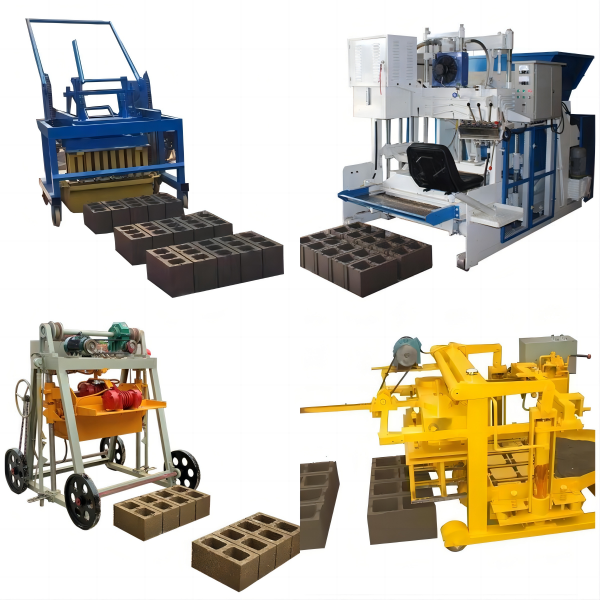
- 수동 및 반자동 프레스이러한 기계는 원자재(콘크리트, 모래, 색소) 투입과 완제품 제거에 상당한 작업자의 개입이 필요합니다. 초기 투자 비용이 낮은 것이 특징이며, 소규모 사업체, 특수 제품 제조업체 또는 대규모 프로젝트의 현장 생산에 적합합니다. 이들의 생산량은 하루에 수백 개의 블록으로 측정됩니다.
- 완전 자동 정적 머신:이들은 미국의 중소 규모 공장들의 중추 역할을 합니다. 재료 공급, 혼합, 고압 성형(진동 및 유압), 그리고 양생까지를 하나의 고정식 시스템으로 통합합니다. 한두 명의 작업자가 여전히 필요하지만, 공정은 대부분 자동화되어 있으며, 모델과 블록 크기에 따라 8시간 교대 근무당 1,000개에서 5,000개의 블록을 생산합니다.
- 현장 생산용 모바일 블록 머신니치이지만 성장 중인 분야인 이 독립형 유닛은 대규모 건설 현장으로 운반되어 필요한 곳에서 직접 블록을 생산할 수 있습니다. 이는 완제품의 운송 비용을 제거하고, 제품 손상을 줄이며, 탁월한 유연성을 제공합니다. 고정된 공장에서 일관된 공급망을 유지하는 것이 물류적으로 어려운 외딴 지역이나 프로젝트에 이상적입니다.
통합 생산 시스템 및 보조 장비
더 넓은 시장이 요구하는 대량 생산을 달성하기 위해서는 단독 기계만으로는 부족합니다. 완전한 턴키 솔루션은 동기화된 장비 생태계를 필요로 합니다.
- Material Handling and Batching Systems: These automated systems receive, store, and precisely weigh raw aggregates, cement, and water. They ensure a consistent and correct mix design, which is the absolute foundation of product quality and strength. For U.S. producers, consistency is key to meeting ASTM standards.
- Curing and Drying Solutions: The strength of concrete block is developed through controlled curing. Advanced systems use automated racks and climate-controlled chambers (often called “curing kilns”) that regulate temperature and humidity to accelerate the curing process, freeing up pallets for reuse and dramatically increasing overall plant throughput.
- Palletizing and Packaging Systems: Once cured, blocks must be stacked, banded, and wrapped for storage and shipment. Automated palletizers and robotic arm systems can handle this task with minimal human intervention, reducing labor costs and preventing damage to the finished product. For distributors, offering these ancillary systems can significantly increase the value of a sale.
Navigating the U.S. Regulatory and Compliance Environment
Adherence to ASTM and OSHA Standards
Compliance is not optional in the U.S. market. Machinery must be designed to produce blocks that meet the relevant American Society for Testing and Materials (ASTM) standards, such as ASTM C90 for load-bearing concrete masonry units. This influences machine design, particularly the pressure and vibration systems that determine block density and strength. Furthermore, the machinery itself must comply with stringent safety regulations set forth by the Occupational Safety and Health Administration (OSHA). This includes mandatory safety guards, emergency stop systems, lockout/tagout procedures, and noise level controls. Distributors must verify that their suppliers provide comprehensive documentation proving compliance to avoid liability and facilitate smooth market entry.
Emissions and Environmental Considerations
Environmental regulations, enforced by the Environmental Protection Agency (EPA) and state-level bodies, are increasingly influential. While primarily affecting the block producers themselves, this trickles down to machinery. Plants are seeking equipment that minimizes waste, optimizes energy consumption, and supports the use of recycled materials like fly ash or slag in the concrete mix. Machinery that is demonstrably “greener” through lower energy consumption or water recycling features is becoming a more attractive selling point.
Strategic Sourcing and Procurement for the B2B Sector
Evaluating the Total Cost of Ownership (TCO) in a Competitive Landscape
The initial purchase price is merely one component of the financial calculation. A sophisticated TCO analysis is essential for justifying investment to American clients who are increasingly focused on long-term value.
- 초기 자본 지출 Includes the machine cost, shipping, import duties (if applicable), and installation/commissioning.
- 운영 비용 Encompasses energy consumption (a major factor with high-horsepower machines), routine wear parts (molds, mixer blades, hydraulic seals), and labor.
- 유지보수 및 가동 중지 시간 The single largest hidden cost. A reliable machine with excellent domestic service support and readily available spare parts will have a far lower TCO than a cheaper machine prone to unscheduled downtime, which can halt an entire production line.
- 재판매 가치 Equipment from manufacturers with a strong reputation for durability and support will retain a higher residual value in the robust U.S. secondary market.
Building a Resilient Supply Chain and Support Network
For a distributor, the relationship with the machinery supplier is paramount. Key considerations include:
- Domestic Presence and Support: Does the manufacturer have a warehouse, spare parts depot, or technical support team within the United States? The ability to provide on-the-ground service within 24-48 hours is a critical differentiator.
- Training and Documentation: Comprehensive training for both the distributor’s service technicians and the end-client’s operators is non-negotiable. Documentation must be clear, in English, and cover operation, maintenance, and troubleshooting in detail.
- Financial Stability of the Supplier: The construction equipment industry is cyclical. Partnering with a financially stable manufacturer ensures they will be available to honor warranties and provide support for the lifespan of the machine, which can be a decade or more.
결론
The U.S. market for block brick machinery is a complex but highly rewarding arena for knowledgeable distributors and procurement professionals. Success hinges on a deep, multi-faceted strategy that goes beyond simply offering a machine for sale. It requires an understanding of the macroeconomic drivers, a comprehensive product portfolio that can serve diverse client needs, and an unwavering commitment to the regulatory and compliance standards that define American industry. The most successful players will be those who act as consultants and partners to their clients, offering not just equipment, but complete production solutions backed by robust local support. By focusing on the total cost of ownership, the integrity of the supply chain, and the unique dynamics of the domestic construction sector, B2B stakeholders can position themselves for sustained growth and leadership in this vital and ever-evolving market.
자주 묻는 질문 (FAQ)
Q1: What are the typical power requirements for a mid-range automatic block making machine in the U.S.?
A: A typical fully automatic stationary machine with a production capacity of around 2,000 blocks per 8-hour shift will generally require a robust 3-phase electrical supply, often in the range of 50 to 100 horsepower (approx. 37-75 kW) for the entire system, including the mixer, conveyor, and main press. It is crucial to verify the specific voltage (e.g., 480V) and amperage requirements with the manufacturer prior to installation.
Q2: How critical is local parts inventory for distributors in this market?
A: Extremely critical. Downtime is the enemy of profitability for your clients. Maintaining a local inventory of high-wear parts—such as mold liners, mixer blades, hydraulic hoses, and specific sensors—is a major competitive advantage. It allows for rapid response and repair, often within a single day, which builds immense customer loyalty and justifies premium service contracts.
Q3: Can machinery be customized to produce the specific block sizes and styles popular in different U.S. regions?
A: Absolutely. The ability to customize is a key selling feature. Manufacturers should offer a wide range of standard mold sizes for common U.S. units (e.g., 8x8x16 inch) but also have the engineering capability to produce custom molds for regional specialties, architectural shapes, split-face blocks, or landscaper units. The flexibility to quickly change molds for short production runs is highly valued.
Q4: What is the average lead time from order to delivery for a new machine?
A: Lead times can vary significantly. For a standard model from a supplier with U.S. inventory, delivery might be 4-6 weeks. For a custom-configured machine or a large turnkey plant shipped from overseas, lead times can range from 4 to 8 months, factoring in manufacturing, ocean freight, and customs clearance. Clear communication and a detailed delivery schedule from the supplier are essential.
Q5: Are there financing or leasing options commonly available for this type of equipment in the U.S.?
A: Yes, financing is very common. Many equipment suppliers partner with third-party financial institutions that specialize in commercial and industrial equipment loans and leases. Offering these options to your clients can make a significant capital investment more accessible, especially for small and medium-sized businesses looking to expand. Lease-to-own agreements can be a particularly attractive option.