
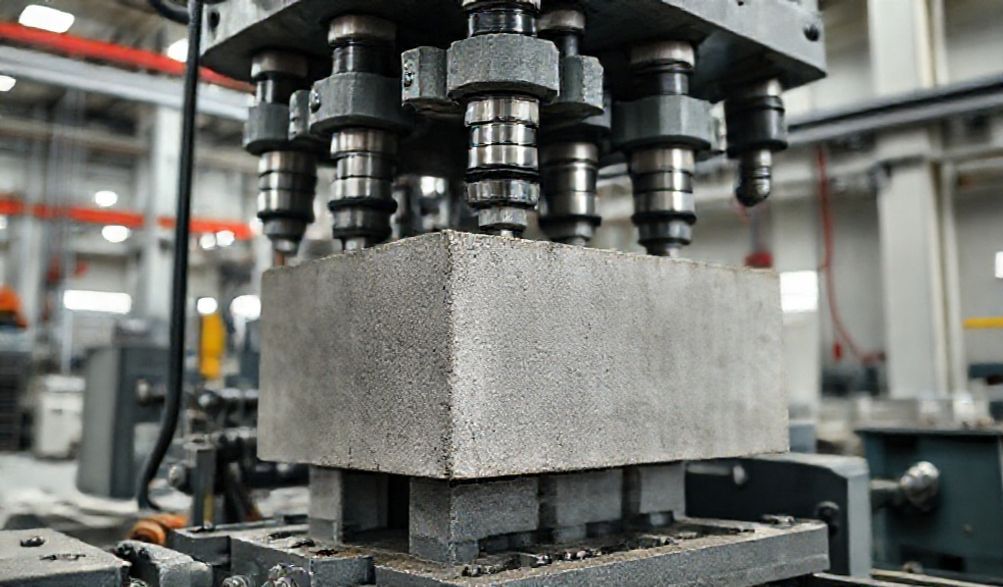
Jou Uiteindelike Gids vir die Aankoop van 'n Baksteenmaakmasjien uit Japan (2026)
Vir dekades lank was die "Made in Japan"-etiket 'n wêreldwye kode vir presisie, betroubaarheid en baanbrekende innovasie. Van die motorreuse Toyota tot die elektroniese pioniers van Sony, stel Japannese ingenieurswese 'n wêreldwye standaard. Hierdie reputasie vir uitnemendheid strek kragtig na die gebied van industriële masjinerie, insluitend die kritieke toerusting wat ons wêreld bou: baksteen- en blokvervaardigingsmasjiene.
Vir besigheidseienaars, konstruksiebestuurders en entrepreneurs is die verkryging van die regte baksteenmaakmasjien 'n deurslaggewende kapitaalbelegging. Tog bied die navigering van die internasionale mark—veral een wat bekend is vir hoë gehalte, komplekse masjinerie—aansienlike uitdagings. Hoe verifieer jy die ware toestand van 'n masjien halfpad oor die wêreld? Hoe kan jy tegniese versoenbaarheid met jou plaaslike materiale en kragtoevoer verseker? Wat is die verborge slaggate in logistiek, doeane en na-verkope ondersteuning?
Hierdie omvattende gids is ontwerp om jou beslissende hulpbron te wees. Ons sal die proses om 'n baksteenmasjien van Japan te koop, ontmister, en jou voorsien van die bedryfkennis, tegniese insigte en praktiese stappe wat nodig is om 'n selfversekerde en ingeligte belegging te maak. Deur kundigheid van handelsspesialiste, tegniese handleidings en markontleding te sintetiseer, is ons doel om jou in staat te stel om nie net 'n masjien te bekom nie, maar ook 'n grondslag vir langtermynproduktiwiteit en wins.
Hoekom Oorweeg 'n Japannese Baksteenvervaardigingsmasjien?
Die keuse van 'n baksteenmasjien is meer as net 'n aankoop; dit is 'n strategiese vennootskap met 'n stuk toerusting wat jou produksievermoë vir jare sal bepaal. Japannese masjiene bied duidelike voordele wat hul prominensie in die globale mark regverdig.
'n Erfenis van Ingenieursuitnemendheid
Die meerderwaardigheid van Japannese masjinerie is nie toevallig nie. Dit is die resultaat van 'n diep-ingewortelde vervaardigingsfilosofie.
- Kaizen en Maer Produksie:Hierdie voortdurende verbetermetodologieë fokus op die uitskakeling van vermorsing, die optimalisering van prosesse en die bemagtiging van werkers om doeltreffendhede te identifiseer. Vir jou vertaal dit na masjiene wat ontwerp is vir naatlose werking, minimale materiaalverlies en intuïtiewe kontroles.
- Presisievervaardiging:Japannese fabrieke is bekend vir hul noukeurige aandag aan toleransie en passing. Dit lei tot hidrouliese stelsels met minder lekkasies, vorms wat konsekwent dimensioneel akkurate blokke produseer, en algehele strukturele integriteit wat jare van streng gebruik weerstaan.
- Duursaamheidsfokus:Komponente word dikwels oorgeïngenieer volgens spesifikasies wat tipiese operasionele vereistes oorskry. Hierdie ingeboude buffer beteken minder slytasie, wat lei tot 'n beroemde lang operasionele levensduur met behoorlike instandhouding.
Gevorderde Tegnologie en Outomatisering
Japannese vervaardigers is vooraan in die integrasie van slim tegnologie in industriële toerusting. 'n Moderne Japannese baksteenmaakmasjien is dikwels 'n middelpunt van outomatisering.
- Programmeerbare Logiese Beheerders (PLB's):Hierdie gerekenariseerde beheerstelsels maak presiese programmering van produksiesiklusse, mengverhoudings en uithardingstye moontlik. Operateurs kan resepte vir verskillende bloktipes stoor en tussen hulle oorskakel met 'n druk van 'n knoppie.
- Energie-doeltreffende Stelsels:Van veranderlike spoed drywing op motors tot hitte-herwinningsisteme in verhardingskamers, is Japannese masjiene ontwerp om kragverbruik te verminder, 'n groot operasionele koste.
- Integrasie Gereed:Hulle is gebou om die middelpunt van 'n ten volle outomatiese produksielyn te wees, en verbind maklik met robotiese palletvoerders, stapelaars en vervoerstelsels vir 'n "hande-vry" fabrieksvloei.
Betroubaarheid en Langtermynwaarde (Totale Eienaarskoste)
Terwyl die aanvanklike prys van 'n Japannese masjien hoër mag wees as sommige alternatiewe, word die ware koste gemeet oor sy hele dienslewe – die Totale Eienaarskapskoste (TCO).
- Minder Afbreektyd: Superior reliability means fewer unexpected breakdowns and production halts. Consistent output is crucial for meeting project deadlines and maintaining cash flow.
- Lae Instandhoudingskoste: High-quality seals, bearings, and hydraulic components last longer and fail less frequently, reducing your spend on spare parts and repair labor.
- Hoër Herverkoopswaarde: The strong brand reputation and proven durability of Japanese machinery mean it retains a significant portion of its value, providing a better return if you ever decide to upgrade.
Key Japanese Manufacturers and Brands
Navigating the brand landscape is your first step. Japan is home to several renowned manufacturers, each with its own specialties.
Industry Leaders
- TIGER Concrete Block Making Machines: A prominent name with a long history, TIGER is known for its robust, fully automatic production lines. They offer a wide range of models, from high-capacity stationary plants to more compact systems, often featuring advanced vibration technology for optimal block density.
- Aimix Group in Japan: As part of a larger international conglomerate, Aimix leverages Japanese engineering and supply chains to produce a variety of machines. They are known for offering solutions that balance advanced features with cost-effectiveness, including mobile block making machines suitable for on-site production.
Comparing Machine Types and Specializations
| Brand/Type Focus | Typical Specialization | Key Differentiators |
| :— | :— | :— |
| TIGER | Fully automatic stationary production lines | High output (e.g., 10,000+ blocks per shift), advanced PLC controls, integration with complete plant systems. |
| Aimix Japan | Mobile & Semi-Automatic Machines | Versatility for on-site projects, easier relocation, often a balance between automation and manual operation. |
| Other Specialized Makers | Specific block types (e.g., interlocking paving stones, large hollow blocks) | Custom mold engineering, specialized vibration patterns for unique product profiles. |
The Importance of Authorized Dealers and After-Sales Support
Purchasing from an authorized dealer or a highly reputable exporter is non-negotiable. This is your safeguard for:
- Genuine Parts: Access to original manufacturer parts that guarantee fit and function.
- Valid Warranty: Ensuring that any factory warranty is transferable and honored.
- Tegniese Ondersteuning: The ability to get expert troubleshooting assistance, operational manuals, and wiring diagrams directly from the source.
Critical Factors Before You Buy
A successful purchase begins with a thorough internal assessment. Rushing this stage is the most common and costly mistake.
Assessering van U Produksiebehoeftes
Vra jouself hierdie sleutelvrae:
- Product Type: What bricks or blocks will you produce? (Solid, hollow, paving, interlocking soil-cement?)
- Uitsetvermoë: What is your required daily or weekly volume? Be realistic about current needs and near-term growth.
- Ruimte & Infrastruktuur: Do you have a factory building with a strong, level foundation? What is your 3-phase power supply voltage (e.g., 380V, 415V)?
- Rou Materiaal: What is the local availability and quality of cement, aggregates, and fly ash? The machine must be compatible.
New vs. Used Japanese Machines
This is a fundamental decision with significant financial implications.
- New Machines:
- Voordele: Latest technology, full manufacturer warranty, energy-efficient designs, and peace of mind.
- Nadele: Highest upfront capital investment, longer lead times for delivery.
- Used Japanese Machines (“Chukou”):
- Voordele: Exceptional value, immediate availability, and proven performance history. Japan’s strict equipment maintenance schedules mean used machines are often in excellent condition.
- Nadele: Limited or no warranty, potential for worn parts, technology may be a generation behind. A professional, third-party pre-shipment inspection is absolutely critical.
Understanding Specifications and Compatibility
Learn to speak the technical language. Key specs include:
- Druk / Tonnemaat: The clamping force of the machine (e.g., 1,000 tons). Higher tonnage generally means ability to produce denser, stronger blocks.
- Mold Size & Cycle Time: Determines the block dimensions and how many blocks can be produced per hour.
- Motor Krag: Indicates energy consumption and overall machine capability.
- Hulpapparatuur: Remember to budget for and source necessary add-ons: concrete mixers, belt conveyors, pallet feeders, and block stackers.
The Purchasing and Import Process Explained
This is where careful planning prevents logistical nightmares.
How to Find Verified Sellers and Listings
- Primary Sources: Start with the official websites of manufacturers like TIGER to identify authorized international distributors.
- Specialized B2B Platforms: Use established machinery marketplaces (e.g., JP Machinery, TradeKey) but exercise extreme caution. Scrutinize seller history and reviews.
- Verification Steps: Always request the company’s business registration, physical address, and contactable references from past international clients.
Essential Due Diligence: Inspection and Negotiation
Do not skip these steps:
- Request Media: Ask for high-resolution photos and videos of the actual machine in operation, focusing on the control panel, hydraulic system, and mold.
- Hire an Inspector: Engage a third-party inspection company in Japan (e.g., from Osaka or Yokohama ports) to conduct a Pre-Shipment Inspection (PSI). They will provide a neutral report on mechanical, electrical, and structural condition.
- Clarify Terms: Understand the Incoterms. FOB (Free On Board) Yokohama is common—you own the machine once it’s loaded on the ship and you arrange (and pay for) shipping and insurance. CIF (Cost, Insurance, Freight) to your port means the seller handles shipping, usually at a higher bundled cost.
- Negotiate: Use the inspection report as a basis for final price negotiation or to request that certain worn parts be replaced before shipment.
Navigating Logistics, Shipping, and Customs
- Freight Forwarder: Secure a reliable freight forwarder experienced in heavy machinery. They will handle booking cargo space on a Ro-Ro (Roll-on/Roll-off) or container vessel.
- Documentation: Ensure you receive a Commercial Invoice, Packing List, Bill of LadingenCertificate of Origin. These are mandatory for customs.
- Customs Clearance: Work with a customs broker in your country. Be prepared to pay import duties, VAT/GST, and any other applicable taxes. Provide your broker with all machine documentation.
Maximizing Your Investment: Installation and Beyond
Your responsibility begins the moment the machine arrives at your facility.
Planning for Installation and Commissioning
- Foundation: Prepare a reinforced concrete foundation exactly to the machine’s specification drawings before it arrives.
- Utilities: Ensure 3-phase power, water, and compressed air lines are run to the correct connection points.
- Tegniese Ondersteuning: Budget for and arrange a technician from the supplier or a qualified local engineer to supervise installation, calibrate the machine, and train your operators.
Sourcing Spare Parts and Maintaining Your Machine
- Maintenance Schedule: Adhere strictly to the manufacturer’s recommended schedule for greasing, oil changes, and hydraulic filter replacements.
- Spare Parts Inventory: Identify common wear items (seals, springs, mold liners) and establish a supply chain. Your authorized dealer is the best source for genuine parts.
- Manual Library: Keep digital and physical copies of all operation, maintenance, and parts manuals accessible.
Ensuring Safety and Operational Efficiency
- Safety First: Implement lockout-tagout procedures, ensure all safety guards are in place, and provide operators with proper PPE (safety glasses, gloves, steel-toe boots).
- Routine Checks: Make daily checks of hydraulic fluid levels, lubrication points, and bolt tightness a non-negotiable part of the shift startup routine.
Frequently Asked Questions (FAQ)
Q1: What is the typical price range for a Japanese brick making machine?
A: Prices vary dramatically based on capacity, automation, and condition. A small, used manual machine can start around $15,000 – $30,000. A mid-range semi-automatic system may cost $50,000 – $120,000. A brand-new, fully automatic high-capacity production line from a leading manufacturer can easily reach $250,000 to $500,000+. Always request a detailed quote based on your specific technical requirements.
Q2: Are used Japanese machines a reliable option?
A: Yes, they can be an exceptionally reliable and cost-effective option due to Japan’s culture of meticulous maintenance. However, reliability is not guaranteed—it is directly tied to the machine’s service history and present condition. This makes an independent, professional pre-purchase inspection the single most important step when considering a used machine.
Q3: How do I handle machine servicing in my country?
A: First, inquire with the seller about the manufacturer’s global service network or recommended technicians in your region. Second, identify a local heavy machinery electrician and mechanic and provide them with the machine’s manuals. Finally, establish a clear remote support agreement with the seller (via video call) for complex troubleshooting. Proactive maintenance is your best defense.
Q4: What are the main challenges of importing heavy machinery from Japan?
A: The primary challenges are: 1) Ensuring technical and electrical compatibility with your local standards, 2) Managing the cost and complexity of international shipping and insurance, 3) Navigating your country’s import regulations, duties, and taxes, and 4) Arranging for skilled installation and commissioning. This guide provides the framework to systematically address each of these hurdles.
Conclusion
Investing in a Japanese brick making machine is a commitment to quality, efficiency, and long-term operational stability. The journey from identifying your needs to seeing the machine produce its first perfect block requires careful navigation of engineering specifications, international trade, and logistics.
Remember, the goal is not simply to find the lowest price, but to secure the best value and the right partner for your business growth. Prioritize thorough research, rigorous supplier verification, and comprehensive due diligence—especially through professional inspection.
For a personalized assessment of your project needs or a recommended checklist for evaluating machine specifications, consider consulting with an industrial machinery expert. By applying the meticulous, informed approach outlined in this guide, you transform a complex international purchase into a strategic cornerstone for a more profitable and sustainable construction business.
<