
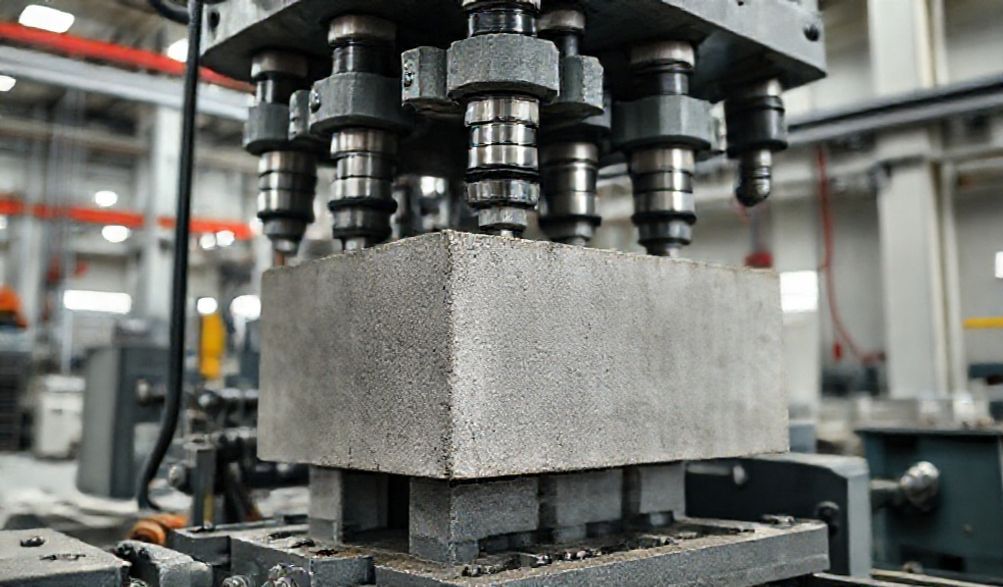
คู่มือขั้นสูงสุดในการซื้อเครื่องทำอิฐจากญี่ปุ่น (2026)
เป็นเวลาหลายทศวรรษที่ตราสินค้า "Made in Japan" ได้กลายเป็นสัญลักษณ์ระดับโลกที่สื่อถึงความแม่นยำ ความน่าเชื่อถือ และนวัตกรรมล้ำสมัย ตั้งแต่ยักษ์ใหญ่ด้านยานยนต์อย่างโตโยต้า ไปจนถึงผู้บุกเบิกด้านอิเล็กทรอนิกส์อย่างโซนี่ วิศวกรรมศาสตร์ของญี่ปุ่นได้กำหนดมาตรฐานระดับโลกไว้ ความเชื่อมั่นในความเป็นเลิศนี้ขยายตัวอย่างแข็งแกร่งไปสู่แวดวงเครื่องจักรอุตสาหกรรม รวมถึงอุปกรณ์สำคัญที่ใช้สร้างโลกของเราอย่างเครื่องผลิตอิฐและบล็อก
สำหรับเจ้าของธุรกิจ ผู้จัดการก่อสร้าง และผู้ประกอบการ การจัดหาเครื่องผลิตอิฐที่เหมาะสมถือเป็นการลงทุนที่สำคัญ อย่างไรก็ตาม การสำรวจตลาดต่างประเทศ โดยเฉพาะตลาดที่มีชื่อเสียงในด้านเครื่องจักรคุณภาพสูงและซับซ้อนนั้น ก่อให้เกิดความท้าทายอย่างมาก คุณจะตรวจสอบสภาพจริงของเครื่องจักรที่อยู่ห่างออกไปครึ่งโลกได้อย่างไร? คุณจะมั่นใจได้อย่างไรว่าเครื่องจักรนั้นมีความเข้ากันได้ทางเทคนิคกับวัสดุและแหล่งพลังงานในพื้นที่ของคุณ? อะไรคือข้อผิดพลาดที่ซ่อนเร้นในด้านโลจิสติกส์ ศุลกากร และการสนับสนุนหลังการขาย?
คู่มือฉบับสมบูรณ์นี้ถูกออกแบบมาให้เป็นแหล่งข้อมูลที่ครบถ้วนสำหรับคุณ เราจะทำความเข้าใจกระบวนการซื้อเครื่องทำอิฐจากญี่ปุ่นให้กระจ่างแจ้ง พร้อมมอบความรู้เชิงอุตสาหกรรม ความลึกซึ้งทางเทคนิค และขั้นตอนปฏิบัติที่จำเป็น เพื่อให้คุณสามารถลงทุนได้อย่างมั่นใจและรอบรู้ โดยการรวบรวมความเชี่ยวชาญจากผู้เชี่ยวชาญด้านการค้า คู่มือทางเทคนิค และการวิเคราะห์ตลาด เป้าหมายของเราคือการมอบอำนาจให้คุณไม่เพียงแค่ได้ครอบครองเครื่องจักร แต่ยังได้รากฐานสำหรับการเพิ่มผลผลิตและผลกำไรในระยะยาว
ทำไมต้องพิจารณาเครื่องทำอิฐญี่ปุ่น?
การเลือกเครื่องทำอิฐไม่ใช่แค่การซื้อ แต่เป็นการสร้างพันธมิตรเชิงกลยุทธ์กับอุปกรณ์ที่จะกำหนดขีดความสามารถในการผลิตของคุณไปอีกหลายปี เครื่องจักรจากญี่ปุ่นมีข้อได้เปรียบที่โดดเด่นซึ่งเป็นเหตุผลที่ทำให้พวกมันโดดเด่นในตลาดโลก
มรดกแห่งความเป็นเลิศทางวิศวกรรม
ความเหนือกว่าของเครื่องจักรญี่ปุ่นนั้นไม่ใช่เรื่องบังเอิญ แต่เป็นผลมาจากปรัชญาการผลิตที่ฝังรากลึก
- ไคเซ็นและการผลิตแบบลีนวิธีการปรับปรุงอย่างต่อเนื่องเหล่านี้มุ่งเน้นไปที่การขจัดของเสีย การปรับปรุงกระบวนการให้มีประสิทธิภาพสูงสุด และการเสริมพลังให้พนักงานสามารถระบุแนวทางการเพิ่มประสิทธิภาพ สำหรับคุณแล้ว สิ่งนี้หมายถึงเครื่องจักรที่ออกแบบมาสำหรับการทำงานที่ราบรื่น ของเสียวัสดุที่น้อยที่สุด และการควบคุมที่ใช้งานง่าย
- การผลิตแบบแม่นยำ:โรงงานญี่ปุ่นมีชื่อเสียงในด้านความใส่ใจในเรื่องความคลาดเคลื่อนและการประกอบอย่างพิถีพิถัน ส่งผลให้ระบบไฮดรอลิกมีรอยรั่วน้อยกว่า แม่พิมพ์ที่ผลิตบล็อกที่มีขนาดแม่นยำสม่ำเสมอ และความแข็งแรงของโครงสร้างโดยรวมที่ทนทานต่อการใช้งานอย่างหนักมาเป็นเวลาหลายปี
- เน้นความทนทาน:ส่วนประกอบต่างๆ มักถูกออกแบบให้เกินกว่าข้อกำหนดที่จำเป็นต่อการใช้งานปกติ ซึ่งการมีส่วนเกินในตัวนี้ช่วยลดการสึกหรอ ส่งผลให้อายุการใช้งานยาวนานขึ้นอย่างโดดเด่นเมื่อได้รับการบำรุงรักษาที่เหมาะสม
เทคโนโลยีขั้นสูงและระบบอัตโนมัติ
ผู้ผลิตญี่ปุ่นอยู่ในแนวหน้าของการผสานเทคโนโลยีอัจฉริยะเข้ากับอุปกรณ์อุตสาหกรรม เครื่องทำอิฐญี่ปุ่นสมัยใหม่มักเป็นศูนย์กลางของระบบอัตโนมัติ
- คอนโทรลเลอร์ลอจิกที่โปรแกรมได้ (พีแอลซี)ระบบควบคุมด้วยคอมพิวเตอร์เหล่านี้ช่วยให้สามารถตั้งโปรแกรมวงจรการผลิต อัตราส่วนผสม และเวลาในการบ่มได้อย่างแม่นยำ ผู้ปฏิบัติงานสามารถบันทึกสูตรสำหรับบล็อกประเภทต่างๆ และสลับระหว่างสูตรเหล่านั้นได้ด้วยการกดปุ่ม
- ระบบที่มีประสิทธิภาพด้านพลังงานตั้งแต่ระบบขับเคลื่อนความเร็วผันแปรบนมอเตอร์ไปจนถึงระบบกู้คืนความร้อนในห้องอบแห้ง เครื่องจักรญี่ปุ่นได้รับการออกแบบมาเพื่อลดการใช้พลังงาน ซึ่งเป็นต้นทุนการดำเนินงานหลัก
- พร้อมสำหรับการบูรณาการพวกมันถูกสร้างมาให้เป็นหัวใจสำคัญของสายการผลิตแบบอัตโนมัติเต็มรูปแบบ เชื่อมต่อได้ง่ายกับเครื่องป้อนพาเลทหุ่นยนต์ เครื่องสแต็ก และระบบสายพานลำเลียง เพื่อการไหลเวียนในโรงงานที่ "ไม่ต้องใช้มือ"
ความน่าเชื่อถือและคุณค่าในระยะยาว (ต้นทุนรวมในการเป็นเจ้าของ)
ในขณะที่ราคาเริ่มต้นของเครื่องจักรญี่ปุ่นอาจสูงกว่าทางเลือกอื่น แต่ต้นทุนที่แท้จริงนั้นวัดจากอายุการใช้งานทั้งหมด ซึ่งก็คือต้นทุนรวมในการเป็นเจ้าข
- การหยุดทำงานน้อยลง Superior reliability means fewer unexpected breakdowns and production halts. Consistent output is crucial for meeting project deadlines and maintaining cash flow.
- ค่าบำรุงรักษาต่ำกว่า High-quality seals, bearings, and hydraulic components last longer and fail less frequently, reducing your spend on spare parts and repair labor.
- มูลค่าการขายต่อที่สูงกว่า The strong brand reputation and proven durability of Japanese machinery mean it retains a significant portion of its value, providing a better return if you ever decide to upgrade.
Key Japanese Manufacturers and Brands
Navigating the brand landscape is your first step. Japan is home to several renowned manufacturers, each with its own specialties.
Industry Leaders
- TIGER Concrete Block Making Machines: A prominent name with a long history, TIGER is known for its robust, fully automatic production lines. They offer a wide range of models, from high-capacity stationary plants to more compact systems, often featuring advanced vibration technology for optimal block density.
- Aimix Group in Japan: As part of a larger international conglomerate, Aimix leverages Japanese engineering and supply chains to produce a variety of machines. They are known for offering solutions that balance advanced features with cost-effectiveness, including mobile block making machines suitable for on-site production.
Comparing Machine Types and Specializations
| Brand/Type Focus | Typical Specialization | Key Differentiators |
| :— | :— | :— |
| TIGER | Fully automatic stationary production lines | High output (e.g., 10,000+ blocks per shift), advanced PLC controls, integration with complete plant systems. |
| Aimix Japan | Mobile & Semi-Automatic Machines | Versatility for on-site projects, easier relocation, often a balance between automation and manual operation. |
| Other Specialized Makers | Specific block types (e.g., interlocking paving stones, large hollow blocks) | Custom mold engineering, specialized vibration patterns for unique product profiles. |
The Importance of Authorized Dealers and After-Sales Support
Purchasing from an authorized dealer or a highly reputable exporter is non-negotiable. This is your safeguard for:
- Genuine Parts: Access to original manufacturer parts that guarantee fit and function.
- Valid Warranty: Ensuring that any factory warranty is transferable and honored.
- ฝ่ายสนับสนุนทางเทคนิค The ability to get expert troubleshooting assistance, operational manuals, and wiring diagrams directly from the source.
Critical Factors Before You Buy
A successful purchase begins with a thorough internal assessment. Rushing this stage is the most common and costly mistake.
ประเมินความต้องการในการผลิตของคุณ
Ask yourself these key questions:
- ประเภทสินค้า: What bricks or blocks will you produce? (Solid, hollow, paving, interlocking soil-cement?)
- ความสามารถในการส่งออก What is your required daily or weekly volume? Be realistic about current needs and near-term growth.
- Space & Infrastructure: Do you have a factory building with a strong, level foundation? What is your 3-phase power supply voltage (e.g., 380V, 415V)?
- วัตถุดิบ: What is the local availability and quality of cement, aggregates, and fly ash? The machine must be compatible.
New vs. Used Japanese Machines
This is a fundamental decision with significant financial implications.
- New Machines:
- ข้อดี: Latest technology, full manufacturer warranty, energy-efficient designs, and peace of mind.
- ข้อเสีย Highest upfront capital investment, longer lead times for delivery.
- Used Japanese Machines (“Chukou”):
- ข้อดี: Exceptional value, immediate availability, and proven performance history. Japan’s strict equipment maintenance schedules mean used machines are often in excellent condition.
- ข้อเสีย Limited or no warranty, potential for worn parts, technology may be a generation behind. A professional, third-party pre-shipment inspection is absolutely critical.
Understanding Specifications and Compatibility
Learn to speak the technical language. Key specs include:
- ความดัน/น้ำหนักกดทับ: The clamping force of the machine (e.g., 1,000 tons). Higher tonnage generally means ability to produce denser, stronger blocks.
- Mold Size & Cycle Time: Determines the block dimensions and how many blocks can be produced per hour.
- กำลังมอเตอร์: Indicates energy consumption and overall machine capability.
- อุปกรณ์เสริม Remember to budget for and source necessary add-ons: concrete mixers, belt conveyors, pallet feeders, and block stackers.
The Purchasing and Import Process Explained
This is where careful planning prevents logistical nightmares.
How to Find Verified Sellers and Listings
- Primary Sources: Start with the official websites of manufacturers like TIGER to identify authorized international distributors.
- Specialized B2B Platforms: Use established machinery marketplaces (e.g., JP Machinery, TradeKey) but exercise extreme caution. Scrutinize seller history and reviews.
- Verification Steps: Always request the company’s business registration, physical address, and contactable references from past international clients.
Essential Due Diligence: Inspection and Negotiation
Do not skip these steps:
- Request Media: Ask for high-resolution photos and videos of the actual machine in operation, focusing on the control panel, hydraulic system, and mold.
- Hire an Inspector: Engage a third-party inspection company in Japan (e.g., from Osaka or Yokohama ports) to conduct a Pre-Shipment Inspection (PSI). They will provide a neutral report on mechanical, electrical, and structural condition.
- Clarify Terms: Understand the Incoterms. FOB (Free On Board) Yokohama is common—you own the machine once it’s loaded on the ship and you arrange (and pay for) shipping and insurance. CIF (Cost, Insurance, Freight) to your port means the seller handles shipping, usually at a higher bundled cost.
- Negotiate: Use the inspection report as a basis for final price negotiation or to request that certain worn parts be replaced before shipment.
Navigating Logistics, Shipping, and Customs
- Freight Forwarder: Secure a reliable freight forwarder experienced in heavy machinery. They will handle booking cargo space on a Ro-Ro (Roll-on/Roll-off) or container vessel.
- Documentation: Ensure you receive a Commercial Invoice, Packing List, Bill of LadingและCertificate of Origin. These are mandatory for customs.
- Customs Clearance: Work with a customs broker in your country. Be prepared to pay import duties, VAT/GST, and any other applicable taxes. Provide your broker with all machine documentation.
Maximizing Your Investment: Installation and Beyond
Your responsibility begins the moment the machine arrives at your facility.
Planning for Installation and Commissioning
- Foundation: Prepare a reinforced concrete foundation exactly to the machine’s specification drawings before it arrives.
- Utilities: Ensure 3-phase power, water, and compressed air lines are run to the correct connection points.
- ฝ่ายสนับสนุนทางเทคนิค Budget for and arrange a technician from the supplier or a qualified local engineer to supervise installation, calibrate the machine, and train your operators.
Sourcing Spare Parts and Maintaining Your Machine
- Maintenance Schedule: Adhere strictly to the manufacturer’s recommended schedule for greasing, oil changes, and hydraulic filter replacements.
- Spare Parts Inventory: Identify common wear items (seals, springs, mold liners) and establish a supply chain. Your authorized dealer is the best source for genuine parts.
- Manual Library: Keep digital and physical copies of all operation, maintenance, and parts manuals accessible.
Ensuring Safety and Operational Efficiency
- Safety First: Implement lockout-tagout procedures, ensure all safety guards are in place, and provide operators with proper PPE (safety glasses, gloves, steel-toe boots).
- Routine Checks: Make daily checks of hydraulic fluid levels, lubrication points, and bolt tightness a non-negotiable part of the shift startup routine.
คำถามที่พบบ่อย (FAQ)
Q1: What is the typical price range for a Japanese brick making machine?
ก Prices vary dramatically based on capacity, automation, and condition. A small, used manual machine can start around $15,000 – $30,000. A mid-range semi-automatic system may cost $50,000 – $120,000. A brand-new, fully automatic high-capacity production line from a leading manufacturer can easily reach $250,000 to $500,000+. Always request a detailed quote based on your specific technical requirements.
Q2: Are used Japanese machines a reliable option?
ก Yes, they can be an exceptionally reliable and cost-effective option due to Japan’s culture of meticulous maintenance. However, reliability is not guaranteed—it is directly tied to the machine’s service history and present condition. This makes an independent, professional pre-purchase inspection the single most important step when considering a used machine.
Q3: How do I handle machine servicing in my country?
ก First, inquire with the seller about the manufacturer’s global service network or recommended technicians in your region. Second, identify a local heavy machinery electrician and mechanic and provide them with the machine’s manuals. Finally, establish a clear remote support agreement with the seller (via video call) for complex troubleshooting. Proactive maintenance is your best defense.
Q4: What are the main challenges of importing heavy machinery from Japan?
ก The primary challenges are: 1) Ensuring technical and electrical compatibility with your local standards, 2) Managing the cost and complexity of international shipping and insurance, 3) Navigating your country’s import regulations, duties, and taxes, and 4) Arranging for skilled installation and commissioning. This guide provides the framework to systematically address each of these hurdles.
สรุป
Investing in a Japanese brick making machine is a commitment to quality, efficiency, and long-term operational stability. The journey from identifying your needs to seeing the machine produce its first perfect block requires careful navigation of engineering specifications, international trade, and logistics.
Remember, the goal is not simply to find the lowest price, but to secure the best value and the right partner for your business growth. Prioritize thorough research, rigorous supplier verification, and comprehensive due diligence—especially through professional inspection.
For a personalized assessment of your project needs or a recommended checklist for evaluating machine specifications, consider consulting with an industrial machinery expert. By applying the meticulous, informed approach outlined in this guide, you transform a complex international purchase into a strategic cornerstone for a more profitable and sustainable construction business.
<