
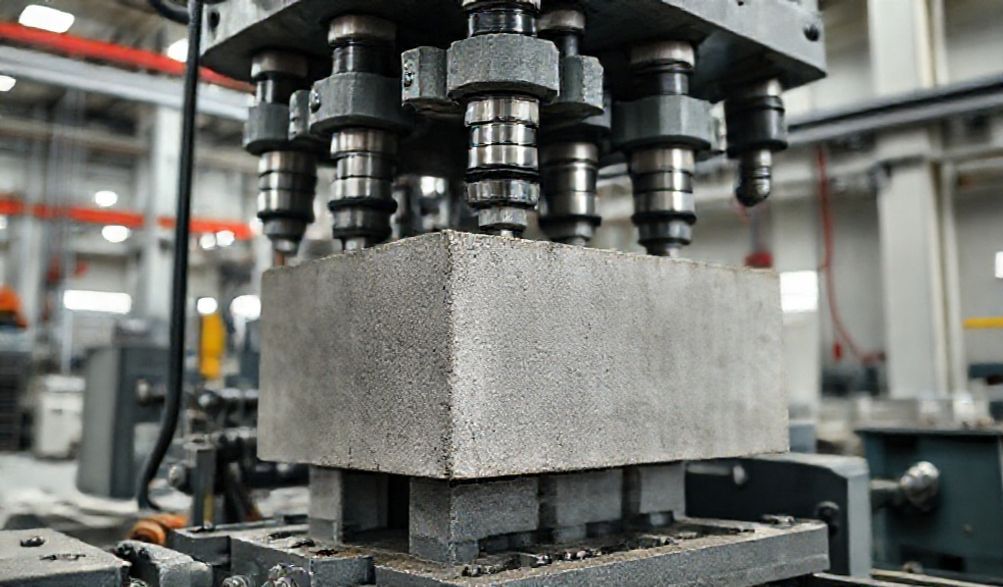
Ваш исчерпывающий гид по покупке машины для производства кирпича из Японии (2026)
На протяжении десятилетий маркировка «Сделано в Японии» служит во всем мире синонимом точности, надежности и передовых инноваций. От автомобильных гигантов вроде Toyota до пионеров электроники, таких как Sony, японская инженерия задает мировой стандарт. Эта репутация превосходства мощно распространяется и на сферу промышленного оборудования, включая критически важную технику, которая строит наш мир: машины для производства кирпича и строительных блоков.
Для владельцев бизнеса, руководителей строительных проектов и предпринимателей выбор подходящего станка для производства кирпича — это ключевая капитальная инвестиция. Однако ориентация на международном рынке — особенно том, который известен высококачественным, сложным оборудованием — сопряжена со значительными трудностями. Как проверить реальное состояние станка, находящегося за тысячи километров? Как убедиться в его технической совместимости с местными материалами и электросетью? Какие скрытые подводные камни существуют в логистике, таможенном оформлении и послепродажном обслуживании?
Это всеобъемлющее руководство создано как ваш главный ресурс. Мы раскроем процесс покупки машины для производства кирпича из Японии, снабдив вас отраслевыми знаниями, техническими деталями и практическими шагами, необходимыми для уверенного и взвешенного вложения. Объединяя опыт торговых специалистов, технические руководства и анализ рынка, наша цель — дать вам возможность приобрести не просто оборудование, а основу для долгосрочной производительности и прибыли.
Почему стоит рассмотреть японский станок для производства кирпича?
Выбор машины для производства кирпича — это не просто покупка, а стратегическое партнерство с оборудованием, которое определит ваши производственные мощности на годы вперед. Японские машины обладают явными преимуществами, оправдывающими их ведущие позиции на мировом рынке.
Наследие инженерного совершенства
Превосходство японской техники не случайно. Это результат глубоко укоренившейся производственной философии.
- Кайдзен и бережливое производство:Эти методологии непрерывного совершенствования направлены на устранение потерь, оптимизацию процессов и расширение возможностей работников для выявления эффективных решений. Для вас это означает оборудование, спроектированное для бесперебойной работы, минимального расхода материалов и интуитивно понятного управления.
- Точное производство:Японские заводы славятся своей скрупулёзной точностью в соблюдении допусков и подгонке деталей. Это приводит к созданию гидравлических систем с меньшим количеством утечек, пресс-форм, производящих блоки со стабильно точными размерами, и общей структурной целостности, выдерживающей годы интенсивной эксплуатации.
- Акцент на долговечность:Компоненты часто проектируются с запасом прочности, превышающим типичные эксплуатационные требования. Этот встроенный резерв означает меньший износ, что при надлежащем обслуживании обеспечивает знаменито долгий срок службы.
Передовые технологии и автоматизация
Японские производители находятся на переднем крае внедрения интеллектуальных технологий в промышленное оборудование. Современная японская машина для производства кирпича часто представляет собой центр автоматизации.
- Программируемые логические контроллеры (ПЛК):Эти компьютеризированные системы управления позволяют точно программировать производственные циклы, пропорции смешивания и время отверждения. Операторы могут сохранять рецепты для различных типов блоков и переключаться между ними нажатием кнопки.
- Энергоэффективные системы:От приводов с регулируемой скоростью на двигателях до систем рекуперации тепла в сушильных камерах, японское оборудование спроектировано так, чтобы снижать энергопотребление — одну из основных статей эксплуатационных расходов.
- Готовность к интеграции:Они созданы для того, чтобы стать центральным элементом полностью автоматизированной производственной линии, легко интегрируясь с роботизированными податчиками паллет, штабелерами и конвейерными системами для обеспечения "бесконтактного" производственного потока.
Надежность и долгосрочная ценность (Общая стоимость владения)
Хотя первоначальная цена японской машины может быть выше, чем у некоторых аналогов, реальная стоимость измеряется в течение всего срока её службы — по совокупной стоимости владения (TCO).
- Меньше простоев: Superior reliability means fewer unexpected breakdowns and production halts. Consistent output is crucial for meeting project deadlines and maintaining cash flow.
- Снижение затрат на обслуживание: High-quality seals, bearings, and hydraulic components last longer and fail less frequently, reducing your spend on spare parts and repair labor.
- Более высокая стоимость при перепродаже: The strong brand reputation and proven durability of Japanese machinery mean it retains a significant portion of its value, providing a better return if you ever decide to upgrade.
Key Japanese Manufacturers and Brands
Navigating the brand landscape is your first step. Japan is home to several renowned manufacturers, each with its own specialties.
Industry Leaders
- TIGER Concrete Block Making Machines: A prominent name with a long history, TIGER is known for its robust, fully automatic production lines. They offer a wide range of models, from high-capacity stationary plants to more compact systems, often featuring advanced vibration technology for optimal block density.
- Aimix Group in Japan: As part of a larger international conglomerate, Aimix leverages Japanese engineering and supply chains to produce a variety of machines. They are known for offering solutions that balance advanced features with cost-effectiveness, including mobile block making machines suitable for on-site production.
Comparing Machine Types and Specializations
| Brand/Type Focus | Typical Specialization | Key Differentiators |
| :— | :— | :— |
| TIGER | Fully automatic stationary production lines | High output (e.g., 10,000+ blocks per shift), advanced PLC controls, integration with complete plant systems. |
| Aimix Japan | Mobile & Semi-Automatic Machines | Versatility for on-site projects, easier relocation, often a balance between automation and manual operation. |
| Other Specialized Makers | Specific block types (e.g., interlocking paving stones, large hollow blocks) | Custom mold engineering, specialized vibration patterns for unique product profiles. |
The Importance of Authorized Dealers and After-Sales Support
Purchasing from an authorized dealer or a highly reputable exporter is non-negotiable. This is your safeguard for:
- Genuine Parts: Access to original manufacturer parts that guarantee fit and function.
- Valid Warranty: Ensuring that any factory warranty is transferable and honored.
- Техническая поддержка The ability to get expert troubleshooting assistance, operational manuals, and wiring diagrams directly from the source.
Critical Factors Before You Buy
A successful purchase begins with a thorough internal assessment. Rushing this stage is the most common and costly mistake.
Оценка ваших производственных потребностей
Задайте себе эти ключевые вопросы:
- Тип продукта: What bricks or blocks will you produce? (Solid, hollow, paving, interlocking soil-cement?)
- Выходная мощность: What is your required daily or weekly volume? Be realistic about current needs and near-term growth.
- Космос и инфраструктура: Do you have a factory building with a strong, level foundation? What is your 3-phase power supply voltage (e.g., 380V, 415V)?
- Сырье: What is the local availability and quality of cement, aggregates, and fly ash? The machine must be compatible.
New vs. Used Japanese Machines
This is a fundamental decision with significant financial implications.
- New Machines:
- Плюсы: Latest technology, full manufacturer warranty, energy-efficient designs, and peace of mind.
- Минусы: Highest upfront capital investment, longer lead times for delivery.
- Used Japanese Machines (“Chukou”):
- Плюсы: Exceptional value, immediate availability, and proven performance history. Japan’s strict equipment maintenance schedules mean used machines are often in excellent condition.
- Минусы: Limited or no warranty, potential for worn parts, technology may be a generation behind. A professional, third-party pre-shipment inspection is absolutely critical.
Understanding Specifications and Compatibility
Learn to speak the technical language. Key specs include:
- Давление/Тоннаж: The clamping force of the machine (e.g., 1,000 tons). Higher tonnage generally means ability to produce denser, stronger blocks.
- Mold Size & Cycle Time: Determines the block dimensions and how many blocks can be produced per hour.
- Мощность двигателя: Indicates energy consumption and overall machine capability.
- Вспомогательное оборудование: Remember to budget for and source necessary add-ons: concrete mixers, belt conveyors, pallet feeders, and block stackers.
The Purchasing and Import Process Explained
This is where careful planning prevents logistical nightmares.
How to Find Verified Sellers and Listings
- Primary Sources: Start with the official websites of manufacturers like TIGER to identify authorized international distributors.
- Specialized B2B Platforms: Use established machinery marketplaces (e.g., JP Machinery, TradeKey) but exercise extreme caution. Scrutinize seller history and reviews.
- Verification Steps: Always request the company’s business registration, physical address, and contactable references from past international clients.
Essential Due Diligence: Inspection and Negotiation
Do not skip these steps:
- Request Media: Ask for high-resolution photos and videos of the actual machine in operation, focusing on the control panel, hydraulic system, and mold.
- Hire an Inspector: Engage a third-party inspection company in Japan (e.g., from Osaka or Yokohama ports) to conduct a Pre-Shipment Inspection (PSI). They will provide a neutral report on mechanical, electrical, and structural condition.
- Clarify Terms: Understand the Incoterms. FOB (Free On Board) Yokohama is common—you own the machine once it’s loaded on the ship and you arrange (and pay for) shipping and insurance. CIF (Cost, Insurance, Freight) to your port means the seller handles shipping, usually at a higher bundled cost.
- Negotiate: Use the inspection report as a basis for final price negotiation or to request that certain worn parts be replaced before shipment.
Navigating Logistics, Shipping, and Customs
- Freight Forwarder: Secure a reliable freight forwarder experienced in heavy machinery. They will handle booking cargo space on a Ro-Ro (Roll-on/Roll-off) or container vessel.
- Documentation: Ensure you receive a Commercial Invoice, Packing List, Bill of LadingиCertificate of Origin. These are mandatory for customs.
- Таможенное оформление: Work with a customs broker in your country. Be prepared to pay import duties, VAT/GST, and any other applicable taxes. Provide your broker with all machine documentation.
Maximizing Your Investment: Installation and Beyond
Your responsibility begins the moment the machine arrives at your facility.
Planning for Installation and Commissioning
- Foundation: Prepare a reinforced concrete foundation exactly to the machine’s specification drawings before it arrives.
- Utilities: Ensure 3-phase power, water, and compressed air lines are run to the correct connection points.
- Техническая поддержка Budget for and arrange a technician from the supplier or a qualified local engineer to supervise installation, calibrate the machine, and train your operators.
Sourcing Spare Parts and Maintaining Your Machine
- Maintenance Schedule: Adhere strictly to the manufacturer’s recommended schedule for greasing, oil changes, and hydraulic filter replacements.
- Spare Parts Inventory: Identify common wear items (seals, springs, mold liners) and establish a supply chain. Your authorized dealer is the best source for genuine parts.
- Manual Library: Keep digital and physical copies of all operation, maintenance, and parts manuals accessible.
Ensuring Safety and Operational Efficiency
- Safety First: Implement lockout-tagout procedures, ensure all safety guards are in place, and provide operators with proper PPE (safety glasses, gloves, steel-toe boots).
- Routine Checks: Make daily checks of hydraulic fluid levels, lubrication points, and bolt tightness a non-negotiable part of the shift startup routine.
Frequently Asked Questions (FAQ)
Q1: What is the typical price range for a Japanese brick making machine?
А: Prices vary dramatically based on capacity, automation, and condition. A small, used manual machine can start around $15,000 – $30,000. A mid-range semi-automatic system may cost $50,000 – $120,000. A brand-new, fully automatic high-capacity production line from a leading manufacturer can easily reach $250,000 to $500,000+. Always request a detailed quote based on your specific technical requirements.
Q2: Are used Japanese machines a reliable option?
А: Yes, they can be an exceptionally reliable and cost-effective option due to Japan’s culture of meticulous maintenance. However, reliability is not guaranteed—it is directly tied to the machine’s service history and present condition. This makes an independent, professional pre-purchase inspection the single most important step when considering a used machine.
Q3: How do I handle machine servicing in my country?
А: First, inquire with the seller about the manufacturer’s global service network or recommended technicians in your region. Second, identify a local heavy machinery electrician and mechanic and provide them with the machine’s manuals. Finally, establish a clear remote support agreement with the seller (via video call) for complex troubleshooting. Proactive maintenance is your best defense.
Q4: What are the main challenges of importing heavy machinery from Japan?
А: The primary challenges are: 1) Ensuring technical and electrical compatibility with your local standards, 2) Managing the cost and complexity of international shipping and insurance, 3) Navigating your country’s import regulations, duties, and taxes, and 4) Arranging for skilled installation and commissioning. This guide provides the framework to systematically address each of these hurdles.
Заключение
Investing in a Japanese brick making machine is a commitment to quality, efficiency, and long-term operational stability. The journey from identifying your needs to seeing the machine produce its first perfect block requires careful navigation of engineering specifications, international trade, and logistics.
Remember, the goal is not simply to find the lowest price, but to secure the best value and the right partner for your business growth. Prioritize thorough research, rigorous supplier verification, and comprehensive due diligence—especially through professional inspection.
For a personalized assessment of your project needs or a recommended checklist for evaluating machine specifications, consider consulting with an industrial machinery expert. By applying the meticulous, informed approach outlined in this guide, you transform a complex international purchase into a strategic cornerstone for a more profitable and sustainable construction business.
<