
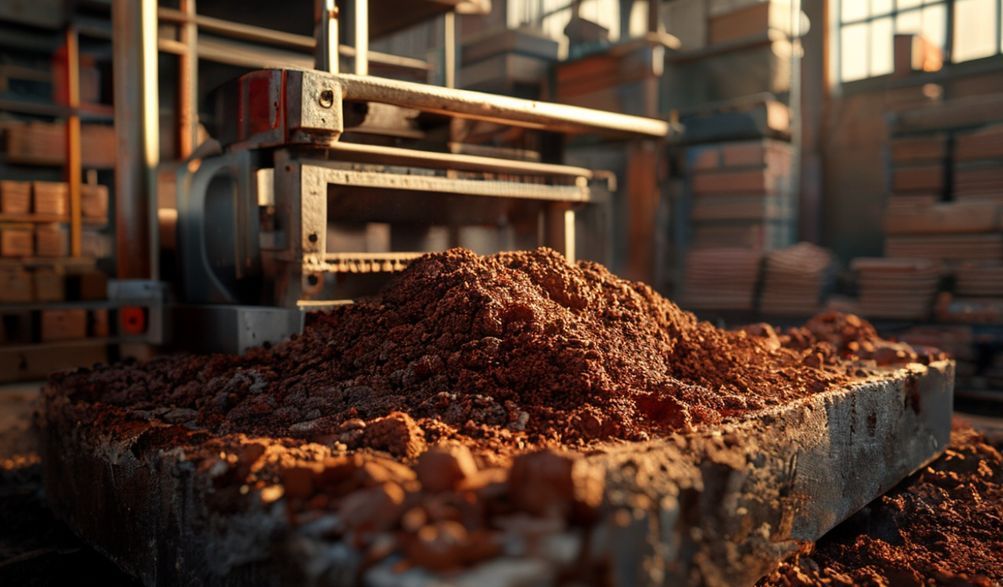
الدليل النهائي لآلات صنع كتل التربة التلقائية: الكفاءة تلتقي بالاستدامة
يوجد العالم الحديث للبناء والزراعة عند مفترق طرق. هناك طلب متزايد وعاجل على مواد البناء التي ليست فعالة ومنخفضة التكلفة فحسب، بل وصديقة لكوكبنا أيضًا. وسط بحر من الخرسانة والصلب، يشهد حل قديم نهضة قوية: الطوب الأرضي المضغوط. هذه الكتل، المصنوعة أساسًا من الأرض تحت أقدامنا، توفر كتلة حرارية ملحوظة، وتنظيمًا طبيعيًا للرطوبة، وبصمة كربونية أقل بشكل كبير. لقرون، قيدت إمكاناتها عقبة كبيرة واحدة: الجهد البدني الهجوم وعدم الاتساق في الإنتاج اليدوي.
توسيع نطاق مشروع بناء مستدام باستخدام الكتل المصنوعة يدويًا هو مهمة ضخمة، تعاني من تباين الجودة، والإنتاج البطيء، والتكاليف العمالية المرتفعة. هنا يأتي دور التكنولوجيا لتحرير الإمكانات الحقيقية. تبرز آلة صنع الكتل التربة الأوتوماتيكية كأداة ثورية تسد هذه الفجوة، حيث تحول التربة المحلية الخام إلى كتل بناء دائمة ودقيقة بسرعة صناعية. في هذا السوق المتطور، تظهر شركات مصنعة مثلمصنع فودا لصناعة البلوكأصبحوا لاعبين بارزين، يصممون الآليات التي تجعل هذا الاستدامة القابلة للتوسع ممكنة.
هذا الدليل مصمم ليكون مصدرك الشامل والموضوعي. سنقوم بتفكيك كيفية عملآلة صنع كتل التربة التلقائيةتعرف على كيفية عملها، واستكشف فوائدها التي لا يمكن إنكارها، وتزويدك بالمعرفة الأساسية التي تحتاجها - بدءًا من إعداد التربة وصولاً إلى اختيار الشركة المصنعة - لاتخاذ قرار مستنير لمشروعك الإنشائي أو مغامرتك التجارية.
ما هي آلة صنع كتل التربة التلقائية؟
آلة صنع كتل التربة الآلية هي نظام ميكانيكي مصمم لأتمتة العملية الكاملة لإنتاج كتل الأرض المضغوطة. فهي تأخذ التربة الخام، غالباً المثبتة، ومن خلال ضغط كبير، تشكلها إلى كتل كثيفة وموحدة ومتينة هيكلياً وجاهزة للبناء. تحل هذه الأتمتة محل عملية الدك أو الضغط اليدوي المجهدة وغير المتسقة، مما يجلب الموثوقية والقدرة على التوسع في البناء المستدام.
في صميم عملها، تعمل الآلة على مبدأ الضغط العالي، الذي يُحقق عادةً من خلال نظام هيدروليكي قوي. هذه القوة تضغط جزيئات التربة، مما يزيل الجيوب الهوائية ويُنتج كتلة ذات قوة ضغط عالية، قابلة للمقارنة مباشرةً بوحدات البناء التقليدية.
المكونات الرئيسية وكيفية تعمل معًا
فهم تشريح الآلة يزيل الغموض عن طريقة عملها. تشمل المكونات الرئيسية:
- هوبر:نقطة دخول المواد الخام (التربة والمثبت).
- غرفة الخلطحيث يتم خلط التربة والمثبت (مثل نسبة صغيرة من الأسمنت أو الجير) بشكل كامل، غالباً عبر نظام بريمة.
- قوالب/أدوات الضغطقلب الآلة. هذا هو التجويف المشكل الذي يحدد حجم وشكل البلوك النهائي (مثل المستطيل، أو المتشابك).
- النظام الهيدروليكي:يتكون هذا النظام من مضخة وأسطوانات وصمامات، ويولد الضغط الهائل (المقدر بالأطنان) اللازم لضغط التربة.
- لوحة التحكم:واجهة المستخدم لتشغيل الآلة، والتي في النماذج الآلية بالكامل، يمكنها برمجة الدورات ومراقبة الوظائف.
- نظام القذفيدفع المكعب المضغوط حديثًا ميكانيكيًا أو هيدروليكيًا خارج القالب إلى منصة نقالة أو حزام ناقل.
من التربة الخام إلى البلوك النهائي: العملية الآلية
يخلق الأتمتة دورة سلسة وقابلة للتكرار:
- التغذية:يتم تحميل التربة المفحوصة مسبقاً وكمية محددة من المثبت في القادوس.
- خلط:يتم نقل المواد وتجانسها في غرفة الخلط، مما يضمن تكوينًا متسقًا لكل كتلة.
- ضغط:يتم تغذية الخليط في قالب الضغط، ثم يقوم المكبس الهيدروليكي بتطبيق ضغط هائل ومُعاير لمدة زمنية محددة.
- طرد: The ram retracts, and the newly formed, solid block is pushed out of the mold.
- التداوي The blocks are stacked and kept moist for a period (often 14-28 days) to allow the stabilizer to fully hydrate and achieve maximum strength.
Why Choose Automation? Key Benefits of Auto Soil Block Presses
Moving from manual to automated production isn’t just a minor upgrade; it’s a transformative leap that impacts every aspect of your project.
كفاءة وسرعة إنتاج لا مثيل لهما
The numbers speak for themselves. While a skilled manual laborer might produce 100-200 blocks in a day, a mid-range automatic press can produce 800 to 2,000 blocks in an 8-hour shift. High-capacity stationary models can exceed 5,000 blocks daily. This speed translates directly into faster project timelines, allowing you to complete walls in days instead of weeks or months. For housing projects or commercial ventures, this efficiency is the difference between feasibility and impracticality.
Superior Consistency and Block Quality
Human-powered production is inherently variable. Automation guarantees it is not. Every block that comes out of the machine has:
* Identical dimensions for perfect coursing.
* Uniform density for consistent load-bearing capacity.
* Repeatable compressive strength, ensuring structural integrity across the entire building.
This precision simplifies construction, reduces mortar use, and gives engineers and architects reliable performance data to work with.
Significant Labor and Cost Reduction
While the initial machine investment is a factor, the long-term economics are compelling:
* العمل One or two operators can manage an automatic machine, replacing a large manual crew.
* Waste: Consistent quality means far fewer rejected or substandard blocks.
* Time: Faster building enclosure reduces overall financing and supervision costs.
The Return on Investment (ROI) is often realized quickly through reduced labor overhead and accelerated project completion, not to mention the value of using ultra-low-cost raw material—soil.
Supporting Sustainable Construction Goals
This technology is a cornerstone of green building. It enables:
* Hyper-local material sourcing: Use on-site or locally quarried soil, slashing transportation emissions.
* Low embodied energy: The production process uses a fraction of the energy required to fire clay bricks or produce concrete blocks.
* Natural material benefits: The finished walls offer excellent thermal mass (reducing heating/cooling needs) and breathability, creating healthier indoor environments.
An auto soil block machine turns sustainable ambition into a practical, scalable reality.
Critical Considerations Before You Buy
Investing in this machinery requires careful forethought. This section guides you through the essential technical and practical questions.
Assessing Your Soil: Is It Suitable?
Not all dirt is created equal. The ideal soil is a “loam” with a balanced mix of:
* طين (15-30%): Acts as the natural binder.
* الطمي: Fills voids.
* Sand and Gravel (50-80%): Provides structural skeleton and reduces shrinkage.
Action Step: Conduct a simple jar test or, better yet, a professional lab analysis. Most soils can be adapted by blending or adding stabilizers like:
* Cement (5-10%): For higher strength and water resistance.
* Lime (3-10%): Improves plasticity and long-term durability.
Capacity and Output Requirements
Match the machine to your project’s scale:
* Portable/Small Machines: Ideal for small farms, DIY projects, or pilot studies. Output: 300-800 blocks/day.
* Medium Stationary Machines: Suited for small-to-medium housing projects, eco-resorts, or block-making businesses. Output: 1,500-3,500 blocks/day.
* Large Fully Automatic Lines: For large-scale housing developments or commercial block yards. Output: 5,000+ blocks/day.
مصدر الطاقة: كهربائي، ديزل، أم هجين؟
- كهربائي Cleaner, quieter, and lower operating cost. Requires reliable grid or substantial generator power.
- ديزل High torque and fully mobile for remote sites. Higher fuel cost and emissions.
- هجين: Offers flexibility but at a higher initial cost.
المواصفات الرئيسية للآلات التي يجب التدقيق فيها
When comparing models, look beyond the price tag. Focus on:
* قوة الضغط The core of performance. Ranges from ~20 tons for small blocks to 100+ tons for large, high-strength blocks. More pressure generally means denser, stronger blocks.
* Block Dimensions & Shapes: Does it produce standard rectangles, interlocking blocks (for dry-stacking), or specialty shapes?
* مستوى الأتمتة: Semi-automatic (operator feeds each cycle) vs. Fully automatic (continuous feed and cycling).
* Motor Power & Build Quality: Heavy-duty steel frames, reputable hydraulic components, and powerful motors indicate durability and longevity.
Spotlight on Manufacturers: Evaluating Your Options
Choosing the right partner is as crucial as choosing the right machine specs.
What to Look for in a Reputable Manufacturer
Prioritize companies that demonstrate:
* Proven Experience: Several years, if not decades, in heavy machinery manufacturing.
* Quality Engineering: Use of standardized components (e.g., Siemens, Schneider electrics; reputable hydraulic brands).
* Comprehensive Support: Clear warranty terms, ready availability of spare parts, and detailed technical documentation.
* Customer Evidence: Willingness to provide references or case studies from previous clients in similar climates or applications.
Understanding the Role of FUDA Block Making Factory
In the global landscape of block machinery manufacturers, مصنع فودا لصناعة البلوك is one established name. They specialize in a range of brick and block making equipment, including machines suitable for soil block production. Like other reputable manufacturers, they cater to an international market, offering various models with different automation levels and capacities. When evaluating options, it’s prudent to consider manufacturers like FUDA alongside other global and regional players, comparing not just brochures, but the total package of machine durability, part availability, and local service support.
The Importance of After-Sales Service and Support
The machine’s arrival is just the beginning. Your long-term productivity depends on:
* التثبيت والتدريب: Does the supplier offer on-site setup and operator training?
* الدعم الفني Is there a responsive, knowledgeable team available for troubleshooting?
* Parts Supply Chain: How quickly can you get a replacement hydraulic seal or motor?
A slightly cheaper machine from a supplier with poor support can become the most expensive asset you own due to downtime.
Practical Applications of Auto-Made Soil Blocks
The versatility of machine-made CEBs is vast:
- Affordable Housing and Community Projects: The low material cost and high speed make CEBs ideal for large-scale social housing, delivering quality, durable homes efficiently.
- Eco-Resorts, Sustainable Homes, and Green Buildings: A perfect match for the ethos of natural building, creating beautiful, high-performance walls with a minimal ecological footprint.
- Agricultural Buildings: For constructing barns, equipment sheds, storage units, and sturdy boundary walls using on-farm soil.
- Landscape and Public Infrastructure: Building aesthetically pleasing and functional retaining walls, garden features, park benches, and even public pavilions.
الأسئلة الشائعة (FAQ)
Q1: What is the typical cost range for an automatic soil block making machine?
أ: Prices vary dramatically based on capacity and features. Small portable units can start around \$5,000-\$15,000. Mid-range production machines typically fall between \$20,000 and \$40,000. Large, fully automatic production lines can reach \$50,000 to over \$100,000. Always budget for shipping, import duties, and initial stabilizer costs.
Q2: Can I use any soil from my property with these machines?
أ: While you can use many soils, optimal results require proper composition. A simple soil test is essential. Most site soils will work but may require blending with sand or clay, and almost always benefit from the addition of a stabilizer (like 5-8% cement) for weather-resistant, load-bearing blocks.
Q3: How durable are soil blocks compared to fired bricks or concrete blocks?
أ: Properly made and cured stabilized compressed earth blocks (CSEBs) have compressive strengths that meet or exceed many building code requirements for single and multi-story load-bearing construction. They are highly durable, with examples centuries old. Their key advantages over fired bricks are superior thermal performance and humidity regulation, creating more comfortable interiors.
Q4: What is the maintenance routine for an auto soil block press?
أ: Regular maintenance is key:
* Daily: Thoroughly clean the mold, hopper, and mixing chamber to prevent material buildup.
* Weekly: Check and tighten bolts/nuts; inspect hydraulic hoses for leaks; check oil levels.
* Periodically (per manufacturer schedule): Replace hydraulic filters and seals; grease all bearings and pivot points. Always follow the specific manual provided by your manufacturer.
Q5: Where can I get training to operate and maintain this machinery?
أ: Reputable manufacturers often include basic operational training upon purchase. For broader best practices in CEB construction, seek workshops from sustainable building organizations (like Earthship Biotecture, Auroville Earth Institute), consult with experienced CEB builders, and utilize online resources and forums dedicated to natural building.
خاتمة
The automatic soil block making machine represents a powerful convergence of tradition and innovation. It solves the historical constraints of earth construction, delivering the efficiency, consistency, and scale needed for the 21st century while steadfastly upholding principles of sustainability and resilience.
Your journey should begin with thorough research: test your soil, clearly define your project needs, and calculate realistic outputs. When evaluating manufacturers and models, prioritize القيمة الإجمالية—considering machine robustness, the quality of support, and long-term reliability over the allure of a low upfront price alone.
This technology is more than just a piece of equipment; it’s an investment in a future of cost-effective, environmentally conscious, and beautiful construction. We encourage you to take the next step: consult with a structural engineer familiar with earth building, request live demonstrations or visit operational sites of potential suppliers, and feel free to share your project ideas or questions below to continue the conversation.
<