
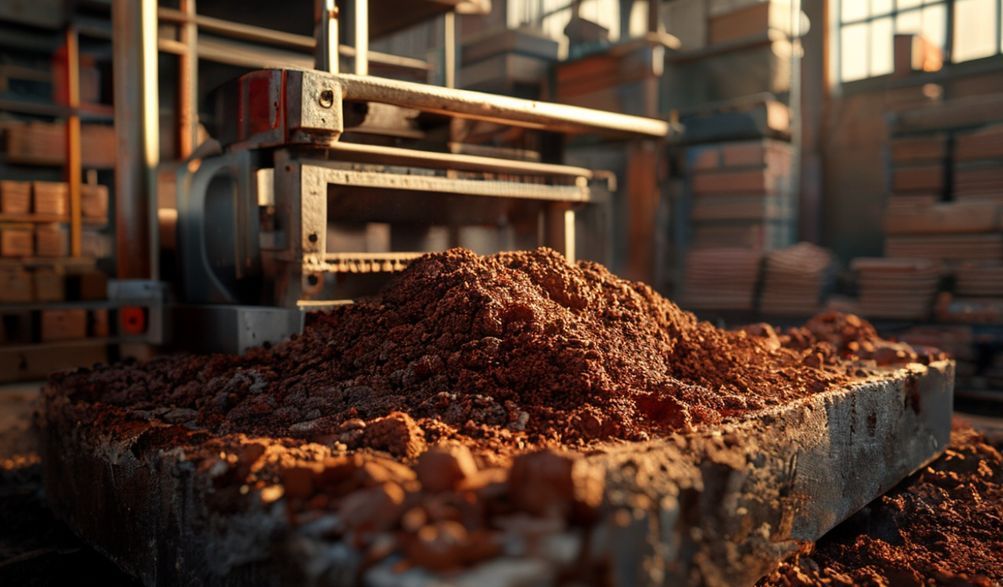
Автоматты топырақ блоктарын жасау машиналарының жетілдірілген нұсқаулығы: Тиімділік пен тұрақтылықтың үйлесімі
Құрылыс және ауыл шаруашылығының заманауи әлемі шешуші кезеңде тұр. Тек тиімді және үнемді ғана емес, сонымен қатар біздің ғаламшарға қауіпсіз құрылыс материалдарына деген сұраныс үнемі өсуде. Бетон мен болаттың ортасында бір ежелгі шешім қайтадан күшейіп жатыр: сығылған топырақ блоктары (СТБ). Біздің аяғымыздың астындағы топырақтан негізінен жасалған бұл блоктар тамаша жылу сыйымдылығын, табиғи ылғалды реттеуді және айтарлықтай төмен көміртеқ ізін ұсынады. Ғасырлар бойы олардың әлеуеті бір маңызды кедергімен шектелді: қолмен өндірудің физикалық еңбек сыйымдылығы мен біркелкі болмауы.
Тұрақты құрылыс жобасын қолдан жасалған блоктармен кеңейту - бұл өзгермелі сапа, баяу өндіріс және жоғары еңбек шығындарымен сипатталатын ауқымды тапсырма. Дәл осы жерде технология шынайы әлеуетті ашуға көмектеседі. Автоматты топырақ блок жасау машинасы осы алшақтықты толтыратын төңкерісшіл құрал ретінде пайда болады, ол жергілікті шикі топырақты өнеркәсіптік жылдамдықпен дәл, берік құрылыс блоктарына айналдырады. Дамып келе жатқан нарықта, сияқты өндірушілер...ФУДА блок жасау зауытыкөлемді тұрақтылықты мүмкін ететін машиналарды жасай отырып, маңызды ойыншыларға айналды.
Бұл нұсқаулық сіздің жан-жақты, бейтарап ақпарат көзіңіз болуға арналған. Бізавтоматты топырақ блок жасау машинасыжұмыстарды зерттеп, оның сөзсіз артықшылықтарын ашып, құрылыс жобаңыз немесе бизнес кәсіпкерлігіңіз үшін ақылды шешім қабылдау үшін қажетті маңызды білімді—топырақты дайындаудан бастап өндірушіні таңдауға дейін—ұсынамыз.
Автоматты топырақ блоктарын жасау машинасы дегеніміз не?
Автоматты топырақ блок жасау машинасы қысылған топырақ блоктарын (ҚТБ) өндірудің барлық процесін автоматтандыруға арналған механикаландырылған жүйе болып табылады. Ол шикі, көбінесе бекітілген топырақты алып, айтарлықтай қысым арқылы оны тығыз, біркелкі және құрылымдық тұрғыдан берік, құрылысқа дайын блоктарға айналдырады. Бұл автоматтандыру қолмен соққылау немесе престеудің қиын және тұрақсыз процесін алмастырып, тұрақты құрылысқа сенімділік пен ауқымды әкеледі.
Оның негізінде машина жоғары қысымды сығу принципі бойынша жұмыс істейді, ол әдетте берік гидравликалық жүйе арқылы қол жеткізіледі. Бұл күш топырақ бөлшектерін сығады, ауа қабаттарын жояды және жоғары сығымдау беріктігі бар блокты құрады, ол дәстүрлі құрылыс блоктарымен тікелей салыстыруға болады.
Негізгі компоненттер және олардың бірлесіп жұмыс істеуі
Машинаның құрылымын түсіну оның жұмыс істеуін түсіндіреді. Негізгі компоненттерге мыналар жатады:
- Хоппер:Шикізаттың (топырақ пен стабилизатордың) кіру нүктесі.
- Араластырғыш камера:Топырақ пен бекіткіш (мысалы, цементтің немесе әктің шағын пайызы) мұқият араластырылады, көбінесе бұрғылық жүйе арқылы.
- Компрессиялық қалыптар/Қалыптар: The heart of the machine. This is the shaped cavity that defines the final block’s size and form (e.g., rectangular, interlocking).
- Гидравликалық жүйе: Comprising a pump, cylinders, and valves, this system generates the immense pressure (measured in tons) required to compact the soil.
- Басқару панелі: The user interface for operating the machine, which in fully automatic models, can program cycles and monitor functions.
- Құтылу жүйесі: Mechanically or hydraulically pushes the freshly pressed block out of the mold onto a pallet or conveyor.
From Raw Soil to Finished Block: The Automated Process
The automation creates a seamless, repeatable cycle:
- Тамақтандыру: Pre-screened soil and a measured amount of stabilizer are loaded into the hopper.
- Араластыру: The material is conveyed and homogenized in the mixing chamber, ensuring consistent composition for every block.
- Сығу: The mixture is fed into the compression mold. The hydraulic ram then applies immense, calibrated pressure for a set duration.
- Шығару: The ram retracts, and the newly formed, solid block is pushed out of the mold.
- Емдеу: The blocks are stacked and kept moist for a period (often 14-28 days) to allow the stabilizer to fully hydrate and achieve maximum strength.
Why Choose Automation? Key Benefits of Auto Soil Block Presses
Moving from manual to automated production isn’t just a minor upgrade; it’s a transformative leap that impacts every aspect of your project.
Unmatched Production Efficiency & Speed
The numbers speak for themselves. While a skilled manual laborer might produce 100-200 blocks in a day, a mid-range automatic press can produce 800 to 2,000 blocks in an 8-hour shift. High-capacity stationary models can exceed 5,000 blocks daily. This speed translates directly into faster project timelines, allowing you to complete walls in days instead of weeks or months. For housing projects or commercial ventures, this efficiency is the difference between feasibility and impracticality.
Superior Consistency and Block Quality
Human-powered production is inherently variable. Automation guarantees it is not. Every block that comes out of the machine has:
* Identical dimensions for perfect coursing.
* Uniform density for consistent load-bearing capacity.
* Repeatable compressive strength, ensuring structural integrity across the entire building.
This precision simplifies construction, reduces mortar use, and gives engineers and architects reliable performance data to work with.
Significant Labor and Cost Reduction
While the initial machine investment is a factor, the long-term economics are compelling:
* Еңбек One or two operators can manage an automatic machine, replacing a large manual crew.
* Waste: Consistent quality means far fewer rejected or substandard blocks.
* Time: Faster building enclosure reduces overall financing and supervision costs.
The Return on Investment (ROI) is often realized quickly through reduced labor overhead and accelerated project completion, not to mention the value of using ultra-low-cost raw material—soil.
Supporting Sustainable Construction Goals
This technology is a cornerstone of green building. It enables:
* Hyper-local material sourcing: Use on-site or locally quarried soil, slashing transportation emissions.
* Low embodied energy: The production process uses a fraction of the energy required to fire clay bricks or produce concrete blocks.
* Natural material benefits: The finished walls offer excellent thermal mass (reducing heating/cooling needs) and breathability, creating healthier indoor environments.
An auto soil block machine turns sustainable ambition into a practical, scalable reality.
Critical Considerations Before You Buy
Investing in this machinery requires careful forethought. This section guides you through the essential technical and practical questions.
Assessing Your Soil: Is It Suitable?
Not all dirt is created equal. The ideal soil is a “loam” with a balanced mix of:
* Сазы (15-30%): Acts as the natural binder.
* Лай
Explanation: The word "silt" refers to fine sediment carried by water and deposited as sediment. In Kazakh, the most appropriate translation is "лай," which means fine mud or sediment. Fills voids.
* Sand and Gravel (50-80%): Provides structural skeleton and reduces shrinkage.
Action Step: Conduct a simple jar test or, better yet, a professional lab analysis. Most soils can be adapted by blending or adding stabilizers like:
* Цемент (5-10%): For higher strength and water resistance.
* Лайм (3-10%): Improves plasticity and long-term durability.
Capacity and Output Requirements
Match the machine to your project’s scale:
* Portable/Small Machines: Ideal for small farms, DIY projects, or pilot studies. Output: 300-800 blocks/day.
* Medium Stationary Machines: Suited for small-to-medium housing projects, eco-resorts, or block-making businesses. Output: 1,500-3,500 blocks/day.
* Large Fully Automatic Lines: For large-scale housing developments or commercial block yards. Output: 5,000+ blocks/day.
Power Source: Electric, Diesel, or Hybrid?
- Электрлік: Cleaner, quieter, and lower operating cost. Requires reliable grid or substantial generator power.
- Дизель: High torque and fully mobile for remote sites. Higher fuel cost and emissions.
- Гибридтік: Offers flexibility but at a higher initial cost.
Басты машина сипаттамаларын мұқият тексеру
When comparing models, look beyond the price tag. Focus on:
* Қысым күші: The core of performance. Ranges from ~20 tons for small blocks to 100+ tons for large, high-strength blocks. More pressure generally means denser, stronger blocks.
* Block Dimensions & Shapes: Does it produce standard rectangles, interlocking blocks (for dry-stacking), or specialty shapes?
* Автоматтандыру деңгейі: Semi-automatic (operator feeds each cycle) vs. Fully automatic (continuous feed and cycling).
* Motor Power & Build Quality: Heavy-duty steel frames, reputable hydraulic components, and powerful motors indicate durability and longevity.
Spotlight on Manufacturers: Evaluating Your Options
Choosing the right partner is as crucial as choosing the right machine specs.
What to Look for in a Reputable Manufacturer
Prioritize companies that demonstrate:
* Proven Experience: Several years, if not decades, in heavy machinery manufacturing.
* Quality Engineering: Use of standardized components (e.g., Siemens, Schneider electrics; reputable hydraulic brands).
* Comprehensive Support: Clear warranty terms, ready availability of spare parts, and detailed technical documentation.
* Customer Evidence: Willingness to provide references or case studies from previous clients in similar climates or applications.
Understanding the Role of FUDA Block Making Factory
In the global landscape of block machinery manufacturers, ФУДА блок жасау зауыты is one established name. They specialize in a range of brick and block making equipment, including machines suitable for soil block production. Like other reputable manufacturers, they cater to an international market, offering various models with different automation levels and capacities. When evaluating options, it’s prudent to consider manufacturers like FUDA alongside other global and regional players, comparing not just brochures, but the total package of machine durability, part availability, and local service support.
The Importance of After-Sales Service and Support
The machine’s arrival is just the beginning. Your long-term productivity depends on:
* Орнату және оқыту: Does the supplier offer on-site setup and operator training?
* Техникалық қолдау: Is there a responsive, knowledgeable team available for troubleshooting?
* Parts Supply Chain: How quickly can you get a replacement hydraulic seal or motor?
A slightly cheaper machine from a supplier with poor support can become the most expensive asset you own due to downtime.
Practical Applications of Auto-Made Soil Blocks
The versatility of machine-made CEBs is vast:
- Affordable Housing and Community Projects: The low material cost and high speed make CEBs ideal for large-scale social housing, delivering quality, durable homes efficiently.
- Eco-Resorts, Sustainable Homes, and Green Buildings: A perfect match for the ethos of natural building, creating beautiful, high-performance walls with a minimal ecological footprint.
- Agricultural Buildings: For constructing barns, equipment sheds, storage units, and sturdy boundary walls using on-farm soil.
- Landscape and Public Infrastructure: Building aesthetically pleasing and functional retaining walls, garden features, park benches, and even public pavilions.
Жиі қойылатын сұрақтар (ЖҚС)
Q1: What is the typical cost range for an automatic soil block making machine?
A: Prices vary dramatically based on capacity and features. Small portable units can start around \$5,000-\$15,000. Mid-range production machines typically fall between \$20,000 and \$40,000. Large, fully automatic production lines can reach \$50,000 to over \$100,000. Always budget for shipping, import duties, and initial stabilizer costs.
Q2: Can I use any soil from my property with these machines?
A: While you can use many soils, optimal results require proper composition. A simple soil test is essential. Most site soils will work but may require blending with sand or clay, and almost always benefit from the addition of a stabilizer (like 5-8% cement) for weather-resistant, load-bearing blocks.
Q3: How durable are soil blocks compared to fired bricks or concrete blocks?
A: Properly made and cured stabilized compressed earth blocks (CSEBs) have compressive strengths that meet or exceed many building code requirements for single and multi-story load-bearing construction. They are highly durable, with examples centuries old. Their key advantages over fired bricks are superior thermal performance and humidity regulation, creating more comfortable interiors.
Q4: What is the maintenance routine for an auto soil block press?
A: Regular maintenance is key:
* Күнделікті Thoroughly clean the mold, hopper, and mixing chamber to prevent material buildup.
* Апталық: Check and tighten bolts/nuts; inspect hydraulic hoses for leaks; check oil levels.
* Periodically (per manufacturer schedule): Replace hydraulic filters and seals; grease all bearings and pivot points. Always follow the specific manual provided by your manufacturer.
Q5: Where can I get training to operate and maintain this machinery?
A: Reputable manufacturers often include basic operational training upon purchase. For broader best practices in CEB construction, seek workshops from sustainable building organizations (like Earthship Biotecture, Auroville Earth Institute), consult with experienced CEB builders, and utilize online resources and forums dedicated to natural building.
Қорытынды
The automatic soil block making machine represents a powerful convergence of tradition and innovation. It solves the historical constraints of earth construction, delivering the efficiency, consistency, and scale needed for the 21st century while steadfastly upholding principles of sustainability and resilience.
Your journey should begin with thorough research: test your soil, clearly define your project needs, and calculate realistic outputs. When evaluating manufacturers and models, prioritize total value—considering machine robustness, the quality of support, and long-term reliability over the allure of a low upfront price alone.
This technology is more than just a piece of equipment; it’s an investment in a future of cost-effective, environmentally conscious, and beautiful construction. We encourage you to take the next step: consult with a structural engineer familiar with earth building, request live demonstrations or visit operational sites of potential suppliers, and feel free to share your project ideas or questions below to continue the conversation.
<