
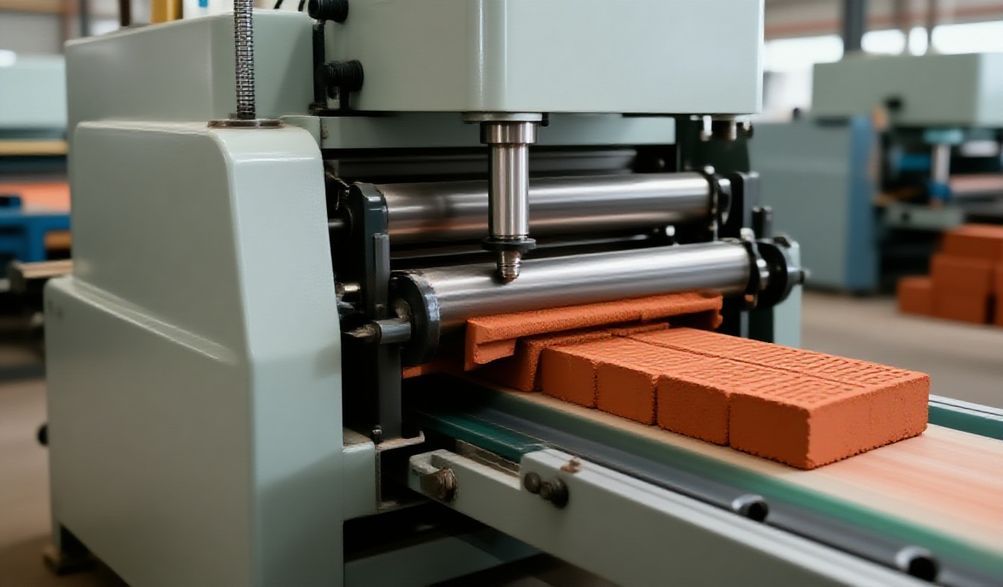
دليلك الشامل لموردي آلات صنع الطوب الطيني في بيون: تسليط الضوء على مصنع فودا لصناعة الطوب
أفق مدينة بيون هو شاهد على النمو المتواصل. باعتبارها حجر الزاوية في الطفرة الصناعية والإنشائية في الهند، فإن الطلب على مواد البناء القوية والعالية الجودة في المدينة لم يكن أكبر من أي وقت مضى. وفي صميم هذا الطلب يوجد الطوب الطيني المتواضع ولكنه لا غنى عنه. لكن بالنسبة لشركات البناء وأصحاب أفران الطوب والرواد الطموحين، فإن الرحلة من الطين الخام إلى طوب موثوق وجاهز للسوق تعتمد على قرار حاسم: اختيار الآلات المناسبة.
السوق مليء بالخيارات، إلا أن العثور على مورد موثوق لآلات صنع الطوب الطيني في بيون يمكن أن يكون مهمة شاقة. تشمل نقاط الضعف الشائعة جودة الآلات غير المتسقة التي تؤدي إلى أعطال متكررة، وضمانات غامضة توفر حماية حقيقية ضئيلة، ونقص صارخ في الدعم الفني وما بعد البيع. هذه التحديات لا تسبب فقط صداعاً تشغيلياً؛ بل تؤثر مباشرة على أرباحك من خلال تأخيرات الإنتاج وتكاليف الصيانة المتصاعدة.
هنا يأتي دور الموردين المتخصصين ذوي السمعة الطيبة ليصبح بالغ الأهمية. فهم ليسوا مجرد بائعين؛ بل شركاء على المدى الطويل في إنتاجيتك. في المشهد الصناعي النابض بالحياة في بونه، أسماء مثلمصنع فودا لصناعة البلوكبرزوا كلاعبين رئيسيين، وخاصةً لتركيزهم على تكنولوجيا صناعة الكتل. تم صياغة هذا الدليل من خلال تحليل عميق للصناعة والتزام بنصائح عملية وقابلة للتطبيق. هدفنا هو تزويدك بالمعرفة اللازمة للتنقل بثقة في مشهد الموردين في بيون، واتخاذ استثمار مستنير، وبناء أساس لنجاح إنتاجي دائم.
فهم آلات صناعة الطوب الطيني
قبل أن تبدأ في تقييم الموردين، من الضروري أن تفهم أدوات المهنة. تختلف آلات صنع الطوب الطيني بشكل كبير في التعقيد والإنتاج والاستثمار.
أنواع الآلات: من اليدوية إلى الأوتوماتيكية بالكامل
الآلة المناسبة لك تعتمد كليًا على حجم عملك وميزانيتك وأهداف الإنتاج.
-
الآلات اليدوية وشبه الآلية:مثالي للمشاريع الناشئة الصغيرة، أو رواد الأعمال في المناطق الريفية، أو الإنتاج الحرفي المتخصص.
- المكابس اليدوية:يتطلب عمالة بشرية كبيرة للخلط والتغذية والضغط. أقل تكلفة رأسمالية ولكن أيضًا أقل إنتاج.
- الآلات شبه الآلية:مكّن عملية الضغط أو التشكيل، غالبًا باستخدام نظام هيدروليكي، ولكن قد تتطلب التغذية اليدوية وإزالة الطوب. توفر هذه الآلات توازنًا جيدًا بين التكلفة والإنتاجية للعمليات متوسطة النطاق.
-
مصانع الطوب الطيني الآلية بالكامل:قوى الإنتاج عالية الحجم، المتسقة، والمربحة. هذه الأنظمة المتكاملة مصممة لتقليل التدخل البشري إلى الحد الأدنى.
- عادةً ما تتميز بعمليات آلية لتغذية المواد الخام، والخلط، والبثق أو الضغط، والقطع، والتكديس.
- تشمل الفوائد كثافة الطوب وتجانسًا متفوقًا، وإنتاجية أعلى بكثير (آلاف الطوب في الساعة)، وتكاليف عمالة مخفضة.
-
أنواع آلات محددة في خط الإنتاج:
- كسارات وطواحين الطين:قم بإعداد الطين الخام عن طريق تفتيت الكتل للحصول على خليط متجانس.
- الخلاطات والمطاحن العجانية:تجانس الطين مع الإضافات (مثل الرماد المتطاير أو الرمل) والرطوبة لتحقيق اللدونة المثالية للتشكيل.
- باثّاتأجبر الطين المُعد عبر قالب لتشكيل عمود مستمر من الطين، والذي يُقطع بعد ذلك بالسلك إلى طوب فردي.
- المكابس الهيدروليكية:استخدم ضغطًا هائلاً في قالب لتشكيل طوب عالي الكثافة، يُستخدم غالبًا في الرصف أو الطوب الطيني الهندسي.
المواصفات الفنية الرئيسية التي يجب مراعاتها
لا تكتفي بمجرد النظر إلى الآلة؛ بل افحص مواصفاتها بدقة. هذه الأرقام تحكي القصة الحقيقية لقدراتها.
- القدرة الإنتاجية:احسب دائمًا بناءً علىالطوب في الساعة (BPH)في الظروف القياسية. آلة بسعة "2000 عبوة في الساعة" لا قيمة لها إذا لم تتمكن من الحفاظ على هذا المعدل. طابق ذلك مع الطلب الحالي وتوقعات النمو المستقبلية.
- متطلبات الطاقة:هل الماكينة كهربائية بحتة، هيدروليكية، أم هجينة؟ أفهم الجهد الكهربائي (مثل 415 فولت، 3 طور) والحمل الإجمالي المتصل. هذا يؤثر مباشرةً على البنية التحتية للطاقة في مصنعك وتكاليف التشغيل.
- مرونة حجم وشكل الطوبهل يمكن للآلة إنتاج أحجام متعددة من الطوب (مثل: القياسي، المعياري، العملاق) أو أشكال خاصة (مثقوبة، منحنية)؟تخصيص القالبهي خدمة رئيسية يقدمها الموردون ذوو الجودة العالية.
- مستوى التشغيل الآلي والتحكم: Does it have a Programmable Logic Controller (PLC) system for precise operation? Are there safety interlocks and user-friendly touch panels? Higher automation improves consistency and reduces operator error.
The Industrial Hub: Why Pune for Brick Making Machinery?
Pune isn’t just a random location; it’s a strategic epicenter for manufacturing, making it a prime destination for sourcing industrial machinery.
Pune’s Manufacturing and Construction Ecosystem
Pune has solidified its reputation as the “Detroit of India” and a major IT hub, driving unprecedented urban and industrial construction. This creates a self-sustaining ecosystem:
* High Local Demand: The constant construction activity ensures a ready market for bricks, supporting local machinery suppliers.
* Competitive Supplier Market: Numerous manufacturers and dealers cluster in and around Pune, fostering competition that benefits buyers in terms of price, innovation, and service.
* Ancillary Industry Support: Easy access to spare parts, skilled technicians, and raw material suppliers streamlines your entire operation.
Advantages of Partnering with Pune-Based Suppliers
Sourcing locally within Pune offers tangible, logistical advantages that importers or distant suppliers cannot match.
- Factory Audits and Inspections: You can personally visit the supplier’s manufacturing unit to inspect build quality, workshop practices, and material inventory before placing an order.
- Local Raw Material Understanding: Pune-region suppliers often have experience with the characteristics of local clay deposits. They can advise on or adapt their machines to handle specific plasticity, sand content, or shrinkage rates.
- Robust Support Networks: Proximity means faster response times for breakdowns, easier scheduling of maintenance visits, and readily available spare parts. This minimizes costly production downtime.
Evaluating Clay Bricks Making Machine Suppliers in Pune
With many options available, a systematic evaluation separates the credible partners from the rest.
Core Criteria for Supplier Selection
Use this checklist as your fundamental evaluation framework:
- Experience & Proven Track Record: How long have they been in business? Ask for a client portfolio with contactable references, preferably in your region or for a similar scale of operation. A history of successful installations is a strong positive indicator.
- Technical Expertise & Innovation: Do they have in-house engineering and R&D? Are they able to discuss technical modifications or provide solutions for specific production challenges? A supplier that only sells catalog items may not be ideal for custom needs.
- Manufacturing Quality & Standards: Inspect the quality of steel used in frames, the brand of hydraulic pumps and electrical components (like Siemens, Schneider), and the finish of welding. Adherence to basic industrial safety standards is a must.
- خدمة ودعم ما بعد البيع: This is non-negotiable. Clarify:
- Warranty period and scope (what’s covered?).
- Availability of a comprehensive spare parts catalog.
- Commitment time for service visits (e.g., 24-72 hours).
- Provision of installation supervision and operator training.
Red Flags to Avoid When Choosing a Supplier
Steer clear if you encounter these warning signs:
- No Physical Footprint: A supplier with only a PO Box or vague address, and no visible manufacturing facility or showroom.
- Ambiguous Warranties and Contracts: Service terms that are not clearly documented in writing.
- Unwillingness to Share References: Refusal or hesitation to connect you with existing customers.
- Neglect of Safety and Training: Machines lacking basic safety guards or a supplier who does not emphasize the importance of proper training.
Spotlight on a Key Player: FUDA Block Making Factory
As you research suppliers in Pune, you will likely encounter مصنع فودا لصناعة البلوك. It’s important to analyze such players objectively based on publicly available information and direct inquiry.
Company Profile and Industry Standing
- التخصص FUDA positions itself as a manufacturer focused on block and brick making machinery. Their prominence in online searches and industrial directories suggests a significant presence in the Maharashtra market.
- الموقع في السوق: They are often cited among the local suppliers catering to the construction material manufacturing sector. Important Note: This overview is based on their market visibility. We strongly encourage you to verify all claims through independent due diligence, client testimonials, and personal visits.
Product Range and Technological Capabilities
Based on their promotional material, FUDA’s offerings typically include:
* Automatic Brick Making Plants: Designed for high-output production of clay and concrete bricks/blocks.
* آلات صناعة الطوب الخرساني: Highlighting versatility for various block types like hollow, solid, and paving blocks.
* Key Promoted Features: These often include high automation levels with PLC control, robust hydraulic systems, and options for customization of molds and output capacity.
Assessing FUDA’s Value Proposition
A balanced assessment is key. Their potential strengths likely include local manufacturing presenceوproduct specialization. However, as with any supplier, the onus is on you, the buyer, to probe deeper.
Questions to Ask FUDA (or Any Similar Supplier):
1. “Can I visit your factory to see a machine similar to my requirement being assembled or tested?”
2. “What is your specific experience with machinery for the طين brick industry, as distinct from concrete?”
3. “Can you provide contact details for 2-3 clients who have been using your clay brick machine for over 2 years?”
4. “What is the exact breakdown of your warranty for the hydraulic system, electrical panel, and structural frame?”
5. “Do you offer a trial with our own clay material to test brick quality before purchase?”
Making the Right Investment: A Buyer’s Checklist
Treat this purchase as a strategic capital investment, not just a transaction.
Pre-Purchase Questions for Your Shortlisted Suppliers
Prepare this list for your meetings:
* Technical: What is the expected brick density and strength (MPa)? What is the moisture tolerance range for the input clay? Is training provided for maintenance?
* Commercial: What is the delivery and installation timeline? What is excluded from the quoted price (e.g., freight, foundation work, taxes)? What are the payment terms?
* Service: What is the guaranteed response time for a breakdown? Is there an annual maintenance contract (AMC) available? How long are spare parts guaranteed to be available?
Total Cost of Ownership (TCO) Analysis
Look beyond the sticker price. The real cost includes:
* التكلفة الأولية: Machine price, taxes, installation, and commissioning.
* Operational Cost: Power consumption per 1000 bricks, labor required, and cost of wear-and-tear parts.
* Maintenance & Downtime Cost: Cost of scheduled servicing, price of critical spares, and the profit lost during unplanned downtime. A slightly more expensive, reliable machine often has a lower TCO.
The Importance of Site Visits and Machine Trials
Never skip this step.
1. Visit the Supplier’s Factory: Assess their capability, quality control, and professionalism.
2. Visit a Client’s Site: Speak to the machine operators and owners. Ask about real-world production, service support, and challenges. Seeing the machine run is the ultimate test.
الأسئلة الشائعة (FAQ)
Q1: What is the average price range for a clay brick making machine in Pune?
أ: Prices vary immensely. A small semi-automatic machine can start from a few lakh rupees, while a fully automatic plant can range from tens of lakhs to over a crore. The key is to get detailed quotations from multiple suppliers and compare them based on التكلفة الإجمالية للملكية (TCO), not just the initial price.
Q2: Can machines be customized for specific brick sizes or clay types?
أ: Absolutely. Reputable suppliers should offer mold customization for different brick sizes and profiles. Crucially, they should be willing to test a sample of your specific clay to recommend any process adjustments or machine settings to ensure optimal brick quality.
Q3: What kind of after-sales service and warranty should I expect?
أ: Expect a comprehensive warranty of at least 1 year on the entire machine, with longer coverage (2+ years) on critical components like the hydraulic power pack. Ensure the warranty terms, list of covered parts, and service response time commitments are clearly stated in your purchase contract.
Q4: How do I evaluate the build quality and durability of the machine?
أ: During a factory visit, inspect: the thickness and grade of structural steel, the brand and quality of hydraulic cylinders/pumps, the organization and branding of the electrical control panel, and the finish of welds (should be smooth and clean). Request material certifications if available.
Q5: Are there government regulations or certifications required for these machines?
أ: While there may not be a single “brick machine certification,” suppliers should adhere to general industrial safety standards. It is your responsibility to check with local pollution control boards and factory inspectorates regarding any specific consents or regulations for setting up a brick manufacturing unit in your location.
خاتمة
Choosing the right clay bricks making machine supplier in Pune is a multi-step process that demands diligence. It begins with understanding your own production needs and the machinery that meets them. It leverages Pune’s dynamic industrial ecosystem to find local, responsive partners. It requires rigorously evaluating each supplier against core criteria of experience, expertise, and service commitment—exemplified in our analysis framework and the pointed questions to ask a company like FUDA Block Making Factory.
Ultimately, this decision is about forming a strategic partnership. Prioritize خبرة (a proven track record), الخبرة (deep technical knowledge), السلطة (a strong reputation among peers), and الثقة (transparent, service-backed dealings). These principles are your compass.
Your Call to Action: Use this guide as your structured framework. Shortlist 3-5 suppliers in the Pune region, prepare your detailed checklist, and insist on factory and client site visits. By investing this time upfront, you are not just buying a machine; you are investing in the reliable, profitable future of your brick production enterprise.
<