
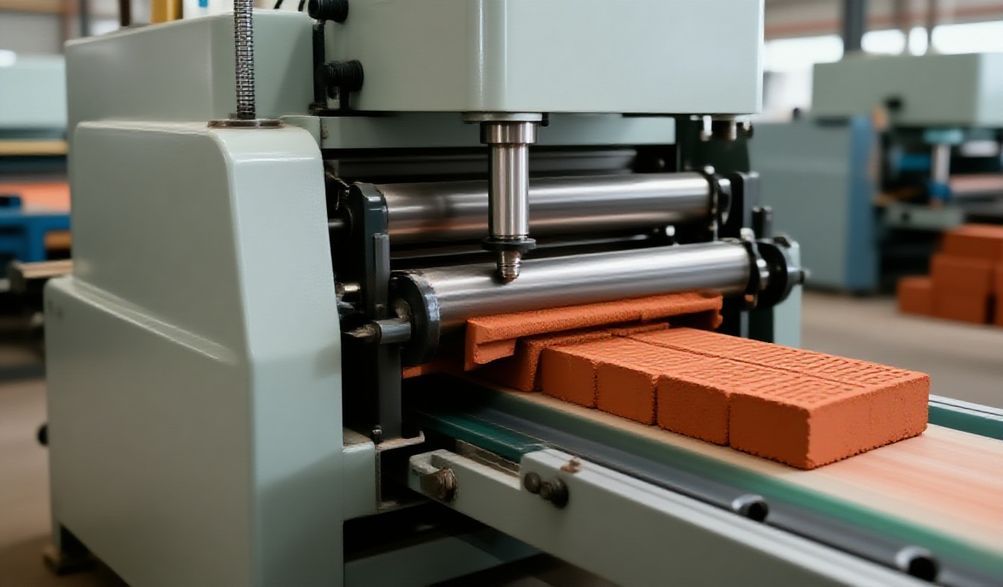
Tu Guía Definitiva para Proveedores de Máquinas para Hacer Ladrillos de Arcilla en Pune: Enfoque en la Fábrica de Bloques FUDA
El horizonte de Pune es un testimonio del crecimiento implacable. Como piedra angular del auge industrial y de la construcción en India, la demanda de materiales de construcción robustos y de alta calidad en la ciudad nunca ha sido mayor. En el centro de esta demanda se encuentra el humilde pero indispensable ladrillo de arcilla. Pero para las empresas constructoras, los dueños de hornos de ladrillos y los emprendedores ambiciosos, el camino desde la arcilla cruda hasta un ladrillo confiable y listo para el mercado está pavimentado con una decisión crítica: elegir la maquinaria adecuada.
El mercado está saturado de opciones, pero encontrar un proveedor confiable de máquinas para fabricar ladrillos de arcilla en Pune puede ser una tarea abrumadora. Los problemas comunes incluyen una calidad inconsistente de las máquinas que provoca averías frecuentes, garantías vagas que ofrecen poca protección real y una evidente falta de soporte técnico y postventa. Estos desafíos no solo causan dolores de cabeza operativos; impactan directamente en sus resultados finales a través de retrasos en la producción y costos de mantenimiento en espiral.
Aquí es donde el papel de proveedores especializados y reputados se vuelve primordial. No son solo vendedores; son socios a largo plazo en su productividad. En el vibrante panorama industrial de Pune, nombres comoFábrica de Bloques FUDAhan surgido como actores significativos, destacándose especialmente por su enfoque en la tecnología de fabricación de bloques. Esta guía está elaborada a partir de un profundo análisis del sector y un compromiso con consejos prácticos y aplicables. Nuestro objetivo es brindarle el conocimiento para navegar con confianza por el panorama de proveedores en Pune, realizar una inversión informada y sentar las bases para un éxito productivo duradero.
Comprensión de la Maquinaria para la Fabricación de Ladrillos de Arcilla
Antes de comenzar a evaluar proveedores, es crucial comprender las herramientas del oficio. La maquinaria para fabricar ladrillos de arcilla varía drásticamente en complejidad, producción e inversión.
Tipos de Máquinas: Desde Manuales hasta Totalmente Automáticas
La máquina adecuada para ti depende completamente de tu escala, presupuesto y objetivos de producción.
-
Máquinas Manuales y Semiautomáticas:Ideal para pequeñas empresas emergentes, emprendedores rurales o producción artesanal especializada.
- Prensas Manuales:Requiere mano de obra significativa para la mezcla, alimentación y prensado. Costo de capital más bajo pero también la producción más baja.
- Máquinas Semiautomáticas:Mecanizar el proceso de prensado o moldeo, frecuentemente con un sistema hidráulico, pero puede requerir alimentación manual y retiro de ladrillos. Ofrecen un buen equilibrio entre costo y productividad para operaciones de mediana escala.
-
Plantas Completamente Automáticas para la Fabricación de Ladrillos de Arcilla:Los motores de la producción de alto volumen, consistente y rentable. Estos sistemas integrados están diseñados para una intervención humana mínima.
- Por lo general, cuentan con procesos automatizados para la alimentación de materia prima, mezcla, extrusión o prensado, corte y apilado.
- Los beneficios incluyen una densidad y uniformidad superior de los ladrillos, una producción significativamente mayor (miles de ladrillos por hora) y costos laborales reducidos.
-
Tipos Específicos de Máquinas en una Línea de Producción:
- Trituradores y Moledores de Arcilla:Prepara la arcilla cruda deshaciendo los grumos para obtener una mezcla uniforme.
- Mezcladoras y Amasadoras:Homogeneizar la arcilla con aditivos (como arena o cenizas volantes) y humedad para lograr la plasticidad perfecta para el moldeo.
- Extrusoras:Forzar la arcilla preparada a través de una matriz para formar una columna continua de arcilla, que luego se corta con alambre en ladrillos individuales.
- Prensas Hidráulicas:Utilizar una presión inmensa en un molde para formar ladrillos de alta densidad, frecuentemente empleados para pavimentación o bloques de arcilla diseñados.
Especificaciones Técnicas Clave a Considerar
No solo mires la máquina; examina sus especificaciones. Estos números cuentan la verdadera historia de su capacidad.
- Capacidad de Producción:Siempre calcula basado enladrillos por hora (BPH)en condiciones estándar. Una máquina de “2000 BPH” no tiene sentido si no puede mantener esa velocidad. Ajusta esto a tu demanda actual y proyecciones de crecimiento futuro.
- Requisitos de Energía:¿La máquina es puramente eléctrica, hidráulica o híbrida? Conozca el voltaje (por ejemplo, 415V, trifásico) y la carga total conectada. Esto afecta directamente la infraestructura eléctrica de su fábrica y los costos operativos.
- Flexibilidad en el tamaño y la forma del ladrillo.¿Puede la máquina producir múltiples tamaños de ladrillos (por ejemplo, estándar, modular, jumbo) o formas especiales (perforados, curvados)?Personalización de moldeses un servicio clave ofrecido por proveedores de calidad.
- Nivel de automatización y control: Does it have a Programmable Logic Controller (PLC) system for precise operation? Are there safety interlocks and user-friendly touch panels? Higher automation improves consistency and reduces operator error.
The Industrial Hub: Why Pune for Brick Making Machinery?
Pune isn’t just a random location; it’s a strategic epicenter for manufacturing, making it a prime destination for sourcing industrial machinery.
Pune’s Manufacturing and Construction Ecosystem
Pune has solidified its reputation as the “Detroit of India” and a major IT hub, driving unprecedented urban and industrial construction. This creates a self-sustaining ecosystem:
* High Local Demand: The constant construction activity ensures a ready market for bricks, supporting local machinery suppliers.
* Competitive Supplier Market: Numerous manufacturers and dealers cluster in and around Pune, fostering competition that benefits buyers in terms of price, innovation, and service.
* Ancillary Industry Support: Easy access to spare parts, skilled technicians, and raw material suppliers streamlines your entire operation.
Advantages of Partnering with Pune-Based Suppliers
Sourcing locally within Pune offers tangible, logistical advantages that importers or distant suppliers cannot match.
- Factory Audits and Inspections: You can personally visit the supplier’s manufacturing unit to inspect build quality, workshop practices, and material inventory before placing an order.
- Local Raw Material Understanding: Pune-region suppliers often have experience with the characteristics of local clay deposits. They can advise on or adapt their machines to handle specific plasticity, sand content, or shrinkage rates.
- Robust Support Networks: Proximity means faster response times for breakdowns, easier scheduling of maintenance visits, and readily available spare parts. This minimizes costly production downtime.
Evaluating Clay Bricks Making Machine Suppliers in Pune
With many options available, a systematic evaluation separates the credible partners from the rest.
Core Criteria for Supplier Selection
Use this checklist as your fundamental evaluation framework:
- Experiencia y Trayectoria Comprobada: How long have they been in business? Ask for a client portfolio with contactable references, preferably in your region or for a similar scale of operation. A history of successful installations is a strong positive indicator.
- Technical Expertise & Innovation: Do they have in-house engineering and R&D? Are they able to discuss technical modifications or provide solutions for specific production challenges? A supplier that only sells catalog items may not be ideal for custom needs.
- Manufacturing Quality & Standards: Inspect the quality of steel used in frames, the brand of hydraulic pumps and electrical components (like Siemens, Schneider), and the finish of welding. Adherence to basic industrial safety standards is a must.
- After-Sales Service & Support: This is non-negotiable. Clarify:
- Warranty period and scope (what’s covered?).
- Availability of a comprehensive spare parts catalog.
- Commitment time for service visits (e.g., 24-72 hours).
- Provision of installation supervision and operator training.
Red Flags to Avoid When Choosing a Supplier
Steer clear if you encounter these warning signs:
- No Physical Footprint: A supplier with only a PO Box or vague address, and no visible manufacturing facility or showroom.
- Ambiguous Warranties and Contracts: Service terms that are not clearly documented in writing.
- Unwillingness to Share References: Refusal or hesitation to connect you with existing customers.
- Neglect of Safety and Training: Machines lacking basic safety guards or a supplier who does not emphasize the importance of proper training.
Spotlight on a Key Player: FUDA Block Making Factory
As you research suppliers in Pune, you will likely encounter Fábrica de Bloques FUDA. It’s important to analyze such players objectively based on publicly available information and direct inquiry.
Perfil de la Empresa y Posición en la Industria
- Especialización: FUDA positions itself as a manufacturer focused on block and brick making machinery. Their prominence in online searches and industrial directories suggests a significant presence in the Maharashtra market.
- Posición de Mercado: They are often cited among the local suppliers catering to the construction material manufacturing sector. Nota importante: This overview is based on their market visibility. We strongly encourage you to verify all claims through independent due diligence, client testimonials, and personal visits.
Product Range and Technological Capabilities
Based on their promotional material, FUDA’s offerings typically include:
* Automatic Brick Making Plants: Designed for high-output production of clay and concrete bricks/blocks.
* Máquinas para Bloques de Concreto: Highlighting versatility for various block types like hollow, solid, and paving blocks.
* Key Promoted Features: These often include high automation levels with PLC control, robust hydraulic systems, and options for customization of molds and output capacity.
Assessing FUDA’s Value Proposition
A balanced assessment is key. Their potential strengths likely include local manufacturing presenceyproduct specialization. However, as with any supplier, the onus is on you, the buyer, to probe deeper.
Questions to Ask FUDA (or Any Similar Supplier):
1. “Can I visit your factory to see a machine similar to my requirement being assembled or tested?”
2. “What is your specific experience with machinery for the arcilla brick industry, as distinct from concrete?”
3. “Can you provide contact details for 2-3 clients who have been using your clay brick machine for over 2 years?”
4. “What is the exact breakdown of your warranty for the hydraulic system, electrical panel, and structural frame?”
5. “Do you offer a trial with our own clay material to test brick quality before purchase?”
Making the Right Investment: A Buyer’s Checklist
Treat this purchase as a strategic capital investment, not just a transaction.
Pre-Purchase Questions for Your Shortlisted Suppliers
Prepare this list for your meetings:
* Technical: What is the expected brick density and strength (MPa)? What is the moisture tolerance range for the input clay? Is training provided for maintenance?
* Commercial: What is the delivery and installation timeline? What is excluded from the quoted price (e.g., freight, foundation work, taxes)? What are the payment terms?
* Service: What is the guaranteed response time for a breakdown? Is there an annual maintenance contract (AMC) available? How long are spare parts guaranteed to be available?
Total Cost of Ownership (TCO) Analysis
Look beyond the sticker price. The real cost includes:
* Costo Inicial: Machine price, taxes, installation, and commissioning.
* Operational Cost: Power consumption per 1000 bricks, labor required, and cost of wear-and-tear parts.
* Maintenance & Downtime Cost: Cost of scheduled servicing, price of critical spares, and the profit lost during unplanned downtime. A slightly more expensive, reliable machine often has a lower TCO.
The Importance of Site Visits and Machine Trials
Never skip this step.
1. Visit the Supplier’s Factory: Assess their capability, quality control, and professionalism.
2. Visit a Client’s Site: Speak to the machine operators and owners. Ask about real-world production, service support, and challenges. Seeing the machine run is the ultimate test.
Frequently Asked Questions (FAQ)
Q1: What is the average price range for a clay brick making machine in Pune?
A: Prices vary immensely. A small semi-automatic machine can start from a few lakh rupees, while a fully automatic plant can range from tens of lakhs to over a crore. The key is to get detailed quotations from multiple suppliers and compare them based on Costo Total de Propiedad (CTP), not just the initial price.
Q2: Can machines be customized for specific brick sizes or clay types?
A: Absolutely. Reputable suppliers should offer mold customization for different brick sizes and profiles. Crucially, they should be willing to test a sample of your specific clay to recommend any process adjustments or machine settings to ensure optimal brick quality.
¿Qué tipo de servicio postventa y garantía debo esperar?
A: Expect a comprehensive warranty of at least 1 year on the entire machine, with longer coverage (2+ years) on critical components like the hydraulic power pack. Ensure the warranty terms, list of covered parts, and service response time commitments are clearly stated in your purchase contract.
Q4: How do I evaluate the build quality and durability of the machine?
A: During a factory visit, inspect: the thickness and grade of structural steel, the brand and quality of hydraulic cylinders/pumps, the organization and branding of the electrical control panel, and the finish of welds (should be smooth and clean). Request material certifications if available.
Q5: Are there government regulations or certifications required for these machines?
A: While there may not be a single “brick machine certification,” suppliers should adhere to general industrial safety standards. It is your responsibility to check with local pollution control boards and factory inspectorates regarding any specific consents or regulations for setting up a brick manufacturing unit in your location.
Conclusión
Choosing the right clay bricks making machine supplier in Pune is a multi-step process that demands diligence. It begins with understanding your own production needs and the machinery that meets them. It leverages Pune’s dynamic industrial ecosystem to find local, responsive partners. It requires rigorously evaluating each supplier against core criteria of experience, expertise, and service commitment—exemplified in our analysis framework and the pointed questions to ask a company like FUDA Block Making Factory.
Ultimately, this decision is about forming a strategic partnership. Prioritize Experiencia (a proven track record), Experiencia (deep technical knowledge), Autoridad (a strong reputation among peers), and Confianza (transparent, service-backed dealings). These principles are your compass.
Your Call to Action: Use this guide as your structured framework. Shortlist 3-5 suppliers in the Pune region, prepare your detailed checklist, and insist on factory and client site visits. By investing this time upfront, you are not just buying a machine; you are investing in the reliable, profitable future of your brick production enterprise.
<