
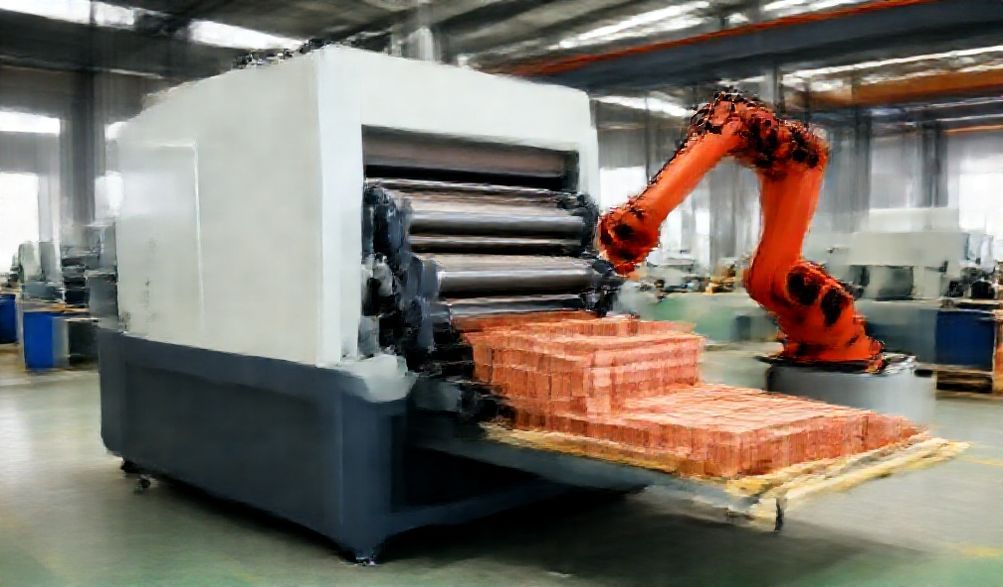
دليلك النهائي لإيجاد مورد موثوق لآلات صنع الطوب الصينية
مقدمة
تدير صناعة البناء العالمية بالطوب، ولم يسبق أن كان الطلب على آلات صنع الطوب عالية الجودة وبأسعار معقولة أعلى مما هو عليه الآن. في هذا المشهد، عززت الصين دورها كمركز تصنيع لا منازع له في العالم، حيث تنتج الغالبية العظمى من آلات البلوك والطوب المستخدمة عبر القارات. لأصحاب الأعمال ومديري المشاريع، يمثل التوريد من الصين فرصة استثنائية للحصول على قيمة وقدرات عالية.
ومع ذلك، غالباً ما يُحيط بهذه الفرصة غموضٌ معقد. فالتحديات الشائعة حقيقية: التنقل في بحرٍ لا نهاية له من الموردين عبر الإنترنت على منصات الأعمال التجارية، والتحقق من جودة التصنيع الفعلية من مسافة بعيدة، وإدارة تعقيدات الخدمات اللوجستية الدولية، وضمان دعم ما بعد البيع الفعال عبر اللغات والمناطق الزمنية. وقد تؤدي قرارات خاطئة إلى توقف مكلف في الإنتاج، وجودة دون المستوى، وكوابيس لوجستية.
صُمم هذا الدليل ليكون مصدرك الشامل. قائم ليس على النظرية، بل على سنوات من الخبرة المباشرة في الصناعة، وتدقيق أرضية المصانع، والمعرفة التقنية العميقة بعمليات تصنيع الطوب، هدفنا هو تعزيز الثقة والشفافية. سنزودك بالرؤى القابلة للتطبيق اللازمة لتجاوز الضجيج، وتحديد شركاء موثوقين حقاً، واتخاذ قرار استثماري واثق ومستنير لمستقبل عملك. لنبدأ رحلة تحويل البحث عن "مورد آلة تصنيع الطوب الصينية" من مهمة شاقة إلى نجاح استراتيجي.
لماذا تختار آلات صنع الطوب من الصين؟
اختيار وجهة التوريد هو قرار تجاري استراتيجي. بالنسبة لآلات صناعة الطوب، تقدم الصين مزيجاً من المزايا التي يصعب على المناطق الأخرى منافستها، مما يجعلها المحطة الأولى للمشترين حول العالم.
فعالية التكلفة والتسعير التنافسي
الجاذبية الأساسية تكمن في القيمة التي لا يمكن إنكارها. تنبع ميزة التسعير في الصين من عدة عوامل رئيسية:
- وفورات الحجم:الحجم الهائل من الآلات المنتجة يؤدي إلى خفض تكاليف الوحدة.
- سلاسل التوريد المتكاملة:القرب من مصادر المواد الخام (الصلب، والهيدروليك، والإلكترونيات) يقلل من تكاليف شراء المواد.
- النظام البيئي الصناعي الناضجقوة عاملة عالية المهارة، ومع ذلك تنافسية التكلفة، وعمليات إنتاج مُحسّنة تساهم في خفض إجمالي نفقات التصنيع.
هذا لا يعني "رخيص" بالمعنى السلبي. بل يعني أنه يمكنك الوصول إلى تكنولوجيا متطورة وجودة تصنيع قوية بسعر غالبًا ما يتيح عائدًا أسرع على الاستثمار.
مجموعة واسعة من التقنيات والتنوع الشامل
سواء كنت رائد أعمال صغيرًا تبدأ في إنشاء ساحة للكتل الخرسانية، أو شركة كبيرة تبني مصنعًا آليًا، فإن الصين لديها الآلة المناسبة لك. النطاق لا مثيل له:
- حسب العملية:من الآلات اليدوية البسيطة وشبه الآلية إلى خطوط الإنتاج الآلية بالكامل والمحوسبة تماماً.
- الإخراج:آلات تنتج من ١٠٠٠ إلى أكثر من ٣٠٠٠٠ طوبة أو بلوك في اليوم.
- حسب النوع:الآلات الثابتة (مثل سلسلة QT الشهيرة لصناعة الطوب المجوف)، وآلات صناعة الطوب المتنقلة، وآلات الطوب المتشابك، وآلات متخصصة لصناعة البلاط، وأحجار الرصيف، والمزيد.
- حسب التكنولوجيا:تقدم الموردون مستويات متفاوتة من التطور في أنظمة الاهتزاز، والضغط الهيدروليكي، وألواح التحكم (PLC مقابل اليدوي)، وكفاءة الطاقة.
نطاق التصنيع ونضوج سلسلة التوريد
الصين ليست مجرد موطن لمصانع فردية؛ فهي تستضيف مجموعات صناعية كاملة مكرسة لتصنيع الآلات. مدن مثل تشيوانتشو وقوانغتشو وتشنجتشو تضم شبكات كثيرة من المصاهر وموردي المكونات ومصانع التجميع. هذا النضج يعني:
- تسريع عملية توريد المكوناتإذا تعطل جزء حاسم مثل مضخة هيدروليكية أو محرك، فغالبًا ما تكون قطع الغيار البديلة متاحة بسهولة.
- الابتكار المستمر:المنافسة داخل هذه المجموعات تدفع نحو تحسين تكنولوجي سريع والتكيف مع احتياجات السوق العالمية.
- الكفاءة اللوجستية:الموانئ وشركات الشحن لديها خبرة عالية في التعامل مع صادرات الآلات الثقيلة، مما يبسط عملية الشحن.
评估中国供应商时的关键因素
مع آلاف الخيارات، يعد التقييم أمراً بالغ الأهمية. ومن الضروري النظر إلى ما هو أبعد من الموقع الإلكتروني والكتيب الدعائي للعثور على شريك حقيقي.
التحقق من الشركة المصنعة مقابل شركة التجارة
هذا هو الفلتر الأول والأكثر أهمية. تعمل شركة التجارة كوسيط، بينما يتحكم المصنع في عملية الإنتاج.
- كيفية التمييز:
- الشركة المصنعة:سيقدمون تفاصيل محددة عن ورشتهم العملية، وقدرتهم الإنتاجية، وهندستهم الداخلية. يمكنهم بسهولة ترتيب جولات فيديو حية لأرضية المصنع.
- شركة تجارية:غالباً ما يمثلون مصانع متعددة، وأحياناً متغيرة. قد يكون تواصلهم أقل تفصيلاً من الناحية الفنية، وقد يترددون في تقديم معلومات الاتصال المباشرة بالمصنع أو تنظيم جولات غير مخططة.
- إيجابيات وسلبيات:شركة تجارية ذات سمعة حسنة يمكنها تبسيط التواصل والتعامل مع تفاصيل التصدير. ومع ذلك، التعامل مباشرة مع المصنع عادة ما يوفر تحكمًا أفضل في الأسعار، ودعمًا فنيًا مباشرًا، وشفافية أكبر في جودة التصنيع وجدول الإنتاج.
تقييم الخبرة التقنية وقدرات البحث والتطوير
آلة عالية الجودة تولد من براعة الهندسة. اغوص في أعماقها التقنية:
- فريق الهندسة الداخلي:هل يقومون بتصميم وتطوير آلاتهم الخاصة، أم أنهم يكتفون بتجميع الأجزاء المشتراة فقط؟
- قابلية التخصيصهل يمكنهم تعديل النماذج القياسية لتناسب موادك الخام المحددة (مثل الرماد المتطاير، الطين، خليط الخرسانة) أو متطلبات حجم الطوب؟
- التركيز على الأنظمة الأساسية: Ask detailed questions about their vibration system (frequency, amplitude), hydraulic system (brand of pumps and valves, pressure settings), and control logic. Their ability to explain these clearly signals expertise.
Quality Control Processes and Certifications
Certificates are a baseline, but processes are what guarantee quality.
- Critical Certifications:ابحث عنسي إي (mandatory for the European market, indicating safety compliance), آيزو 9001 (a framework for quality management systems), and other relevant machinery safety standards.
- المعايير المادية: Inquire about the grade of steel used for the frame and mold, the specification of hydraulic cylinders, and the brand of electrical components (e.g., Siemens, Schneider for premium machines).
- Audit and QC Plans: A trustworthy supplier will provide a Factory Audit Report or a detailed Quality Control Plan outlining inspection points at each production stage (from welding to assembly to testing).
Production Capacity and Lead Times
Realistic scheduling prevents project delays.
- Ask for a Breakdown: A typical lead time isn’t just “30 days.” It should include: raw material procurement, machining, assembly, painting, factory testing, and crating.
- Understand Capacity: Can they handle your order alongside others without quality suffering? Ask about their current production schedule.
- Buffer for Logistics: Factor in shipping time (sea freight is common for machinery) and potential customs clearance delays at your port.
The Complete Sourcing Process: From Inquiry to Delivery
A structured approach minimizes risk at every stage.
Step 1: Effective Supplier Discovery and Shortlisting
Move beyond a simple Alibaba search.
- Use Precise Keywords: Searches like “china qt6 brick making machine manufacturer” or “fully automatic block machine factory” yield more targeted results than generic terms.
- Leverage Industry Directories: Specialized B2B platforms for construction machinery can have more vetted lists.
- Research Trade Shows: Suppliers who exhibit at major international fairs like the China Import and Export Fair (Canton Fair) or BAUMA China often have stronger export experience.
Step 2: The Art of Technical Communication and Quotation
Clarity here prevents costly misunderstandings. Provide a clear specification sheet:
- نوع الطوب والحجم: (e.g., 400x200x200mm hollow block).
- سعة الإخراج Bricks per shift or per day.
- مستوى الأتمتة: Manual, semi-auto, or fully automatic with robotic pallet handling.
- متطلبات الطاقة: Voltage and phase (e.g., 380V/3Phase/50Hz).
- المواد الخام: Composition of your concrete or clay mix.
When quotes arrive, understand the Incoterms:
* التسليم في مكان العمل (EXW): You own the goods at their factory gate. You handle all shipping, insurance, and customs.
* FOB (مجاناً على ظهر السفينة): They deliver and load the machine onto the ship. You handle sea freight and destination costs.
* CIF (Cost, Insurance, Freight): They pay for the machine, insurance, and freight to your nearest port. You handle customs and inland transport.
Step 3: Due Diligence: Factory Audit and Sample Inspection
Never skip this step.
- Virtual/On-Site Audit Checklist:
- Workshop organization and cleanliness.
- Quality of welding and fabrication.
- Inventory of raw materials and components.
- Testing area for finished machines.
- Interview with engineers or production managers.
- Request Evidence: Ask for a production video of a machine similar to your order or a sample test report from their quality lab.
Step 4: Navigating Contracts, Payment, and Logistics
Protect your investment with clear documentation.
- Key Contract Clauses: Ensure it covers detailed machine specifications, warranty terms (duration, coverage, exclusions), spare parts list with part numbers, and intellectual property if customizations are made.
- Secure Payment Terms: Avoid 100% upfront payments. Common secure terms are:
- 30% T/T deposit, 70% against copy of Bill of Lading.
- Letter of Credit (L/C): A bank-guaranteed payment, safer but more complex.
- Shipping and Customs: Work with a reputable freight forwarder experienced in heavy machinery. They will guide you on crating requirements, HS codes, and necessary import documentation for your country.
Avoiding Common Pitfalls and Red Flags
Forewarned is forearmed. Watch for these warning signs.
Price Traps and “Too Good to Be True” Offers
An offer significantly lower than the market average is a major red flag. This often indicates:
- The use of inferior, non-standard materials that will fail prematurely.
- Hidden costs that will appear later for “essential” components or documentation.
- A complete lack of after-sales service.
Poor Communication and Vague Documentation
A reliable partner is a communicative partner. Be wary of:
- Inconsistent or evasive answers to technical questions.
- Lack of detailed, English operation and maintenance manuals.
- Slow response times, which often predict poor after-sales support.
- Unwillingness to provide any form of verifiable reference or contact.
Weak or Non-Existent After-Sales Service
The machine’s life begins after delivery. A supplier that doesn’t prioritize after-sales is a liability.
- Red Flags: No clear warranty policy, no spare parts catalog, no plan for installation guidance or operator training.
- Critical Parts: Ensure they commit to supplying key wear-and-tear parts like molds, hydraulic seals, vibration motors, and control system components for the long term.
Maximizing Your Investment: After-Sales and Long-Term Partnership
View your supplier as a long-term partner for your business growth.
Installation, Commissioning, and Operator Training
A reputable supplier will support you through startup:
- Detailed Installation Manuals: With clear diagrams and steps.
- Remote Commissioning Support: Via video call to guide your technicians through setup and calibration.
- On-Site Training (Optional): For larger lines, you can often contract a factory engineer to travel to your site for hands-on training, ensuring optimal machine performance from day one.
Sourcing and Managing Spare Parts Inventory
Proactive planning prevents prolonged downtime.
- Request a Critical Spare Parts List from the supplier upon purchase.
- Initial Inventory: Consider purchasing a starter kit of the most common wear parts (filters, seals, gaskets) with your machine order.
- Verify Parts Availability: Confirm that parts will be available for purchase separately for years to come.
Building a Relationship for Future Upgrades and Support
A good supplier relationship pays ongoing dividends. They can become your advisor for:
- Production Line Expansion: Adding capacity or new product lines.
- Technology Upgrades: Retrofitting newer control systems or more efficient components.
- Market Advice: Sharing insights on successful brick types or production techniques used by other clients globally.
الأسئلة الشائعة (FAQ)
Q1: What is the typical price range for a brick making machine from China?
أ: Prices vary dramatically. A small manual or semi-automatic machine can start from $3,000 to $15,000 USD. A standard stationary block machine like a QT4 might range from $25,000 to $45,000. Large, fully automated production lines with robotic handling can cost $150,000 to $500,000+. An accurate quote requires your detailed specifications.
Q2: How can I verify if a supplier is a real manufacturer and not just a middleman?
أ: Request a live, unscripted video tour of their production workshop via video call. Ask specific questions about their laser cutting, welding, and assembly processes. Check their business license and compare the registered factory address with the location shown in the video and on mapping apps.
Q3: What are the most important certifications to look for?
أ:الCE Mark is critical for safety and EU market access. ISO 9001:2015 certification indicates a managed quality system. For electrical components, look for mentions of international standards. Always ask for copies of the certificates and verify their authenticity if possible.
Q4: What is the standard warranty period, and what does it usually cover?
أ: A standard warranty is typically 12 months from the date of shipment or commissioning. It covers defects in materials and workmanship under normal use. It generally does ليس cover wear-and-tear parts (like mold liners), damage from improper operation, lack of maintenance, or force majeure events.
Q5: How do I handle machine breakdowns and technical support from overseas?
أ: A professional supplier will offer remote video support to diagnose issues. Ensure you receive comprehensive English manuals with troubleshooting guides. Maintain the provided spare parts list. For critical failures, discuss the possibility and cost of dispatching a technician beforehand, so you have a plan in place.
خاتمة
Sourcing a brick making machine from China is a significant investment that, when done correctly, can propel your business forward for years. The path to success is built on thorough supplier vetting, crystal-clear technical communication, rigorous due diligence, and strategic planning for after-sales support. Remember, the goal is not to find the cheapest supplier, but the most reliable and expert partner—one whose engineering capability, quality commitment, and service ethos align with your business’s long-term vision.
A trustworthy “china machine for making bricks supplier” is more than a vendor; they are an integral part of your production ecosystem. Use this guide as your actionable checklist. Approach your sourcing journey with confidence, armed with the right questions and a clear process. Your ideal manufacturing partner is out there, ready to help you build a stronger foundation, one brick at a time.
<