
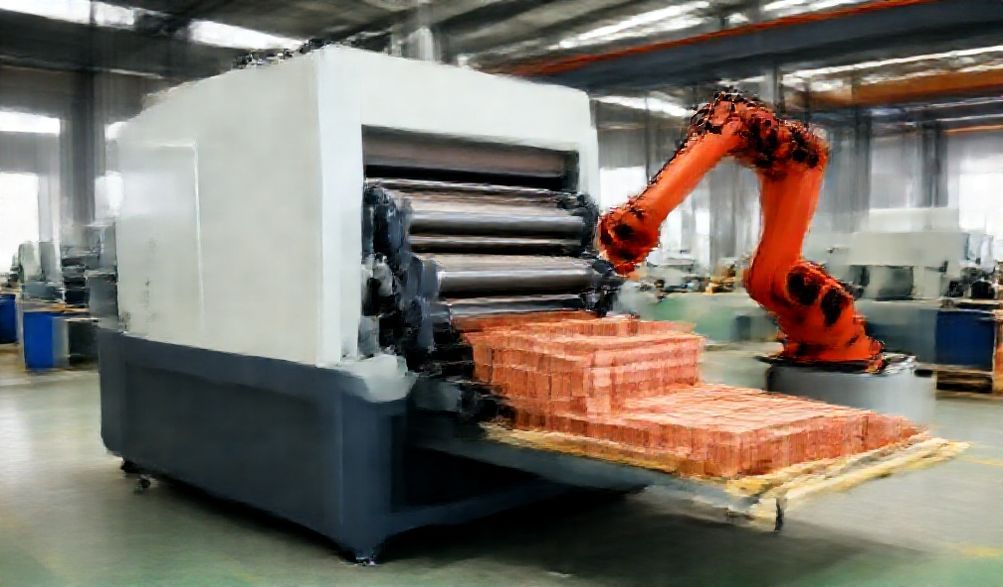
ਤੁਹਾਡੀ ਭਰੋਸੇਯੋਗ ਚੀਨੀ ਇੱਟ ਬਣਾਉਣ ਵਾਲੀ ਮਸ਼ੀਨ ਸਪਲਾਇਰ ਲੱਭਣ ਦੀ ਅੰਤਿਮ ਗਾਈਡ
ਪਰਿਚਯ
ਗਲੋਬਲ ਨਿਰਮਾਣ ਉਦਯੋਗ ਇੱਟਾਂ 'ਤੇ ਚਲਦਾ ਹੈ, ਅਤੇ ਕਿਫਾਇਤੀ, ਉੱਚ-ਗੁਣਵੱਤਾ ਵਾਲੀ ਇੱਟ ਬਣਾਉਣ ਵਾਲੀ ਮਸ਼ੀਨਰੀ ਦੀ ਮੰਗ ਪਹਿਲਾਂ ਨਾਲੋਂ ਕਿਤੇ ਵੱਧ ਹੈ। ਇਸ ਪਿਛੋਕੜ ਵਿੱਚ, ਚੀਨ ਨੇ ਦੁਨੀਆ ਦੇ ਨਿਰਵਿਵਾਦ ਨਿਰਮਾਣ ਕੇਂਦਰ ਦੇ ਰੂਪ ਵਿੱਚ ਆਪਣੀ ਭੂਮਿਕਾ ਨੂੰ ਮਜ਼ਬੂਤ ਕੀਤਾ ਹੈ, ਜੋ ਬਹੁਤ ਸਾਰੇ ਮਹਾਂਦੀਪਾਂ ਵਿੱਚ ਵਰਤੇ ਜਾਂਦੇ ਬਲਾਕ ਅਤੇ ਇੱਟ ਮਸ਼ੀਨਾਂ ਦਾ ਵਿਸ਼ਾਲ ਬਹੁਗਿਣਤੀ ਹਿੱਸਾ ਤਿਆਰ ਕਰਦਾ ਹੈ। ਕਾਰੋਬਾਰੀ ਮਾਲਕਾਂ ਅਤੇ ਪ੍ਰੋਜੈਕਟ ਮੈਨੇਜਰਾਂ ਲਈ, ਚੀਨ ਤੋਂ ਸਰੋਤ ਪ੍ਰਾਪਤ ਕਰਨਾ ਮੁੱਲ ਅਤੇ ਸਮਰੱਥਾ ਲਈ ਇੱਕ ਅਦਭੁਤ ਮੌਕਾ ਪੇਸ਼ ਕਰਦਾ ਹੈ।
ਪਰ, ਇਹ ਮੌਕਾ ਅਕਸਰ ਜਟਿਲਤਾ ਵਿੱਚ ਲਪੇਟਿਆ ਰਹਿੰਦਾ ਹੈ। ਆਮ ਚੁਣੌਤੀਆਂ ਅਸਲੀਆਂ ਹਨ: ਬੀ2ਬੀ ਪਲੇਟਫਾਰਮਾਂ 'ਤੇ ਔਨਲਾਈਨ ਸਪਲਾਇਰਾਂ ਦੀ ਭਰਮਾਰ ਵਿੱਚੋਂ ਰਾਹ ਲੱਭਣਾ, ਦੂਰੋਂ ਅਸਲੀ ਨਿਰਮਾਣ ਗੁਣਵੱਤਾ ਦੀ ਪੁਸ਼ਟੀ ਕਰਨਾ, ਜਟਿਲ ਅੰਤਰਰਾਸ਼ਟਰੀ ਲੌਜਿਸਟਿਕਸ ਦਾ ਪ੍ਰਬੰਧਨ ਕਰਨਾ, ਅਤੇ ਭਾਸ਼ਾਵਾਂ ਅਤੇ ਸਮਾਂ ਜੋਨਾਂ ਦੇ ਪਾਰ ਸਾਰਥਕ ਗਾਹਕ ਸਹਾਇਤਾ ਸੁਨਿਸ਼ਚਿਤ ਕਰਨਾ। ਇੱਕ ਗਲਤ ਫੈਸਲਾ ਮਹਿੰਗਾ ਡਾਊਨਟਾਈਮ, ਨਿਮਨ-ਸਤਰ ਦਾ ਉਤਪਾਦਨ, ਅਤੇ ਲੌਜਿਸਟਿਕ ਸਮੱਸਿਆਵਾਂ ਦਾ ਕਾਰਨ ਬਣ ਸਕਦਾ ਹੈ।
ਇਹ ਗਾਈਡ ਤੁਹਾਡੇ ਲਈ ਇੱਕ ਪ੍ਰਮਾਣਿਕ ਸਰੋਤ ਹੈ। ਇਹ ਸਿੱਧੇ ਉਦਯੋਗਿਕ ਤਜਰਬੇ, ਫੈਕਟਰੀ ਫਲੋਰ ਆਡਿਟਾਂ, ਅਤੇ ਇੱਟ ਨਿਰਮਾਣ ਪ੍ਰਕਿਰਿਆਵਾਂ ਦੀ ਡੂੰਘੀ ਤਕਨੀਕੀ ਜਾਣਕਾਰੀ 'ਤੇ ਆਧਾਰਿਤ ਹੈ, ਸਿਰਫ਼ ਸਿਧਾਂਤ 'ਤੇ ਨਹੀਂ। ਸਾਡਾ ਟੀਚਾ ਭਰੋਸਾ ਅਤੇ ਪਾਰਦਰਸ਼ਿਤਾ ਨੂੰ ਵਧਾਉਣਾ ਹੈ। ਅਸੀਂ ਤੁਹਾਨੂੰ ਉਹ ਕਾਰਗਰ ਸੂਝ ਪ੍ਰਦਾਨ ਕਰਾਂਗੇ ਜੋ ਸ਼ੋਰ ਨੂੰ ਪਾਰ ਕਰਨ, ਸੱਚਮੁੱਚ ਭਰੋਸੇਯੋਗ ਸਾਥੀਆਂ ਦੀ ਪਛਾਣ ਕਰਨ, ਅਤੇ ਤੁਹਾਡੇ ਕਾਰੋਬਾਰ ਦੇ ਭਵਿੱਖ ਵਿੱਚ ਇੱਕ ਸੂਚਿਤ, ਵਿਸ਼ਵਾਸਯੋਗ ਨਿਵੇਸ਼ ਕਰਨ ਲਈ ਜ਼ਰੂਰੀ ਹੈ। ਆਓ ਇੱਕ "ਚੀਨੀ ਇੱਟ ਬਣਾਉਣ ਵਾਲੀ ਮਸ਼ੀਨ ਸਪਲਾਇਰ" ਦੀ ਖੋਜ ਨੂੰ ਇੱਕ ਡਰਾਉਣੇ ਕੰਮ ਤੋਂ ਇੱਕ ਰਣਨੀਤਕ ਸਫਲਤਾ ਵਿੱਚ ਬਦਲਣ ਦੀ ਯਾਤਰਾ ਸ਼ੁਰੂ ਕਰੀਏ।
ਚੀਨ ਤੋਂ ਬ੍ਰਿਕ ਮੇਕਿੰਗ ਮਸ਼ੀਨਾਂ ਦੀ ਸਰੋਤ ਕਿਉਂ ਕਰੀਏ?
ਸੋਰਸਿੰਗ ਟਿਕਾਣਾ ਚੁਣਨਾ ਇੱਕ ਰਣਨੀਤਕ ਵਪਾਰਕ ਫੈਸਲਾ ਹੈ। ਇੱਟ ਬਣਾਉਣ ਵਾਲੀ ਮਸ਼ੀਨਰੀ ਲਈ, ਚੀਨ ਉਹ ਫਾਇਦੇ ਪ੍ਰਦਾਨ ਕਰਦਾ ਹੈ ਜੋ ਹੋਰ ਖੇਤਰਾਂ ਲਈ ਮੁਕਾਬਲਾ ਕਰਨਾ ਮੁਸ਼ਕਿਲ ਹੈ, ਜਿਸ ਕਾਰਨ ਇਹ ਦੁਨੀਆ ਭਰ ਦੇ ਖਰੀਦਦਾਰਾਂ ਲਈ ਪਹਿਲੀ ਪਸੰਦ ਬਣ ਗਿਆ ਹੈ।
ਲਾਗਤ-ਪ੍ਰਭਾਵਸ਼ੀਲਤਾ ਅਤੇ ਮੁਕਾਬਲੇਬਾਜ਼ ਕੀਮਤ-ਨਿਰਧਾਰਨ
ਪ੍ਰਾਇਮਰੀ ਆਕਰਸ਼ਣ ਨਿਸ਼ਚਿਤ ਤੌਰ 'ਤੇ ਮੁੱਲ ਹੈ। ਚੀਨ ਦਾ ਮੁੱਲ ਲਾਭ ਕਈ ਮੁੱਖ ਕਾਰਕਾਂ ਤੋਂ ਪੈਦਾ ਹੁੰਦਾ ਹੈ:
- ਆਰਥਿਕ ਪੈਮਾਨੇਉਤਪਾਦਿਤ ਮਸ਼ੀਨਰੀ ਦੀ ਵਿਸ਼ਾਲ ਮਾਤਰਾ ਯੂਨਿਟ ਲਾਗਤਾਂ ਨੂੰ ਘਟਾ ਦਿੰਦੀ ਹੈ।
- ਇੰਟੀਗ੍ਰੇਟਡ ਸਪਲਾਈ ਚੇਨ:ਕੱਚੇ ਮਾਲ ਦੇ ਸਰੋਤਾਂ (ਸਟੀਲ, ਹਾਈਡ੍ਰੌਲਿਕਸ, ਇਲੈਕਟ੍ਰੌਨਿਕਸ) ਦੇ ਨੇੜੇ ਹੋਣ ਨਾਲ ਮਾਲ ਖਰੀਦਣ ਦੀ ਲਾਗਤ ਘੱਟ ਜਾਂਦੀ ਹੈ।
- ਪਰਿਪੱਕ ਨਿਰਮਾਣ ਈਕੋਸਿਸਟਮ:ਇੱਕ ਉੱਚ-ਕੁਸ਼ਲ, ਪਰ ਲਾਗਤ-ਪ੍ਰਤੀਯੋਗੀ ਮਜ਼ਦੂਰ ਸ਼ਕਤੀ ਅਤੇ ਅਨੁਕੂਲਿਤ ਉਤਪਾਦਨ ਪ੍ਰਕਿਰਿਆਵਾਂ ਸਮੁੱਚੇ ਉਤਪਾਦਨ ਖਰਚਿਆਂ ਨੂੰ ਘਟਾਉਣ ਵਿੱਚ ਯੋਗਦਾਨ ਪਾਉਂਦੀਆਂ ਹਨ।
ਇਸਦਾ ਮਤਲਬ ਨਕਾਰਾਤਮਕ ਰੂਪ ਵਿੱਚ "ਸਸਤਾ" ਨਹੀਂ ਹੈ। ਇਸਦਾ ਮਤਲਬ ਹੈ ਕਿ ਤੁਸੀਂ ਉੱਨਤ ਤਕਨਾਲੋਜੀ ਅਤੇ ਮਜ਼ਬੂਤ ਨਿਰਮਾਣ ਗੁਣਵੱਤਾ ਨੂੰ ਇੱਕ ਅਜਿਹੇ ਮੁੱਲ 'ਤੇ ਪ੍ਰਾਪਤ ਕਰ ਸਕਦੇ ਹੋ, ਜੋ ਅਕਸਰ ਨਿਵੇਸ਼ 'ਤੇ ਤੇਜ਼ ਵਾਪਸੀ (ROI) ਦੀ ਆਗਿਆ ਦਿੰਦਾ ਹੈ।
ਵਿਆਪਕ ਕਿਸਮ ਅਤੇ ਤਕਨੀਕੀ ਰੇਂਜ
ਤੁਸੀਂ ਇੱਕ ਛੋਟਾ ਉਦਯੋਗਪਤੀ ਹੋਵੋ ਜੋ ਬਲਾਕ ਯਾਰਡ ਸ਼ੁਰੂ ਕਰ ਰਿਹਾ ਹੋ ਜਾਂ ਇੱਕ ਵੱਡਾ ਕਾਰਪੋਰੇਸ਼ਨ ਹੋ ਜੋ ਆਟੋਮੈਟਿਕ ਪਲਾਂਟ ਬਣਾ ਰਿਹਾ ਹੋ, ਚੀਨ ਕੋਲ ਤੁਹਾਡੇ ਲਈ ਮਸ਼ੀਨ ਹੈ। ਇਸ ਦੀ ਰੇਂਜ ਬੇਮਿਸਾਲ ਹੈ:
- ਓਪਰੇਸ਼ਨ ਦੁਆਰਾ:ਸਧਾਰਨ ਹੱਥੀਂ ਚੱਲਣ ਵਾਲੀਆਂ ਅਤੇ ਅੱਧ-ਸਵੈਚਾਲਿਤ ਮਸ਼ੀਨਾਂ ਤੋਂ ਲੈ ਕੇ ਪੂਰੀ ਤਰ੍ਹਾਂ ਕੰਪਿਊਟਰਾਈਜ਼ਡ, ਪੂਰੀ ਤਰ੍ਹਾਂ ਸਵੈਚਾਲਿਤ ਉਤਪਾਦਨ ਲਾਈਨਾਂ ਤੱਕ।
- ਆਉਟਪੁੱਟ:ਮਸ਼ੀਨਾਂ ਰੋਜ਼ਾਨਾ 1,000 ਤੋਂ ਲੈ ਕੇ 30,000 ਤੋਂ ਵੱਧ ਇੱਟਾਂ ਜਾਂ ਬਲਾਕ ਪੈਦਾ ਕਰਦੀਆਂ ਹਨ।
- ਕਿਸਮ ਦੁਆਰਾ:ਸਥਿਰ ਮਸ਼ੀਨਾਂ (ਖੋਖਲੇ ਬਲਾਕਾਂ ਲਈ ਪ੍ਰਸਿੱਧ ਕਿਉਟੀ ਸੀਰੀਜ਼ ਵਾਂਗ), ਮੋਬਾਈਲ ਬਲਾਕ ਬਣਾਉਣ ਵਾਲੀਆਂ ਮਸ਼ੀਨਾਂ, ਇੰਟਰਲੌਕਿੰਗ ਇੱਟ ਮਸ਼ੀਨਾਂ, ਅਤੇ ਪੇਵਰਾਂ, ਕਰਬਸਟੋਨਾਂ ਅਤੇ ਹੋਰ ਚੀਜ਼ਾਂ ਲਈ ਵਿਸ਼ੇਸ਼ ਮਸ਼ੀਨਾਂ।
- ਟੈਕਨਾਲੋਜੀ ਦੁਆਰਾ:ਸਪਲਾਈਅਰ ਵਾਈਬ੍ਰੇਸ਼ਨ ਸਿਸਟਮ, ਹਾਈਡ੍ਰੌਲਿਕ ਪ੍ਰੈਸ਼ਰ, ਕੰਟਰੋਲ ਪੈਨਲ (PLC ਬਨਾਮ ਮੈਨੂਅਲ), ਅਤੇ ਊਰਜਾ ਦੀ ਕੁਸ਼ਲਤਾ ਵਿੱਚ ਵੱਖ-ਵੱਖ ਪੱਧਰਾਂ ਦੀ ਸੋਫਿਸਟੀਕੇਸ਼ਨ ਪੇਸ਼ ਕਰਦੇ ਹਨ।
ਉਤਪਾਦਨ ਪੈਮਾਨਾ ਅਤੇ ਸਪਲਾਈ ਚੇਨ ਪਰਿਪੱਕਤਾ
ਚੀਨ ਸਿਰਫ਼ ਵਿਅਕਤੀਗਤ ਫੈਕਟਰੀਆਂ ਦਾ ਘਰ ਨਹੀਂ ਹੈ; ਇਹ ਮਸ਼ੀਨਰੀ ਨਿਰਮਾਣ ਲਈ ਸਮਰਪਿਤ ਪੂਰੇ ਉਦਯੋਗਿਕ ਕਲੱਸਟਰਾਂ ਦੀ ਮੇਜ਼ਬਾਨੀ ਕਰਦਾ ਹੈ। ਕੁਆਨਜ਼ੂ, ਗੁਆਂਗਜ਼ੂ, ਅਤੇ ਜ਼ੈਂਗਜ਼ੂ ਵਰਗੇ ਸ਼ਹਿਰਾਂ ਵਿੱਚ ਫਾਊਂਡਰੀਆਂ, ਕੰਪੋਨੈਂਟ ਸਪਲਾਇਰਾਂ ਅਤੇ ਅਸੈਂਬਲੀ ਪਲਾਂਟਾਂ ਦੇ ਸੰਘਣੇ ਨੈਟਵਰਕ ਹਨ। ਇਸ ਪਰਿਪੱਕਤਾ ਦਾ ਮਤਲਬ ਹੈ:
- ਕੰਪੋਨੈਂਟਾਂ ਦੀ ਤੇਜ਼ ਸੋਰਸਿੰਗ: If a critical part like a hydraulic pump or motor fails, replacements are often readily available.
- ਨਿਰੰਤਰ ਨਵੀਨਤਾ Competition within these clusters drives rapid technological improvement and adaptation to global market needs.
- Logistical Efficiency: Ports and freight forwarders are highly experienced in handling heavy machinery exports, streamlining the shipping process.
Key Factors When Evaluating a Chinese Supplier
With thousands of options, evaluation is critical. Looking beyond the website and brochure is essential to find a true partner.
Verifying Manufacturer vs. Trading Company
This is the first and most crucial filter. A trading company acts as a middleman, while a manufacturer controls the production process.
- How to Distinguish:
- Manufacturer: Will provide specific details about their workshop, production capacity, and in-house engineering. They can easily arrange live video tours of the factory floor.
- ਟ੍ਰੇਡਿੰਗ ਕੰਪਨੀ: Often represents multiple, sometimes shifting, factories. Their communication may be less technically detailed, and they may be reluctant to provide direct factory contact or unscripted tours.
- Pros and Cons: A reputable trading company can simplify communication and handle export details. However, dealing factory-direct typically offers better price control, direct technical support, and greater transparency into the build quality and production timeline.
Assessing Technical Expertise and R&D Capability
A quality machine is born from engineering prowess. Probe into their technical depth:
- In-House Engineering Team: Do they design and iterate their own machines, or simply assemble purchased parts?
- Customization Ability: Can they modify standard models to suit your specific raw materials (e.g., fly ash, clay, concrete mix) or brick size requirements?
- ਮੁੱਖ ਸਿਸਟਮਾਂ 'ਤੇ ਧਿਆਨ ਕੇਂਦਰਿਤ ਕਰੋ: Ask detailed questions about their vibration system (frequency, amplitude), hydraulic system (brand of pumps and valves, pressure settings), and control logic. Their ability to explain these clearly signals expertise.
Quality Control Processes and Certifications
Certificates are a baseline, but processes are what guarantee quality.
- Critical Certifications: Look for CE (mandatory for the European market, indicating safety compliance), ਆਈਐਸਓ 9001 (a framework for quality management systems), and other relevant machinery safety standards.
- ਮੈਟੀਰੀਅਲ ਸਟੈਂਡਰਡਸ: Inquire about the grade of steel used for the frame and mold, the specification of hydraulic cylinders, and the brand of electrical components (e.g., Siemens, Schneider for premium machines).
- Audit and QC Plans: A trustworthy supplier will provide a Factory Audit Report or a detailed Quality Control Plan outlining inspection points at each production stage (from welding to assembly to testing).
Production Capacity and Lead Times
Realistic scheduling prevents project delays.
- Ask for a Breakdown: A typical lead time isn’t just “30 days.” It should include: raw material procurement, machining, assembly, painting, factory testing, and crating.
- Understand Capacity: Can they handle your order alongside others without quality suffering? Ask about their current production schedule.
- Buffer for Logistics: Factor in shipping time (sea freight is common for machinery) and potential customs clearance delays at your port.
The Complete Sourcing Process: From Inquiry to Delivery
A structured approach minimizes risk at every stage.
Step 1: Effective Supplier Discovery and Shortlisting
Move beyond a simple Alibaba search.
- Use Precise Keywords: Searches like “china qt6 brick making machine manufacturer” or “fully automatic block machine factory” yield more targeted results than generic terms.
- Leverage Industry Directories: Specialized B2B platforms for construction machinery can have more vetted lists.
- Research Trade Shows: Suppliers who exhibit at major international fairs like the China Import and Export Fair (Canton Fair) or BAUMA China often have stronger export experience.
Step 2: The Art of Technical Communication and Quotation
Clarity here prevents costly misunderstandings. Provide a clear specification sheet:
- Brick Type & Size: (e.g., 400x200x200mm hollow block).
- ਆਉਟਪੁੱਟ ਸਮਰੱਥਾ: Bricks per shift or per day.
- ਆਟੋਮੇਸ਼ਨ ਪੱਧਰ: Manual, semi-auto, or fully automatic with robotic pallet handling.
- ਪਾਵਰ ਦੀਆਂ ਲੋੜਾਂ: Voltage and phase (e.g., 380V/3Phase/50Hz).
- ਕੱਚਾ ਮਾਲ: Composition of your concrete or clay mix.
When quotes arrive, understand the Incoterms:
* EXW (Ex-Works): You own the goods at their factory gate. You handle all shipping, insurance, and customs.
* FOB (Free On Board): They deliver and load the machine onto the ship. You handle sea freight and destination costs.
* CIF (Cost, Insurance, Freight): They pay for the machine, insurance, and freight to your nearest port. You handle customs and inland transport.
Step 3: Due Diligence: Factory Audit and Sample Inspection
Never skip this step.
- Virtual/On-Site Audit Checklist:
- Workshop organization and cleanliness.
- Quality of welding and fabrication.
- Inventory of raw materials and components.
- Testing area for finished machines.
- Interview with engineers or production managers.
- Request Evidence: Ask for a production video of a machine similar to your order or a sample test report from their quality lab.
Step 4: Navigating Contracts, Payment, and Logistics
Protect your investment with clear documentation.
- Key Contract Clauses: Ensure it covers detailed machine specifications, warranty terms (duration, coverage, exclusions), spare parts list with part numbers, and intellectual property if customizations are made.
- Secure Payment Terms: Avoid 100% upfront payments. Common secure terms are:
- 30% T/T deposit, 70% against copy of Bill of Lading.
- Letter of Credit (L/C): A bank-guaranteed payment, safer but more complex.
- Shipping and Customs: Work with a reputable freight forwarder experienced in heavy machinery. They will guide you on crating requirements, HS codes, and necessary import documentation for your country.
Avoiding Common Pitfalls and Red Flags
Forewarned is forearmed. Watch for these warning signs.
Price Traps and “Too Good to Be True” Offers
An offer significantly lower than the market average is a major red flag. This often indicates:
- The use of inferior, non-standard materials that will fail prematurely.
- Hidden costs that will appear later for “essential” components or documentation.
- A complete lack of after-sales service.
Poor Communication and Vague Documentation
A reliable partner is a communicative partner. Be wary of:
- Inconsistent or evasive answers to technical questions.
- Lack of detailed, English operation and maintenance manuals.
- Slow response times, which often predict poor after-sales support.
- Unwillingness to provide any form of verifiable reference or contact.
Weak or Non-Existent After-Sales Service
The machine’s life begins after delivery. A supplier that doesn’t prioritize after-sales is a liability.
- Red Flags: No clear warranty policy, no spare parts catalog, no plan for installation guidance or operator training.
- Critical Parts: Ensure they commit to supplying key wear-and-tear parts like molds, hydraulic seals, vibration motors, and control system components for the long term.
Maximizing Your Investment: After-Sales and Long-Term Partnership
View your supplier as a long-term partner for your business growth.
Installation, Commissioning, and Operator Training
A reputable supplier will support you through startup:
- Detailed Installation Manuals: With clear diagrams and steps.
- Remote Commissioning Support: Via video call to guide your technicians through setup and calibration.
- On-Site Training (Optional): For larger lines, you can often contract a factory engineer to travel to your site for hands-on training, ensuring optimal machine performance from day one.
Sourcing and Managing Spare Parts Inventory
Proactive planning prevents prolonged downtime.
- Request a Critical Spare Parts List from the supplier upon purchase.
- Initial Inventory: Consider purchasing a starter kit of the most common wear parts (filters, seals, gaskets) with your machine order.
- Verify Parts Availability: Confirm that parts will be available for purchase separately for years to come.
Building a Relationship for Future Upgrades and Support
A good supplier relationship pays ongoing dividends. They can become your advisor for:
- Production Line Expansion: Adding capacity or new product lines.
- Technology Upgrades: Retrofitting newer control systems or more efficient components.
- Market Advice: Sharing insights on successful brick types or production techniques used by other clients globally.
Frequently Asked Questions (FAQ)
Q1: What is the typical price range for a brick making machine from China?
A: Prices vary dramatically. A small manual or semi-automatic machine can start from $3,000 to $15,000 USD. A standard stationary block machine like a QT4 might range from $25,000 to $45,000. Large, fully automated production lines with robotic handling can cost $150,000 to $500,000+. An accurate quote requires your detailed specifications.
Q2: How can I verify if a supplier is a real manufacturer and not just a middleman?
A: Request a live, unscripted video tour of their production workshop via video call. Ask specific questions about their laser cutting, welding, and assembly processes. Check their business license and compare the registered factory address with the location shown in the video and on mapping apps.
Q3: What are the most important certifications to look for?
A:ਦCE Mark is critical for safety and EU market access. ISO 9001:2015 certification indicates a managed quality system. For electrical components, look for mentions of international standards. Always ask for copies of the certificates and verify their authenticity if possible.
Q4: What is the standard warranty period, and what does it usually cover?
A: A standard warranty is typically 12 months from the date of shipment or commissioning. It covers defects in materials and workmanship under normal use. It generally does ਨਹੀਂ cover wear-and-tear parts (like mold liners), damage from improper operation, lack of maintenance, or force majeure events.
Q5: How do I handle machine breakdowns and technical support from overseas?
A: A professional supplier will offer remote video support to diagnose issues. Ensure you receive comprehensive English manuals with troubleshooting guides. Maintain the provided spare parts list. For critical failures, discuss the possibility and cost of dispatching a technician beforehand, so you have a plan in place.
Conclusion
Sourcing a brick making machine from China is a significant investment that, when done correctly, can propel your business forward for years. The path to success is built on thorough supplier vetting, crystal-clear technical communication, rigorous due diligence, and strategic planning for after-sales support. Remember, the goal is not to find the cheapest supplier, but the most reliable and expert partner—one whose engineering capability, quality commitment, and service ethos align with your business’s long-term vision.
A trustworthy “china machine for making bricks supplier” is more than a vendor; they are an integral part of your production ecosystem. Use this guide as your actionable checklist. Approach your sourcing journey with confidence, armed with the right questions and a clear process. Your ideal manufacturing partner is out there, ready to help you build a stronger foundation, one brick at a time.
<