
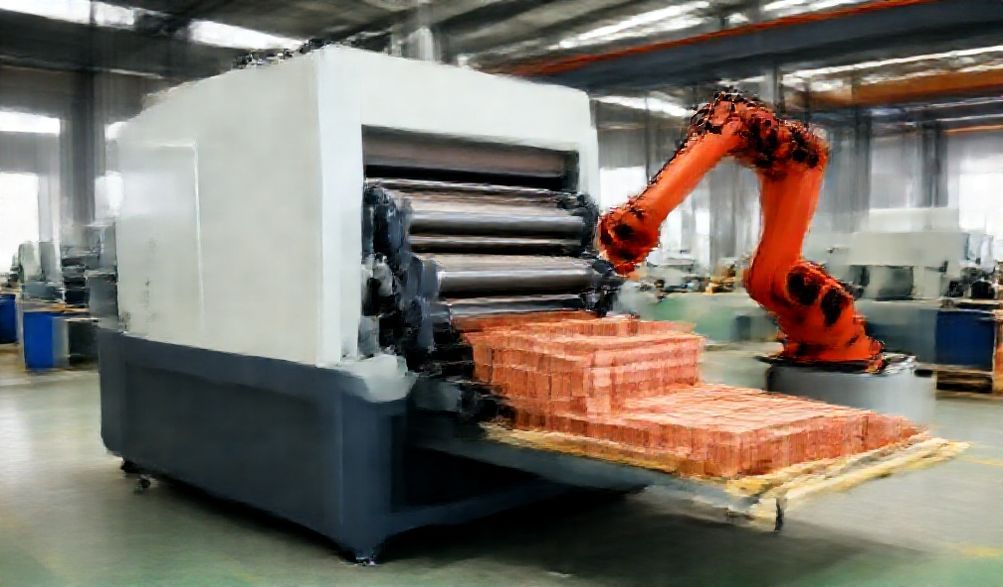
신뢰할 수 있는 중국 벽돌 제조 기계 공급업체를 찾는 궁극적인 가이드
소개
세계 건설 산업은 벽돌에 의존하며, 저렴하면서도 고품질의 벽돌 제조 장비에 대한 수요는 그 어느 때보다 높습니다. 이러한 환경에서 중국은 세계적으로 확고한 제조 허브로서의 역할을 굳혔으며, 대륙을 가로지르는 블록 및 벽돌 제조 기계의 대부분을 생산하고 있습니다. 사업주와 프로젝트 관리자에게 중국에서의 조달은 가치와 역량 측면에서 놀라운 기회를 제공합니다.
하지만 이 기회는 종종 복잡성에 가려져 있습니다. 일반적인 어려움은 현실적입니다: B2B 플랫폼에서 넘쳐나는 온라인 공급업체를 탐색하고, 먼 거리에서 실제 제조 품질을 확인하며, 복잡한 국제 물류를 관리하고, 언어와 시간대를 넘어 의미 있는 애프터서비스 지원을 보장해야 합니다. 잘못된 결정은 값비싼 가동 중단 시간, 부적절한 생산, 그리고 물류 악몽으로 이어질 수 있습니다.
이 가이드는 확실한 참고 자료가 되도록 설계되었습니다. 이론이 아닌 수년간의 직접적인 산업 현장 경험, 공장 현장 감사, 그리고 벽돌 제조 공정에 대한 깊은 기술적 지식을 바탕으로 하여, 우리의 목표는 신뢰와 투명성을 조성하는 데 있습니다. 우리는 여러분이 주변의 소음을 뚫고 진정으로 믿을 수 있는 파트너를 식별하며, 여러분의 비즈니스 미래에 대해 정보에 기반한 확신을 가지고 투자할 수 있도록 실행 가능한 통찰력을 제공할 것입니다. "중국 벽돌 제조 기계 공급업체"를 찾는 과정을 어려운 작업에서 전략적 성공으로 변화시키는 여정을 시작해 보겠습니다.
중국에서 소스 벽돌 제조 기계를 구매하는 이유는 무엇인가요?
소싱 목적지 선택은 전략적 비즈니스 결정입니다. 벽돌 제조 기계 분야에서 중국은 다른 지역이 따라잡기 어려운 장점들을 결합하고 있어, 전 세계 구매자들의 첫 번째 방문지로 자리매김하고 있습니다.
비용 효율성과 경쟁력 있는 가격 책정
주요 매력은 부인할 수 없는 가치입니다. 중국의 가격 경쟁력은 몇 가지 핵심 요인에서 비롯됩니다.
- 규모의 경제생산된 기계의 엄청난 양이 단위당 비용을 낮춥니다.
- 통합 공급망원자재(강철, 유압 장치, 전자 부품) 공급원과의 근접성은 자재 조달 비용을 절감합니다.
- 성숙한 제조 생태계:고도로 숙련되었으면서도 비용 경쟁력 있는 노동력과 최적화된 생산 공정이 전체 제조 비용을 낮추는 데 기여합니다.
이것은 부정적인 의미에서의 "싸구려"를 뜻하는 것이 아닙니다. 이는 진보된 기술과 견고한 제작 품질을 종종 투자 회수 기간(ROI)을 단축할 수 있는 가격대에 접근할 수 있다는 의미입니다.
광범위한 다양성과 기술적 범위
작은 블록 마당을 시작하는 소규모 기업가든 자동화 공장을 건설하는 대기업이든, 중국에는 여러분을 위한 장비가 있습니다. 그 다양성은 비교할 수 없을 정도입니다.
- 작전별로:단순한 수동 및 반자동 기계에서 완전히 컴퓨터화된 완전 자동 생산 라인까지.
- 출력:하루에 1,000개에서 30,000개 이상의 벽돌이나 블록을 생산하는 기계.
- 유형별:고정식 기계(중공 블록용으로 인기 있는 QT 시리즈와 같은), 이동식 블록 제조기, 인터로킹 벽돌 기계, 그리고 포장재, 연석 등을 위한 특수 기계.
- 기술별:공급업체들은 진동 시스템, 유압, 제어 패널(PLC 대 수동), 그리고 에너지 효율성에 있어 다양한 수준의 정교함을 제공합니다.
제조 규모와 공급망 성숙도
중국은 단순히 개별 공장이 있는 곳이 아니라, 기계 제조에 특화된 완전한 산업 클러스터를 보유하고 있습니다. 취안저우, 광저우, 정저우와 같은 도시들은 주조 공장, 부품 공급업체, 조립 공장이 밀집된 네트워크를 형성하고 있습니다. 이러한 성숙도는 다음을 의미합니다:
- 부품 조달 속도 향상:유압 펌프나 모터 같은 중요한 부품이 고장 나면, 대체품을 쉽게 구할 수 있는 경우가 많습니다.
- 지속적인 혁신:이러한 클러스터 내 경쟁은 글로벌 시장 요구에 대한 빠른 기술 개선과 적응을 촉진합니다.
- 물류 효율성:항구와 화물 운송 회사들은 중장비 수출 처리에 매우 숙련되어 있어 선적 절차를 효율적으로 간소화합니다.
중국 공급업체 평가 시 주요 고려 요소
수천 가지의 선택지가 있는 상황에서 평가는 매우 중요하다. 웹사이트와 브로슈어 너머를 살펴봐야 진정한 파트너를 찾을 수 있다.
제조사와 무역회사 확인
첫 번째이자 가장 중요한 필터입니다. 무역 회사는 중개인 역할을 하는 반면, 제조업체는 생산 과정을 통제합니다.
- 구별하는 방법:
- 제조사:고객님의 워크숍, 생산 능력, 사내 엔지니어링에 대한 구체적인 정보를 제공해 드리겠습니다. 공장 현장의 라이브 비디오 투어도 손쉽게 주선할 수 있습니다.
- 무역회사종종 복수의, 때로는 변동하는 공장들을 대표합니다. 이들의 커뮤니케이션은 기술적 세부 사항이 부족할 수 있으며, 직접적인 공장 연락처 제공이나 즉흥적인 견학을 꺼릴 수 있습니다.
- 장점과 단점평판 좋은 무역 회사는 의사소통을 간소화하고 수출 관련 세부 사항을 처리할 수 있습니다. 그러나 공장 직거래로 거래하는 것이 일반적으로 더 나은 가격 통제, 직접적인 기술 지원, 그리고 제조 품질과 생산 일정에 대한 더 큰 투명성을 제공합니다.
기술 전문성 및 연구개발 역량 평가
A quality machine is born from engineering prowess. Probe into their technical depth:
- In-House Engineering Team: Do they design and iterate their own machines, or simply assemble purchased parts?
- 맞춤 설정 능력: Can they modify standard models to suit your specific raw materials (e.g., fly ash, clay, concrete mix) or brick size requirements?
- 핵심 시스템에 집중하세요: Ask detailed questions about their vibration system (frequency, amplitude), hydraulic system (brand of pumps and valves, pressure settings), and control logic. Their ability to explain these clearly signals expertise.
품질 관리 프로세스 및 인증
Certificates are a baseline, but processes are what guarantee quality.
- Critical Certifications:찾아보세요씨이 (mandatory for the European market, indicating safety compliance), ISO 9001 (a framework for quality management systems), and other relevant machinery safety standards.
- 재질 기준: Inquire about the grade of steel used for the frame and mold, the specification of hydraulic cylinders, and the brand of electrical components (e.g., Siemens, Schneider for premium machines).
- Audit and QC Plans: A trustworthy supplier will provide a Factory Audit Report or a detailed Quality Control Plan outlining inspection points at each production stage (from welding to assembly to testing).
Production Capacity and Lead Times
Realistic scheduling prevents project delays.
- Ask for a Breakdown: A typical lead time isn’t just “30 days.” It should include: raw material procurement, machining, assembly, painting, factory testing, and crating.
- Understand Capacity: Can they handle your order alongside others without quality suffering? Ask about their current production schedule.
- Buffer for Logistics: Factor in shipping time (sea freight is common for machinery) and potential customs clearance delays at your port.
The Complete Sourcing Process: From Inquiry to Delivery
A structured approach minimizes risk at every stage.
Step 1: Effective Supplier Discovery and Shortlisting
Move beyond a simple Alibaba search.
- Use Precise Keywords: Searches like “china qt6 brick making machine manufacturer” or “fully automatic block machine factory” yield more targeted results than generic terms.
- Leverage Industry Directories: Specialized B2B platforms for construction machinery can have more vetted lists.
- Research Trade Shows: Suppliers who exhibit at major international fairs like the China Import and Export Fair (Canton Fair) or BAUMA China often have stronger export experience.
Step 2: The Art of Technical Communication and Quotation
Clarity here prevents costly misunderstandings. Provide a clear specification sheet:
- 벽돌 종류 및 크기: (e.g., 400x200x200mm hollow block).
- 출력 용량: Bricks per shift or per day.
- 자동화 수준: Manual, semi-auto, or fully automatic with robotic pallet handling.
- 전력 요구 사항 Voltage and phase (e.g., 380V/3Phase/50Hz).
- 원자재 Composition of your concrete or clay mix.
When quotes arrive, understand the Incoterms:
* EXW (공장 인도 조건): You own the goods at their factory gate. You handle all shipping, insurance, and customs.
* FOB (본선 인도 조건): They deliver and load the machine onto the ship. You handle sea freight and destination costs.
* CIF (Cost, Insurance, Freight): They pay for the machine, insurance, and freight to your nearest port. You handle customs and inland transport.
Step 3: Due Diligence: Factory Audit and Sample Inspection
Never skip this step.
- Virtual/On-Site Audit Checklist:
- Workshop organization and cleanliness.
- Quality of welding and fabrication.
- Inventory of raw materials and components.
- Testing area for finished machines.
- Interview with engineers or production managers.
- Request Evidence: Ask for a production video of a machine similar to your order or a sample test report from their quality lab.
Step 4: Navigating Contracts, Payment, and Logistics
Protect your investment with clear documentation.
- Key Contract Clauses: Ensure it covers detailed machine specifications, warranty terms (duration, coverage, exclusions), spare parts list with part numbers, and intellectual property if customizations are made.
- Secure Payment Terms: Avoid 100% upfront payments. Common secure terms are:
- 30% T/T deposit, 70% against copy of Bill of Lading.
- Letter of Credit (L/C): A bank-guaranteed payment, safer but more complex.
- Shipping and Customs: Work with a reputable freight forwarder experienced in heavy machinery. They will guide you on crating requirements, HS codes, and necessary import documentation for your country.
Avoiding Common Pitfalls and Red Flags
Forewarned is forearmed. Watch for these warning signs.
Price Traps and “Too Good to Be True” Offers
An offer significantly lower than the market average is a major red flag. This often indicates:
- The use of inferior, non-standard materials that will fail prematurely.
- Hidden costs that will appear later for “essential” components or documentation.
- A complete lack of after-sales service.
Poor Communication and Vague Documentation
A reliable partner is a communicative partner. Be wary of:
- Inconsistent or evasive answers to technical questions.
- Lack of detailed, English operation and maintenance manuals.
- Slow response times, which often predict poor after-sales support.
- Unwillingness to provide any form of verifiable reference or contact.
Weak or Non-Existent After-Sales Service
The machine’s life begins after delivery. A supplier that doesn’t prioritize after-sales is a liability.
- Red Flags: No clear warranty policy, no spare parts catalog, no plan for installation guidance or operator training.
- Critical Parts: Ensure they commit to supplying key wear-and-tear parts like molds, hydraulic seals, vibration motors, and control system components for the long term.
Maximizing Your Investment: After-Sales and Long-Term Partnership
View your supplier as a long-term partner for your business growth.
Installation, Commissioning, and Operator Training
A reputable supplier will support you through startup:
- Detailed Installation Manuals: With clear diagrams and steps.
- Remote Commissioning Support: Via video call to guide your technicians through setup and calibration.
- On-Site Training (Optional): For larger lines, you can often contract a factory engineer to travel to your site for hands-on training, ensuring optimal machine performance from day one.
Sourcing and Managing Spare Parts Inventory
Proactive planning prevents prolonged downtime.
- Request a Critical Spare Parts List from the supplier upon purchase.
- Initial Inventory: Consider purchasing a starter kit of the most common wear parts (filters, seals, gaskets) with your machine order.
- Verify Parts Availability: Confirm that parts will be available for purchase separately for years to come.
Building a Relationship for Future Upgrades and Support
A good supplier relationship pays ongoing dividends. They can become your advisor for:
- Production Line Expansion: Adding capacity or new product lines.
- Technology Upgrades: Retrofitting newer control systems or more efficient components.
- Market Advice: Sharing insights on successful brick types or production techniques used by other clients globally.
자주 묻는 질문 (FAQ)
Q1: What is the typical price range for a brick making machine from China?
A: Prices vary dramatically. A small manual or semi-automatic machine can start from $3,000 to $15,000 USD. A standard stationary block machine like a QT4 might range from $25,000 to $45,000. Large, fully automated production lines with robotic handling can cost $150,000 to $500,000+. An accurate quote requires your detailed specifications.
Q2: How can I verify if a supplier is a real manufacturer and not just a middleman?
A: Request a live, unscripted video tour of their production workshop via video call. Ask specific questions about their laser cutting, welding, and assembly processes. Check their business license and compare the registered factory address with the location shown in the video and on mapping apps.
Q3: What are the most important certifications to look for?
A:그CE 마크 is critical for safety and EU market access. ISO 9001:2015 certification indicates a managed quality system. For electrical components, look for mentions of international standards. Always ask for copies of the certificates and verify their authenticity if possible.
Q4: What is the standard warranty period, and what does it usually cover?
A: A standard warranty is typically 12 months from the date of shipment or commissioning. It covers defects in materials and workmanship under normal use. It generally does 아니요 cover wear-and-tear parts (like mold liners), damage from improper operation, lack of maintenance, or force majeure events.
Q5: How do I handle machine breakdowns and technical support from overseas?
A: A professional supplier will offer remote video support to diagnose issues. Ensure you receive comprehensive English manuals with troubleshooting guides. Maintain the provided spare parts list. For critical failures, discuss the possibility and cost of dispatching a technician beforehand, so you have a plan in place.
결론
Sourcing a brick making machine from China is a significant investment that, when done correctly, can propel your business forward for years. The path to success is built on thorough supplier vetting, crystal-clear technical communication, rigorous due diligence, and strategic planning for after-sales support. Remember, the goal is not to find the cheapest supplier, but the most reliable and expert partner—one whose engineering capability, quality commitment, and service ethos align with your business’s long-term vision.
A trustworthy “china machine for making bricks supplier” is more than a vendor; they are an integral part of your production ecosystem. Use this guide as your actionable checklist. Approach your sourcing journey with confidence, armed with the right questions and a clear process. Your ideal manufacturing partner is out there, ready to help you build a stronger foundation, one brick at a time.
<