يُحرك قطاع البناء العالمي باستمرار الطلب على مواد بناء موثوقة وفعالة ومنخفضة التكلفة. وفي صميم هذه الصناعة تقوم الطوبة المتواضعة، وهي مكون أساسي شهدت طريقة إنتاجه ثورة بفضل الآلات المتطورة. بالنسبة للموزعين والتجار ومتخصصي المشتريات، فإن فهم تعقيدات هذه المعدات ليس مجرد تمرين تقني، بل هو ضرورة تجارية حاسمة.
دراسة مفصلة لأنظمة تصنيع الطوب
1.1 العملية التصنيعية الأساسية: من المادة الخام إلى المنتج النهائي
تشبه عملية نظام تصنيع الطوب سيمفونية من الهندسة الدقيقة وعلوم المواد، حيث يحول المواد الخام الأساسية إلى وحدات بناء موحدة وعالية القوة عبر عملية منظمة بدقة.
- إعداد المواد بدقة وتجانسها:تبدأ الرحلة بالاختيار الدقيق وتناسب المواد الخام. تتكون الخلطة الأساسية عادة من الأسمنت ومختلف المواد المالئة (مثل الرمل أو غبار الحجر أو الرماد المتطاير) والماء. تعتبر نسبة هذه المكونات في غاية الأهمية، فهي تحدد قوة المنتج النهائي وقوامه ومتانته. في الأنظمة المتقدمة، تضمن مغذيات الوزن الآلية اتساق الدُفعات. لا تقتصر عملية الخلط على مجرد مزج المكونات بل تتعلق بتحقيق قوام متجانس وشبه جاف حيث تُطلى كل جسيمة أسمنت بشكل موحد بالملاط، ويتوزع الرطوبة بالتساوي. يمثل هذا التجانس الخطوة الأولى والأكثر حسمًا نحو إنتاج طوبة ذات خصائص هيكلية متناسقة.
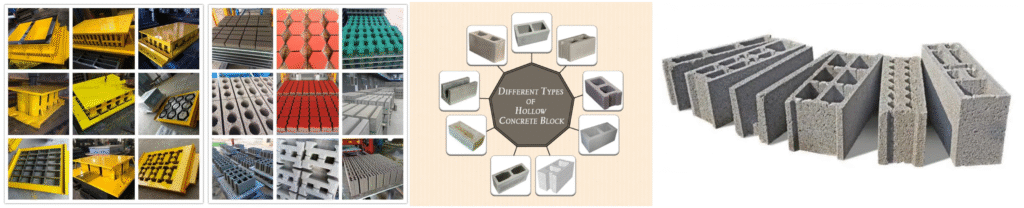
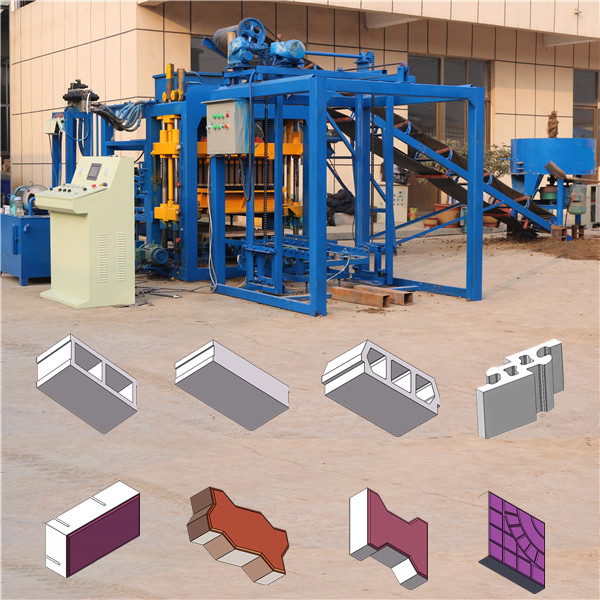
- المرحلة الحرجة من ملء القالب والدمك:ثم يتم نقل الخليط المحضر إلى تجويف القالب. تصميم ودقة هذا القالب هما ما يحددان الشكل النهائي للطوبة، سواء كانت كتلة مستطيلة قياسية، أو تصميم مجوف للعزل، أو حجر رصف مزخرف بأنماط معقدة. في الأجهزة المتطورة، يضمن آلية الملء توزيعًا متساويًا للمادة في جميع أنحاء القالب، مما يمنع عدم التجانس في الكثافة. بعد الملء، يطبق النظام ضغطًا ميكانيكيًا أو هيدروليكيًا هائلاً. هذا الإجراء ليس مجرد ضغط؛ بل هو عملية تكثيف تطرد الهواء المحبوس قسرًا، وتصطف المادة الجسيمية، وتبدأ عملية الربط الأولية، مما يؤدي إلى طوبة "خضراء" ذات سلامة كافية ليتم التعامل معها.
- التدبير لتحقيق أقصى قوة نهائية والمعالجة النهائية:بعد إخراجها من القالب، تمتلك الطوبة الخضراء شكلها ولكن ليس قوتها الكاملة. عملية المعالجة هي حيث تكتسب قوتها الهيكلية. يمكن تحقيق ذلك من خلال طريقتين رئيسيتين. الأولى هي المعالجة الساكنة، حيث يتم تكديس الطوب وتغطيته بأغطية المعالجة أو وضعه في غرفة يتم فيها الحفاظ على درجة حرارة ورطوبة مُتحكَّم بهما لمدة محددة، مما يسمح بتفاعل الإسمنت بالكامل. الثانية، المستخدمة في بعض الأنظمة عالية الإنتاج، هي المعالجة بالبخار في الأوتوكلاف، مما يسرع بشكل كبير من اكتساب القوة. بعد المعالجة، يتم فرز الوحدات المتصلبة تلقائياً، وعدها، وتكديسها على منصات بواسطة أذرع آلية أو أنظمة تعمل بالسير الناقل، لتكون جاهزة للتغليف والتخزين والشحن.
1.2 تصنيف نظم الإنتاج: مطابقة التكنولوجيا مع احتياجات السوق
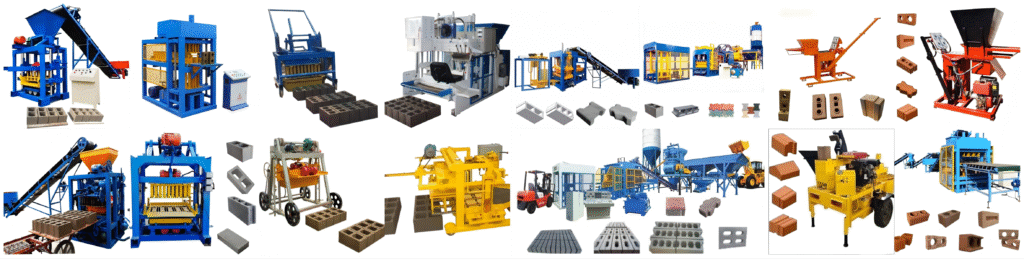
يتم تصنيف أنظمة إنتاج الطوب بناءً على منهجيتها التشغيلية ودرجة أتمتتها، حيث يخدم كل منها قطاعاً مميزاً في السوق.
- خطوط الإنتاج المتكاملة بالكامل:هذه هي المفترسات القصوى في تصنيع الطوب، المصممة لإنتاج ضخم دون انقطاع. تتميز بعملية سلسة وحلقة مغلقة حيث تكون مدخلات المواد الخام والخلط والقولبة والمعالجة والتكديس على المنصات جميعها مترابطة وتدار بواسطة نظام تحكم حاسوبي مركزي. يقتصر التدخل البشري في الغالب على المراقبة والصيانة والبرمجة. تشكل هذه الخطوط الخيار الأمثل لتزويد مشاريع البنية التحتية واسعة النطاق والموزعين الوطنيين والأسواق التي لا تقبل المساومة في الحجم والجودة المتسقة.
- وحدات الإنتاج الموجهة نحو الدورةتمثل هذه الفئة أرضية وسطى قوية، حيث تقدم أتمتة عالية في عملية الضغط الأساسية مع الحاجة إلى مساعدة يدوية للمهام المحيطية. تقوم الآلة نفسها بتنفيذ دورات الضغط والتشكيل تلقائياً، ولكن قد يحتاج المشغلون إلى تغذية المواد الخام في القادوس أو نقل الطوب الطازج إلى منطقة المعالجة. يوفر هذا التكوين توازناً ممتازاً، حيث يقدم قدرة إنتاجية عالية واتساقاً ملحوظاً في الجودة باستثمار رأسي أقل بكثير من خط الإنتاج المتكامل بالكامل، مما يجعله مثالياً للشركات النامية والموردين الإقليميين.
- أنظمة الضغط اليدويةهذه هي الوحدات الأكثر سهولة في الوصول وتعددًا في الاستخدام، وتتميز غالبًا بحجمها الصغير وبساطة تشغيلها. تعتمد آلية العمل بشكل أساسي على التشغيل اليدوي: حيث يقوم المشغل بملء صندوق القالب، ثم يستخدم ذراعًا يدويًا أو مضخة هيدروليكية صغيرة لتطبيق الضغط، ثم يطلق الطوبة المشكلة مباشرة على الأرض أو على منصة نقالة. بينما يعد إنتاجها في الساعة هو الأقل وتعتمد بشكل كبير على العمالة، فإن تكلفتها المنخفضة وصيانتها البسيطة وقدرتها على النشر في الموقع بأقل بنية تحتية تجعلها أداة قوية لرواد الأعمال الصغار، والمشاريع المجتمعية، ودورات الإنتاج المتخصصة منخفضة الحجم.
1.3 ما وراء الإنتاج: تقييم أداء المنتج والمعايير الرئيسية
بالنسبة للمشتري التجاري، فإن تقييم الآلة يتجاوز المواصفات الواردة في الكتيب الدعائي. فهو يشمل نظرة شاملة لأدائها وجودة المنتج الذي تنتجه.
- القدرة الإنتاجية والإيقاع التشغيلييجب فهم رقم الطوب في الساعة في سياق دورة الإنتاج الكاملة، بما في ذلك وقت المعالجة. السعة الحقيقية للآلة هي إنتاجها المستدام خلال وردية عمل مدتها 8 ساعات أو 24 ساعة، وليس مجرد رقم نظري ذروة.
- الدقة الأبعادية والنعومة السطحيةدقة القالب وثبات تطبيق الضغط تؤثر مباشرة على التسامح البعدي للطوب وجودة سطحه. تنتج الأجهزة عالية الجودة طوبًا بحواف حادة وأسطح ملساء وأبعاد موحدة، مما يسهل عملية البناء ويقلل من استخدام الملاط.
- تعدد الاستخدامات في صياغة المواد الخام:ميزة كبيرة للأنظمة الحديثة هي قدرتها على العمل بفعالية مع مجموعة واسعة من خلطات المواد الخام. وهذا يشمل القدرة على دمج المنتجات الثانوية الصناعية مثل الخبث أو الرماد المتطاير، مما يمكن أن يقلل من تكاليف المواد ويعزز الملف البيئي للمنتج.
- متانة وقابلية خدمة الجهازتحدد جودة تصنيع الآلة، ودرجة الصلب المستخدم في الهيكل والقالب، وموثوقية أنظمتها الهيدروليكية والتحكمية عمرها التشغيلي والتكلفة الإجمالية للملكية. ويعد سهولة الوصول للصيانة والتوفر الواسع لقطع الغيار الشائعة اعتبارات لوجستية حاسمة.
1.4 الحالة التجارية الاستراتيجية لتكنولوجيا التصنيع المتقدمة
يعد الاستثمار في نظام حديث لإنتاج الطوب قرارًا استراتيجيًا يمنح طبقات متعددة من الميزة التنافسية.
- كفاءة اقتصادية وتوسع لا مثيل لهما:يخفض التشغيل الآلي تكلفة الإنتاج لكل وحدة من خلال تعظيم الإنتاج وتقليل العمالة المباشرة. وهذا يُنشئ نموذج عمل قابل للتوسع حيث لا تستلزم الزيادة في الحجم زيادة خطية في التكاليف التشغيلية، مما يؤدي إلى هوامش ربح أعلى.
- ضمان اتساق المنتج والالتزام بالمعاييرالطوب المصنوع آليًا موحد. هذه الانتظام حيوي للبنائين، لأنه يضمن أداءً يمكن التنبؤ به، ويبسط عمليات البناء، ويضمن الامتثال لمواد البناء الوطنية والدولية، وهي نقطة بيع رئيسية للعملاء المميزين.
- التمكين من خلال تنويع المنتجاتمع مكتبة من القوالب القابلة للتبديل، يمكن لاستثمار واحد أن ينتج كتالوج منتجات متنوع. يستطيع المورد التحول بسرعة من إنتاج الطوب الإنشائي القياسي إلى بلاط الزينة، أو كتل الجدران الاستنادية، أو منتجات تنسيق الحدائق المتخصصة، مما يتيح له استهداف قطاعات سوقية متعددة والاستجابة بمرونة للاتجاهات.
- تعزيز مؤهلات الاستدامةتقلل عملية الإنتاج الخاضعة للرقابة من هدر المواد بشكل كبير مقارنة بالطرق التقليدية. علاوة على ذلك، فإن القدرة على استخدام الركام المعاد تدويره والمواد الأسمنتية التكميلية تتيح للشركات تسويق منتج "أكثر مراعاة للبيئة"، مما يجذب شريحة متزايدة من المقاولين والمطورين المهتمين بالبيئة.
1.5 إطار عمل للمشتريات لأصحاب المصلحة التجاريين
الإبحار في عملية المشتريات يتطلب نهجًا منضبطًا واستراتيجيًا يركز على القيمة طويلة الأجل.
- إجراء تحليل شامل للسوق والجدوىقبل اختيار الآلة، يجب أن يكون لدى المرء فهم عميق للطلب المحلي — أنواع الطوب المفضلة، توقعات الجودة، وحساسية السعر. يجب أن تكون التقنية المختارة مناسبة تمامًا لهذه الواقعية السوقية.
- Performing a Rigorous Total Cost of Ownership (TCO) Analysis: The purchase price is just the initial outlay. A prudent buyer will model all ongoing costs: energy consumption, labor, preventive maintenance, spare parts, and the cost of capital. This TCO model provides a true picture of the investment’s profitability.
- Vetting the Equipment Provider’s Support Ecosystem: The machine’s value is heavily dependent on the supplier’s support. Key questions must be asked: What is their lead time for critical spare parts? Do they offer comprehensive operator training? Is technical support readily accessible? A machine without reliable support is a liability.
- Validating Machine Performance and Compliance: Insist on seeing the machine in operation, preferably under conditions similar to your own. Request certification of compliance with relevant international safety and performance standards. This due diligence mitigates risk and ensures the equipment is fit for its intended purpose.
خاتمة
The technology behind brick manufacturing represents a mature yet continuously evolving field. For distributors and procurement experts, the selection of appropriate machinery is a cornerstone decision that directly impacts market relevance, operational efficiency, and long-term profitability. The spectrum of available systems—from highly automated production lines to versatile manual presses—ensures that there is a technological solution for every business model and market tier. Success in this arena is not merely about purchasing a machine; it is about strategically investing in a production capability that delivers consistent quality, enables product diversification, and builds a formidable reputation for reliability. In the competitive global construction supply chain, mastery over this technology is synonymous with a sustainable competitive edge.
الأسئلة الشائعة (FAQ)
Q1: How does the final product from an automated system differ from one produced by a manual machine?
A: While both can produce structurally sound bricks, the key differences lie in consistency and finish. Automated systems produce bricks with exceptional dimensional uniformity, consistent density, and superior surface finish across thousands of units. Manual machines, while capable, may exhibit slight variations in size, density, and texture from one brick to the next due to the inherent variability in human-operated processes.
Q2: What is the typical lead time from procurement to full operational deployment for a semi-automatic system?
A: Lead times can vary significantly based on the complexity of the system and the manufacturer’s schedule. Generally, for a semi-automatic unit, expect a period of 4 to 8 weeks for manufacturing and shipping. On-site installation, foundation preparation, and operator training can add an additional 1 to 3 weeks before the system is fully operational and producing saleable bricks.
Q3: Can these systems be customized to produce unique or proprietary brick designs?
A: Absolutely. The primary method for defining a brick’s shape is the mold. Reputable equipment providers often offer custom mold design and fabrication services. This allows clients to produce unique, patented brick designs, specialty shapes for architectural projects, or products tailored to specific regional preferences.
Q4: What are the most common maintenance requirements, and what is their typical frequency?
A: Regular maintenance is crucial for longevity. Common tasks include:
- Daily: Cleaning of the mold and hopper, visual inspection for leaks or wear.
- Weekly: Checking and tightening of bolts and nuts, inspecting hydraulic hoses.
- Monthly: Changing hydraulic oil filters, checking and calibrating pressure sensors.
- Annually: A comprehensive inspection of the hydraulic system, electrical components, and structural frame.
Q5: How critical is the quality of raw materials to the machine’s performance and output quality?
A: It is fundamentally critical. The machine is designed to process specific types and sizes of aggregates. Using poorly graded sand, contaminated materials, or an incorrect water-cement ratio can lead to production issues like mold sticking, poor compaction, and low-strength bricks. Consistent, high-quality raw materials are a prerequisite for achieving the machine’s advertised performance and product quality.
Q6: What are the primary power requirements for operating a medium-capacity automated unit?
A: Most medium-to-large industrial units require a three-phase electrical power supply, typically at 380V-440V, with a significant power draw (e.g., 20-50 kW depending on the model). It is essential to have a stable power source and the necessary electrical infrastructure in place. Some systems can also be configured with optional diesel power units for locations with unreliable grid electricity.
根据laying brick machine这个标题帮我写一篇文章,用英语,介绍,正文,结论,FAQ,正文要在1500个单词以上, 介绍,正文,结论,faq 不能出现别的品牌词,受众群体是经销商,分销商,采购商等,用英文,一级标题,二级标题,三级标题等格式要正确,文章所有内容要和之前的写出来的文章不一样,我给出的标题就不用在开头写了。
الدليل الشامل لآلات وضع الطوب: تمكين ريادة الأعمال في البناء على النطاق الصغير
مقدمة في تكنولوجيا تصنيع الطوب المتنقل
In the evolving landscape of global construction, accessibility and operational flexibility have become as valuable as sheer production volume. Enter the laying brick machine, a category of equipment distinct from large-scale stationary plants, designed for on-site production and decentralized manufacturing models. This machinery, characterized by its portability and straightforward operation, represents a significant market opportunity for distributors targeting small to medium enterprises (SMEs), rural developers, and community-focused construction projects. This article provides an in-depth exploration of the laying brick machine, examining its unique operational mechanics, market applications, economic advantages, and the strategic considerations for dealers and procurement professionals. The focus remains exclusively on the technological and commercial aspects of this specific machine type, offering a fresh perspective for business-to-business stakeholders.
تحليل متعمق لتكنولوجيا آلات وضع الطوب
1.1 الآلية التشغيلية الأساسية والميزات المميزة
على عكس نظيراتها المؤتمتة بالكامل، تعمل آلة وضع الطوب على مبدأ الإنتاج الموضعي الدفعي. ويتمثل سِمتها المميزة في قدرتها على التنقل؛ حيث يمكن نقل الوحدة بأكملها بسهولة عبر موقع العمل أو إلى موقع مشروع جديد، دون الحاجة في كثير من الأحيان إلى تفكيكها.
- عملية "الوضع" مُوضحة ببساطة:المصطلح "وضع" هو حرفي. يتم وضع الآلة على أرض مستوية أو بلاطة خرسانية مجهزة. يقوم المشغل بملء حجرة القالب بخليط الخرسانة المحضر. ثم يتم تشغيل رافعة ميكانيكية أو نظام هيدروليكي مضغوط، مما يطبق ضغطًا كبيرًا لضغط المادة. بمجرد تشكيل الطوبة، يتم رفع الآلة أو دفعها بعيدًا، "وضع" الطوبة الطازجة المشكلة حديثًا مباشرة على الأرض في موقع معالجتها الدقيق. وهذا يلغي الحاجة لأنظمة النقل المعقدة أو الروبوتات المخصصة للتكديس.
- تبسيط التعامل مع المواد وسير العملسير العمل الإنتاجي خطي وبسيط. تخلط المواد الخام (الأسمنت، التربة، أو الرمل) في خلاط مركزي يدوي غالباً. ثم تنقل الخلطة إلى موقع الماكينة. تتكرر دورة الملء والضغط والوضع، مع تحرك الماكينة للخلف في خط مستقيم، تاركة وراءها مساراً من الطوب النهائي. تقلل هذه الطريقة بشكل كبير من الحاجة لنقل الطوب قبل المعالجة، مما يبسط سير العمل في الموقع.
- المكونات الرئيسية للتصميم:هيكل الآلة قوي وبسيط في نفس الوقت. يتكون عادةً من إطار فولاذي متين، وصندوق قوالب مصمم بدقة (غالباً ما يكون قادراً على إنتاج عدة طوب في كل دورة)، وآلية ضغط (يدوية أو ميكانيكية أو هيدروليكية)، ونظام طرد بسيط. يعطي التصميم الأولوية للمتانة وسهولة الاستخدام على الأتمتة المعقدة، مما يؤدي إلى آلة ذات عمر تشغيلي طويل ونقاط صيانة قليلة.
1.2 تحديد الموقع في السوق وسيناريوهات التطبيق المثالية
تحتل آلة وضع الطوب مكانة محددة وحيوية في النظام البيئي للبناء، حيث تلبي احتياجات القطاعات التي تكون فيها المصانع واسعة النطاق غير عملية أو غير اقتصادية.
- بطل البناء الريفي والنائيفي المناطق ذات البنية التحتية غير المتطورة أو الوصول المحدود إلى موردي الطوب المركزيين، تمكن هذه الآلة من الإنتاج المحلي. يمكن للمجتمعات تصنيع مواد البناء الخاصة بها باستخدام التربة أو الرمال المتاحة محلياً، مما يعزز الاكتفاء الذاتي ويقلل تكاليف النقل بشكل كبير.
- محرك المشاريع الريادية الصغيرة النطاقبالنسبة لأصحاب الأعمال الحرة، فإن انخفاض رأس المال المطلوب لآلة صنع الطوب يمثل فرصة تجارية جذابة. يمكن للفرد إنشاء مزرعة صغيرة لصنع الطوب، لإنتاج الطوب حسب الطلب للبناة المحليين، ومشاريع السياج، والمباني التجارية الصغيرة، مما يُنشئ مشروعًا صغيرًا مستدامًا.
- الحل للإنتاج حسب الطلب وفي الموقعفي مشاريع البناء التي يكون فيها العدد الدقيق للطوب غير مؤكد أو حيث يكون الإنتاج في الوقت المناسب مفيدًا، تعتبر هذه الآلة مثالية. تتيح للمقاولين إنتاج الطوب مباشرة في موقع البناء، مما يضمن تطابق تام لدفعات الطوب لمشروع واحد، ويزيل هدر المواد ومشاكل التخزين.
- التطبيقات المتخصصة والإغاثة في حالات الكوارثتتيح قابلية نقلها إنتاج طوب متخصص لأغراض تنسيق الحدائق وممرات الحدائق والبنية التحتية صغيرة النطاق. علاوة على ذلك، في سيناريوهات إعادة الإعمار بعد الكوارث، يمكن نشر هذه الآلات بسرعة لإنتاج مواد البناء محليًا، مما يساعد على تسريع جهود التعافي.
١.٣ المزايا الاستراتيجية للموزعين والمستخدمين النهائيين
إن الجاذبية التجارية لآلة وضع الطوب تقوم على أسس تتمثل في انخفاض حواجز الدخول ومرونة تشغيلية عالية.
- الحد الأدنى لرأس المال الأولي This is the most significant advantage. The cost of a single laying brick machine is a fraction of that of a semi- or fully-automatic system, making it an accessible product for a vast segment of the market. For distributors, this means a larger potential customer base and faster sales cycles.
- Unmatched Operational Flexibility and Low Overhead: The machine does not require a dedicated factory shed or a permanent concrete foundation. It can operate in open spaces, requiring only a source of raw materials and a few square meters of level ground. This results in extremely low setup and overhead costs for the end-user.
- Reduced Reliance on Complex Logistics and Energy Grids: Since production is decentralized and the bricks are cured in place, the complex logistics of transporting fragile green bricks are eliminated. Furthermore, most models are entirely mechanical or use low-power hydraulics, making them suitable for operation in areas with unreliable or no electricity.
- Robust Construction and Ease of Maintenance: With fewer moving parts and no sophisticated electronics, these machines are inherently durable. Maintenance is straightforward, often requiring only basic tools and mechanical knowledge. This translates to high machine uptime, customer satisfaction, and a lower burden on the distributor’s after-sales service network.
1.4 Critical Technical and Commercial Evaluation Parameters
For a distributor or procurement manager, assessing the quality and suitability of a laying brick machine requires a focused set of criteria.
- Production Output and Cycle Time: Output is measured in bricks per day rather than per hour. A critical metric is the cycle time—how long it takes to produce one batch of bricks (e.g., 3-5 bricks) and reposition the machine. A faster cycle time directly increases daily yield.
- Build Quality and Material Specifications: The quality of the steel used in the frame and mold determines the machine’s longevity. The hardness and precision of the mold liners are crucial for producing bricks with consistent dimensions and smooth surfaces. A robust vibration system (if present) ensures proper compaction.
- تعدد الاستخدامات في مخرجات المنتج: Many modern laying-type machines come with interchangeable molds. A single base unit can potentially produce solid blocks, hollow blocks, and paving stones. This versatility increases the value proposition for the end-user, allowing them to serve diverse customer needs.
- Ergonomics and Operator Safety: The design should prioritize operator safety and ease of use. Features like ergonomic lever handles, safety guards on moving parts, and a design that minimizes strenuous lifting are important differentiators that reduce the risk of workplace injury and operator fatigue.
خاتمة
The laying brick machine is a testament to the principle that appropriate technology can be as transformative as high-tech solutions. It democratizes the production of construction materials, placing the capability to manufacture bricks directly into the hands of small entrepreneurs, rural communities, and pragmatic contractors. For distributors and B2B stakeholders, this segment represents a dynamic and resilient market less susceptible to the economic fluctuations that can affect large-scale industrial projects. By understanding the unique operational logic, target applications, and commercial drivers of the laying brick machine, businesses can effectively cultivate a valuable and growing customer base, providing them with the tools to build not just structures, but sustainable local economies.
الأسئلة الشائعة (FAQ)
Q1: What is the primary difference between a “laying” machine and a “stationary” block making machine?
A: The core difference lies in mobility and brick handling. A laying machine is mobile, compacting and then ejecting bricks directly onto the ground for curing. A stationary machine is fixed in place, requiring a system to transport the freshly molded (green) bricks to a separate curing area, often involving pallets, racks, or conveyor belts.
Q2: What is the typical production output a single operator can achieve with a manual laying machine?
A: Output is highly dependent on the operator’s efficiency and the machine’s cycle time. A skilled operator using a manual machine producing 3-4 bricks per cycle can typically manufacture between 500 and 1,000 bricks in an 8-hour workday. Hydraulically-assisted models can increase this output.
Q3: Are the bricks produced by these machines of sufficient quality for permanent residential construction?
A: Yes, provided the correct raw material mix and compaction pressure are used. The bricks must be properly cured, typically by keeping them moist and covered for a minimum of 7-14 days. It is recommended that sample bricks be tested for compressive strength at a local laboratory to ensure they meet regional building standards.
Q4: What kind of raw material mix is required for optimal performance?
A: These machines are versatile but work best with a semi-dry concrete mix. A common ratio is 1 part cement to 6-8 parts of a well-graded aggregate (such as a mix of sand and fine gravel). The mixture must have just enough moisture to hold its shape when compacted but not be wet or sloppy.
Q5: What does the typical after-sales support package for this category of machine include?
A: A comprehensive support package should include detailed operational manuals, a set of basic tools, and a starter kit of critical wear parts (like replacement mold liners or seals for hydraulic models). Additionally, suppliers should offer remote troubleshooting support and ready access to a catalog of spare parts.
Q6: Can these machines be easily exported and used in different international markets?
A: Absolutely. Their simple design, lack of dependency on specific voltage standards, and robust construction make them ideal for export. The main considerations are ensuring the accompanying documentation is in the local language and that the distributor has a clear understanding of the local demand for specific brick sizes and types to supply the correct molds.
根据adobe brick machine这个标题帮我写一篇文章,用英语,介绍,正文,结论,FAQ,正文要在1500个单词以上, 介绍,正文,结论,faq 不能出现别的品牌词,受众群体是经销商,分销商,采购商等,用英文,一级标题,二级标题,三级标题等格式要正确,文章所有内容要和之前的写出来的文章不一样,我给出的标题就不用在开头写了。
An In-Depth Exploration of Adobe Brick Manufacturing Technology
Introduction to Modern Earthen Construction Systems
The resurgence of interest in sustainable, eco-friendly, and thermally efficient building materials has brought adobe brick back into the spotlight of contemporary construction. Unlike conventional cement bricks, adobe utilizes a ancient yet effective formula of earth, clay, sand, and organic stabilizers, modernized through mechanized production. This article provides a comprehensive analysis of the adobe brick machine, a specialized apparatus designed to transform raw earth into standardized, high-quality building blocks. For distributors, dealers, and bulk purchasers, this technology represents an opportunity to access the growing green building market. We will examine the machine’s operational principles, its place in the modern construction supply chain, the distinct advantages of compressed earth blocks, and the critical commercial factors for successful market penetration, all presented from a strictly non-proprietary, technological standpoint.
Comprehensive Technical and Commercial Analysis of Adobe Brick Machinery
1.1 The Science and Process of Mechanized Adobe Production
The modern adobe brick machine elevates a traditional manual process to an industrial level, ensuring consistency, strength, and efficiency while maintaining the core ecological benefits of the material.
- Material Science and Soil Selection: The fundamental requirement for successful adobe production is appropriate soil. The ideal mix contains a balanced proportion of clay (which acts as the binder), sand (which provides skeletal strength and reduces shrinkage), and silt. Many machines are equipped with integrated soil screening mechanisms to remove oversized aggregates and organic matter. Stabilizers, such as a small percentage of cement or natural binders like plant fibers, can be added to the mix to enhance durability and water resistance.
- The Hydro-Mechanical Compaction Process: The core of the machine’s function is the application of high-pressure compaction to a precisely measured volume of moistened earth. The mixture must have optimal moisture content—typically between 10-15%—to allow for proper particle lubrication and cohesion under pressure. Using a hydraulic ram or a mechanical press, the machine exerts immense force, measured in tons, to densify the material. This process aligns the clay particles, eliminates air pockets, and creates a strong inter-particle bond, resulting in a “semi-stabilized” or “stabilized” brick straight from the mold.
- Distinctive Curing and Final Processing: Unlike cement bricks that require hydration-based curing, freshly extruded adobe bricks are very fragile and must be handled with care. They are typically ejected onto pallets or a leveled, shaded curing area. The curing process for adobe is primarily air-drying, which can take several weeks depending on climatic conditions. The bricks must be protected from rain and direct sunlight initially to prevent cracking from rapid drying. This low-energy curing process is a significant contributor to the material’s low embodied energy.
1.2 Classification of Machinery by Output and Automation
Adobe brick machines are categorized not just by automation, but also by their production methodology and the resulting brick quality.
- مكابس يدوية: These are the most accessible and widely used type, particularly in developing economies and for community-led projects. They are hand-operated, using a lever system to generate the necessary compaction force. While output is lower (typically 200-500 bricks per day), they are inexpensive, entirely off-grid, portable, and require minimal maintenance. They produce high-quality bricks suitable for a wide range of single-story constructions.
- Motorized Hydraulic Presses: This category represents a significant step up in production capacity and consistency. An electric or diesel motor powers a hydraulic pump, which delivers consistent, high-pressure compaction with minimal operator effort. These stationary machines can produce 800 to 2,000 bricks per day and often feature interchangeable molds for different brick sizes and profiles. They are ideal for small to medium-sized enterprises (SMEs) aiming to commercialize adobe bricks.
- Fully Integrated Adobe Production Systems: At the industrial end of the spectrum, these systems incorporate a soil crusher, rotary screen, mixer, and a high-pressure press into a single, continuous production line. Controlled by a programmable logic controller (PLC), they offer the highest output (3,000+ bricks daily) and unparalleled product uniformity. This level of investment is targeted at serious commercial producers supplying large-scale eco-resorts, housing developments, and institutional projects.
1.3 The Compelling Value Proposition of Mechanized Adobe Bricks
The end-product of these machines offers a unique set of benefits that align with modern architectural and environmental priorities.
- Superior Thermal Mass and Energy Efficiency: Adobe bricks have a high thermal mass, meaning they absorb heat during the day and release it slowly at night. This natural temperature regulation significantly reduces the need for mechanical heating and cooling, leading to substantial energy savings over the building’s lifetime—a powerful selling point.
- Exceptional Environmental Credentials and Low Embodied Energy: The primary raw material is earth, often sourced on-site or locally, drastically reducing transportation emissions. The production process consumes a fraction of the energy required for fired bricks or cement blocks, and it generates virtually no industrial waste. This positions adobe as a leading material in green building certification programs.
- Natural Humidity Regulation and Fire Resistance: The porous nature of adobe allows it to absorb and release moisture from the air, helping to maintain healthy indoor humidity levels. Furthermore, being made of earth, the bricks are completely non-combustible and provide excellent fire resistance, enhancing building safety.
- Cultural Aesthetics and Market Appeal: The distinct, earthy appearance of adobe bricks carries a unique aesthetic appeal, often associated with biophilic design and vernacular architecture. This appeals to a niche market of homeowners, architects, and developers looking for projects with character and a natural feel.
1.4 Strategic Market Analysis and Deployment Scenarios
Understanding where and how this technology fits into the global construction market is key for distributors.
- Targeting the Green Building and Eco-Tourism Sectors: The most natural market is the rapidly growing green construction industry. This includes builders and developers specializing in sustainable homes, eco-lodges, wellness retreats, and educational centers seeking LEED or similar certifications.
- Addressing Affordable Housing and Self-Build Initiatives: Governments and NGOs involved in affordable housing are increasingly turning to earth-based construction for its low cost and job creation potential. Distributors can partner with such organizations to supply technology for large-scale social housing projects.
- Disaster-Resilient Reconstruction: When stabilized with cement, compressed earth blocks can meet high structural standards. Their availability and low cost make them a viable solution for rebuilding communities after natural disasters, offering a dignified and sustainable alternative to temporary shelters.
- Niche Architectural and Landscape Design: There is a growing demand from architects and landscape designers for adobe bricks for feature walls, garden landscaping, and interior design elements, representing a high-margin, low-volume market segment.
1.5 A Procurement and Distribution Framework
For commercial stakeholders, several factors are critical for successful market entry and operations.
- Conducting Local Material Suitability Analysis: A crucial first step is to test local soils for their suitability. Distributors should partner with or have access to soil testing labs to provide this service to potential clients, de-risking their investment.
- Analyzing the Total Cost of Ownership and ROI: The business case must include not only the machine’s price but also costs for site preparation, power, labor, and raw material processing. The return on investment is often driven by the low cost of materials and the premium value of the final product in certain markets.
- Building a Robust Technical Support and Spare Parts Network: Given that this technology can be deployed in remote areas, having a reliable supply chain for spare parts—especially for hydraulic seals and mold components—is essential. Providing comprehensive operator training programs will minimize downtime and build customer loyalty.
- Navigating Building Codes and Standards: A significant part of market development involves educating local building authorities and engineers about the structural and durability standards that modern, stabilized adobe bricks can meet. Providing technical data and certification from international bodies can facilitate this process.
خاتمة
The adobe brick machine is far more than a piece of manufacturing equipment; it is a gateway to a sustainable, cost-effective, and culturally resonant building paradigm. It effectively bridges the gap between timeless traditional wisdom and modern industrial efficiency. For forward-thinking distributors and procurement specialists, this technology offers a strategic opportunity to diversify their portfolio and lead in the burgeoning eco-construction market. Success hinges not just on selling a machine, but on selling a complete system—including expertise in soil science, production methodology, and market development—that empowers clients to build a more sustainable future, one brick at a time.
الأسئلة الشائعة (FAQ)
Q1: How does the durability and water resistance of machine-made adobe compare to traditional sun-dried bricks?
A: Machine-made, compressed adobe bricks are significantly more durable. The high-pressure compaction creates a far denser matrix with lower porosity, leading to higher compressive strength and better resistance to erosion. When chemically stabilized (e.g., with 5-8% cement), their resistance to water penetration is greatly enhanced, making them suitable for use in a wider range of climates.
Q2: What is the typical learning curve for operators to produce consistent, high-quality bricks?
A: The learning curve is generally short. For manual presses, basic proficiency can be achieved in a few days. Mastering the optimal moisture content and fill level for maximum density and consistency may take a few weeks of practice. For hydraulic and automated machines, operator training focuses more on machine operation, maintenance, and troubleshooting, which can be accomplished in a structured one- to two-week training program.
Q3: Can these machines use soil directly from the excavation site, or does it require processing?
A: While the ideal scenario is to use on-site soil, it almost always requires some processing. The soil must first be tested for its clay-sand-silt ratio. It then typically needs to be dried, crushed to break up clods, and screened to remove stones and organic debris. Most production setups include a crusher and a rotary or vibratory screen as essential auxiliary equipment.
Q4: What are the primary maintenance requirements for a hydraulic adobe press?
A: Maintenance is relatively straightforward but crucial. Key tasks include:
- Daily: Cleaning the mold and hopper, checking for hydraulic fluid leaks.
- Weekly: Inspecting hydraulic hoses and connections, checking fluid levels.
- Monthly: Cleaning or replacing hydraulic oil filters, inspecting the electrical system.
- Annually: Replacing the hydraulic oil and conducting a comprehensive inspection of the press cylinder and seals.
Q5: How does the cost of producing a machine-made adobe brick compare to a conventional fired clay brick?
A: The production cost is generally 20-40% lower. The primary savings come from the elimination of the energy-intensive firing process (kiln fuel) and the use of low-cost, locally available raw materials. The main costs in adobe production are labor, stabilizer (if used), and machine depreciation.
Q6: Are there limitations on the architectural designs that can be achieved with adobe bricks?
A: While adobe construction is well-suited for load-bearing wall systems with straightforward geometries, modern engineering allows for significant design flexibility. Incorporating reinforced concrete bond beams and lintels enables the creation of larger openings and complex shapes. However, extremely intricate curvatures or very tall, slender structures are better suited to other building systems.