Ang pandaigdigang sektor ng konstruksiyon ay patuloy na pinagagalaw ng pangangailangan para sa maaasahan, episyente, at abot-kayang mga materyales sa paggawa ng gusali. Nasa sentro ng industriyang ito ang simpleng ladrilyo, isang pangunahing sangkap na ang paraan ng produksiyon ay lubusang nabago ng mga makabagong makinarya. Para sa mga distributor, dealer, at espesyalista sa pagkuha ng mga supply, ang pag-unawa sa mga detalye ng kagamitang ito ay hindi lamang isang teknikal na gawain kundi isang mahalagang pangangailangan sa negosyo.
Isang Detalyadong Pagsusuri sa mga Sistema ng Paggawa ng Briks
1.1 Ang Pangunahing Proseso ng Pagmamanupaktura: Mula sa Hilaw na Materyal Hanggang sa Tapos na Produkto
Ang pagpapatakbo ng isang sistema ng paggawa ng ladrilyo ay isang simponiya ng tumpak na inhenyeriya at agham ng materyales. Ito ay nagbabago mula sa mga pangunahing hilaw na materyales tungo sa mga pamantayang, mataas na lakas na yunit ng konstruksiyon sa pamamagitan ng maingat na isinaayos na proseso.
- Precise na Paghahanda at Homogenisasyon ng Materyal:Ang paglalakbay ay nagsisimula sa maingat na pagpili at pagtitimbang ng mga hilaw na materyales. Ang pangunahing timpla ay karaniwang binubuo ng semento, iba't ibang agregado (tulad ng buhangin, durog na bato, o abo mula sa pagsunog), at tubig. Ang proporsyon ng mga sangkap na ito ay napakahalaga, na siyang nagtatakda ng tibay, tekstura, at tatag ng panghuling produkto. Sa mga mas modernong sistema, ang mga awtomatikong timbangan ang nagsisiguro ng pare-parehong kalidad sa bawat batch. Ang proseso ng paghahalo ay hindi lamang pag-sasama ng mga sangkap kundi pagkamit ng isang magkakatulad at bahagyang tuyong timpla kung saan bawat partikulo ng semento ay pantay na nababalot ng agregado, at ang halumigmig ay maayos na naikakalat. Ang pagkakapare-parehong ito ang una at pinakamahalagang hakbang tungo sa paggawa ng isang ladrilyo na may pare-parehong mga katangiang istruktural.
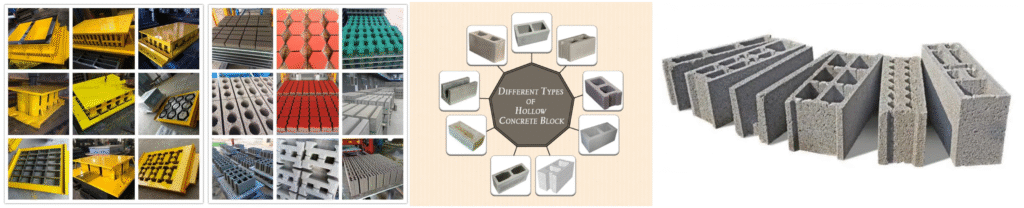
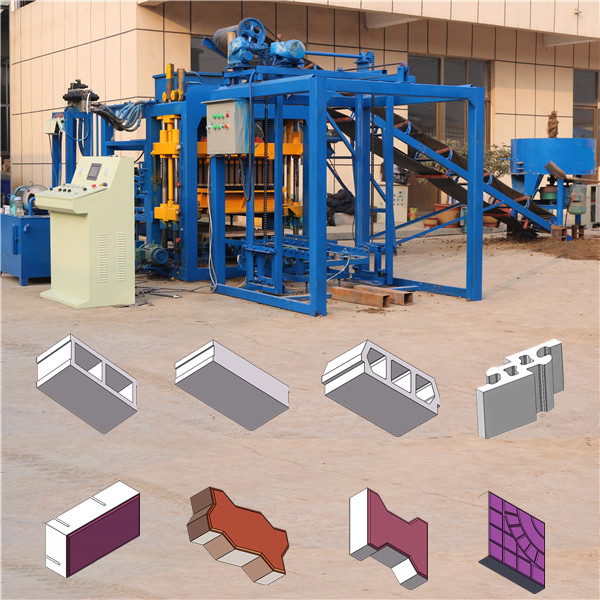
- Ang Kritikal na Yugto ng Pagpuno at Pagpapasiksik ng Molde.Ang handang timpla ay inililipat sa lukab ng hulma. Ang disenyo at katumpakan ng hulmang ito ang nagtatakda sa panghuling hugis ng ladrilyo, maging ito man ay isang karaniwang parihabang bloke, isang guwang na disenyo para sa insulasyon, o isang masalimuot na may-pattern na batong pambakod. Sa mga sopistikadong aparato, tinitiyak ng mekanismo ng pagpuno ang pantay na pamamahagi ng materyal sa buong hulma, na pumipigil sa mga hindi pagkakapare-pareho sa densidad. Pagkatapos ng pagpuno, ang sistema ay naglalapat ng napakalaking mekanikal o haydrolikong presyon. Ang pagkilos na ito ay hindi lamang pagpiga; ito ay isang proseso ng pagpapasinsin na sapilitang nagpapalabas ng nakulong na hangin, nag-aayos ng mga partikulang bagay, at nagsisimula ng paunang proseso ng pagbubuklod, na nagreresulta sa isang "berdeng" ladrilyo na may sapat na integridad upang mahawakan.
- Paggamot para sa Panghuling Pag-unlad ng Lakas at Pangwakas na Proseso:Kapag nailabas na sa hulma, ang hilaw na ladrilyo ay may hugis ngunit hindi pa ganap ang lakas nito. Sa proseso ng pagpapatibay (curing) ito nagkakaroon ng istruktural na katatagan. Magagawa ito sa dalawang pangunahing pamamaraan. Ang una ay ang static curing, kung saan ang mga ladrilyo ay isinasalansan at tinatakpan ng curing sheets o inilalagay sa isang silid kung saan kinokontrol ang temperatura at halumigmig sa tiyak na tagal ng panahon, upang ganap na maganap ang haydrasyon ng semento. Ang pangalawa, na ginagamit sa ilang sistemang may mataas na produksiyon, ay ang steam curing sa mga autoclave, na mas mabilis na nagpapataas ng lakas. Pagkatapos ng curing, ang mga pinal na ladrilyo ay awtomatikong inaayos, binibilang, at isinasalansan sa mga pallet gamit ang robotic arms o conveyor-based na sistema, handa na para sa pagbabalot, pag-iimbak, at pagpapadala.
1.2 Isang Taksonomiya ng mga Sistema ng Produksyon: Pagtutugma ng Teknolohiya sa Pangangailangan ng Pamilihan
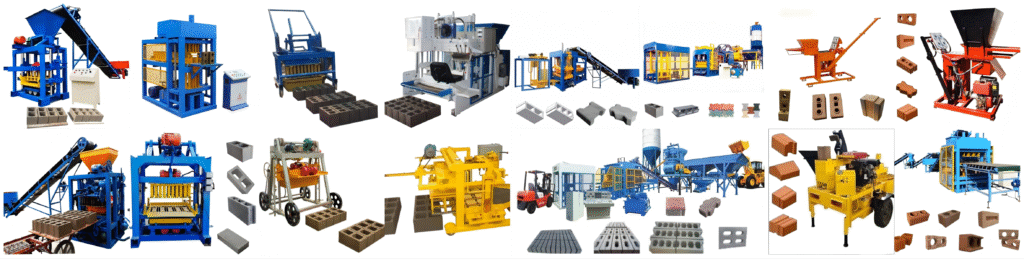
Ang mga sistema ng paggawa ng ladrilyo ay inuuri batay sa kanilang pamamaraan ng pagpapatakbo at antas ng awtomasyon, na bawat isa ay nagsisilbi sa isang natatanging bahagi ng merkado.
- Ganap na Pinagsamang mga Linya ng Produksyon:Ang mga ito ang pinakamataas na maninila sa pagmamanupaktura ng ladrilyo, dinisenyo para sa malawakan at tuloy-tuloy na produksyon. Katangian nila ang isang walang patid, saradong proseso kung saan ang pagpasok ng hilaw na materyales, paghahalo, paghubog, pagpapatibay, at pag-aayos sa mga palyete ay magkakaugnay at pinamamahalaan ng isang sentral na kompyuterisadong sistema ng kontrol. Ang pakikialam ng tao ay pangunahing limitado sa pagmamanman, pagmementena, at pagpoprograma. Ang mga linyang ito ang pinakamainam na pagpipilian para sa pagtustos ng malalaking proyektong imprastruktura, pambansang mga tagapamahagi, at mga pamilihan kung saan ang dami at tuluy-tuloy na kalidad ay hindi maikakaila.
- Mga Yunit ng Produksiyon na Nakatuon sa IkotAng kategoryang ito ay kumakatawan sa isang matatag na gitnang lupa, na nag-aalok ng mataas na awtomasyon sa pangunahing proseso ng pagpiga habang nangangailangan ng manwal na tulong para sa mga gawaing nasa paligid. Ang makina mismo ay awtomatikong nagsasagawa ng mga siklo ng pagpindot at paghubog, ngunit maaaring kailanganin ang mga operator upang magpakain ng hilaw na materyal sa hopper o maglipat ng mga sariwang molde na brick sa lugar ng pagpapatigas. Ang pagsasaayos na ito ay nagbibigay ng napakahusay na balanse, na nag-aalok ng mataas na kapasidad sa produksyon at pambihirang pagkakapare-pareho ng kalidad sa isang pamumuhunan ng kapital na mas mababa nang malaki kaysa sa isang ganap na integradong linya, na ginagawa itong perpekto para sa mga lumalagong negosyo at mga rehiyonal na supplier.
- Sistemang Manual ng Pagpiga:Ang mga ito ang pinaka-aksesible at maraming gamit na mga yunit, kadalasang kilala sa kanilang pagiging madaling dalhin at pagiging simple. Ang operasyon ay pangunahing manwal: ang isang operator ay naglalagay ng materyal sa kahon ng hulma, gumagamit ng isang lever o maliit na haydrolik na bomba para mag-aplay ng presyon, at pagkatapos ay direktang inilalabas ang nabuong brick sa lupa o sa isang pallet. Bagaman ang kanilang produksyon kada oras ay pinakamababa at umaasa sa lakas-paggawa, ang kanilang mababang halaga, minimal na pangangalaga, at kakayahang mailagay sa mismong lugar na may kaunting imprastraktura ay nagpapabisa sa kanila bilang isang makapangyarihang kasangkapan para sa maliliit na negosyante, mga proyektong nakabatay sa komunidad, at mga espesyalisadong mababa-ang-volum na produksyon.
1.3 Higit sa Output: Pagtatasa ng Mahahalagang Parameter ng Pagganap at Produkto
Para sa isang komersiyal na mamimili, ang pagtatasa ng isang makina ay higit pa sa mga espesipikasyon sa brochure nito. Kabilang dito ang isang holistic na pagtingin sa pagganap nito at sa kalidad ng produktong nagagawa nito.
- Kapasidad ng Output at Ritmo ng OperasyonAng bilang ng mga ladrilyo bawat oras ay dapat unawain sa konteksto ng buong siklo ng produksyon, kasama ang oras ng pagpapatigas. Ang tunay na kapasidad ng isang makina ay ang patuloy na output nito sa loob ng isang 8-oras o 24-oras na turno, hindi lamang ang pinakamataas na teoretikal na bilang.
- Katumpakan ng Dimensyon at Tapos na Kalidad ng IbabawAng katumpakan ng hulma at ang pagkakapare-pareho ng paglalapat ng presyon ay direktang nakakaapekto sa mga pagpapaubaya sa sukat at kalidad ng ibabaw ng ladrilyo. Ang mga de-kalidad na kagamitan ay gumagawa ng mga ladrilyong may matatalim na gilid, makinis na ibabaw, at magkakatulad na sukat, na nagpapadali sa paglalagay ng ladrilyo at nagbabawas sa paggamit ng mortar.
- Kakayahang Umangkop sa Pagbubuo ng Hilaw na Materyales:Ang isang malaking bentahe ng mga modernong sistema ay ang kanilang kakayahang gumana nang epektibo sa iba't ibang kombinasyon ng hilaw na materyales. Kabilang dito ang kakayahang isama ang mga by-product ng industriya tulad ng slag o fly ash, na maaaring magpababa sa gastos ng materyales at mapahusay ang environmental profile ng produkto.
- Tibay at Kakayahang Maglingkod ng Kagamitan:Ang kalidad ng pagkakagawa ng makina, ang uri ng bakal na ginamit sa balangkas at molde, at ang pagiging maaasahan ng mga sistema nito ng haydroliko at kontrol ang nagtatakda ng haba ng operasyon at kabuuang gastos ng pagmamay-ari. Ang madaling pag-access para sa pagmementina at ang malawak na pagkakaroon ng mga karaniwang piyesa ay mahahalagang konsiderasyon sa logistika.
1.4 Ang Makabayang Kaso sa Negosyo para sa Teknolohiyang Advanced na Pagmamanupaktura
Ang pamumuhunan sa isang modernong sistema ng paggawa ng ladrilyo ay isang estratehikong desisyon na nagdudulot ng maraming antas ng kompetitibong kalamangan.
- Walang Kapantas na Kahusayan at Kakayahang Mag-eskala sa Ekonomiya:Pinapalitan ng automation ang gastos sa bawat yunit ng produksyon sa pamamagitan ng pag-maximize ng output at pag-minimize ng direktang paggawa. Lumilikha ito ng isang scalable na modelo ng negosyo kung saan ang pagtaas ng dami ay hindi nangangailangan ng isang linear na pagtaas sa mga gastos sa operasyon, na nagdudulot ng mas mataas na mga margin ng kita.
- Garantisadong Pagkakapare-pareho ng Produkto at Pagsunod sa mga Pamantayan:Ang mga ladrilyong gawa ng makina ay magkakapareho. Ang pagkakaparehong ito ay napakahalaga para sa mga tagapagtayo, dahil tinitiyak nito ang maaasahang pagganap, pinapasimple ang mga proseso ng konstruksiyon, at ginagarantiyahan ang pagsunod sa pambansa at pandaigdigang mga kodigo sa pagtatayo, isang pangunahing punto ng bentaha para sa mapili na mga kliyente.
- Pagpapalakas sa Pamamagitan ng Pagpapalawak ng Produkto:Sa pamamagitan ng isang koleksyon ng mga mapapalitang hulma, ang isang puhunan ay maaaring magbunga ng magkakaibang katalogo ng produkto. Mabilis na makakapagpalit ang isang supplier mula sa paggawa ng karaniwang ladrilyo para sa konstruksiyon patungo sa dekoratibong mga paver, bloke para sa retaining wall, o mga espesyalisadong produktong pang-landscaping, na nagbibigay-daan sa kanila upang masakop ang maraming segmento ng merkado at mabilis na tumugon sa mga uso.
- Pagpapahusay ng mga Kredensyal sa PagpapanatiliAng kontroladong proseso ng produksyon ay makabuluhang nagbabawas ng basurang materyal kumpara sa mga tradisyonal na pamamaraan. Bukod dito, ang kakayahang gumamit ng mga recycled aggregates at mga karagdagang materyales na semento ay nagbibigay-daan sa mga negosyo na i-market ang isang mas "berdeng" produkto, na kaakit-akit sa lumalaking segment ng mga kontratista at developer na may kamalayang pangkapaligiran.
1.5 A Procurement Framework for Commercial Stakeholders
Navigating the procurement process requires a disciplined, strategic approach focused on long-term value.
- Conducting a Comprehensive Market and Feasibility Analysis: Before selecting a machine, one must have a deep understanding of the local demand—preferred brick types, quality expectations, and price sensitivity. The chosen technology must be a precise fit for this market reality.
- Performing a Rigorous Total Cost of Ownership (TCO) Analysis: The purchase price is just the initial outlay. A prudent buyer will model all ongoing costs: energy consumption, labor, preventive maintenance, spare parts, and the cost of capital. This TCO model provides a true picture of the investment’s profitability.
- Vetting the Equipment Provider’s Support Ecosystem: The machine’s value is heavily dependent on the supplier’s support. Key questions must be asked: What is their lead time for critical spare parts? Do they offer comprehensive operator training? Is technical support readily accessible? A machine without reliable support is a liability.
- Validating Machine Performance and Compliance: Insist on seeing the machine in operation, preferably under conditions similar to your own. Request certification of compliance with relevant international safety and performance standards. This due diligence mitigates risk and ensures the equipment is fit for its intended purpose.
Konklusyon
The technology behind brick manufacturing represents a mature yet continuously evolving field. For distributors and procurement experts, the selection of appropriate machinery is a cornerstone decision that directly impacts market relevance, operational efficiency, and long-term profitability. The spectrum of available systems—from highly automated production lines to versatile manual presses—ensures that there is a technological solution for every business model and market tier. Success in this arena is not merely about purchasing a machine; it is about strategically investing in a production capability that delivers consistent quality, enables product diversification, and builds a formidable reputation for reliability. In the competitive global construction supply chain, mastery over this technology is synonymous with a sustainable competitive edge.
Mga Madalas Itanong (FAQ)
Q1: How does the final product from an automated system differ from one produced by a manual machine?
A: While both can produce structurally sound bricks, the key differences lie in consistency and finish. Automated systems produce bricks with exceptional dimensional uniformity, consistent density, and superior surface finish across thousands of units. Manual machines, while capable, may exhibit slight variations in size, density, and texture from one brick to the next due to the inherent variability in human-operated processes.
Q2: What is the typical lead time from procurement to full operational deployment for a semi-automatic system?
A: Lead times can vary significantly based on the complexity of the system and the manufacturer’s schedule. Generally, for a semi-automatic unit, expect a period of 4 to 8 weeks for manufacturing and shipping. On-site installation, foundation preparation, and operator training can add an additional 1 to 3 weeks before the system is fully operational and producing saleable bricks.
Q3: Can these systems be customized to produce unique or proprietary brick designs?
A: Absolutely. The primary method for defining a brick’s shape is the mold. Reputable equipment providers often offer custom mold design and fabrication services. This allows clients to produce unique, patented brick designs, specialty shapes for architectural projects, or products tailored to specific regional preferences.
Q4: What are the most common maintenance requirements, and what is their typical frequency?
A: Regular maintenance is crucial for longevity. Common tasks include:
- Daily: Cleaning of the mold and hopper, visual inspection for leaks or wear.
- Weekly: Checking and tightening of bolts and nuts, inspecting hydraulic hoses.
- Monthly: Changing hydraulic oil filters, checking and calibrating pressure sensors.
- Annually: A comprehensive inspection of the hydraulic system, electrical components, and structural frame.
Q5: How critical is the quality of raw materials to the machine’s performance and output quality?
A: It is fundamentally critical. The machine is designed to process specific types and sizes of aggregates. Using poorly graded sand, contaminated materials, or an incorrect water-cement ratio can lead to production issues like mold sticking, poor compaction, and low-strength bricks. Consistent, high-quality raw materials are a prerequisite for achieving the machine’s advertised performance and product quality.
Q6: What are the primary power requirements for operating a medium-capacity automated unit?
A: Most medium-to-large industrial units require a three-phase electrical power supply, typically at 380V-440V, with a significant power draw (e.g., 20-50 kW depending on the model). It is essential to have a stable power source and the necessary electrical infrastructure in place. Some systems can also be configured with optional diesel power units for locations with unreliable grid electricity.
根据laying brick machine这个标题帮我写一篇文章,用英语,介绍,正文,结论,FAQ,正文要在1500个单词以上, 介绍,正文,结论,faq 不能出现别的品牌词,受众群体是经销商,分销商,采购商等,用英文,一级标题,二级标题,三级标题等格式要正确,文章所有内容要和之前的写出来的文章不一样,我给出的标题就不用在开头写了。
Ang Komprehensibong Gabay sa Paggamit ng Makina sa Paglalagay ng Bricks: Pagpapalakas ng Maliliit na Negosyo sa Konstruksiyon
Panimula sa Teknolohiya ng Paggawa ng Mobile Brick
In the evolving landscape of global construction, accessibility and operational flexibility have become as valuable as sheer production volume. Enter the laying brick machine, a category of equipment distinct from large-scale stationary plants, designed for on-site production and decentralized manufacturing models. This machinery, characterized by its portability and straightforward operation, represents a significant market opportunity for distributors targeting small to medium enterprises (SMEs), rural developers, and community-focused construction projects. This article provides an in-depth exploration of the laying brick machine, examining its unique operational mechanics, market applications, economic advantages, and the strategic considerations for dealers and procurement professionals. The focus remains exclusively on the technological and commercial aspects of this specific machine type, offering a fresh perspective for business-to-business stakeholders.
Isang Malalim na Pagsusuri sa Teknolohiya ng Makinang Paglalagay ng Bato (Brick Laying Machine)
1.1 Pangunahing Mekanismo ng Pagpapatakbo at Natatanging Katangian
Hindi tulad ng mga ganap na awtomatikong katapat nito, ang makina ng paglalagay ng ladrilyo ay gumagana sa prinsipyo ng lokal na produksyon, sunud-sunod. Ang natatanging katangian nito ay ang pagiging madaling ilipat; ang buong yunit ay maaaring madaling ilipat sa buong lugar ng trabaho o sa isang bagong lokasyon ng proyekto, kadalasan nang hindi nangangailangan ng pagkalas.
- Ang Proseso ng "Pagpapahid" Ipinaliwanag:Ang terminong "paglalagay" ay literal. Ang makina ay inilalagay sa pantay na lupa o isang handang kongkretong slab. Pinupuno ng operator ang hulmahan ng handang kongkretong timpla. Isang mekanikal na lever o isang kompaktong haydrolikong sistema ang ginagamit, na naglalapat ng malaking presyon upang pindutin ang materyal. Kapag nabuo na ang ladrilyo, ang makina ay itinataas o itinutulak papalayo, "naglalagay" ng sariwang hulmang hilaw na ladrilyo nang direkta sa lupa sa eksaktong lokasyon ng pagpapatigas nito. Inaalis nito ang pangangailangan para sa masalimuot na mga sistema ng conveyor o mga robot na nagpapaleta.
- Pinadaling Paghawak ng Materyales at Daloy ng Trabaho:Ang workflow ng produksyon ay tuwid at hindi kumplikado. Ang mga hilaw na materyales (semento, lupa, o buhangin) ay hinahalo sa isang sentral, kadalasang manwal, na pan mixer. Ang timpla ay saka inililipat sa lokasyon ng makina. Ang siklo ng paglalagay, pagpapatigas, at paglalatag ay paulit-ulit na isinasagawa, habang ang makina ay umuurong sa isang tuwid na linya, na nag-iiwan ng isang hanay ng mga tapos na ladrilyo sa likuran nito. Ang pamamaraang ito ay lubhang nagbabawas sa pangangailangan ng transportasyon ng mga ladrilyo bago ang pagpapatibay, na nagpapadali sa workflow sa mismong lugar.
- Mga Pangunahing Bahagi ng Disenyo:Ang arkitektura ng makina ay matatag ngunit simple. Karaniwan itong binubuo ng isang matibay na balangkas na yari sa bakal, isang de-kalidad na kahon ng hulma (kadalasang kayang gumawa ng maraming brick bawat ikot), isang mekanismo ng pagpapatigas (manwal, mekanikal, o haydroliko), at isang simpleng sistema ng paglabas. Ang disenyo ay nagbibigay-prioridad sa tibay at kadalian ng paggamit kaysa sa kumplikadong awtomasyon, na nagreresulta sa isang makina na may mahabang buhay ng operasyon at kaunting mga punto ng pagpapanatili.
1.2 Pagpoposisyon sa Merkado at mga Ideyal na Senaryo ng Paggamit
Ang makina para sa paglalagay ng ladrilyo ay sumasakop sa isang tiyak at mahalagang puwang sa ekosistema ng konstruksiyon, na tumutugon sa mga segment kung saan ang malalaking planta ay hindi praktikal o hindi magiging matipid.
- Ang Kampeon ng Konstruksiyon sa Kanayunan at Malalayong LugarSa mga lugar na may hindi maunlad na imprastraktura o limitadong access sa sentralisadong mga supplier ng ladrilyo, nagbibigay-daan ang makina na ito sa lokal na produksyon. Maaaring gumawa ang mga komunidad ng kanilang sariling materyales sa paggawa gamit ang lokal na lupa o buhangin, na nagpapalakas ng sariling kakayahan at lubhang nagpapababa sa mga gastos sa transportasyon.
- The Engine of Small-Scale Entrepreneurial Ventures: For individual entrepreneurs, the low capital investment required for a laying brick machine presents a compelling business opportunity. An individual can establish a small brick-making yard, producing bricks on demand for local homebuilders, fencing projects, and small commercial structures, creating a sustainable micro-enterprise.
- The Solution for On-Demand, On-Site Production: For construction projects where the exact number of bricks is uncertain or where just-in-time production is beneficial, this machine is ideal. It allows contractors to produce bricks directly on the construction site, ensuring a perfect match of brick batches for a single project and eliminating material waste and storage issues.
- Specialized Applications and Disaster Relief: Its portability makes it suitable for producing specialized bricks for landscaping, garden pathways, and small-scale infrastructure. Furthermore, in post-disaster reconstruction scenarios, these machines can be rapidly deployed to produce building materials locally, accelerating recovery efforts.
1.3 Strategic Advantages for Distributors and End-Users
The commercial appeal of the laying brick machine is built on a foundation of low barriers to entry and high operational flexibility.
- Minimal Initial Capital Outlay: This is the most significant advantage. The cost of a single laying brick machine is a fraction of that of a semi- or fully-automatic system, making it an accessible product for a vast segment of the market. For distributors, this means a larger potential customer base and faster sales cycles.
- Unmatched Operational Flexibility and Low Overhead: The machine does not require a dedicated factory shed or a permanent concrete foundation. It can operate in open spaces, requiring only a source of raw materials and a few square meters of level ground. This results in extremely low setup and overhead costs for the end-user.
- Reduced Reliance on Complex Logistics and Energy Grids: Since production is decentralized and the bricks are cured in place, the complex logistics of transporting fragile green bricks are eliminated. Furthermore, most models are entirely mechanical or use low-power hydraulics, making them suitable for operation in areas with unreliable or no electricity.
- Robust Construction and Ease of Maintenance: With fewer moving parts and no sophisticated electronics, these machines are inherently durable. Maintenance is straightforward, often requiring only basic tools and mechanical knowledge. This translates to high machine uptime, customer satisfaction, and a lower burden on the distributor’s after-sales service network.
1.4 Critical Technical and Commercial Evaluation Parameters
For a distributor or procurement manager, assessing the quality and suitability of a laying brick machine requires a focused set of criteria.
- Production Output and Cycle Time: Output is measured in bricks per day rather than per hour. A critical metric is the cycle time—how long it takes to produce one batch of bricks (e.g., 3-5 bricks) and reposition the machine. A faster cycle time directly increases daily yield.
- Build Quality and Material Specifications: The quality of the steel used in the frame and mold determines the machine’s longevity. The hardness and precision of the mold liners are crucial for producing bricks with consistent dimensions and smooth surfaces. A robust vibration system (if present) ensures proper compaction.
- Versatility in Product Output: Many modern laying-type machines come with interchangeable molds. A single base unit can potentially produce solid blocks, hollow blocks, and paving stones. This versatility increases the value proposition for the end-user, allowing them to serve diverse customer needs.
- Ergonomics and Operator Safety: The design should prioritize operator safety and ease of use. Features like ergonomic lever handles, safety guards on moving parts, and a design that minimizes strenuous lifting are important differentiators that reduce the risk of workplace injury and operator fatigue.
Konklusyon
The laying brick machine is a testament to the principle that appropriate technology can be as transformative as high-tech solutions. It democratizes the production of construction materials, placing the capability to manufacture bricks directly into the hands of small entrepreneurs, rural communities, and pragmatic contractors. For distributors and B2B stakeholders, this segment represents a dynamic and resilient market less susceptible to the economic fluctuations that can affect large-scale industrial projects. By understanding the unique operational logic, target applications, and commercial drivers of the laying brick machine, businesses can effectively cultivate a valuable and growing customer base, providing them with the tools to build not just structures, but sustainable local economies.
Mga Madalas Itanong (FAQ)
Q1: What is the primary difference between a “laying” machine and a “stationary” block making machine?
A: The core difference lies in mobility and brick handling. A laying machine is mobile, compacting and then ejecting bricks directly onto the ground for curing. A stationary machine is fixed in place, requiring a system to transport the freshly molded (green) bricks to a separate curing area, often involving pallets, racks, or conveyor belts.
Q2: What is the typical production output a single operator can achieve with a manual laying machine?
A: Output is highly dependent on the operator’s efficiency and the machine’s cycle time. A skilled operator using a manual machine producing 3-4 bricks per cycle can typically manufacture between 500 and 1,000 bricks in an 8-hour workday. Hydraulically-assisted models can increase this output.
Q3: Are the bricks produced by these machines of sufficient quality for permanent residential construction?
A: Yes, provided the correct raw material mix and compaction pressure are used. The bricks must be properly cured, typically by keeping them moist and covered for a minimum of 7-14 days. It is recommended that sample bricks be tested for compressive strength at a local laboratory to ensure they meet regional building standards.
Q4: What kind of raw material mix is required for optimal performance?
A: These machines are versatile but work best with a semi-dry concrete mix. A common ratio is 1 part cement to 6-8 parts of a well-graded aggregate (such as a mix of sand and fine gravel). The mixture must have just enough moisture to hold its shape when compacted but not be wet or sloppy.
Q5: What does the typical after-sales support package for this category of machine include?
A: A comprehensive support package should include detailed operational manuals, a set of basic tools, and a starter kit of critical wear parts (like replacement mold liners or seals for hydraulic models). Additionally, suppliers should offer remote troubleshooting support and ready access to a catalog of spare parts.
Q6: Can these machines be easily exported and used in different international markets?
A: Absolutely. Their simple design, lack of dependency on specific voltage standards, and robust construction make them ideal for export. The main considerations are ensuring the accompanying documentation is in the local language and that the distributor has a clear understanding of the local demand for specific brick sizes and types to supply the correct molds.
根据adobe brick machine这个标题帮我写一篇文章,用英语,介绍,正文,结论,FAQ,正文要在1500个单词以上, 介绍,正文,结论,faq 不能出现别的品牌词,受众群体是经销商,分销商,采购商等,用英文,一级标题,二级标题,三级标题等格式要正确,文章所有内容要和之前的写出来的文章不一样,我给出的标题就不用在开头写了。
An In-Depth Exploration of Adobe Brick Manufacturing Technology
Introduction to Modern Earthen Construction Systems
The resurgence of interest in sustainable, eco-friendly, and thermally efficient building materials has brought adobe brick back into the spotlight of contemporary construction. Unlike conventional cement bricks, adobe utilizes a ancient yet effective formula of earth, clay, sand, and organic stabilizers, modernized through mechanized production. This article provides a comprehensive analysis of the adobe brick machine, a specialized apparatus designed to transform raw earth into standardized, high-quality building blocks. For distributors, dealers, and bulk purchasers, this technology represents an opportunity to access the growing green building market. We will examine the machine’s operational principles, its place in the modern construction supply chain, the distinct advantages of compressed earth blocks, and the critical commercial factors for successful market penetration, all presented from a strictly non-proprietary, technological standpoint.
Comprehensive Technical and Commercial Analysis of Adobe Brick Machinery
1.1 The Science and Process of Mechanized Adobe Production
The modern adobe brick machine elevates a traditional manual process to an industrial level, ensuring consistency, strength, and efficiency while maintaining the core ecological benefits of the material.
- Material Science and Soil Selection: The fundamental requirement for successful adobe production is appropriate soil. The ideal mix contains a balanced proportion of clay (which acts as the binder), sand (which provides skeletal strength and reduces shrinkage), and silt. Many machines are equipped with integrated soil screening mechanisms to remove oversized aggregates and organic matter. Stabilizers, such as a small percentage of cement or natural binders like plant fibers, can be added to the mix to enhance durability and water resistance.
- The Hydro-Mechanical Compaction Process: The core of the machine’s function is the application of high-pressure compaction to a precisely measured volume of moistened earth. The mixture must have optimal moisture content—typically between 10-15%—to allow for proper particle lubrication and cohesion under pressure. Using a hydraulic ram or a mechanical press, the machine exerts immense force, measured in tons, to densify the material. This process aligns the clay particles, eliminates air pockets, and creates a strong inter-particle bond, resulting in a “semi-stabilized” or “stabilized” brick straight from the mold.
- Distinctive Curing and Final Processing: Unlike cement bricks that require hydration-based curing, freshly extruded adobe bricks are very fragile and must be handled with care. They are typically ejected onto pallets or a leveled, shaded curing area. The curing process for adobe is primarily air-drying, which can take several weeks depending on climatic conditions. The bricks must be protected from rain and direct sunlight initially to prevent cracking from rapid drying. This low-energy curing process is a significant contributor to the material’s low embodied energy.
1.2 Classification of Machinery by Output and Automation
Adobe brick machines are categorized not just by automation, but also by their production methodology and the resulting brick quality.
- Mga Makina ng Manual na Pagpindot: These are the most accessible and widely used type, particularly in developing economies and for community-led projects. They are hand-operated, using a lever system to generate the necessary compaction force. While output is lower (typically 200-500 bricks per day), they are inexpensive, entirely off-grid, portable, and require minimal maintenance. They produce high-quality bricks suitable for a wide range of single-story constructions.
- Motorized Hydraulic Presses: This category represents a significant step up in production capacity and consistency. An electric or diesel motor powers a hydraulic pump, which delivers consistent, high-pressure compaction with minimal operator effort. These stationary machines can produce 800 to 2,000 bricks per day and often feature interchangeable molds for different brick sizes and profiles. They are ideal for small to medium-sized enterprises (SMEs) aiming to commercialize adobe bricks.
- Fully Integrated Adobe Production Systems: At the industrial end of the spectrum, these systems incorporate a soil crusher, rotary screen, mixer, and a high-pressure press into a single, continuous production line. Controlled by a programmable logic controller (PLC), they offer the highest output (3,000+ bricks daily) and unparalleled product uniformity. This level of investment is targeted at serious commercial producers supplying large-scale eco-resorts, housing developments, and institutional projects.
1.3 The Compelling Value Proposition of Mechanized Adobe Bricks
The end-product of these machines offers a unique set of benefits that align with modern architectural and environmental priorities.
- Superior Thermal Mass and Energy Efficiency: Adobe bricks have a high thermal mass, meaning they absorb heat during the day and release it slowly at night. This natural temperature regulation significantly reduces the need for mechanical heating and cooling, leading to substantial energy savings over the building’s lifetime—a powerful selling point.
- Exceptional Environmental Credentials and Low Embodied Energy: The primary raw material is earth, often sourced on-site or locally, drastically reducing transportation emissions. The production process consumes a fraction of the energy required for fired bricks or cement blocks, and it generates virtually no industrial waste. This positions adobe as a leading material in green building certification programs.
- Natural Humidity Regulation and Fire Resistance: The porous nature of adobe allows it to absorb and release moisture from the air, helping to maintain healthy indoor humidity levels. Furthermore, being made of earth, the bricks are completely non-combustible and provide excellent fire resistance, enhancing building safety.
- Cultural Aesthetics and Market Appeal: The distinct, earthy appearance of adobe bricks carries a unique aesthetic appeal, often associated with biophilic design and vernacular architecture. This appeals to a niche market of homeowners, architects, and developers looking for projects with character and a natural feel.
1.4 Strategic Market Analysis and Deployment Scenarios
Understanding where and how this technology fits into the global construction market is key for distributors.
- Targeting the Green Building and Eco-Tourism Sectors: The most natural market is the rapidly growing green construction industry. This includes builders and developers specializing in sustainable homes, eco-lodges, wellness retreats, and educational centers seeking LEED or similar certifications.
- Addressing Affordable Housing and Self-Build Initiatives: Governments and NGOs involved in affordable housing are increasingly turning to earth-based construction for its low cost and job creation potential. Distributors can partner with such organizations to supply technology for large-scale social housing projects.
- Disaster-Resilient Reconstruction: When stabilized with cement, compressed earth blocks can meet high structural standards. Their availability and low cost make them a viable solution for rebuilding communities after natural disasters, offering a dignified and sustainable alternative to temporary shelters.
- Niche Architectural and Landscape Design: There is a growing demand from architects and landscape designers for adobe bricks for feature walls, garden landscaping, and interior design elements, representing a high-margin, low-volume market segment.
1.5 A Procurement and Distribution Framework
For commercial stakeholders, several factors are critical for successful market entry and operations.
- Conducting Local Material Suitability Analysis: A crucial first step is to test local soils for their suitability. Distributors should partner with or have access to soil testing labs to provide this service to potential clients, de-risking their investment.
- Analyzing the Total Cost of Ownership and ROI: The business case must include not only the machine’s price but also costs for site preparation, power, labor, and raw material processing. The return on investment is often driven by the low cost of materials and the premium value of the final product in certain markets.
- Building a Robust Technical Support and Spare Parts Network: Given that this technology can be deployed in remote areas, having a reliable supply chain for spare parts—especially for hydraulic seals and mold components—is essential. Providing comprehensive operator training programs will minimize downtime and build customer loyalty.
- Navigating Building Codes and Standards: A significant part of market development involves educating local building authorities and engineers about the structural and durability standards that modern, stabilized adobe bricks can meet. Providing technical data and certification from international bodies can facilitate this process.
Konklusyon
The adobe brick machine is far more than a piece of manufacturing equipment; it is a gateway to a sustainable, cost-effective, and culturally resonant building paradigm. It effectively bridges the gap between timeless traditional wisdom and modern industrial efficiency. For forward-thinking distributors and procurement specialists, this technology offers a strategic opportunity to diversify their portfolio and lead in the burgeoning eco-construction market. Success hinges not just on selling a machine, but on selling a complete system—including expertise in soil science, production methodology, and market development—that empowers clients to build a more sustainable future, one brick at a time.
Mga Madalas Itanong (FAQ)
Q1: How does the durability and water resistance of machine-made adobe compare to traditional sun-dried bricks?
A: Machine-made, compressed adobe bricks are significantly more durable. The high-pressure compaction creates a far denser matrix with lower porosity, leading to higher compressive strength and better resistance to erosion. When chemically stabilized (e.g., with 5-8% cement), their resistance to water penetration is greatly enhanced, making them suitable for use in a wider range of climates.
Q2: What is the typical learning curve for operators to produce consistent, high-quality bricks?
A: The learning curve is generally short. For manual presses, basic proficiency can be achieved in a few days. Mastering the optimal moisture content and fill level for maximum density and consistency may take a few weeks of practice. For hydraulic and automated machines, operator training focuses more on machine operation, maintenance, and troubleshooting, which can be accomplished in a structured one- to two-week training program.
Q3: Can these machines use soil directly from the excavation site, or does it require processing?
A: While the ideal scenario is to use on-site soil, it almost always requires some processing. The soil must first be tested for its clay-sand-silt ratio. It then typically needs to be dried, crushed to break up clods, and screened to remove stones and organic debris. Most production setups include a crusher and a rotary or vibratory screen as essential auxiliary equipment.
Q4: What are the primary maintenance requirements for a hydraulic adobe press?
A: Maintenance is relatively straightforward but crucial. Key tasks include:
- Daily: Cleaning the mold and hopper, checking for hydraulic fluid leaks.
- Weekly: Inspecting hydraulic hoses and connections, checking fluid levels.
- Monthly: Cleaning or replacing hydraulic oil filters, inspecting the electrical system.
- Annually: Replacing the hydraulic oil and conducting a comprehensive inspection of the press cylinder and seals.
Q5: How does the cost of producing a machine-made adobe brick compare to a conventional fired clay brick?
A: The production cost is generally 20-40% lower. The primary savings come from the elimination of the energy-intensive firing process (kiln fuel) and the use of low-cost, locally available raw materials. The main costs in adobe production are labor, stabilizer (if used), and machine depreciation.
Q6: Are there limitations on the architectural designs that can be achieved with adobe bricks?
A: While adobe construction is well-suited for load-bearing wall systems with straightforward geometries, modern engineering allows for significant design flexibility. Incorporating reinforced concrete bond beams and lintels enables the creation of larger openings and complex shapes. However, extremely intricate curvatures or very tall, slender structures are better suited to other building systems.