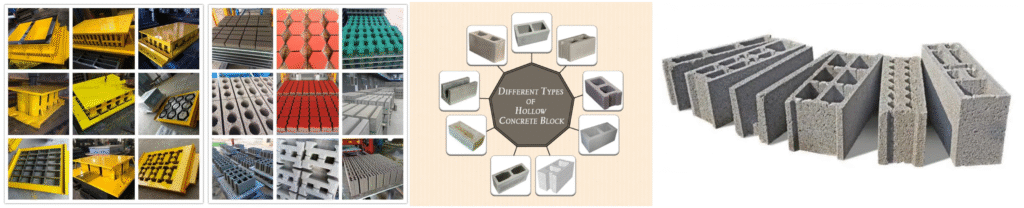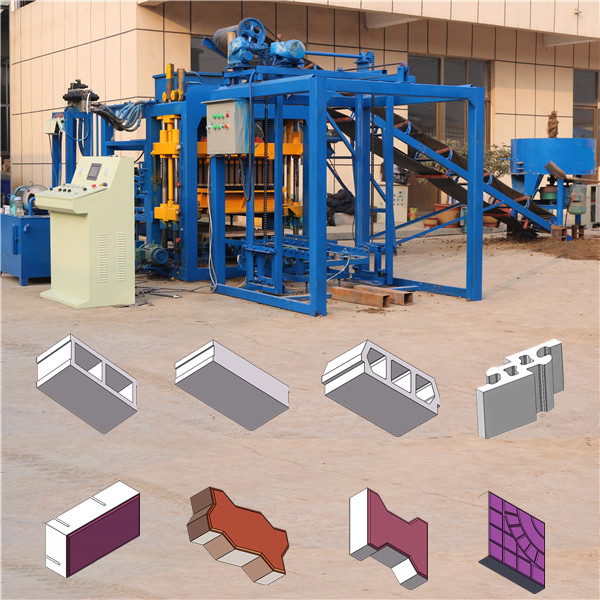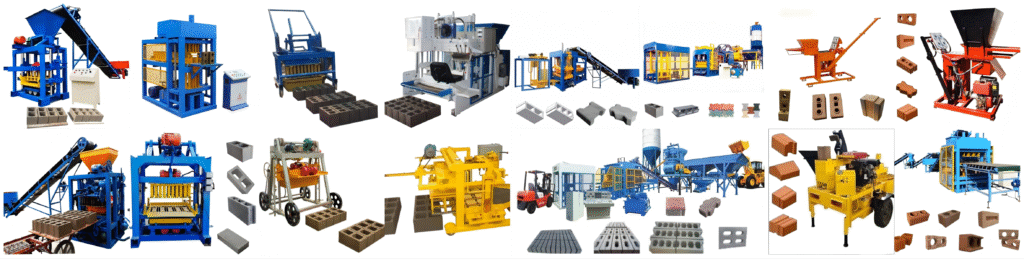
Sector aedificiorum globalis perpetuo impellitur postulatione materiarum aedificandarum fidelium, efficientium et parvi pretii. In hac industria centrum est laterculus humilis, elementum fundamentale cuius ratio productionis machinis provectis renovata est. Distributoribus, negotiatoribus, peritisque parandis, comprehendere subtilitates huius instrumenti non solum exercitatio technica est sed etiam imperativum negotiale criticum.
Examen Diligens Systematum Lateris Fabricandi
1.1 Processus Fundamentalis Fabricationis: A Materia Prima ad Productum Perfectum
Operatio systematis fabricandi lateres symphonia est artis machinalis et scientiae materialis praecisionis. Materias primas simplices in unitates constructionis normatas et magnae firmitatis per processum subtiliter ordinatum transformat.
- Praecisa Materiae Praeparatio et Homogenizatio.Iter incipit cum diligenti delectu et proportione materiarum rudium. Mixtura primaria plerumque constat caemento, variis congeriebus (ut harena, pulvis lapidis, vel cinis volaticus), et aqua. Ratio harum partium summae momenti est, quae vim, texturam, et firmitatem producti ultimi decernit. In systematibus provectis, automatizata pondera ministrantia constantiam inter massas praestant. Processus miscendi non solum de componendis elementis est, sed de assequenda consistentia homogenea semi-sicca, ubi omnis particula caementi uniformiter congerie obtegitur, et umor aequaliter distribuitur. Haec homogeneitas primus et gravissimus gradus est ad laterem cum constantibus proprietatibus structuralibus producendum.
- Momentum Criticum Implendi et Densificandi FormaeMixtura parata deinde in cavitatem formae transfertur. Huius formae designatio et praecisio figuram ultimam lateris definiunt, sive sit standard massa rectangularis, sive designatio cavi medii ad insulationem, sive lapis pavimentarius intricate insignitus. In instrumentis excultis, mechanismus implendi aequam materiae distributionem per totam formam praestat, ne densitas inconstans sit. Post implendum, systema ingentem pressionem mechanicam vel hydraulicam applicat. Haec actio non est mera compressio; est processus densificationis qui aerem inclusum vi expellit, materiam particulatam ordinat, et processum initialem coniunctionis incipit, efficiens laterem "viridem" cum sufficienti integritate ut tractari possit.
- Curatio ad Vim Ultimam Excolendam et Processum Finalem Perficiendum:E forma eiectus, later crudus figuram habet sed non plenam firmitatem. Per curationem vires suas structurae acquirit. Hoc duobus praecipuis modis effici potest. Primus est curatio statica, ubi lateres congeruntur et operiuntur linteis curationis vel in cubiculo locantur ubi temperatura et umor moderatae per certum tempus servantur, ut cementi hydratio completa fiat. Secundus, in nonnullis systematis alti output adhibitus, est curatio vaporis in autoclavis, quae firmitatis accessionem insigniter accelerat. Post curationem, unitates induratae automatice digeruntur, numerantur, et in paletas componuntur bracchiis roboticis vel systematibus per vectores, paratae ad involvendum, reponendum, et transportandum.
1.2 Taxonomia Systematum Productionis: Technologia ad Necessitatem Mercatus Accommodanda
Systemata laterum producendi secundum rationem operandi et gradum automationis digeruntur, quae singula certum mercatus segmentum deserviunt.
- Lineae Productionis Plene Integratae:Hi sunt summae praedatores in fabricandis lateribus, ad ingentem et continuam productionem destinati. Proprium est eis continuum et clausum processum, ubi materia cruda iniecta, mixtio, formatio, duratio, et in paletas conpositio omnia inter se conexa sunt et a centrali computatrali moderantur systemate. Humana interventio praecipue ad vigilantiam, sustentationem, et programmationem limitatur. Hae lineae sunt optima electio ad supplenda magna infrastructurae opera, nationales distributores, et mercatus ubi moles et constans qualitas necessaria sunt.
- Cyclus Ordinatae Productionis Unitates:Haec categoria firmum medium repraesentat, altam automationem in nucleo compactionis praebens, dum adiutorium manuale in operibus marginalibus requirit. Ipsa machina prementem et formantem cyclos automatice exsequitur, sed operarii ad materiam rudem in infundibulum immittendam vel lateres recens formatos ad locum curationis transferendos requiruntur. Haec configuratio eximium aequilibrium praebet, altam productionis capacitatem et insignem qualitatis constantiam praestans, cum capitali impensa multo minore quam linea plene integrata, id quod idoneum est negotiis crescentibus et supplieribus regionalibus.
- Systemata Compressionis Manualis:Hae sunt unitates maxime accessibiles et versatiles, saepe portabilitate et simplicitate notatae. Operatio fundamentaliter manualis est: operator formam implet, vectem vel parvam hydraulicam sentinam adhibet ad pressionem adhibendam, et tunc laterem formatum directe in solum vel in palettam dimittit. Cum horarium eorum effectum infimum sit et ab opere dependeat, tamen eorum humilis sumptus, minima curatio, et facultas in situ cum minima infrastructura collocandi, efficiunt eas instrumentum validum pro parvis entrepreneuribus, inceptis communitatis fundatis, et specialibus, humilis quantitatis productionibus.
1.3 Ultra Productionem: Clavium Operarum et Productorum Parametrorum Aestimatio
Emptori mercatori, aestimatio machinae ultra libelli notiones progreditur. Totam eius efficacitatem spectat qualitatemque producti quod efficit.
- Output Capacitas et Rhythmum Operandi:Numerus laterculorum per horam in contextu totius cycli productionis intellegendus est, tempore curationis incluso. Vera capacitas machinae est eius productio continua per vicem octo horarum aut viginti quattuor horarum, non solum numerus theoreticus maximus.
- Dimensio Accurata et Finis Superficialis:Praecisio formae et constantia pressionis adhibitae directe afficiunt tolerantias dimensionum et qualitatem superficiei lateris. Instrumenta summae qualitatis lateres producunt acutis marginibus, levibus superficiebus, et uniformibus dimensionibus, quae structuram laterum facilitant et usum caementi minuunt.
- Versatilitas in Materia Prima Formulatione:Praecipuum commodum systematum hodiernorum est facultas efficaciter operandi cum ampla varietate materiae primae mixturae. Hoc includit facultatem incorporandi per productos industriales ut scoria vel cinis volaticus, quae impensas materiae minuere et ambitum producti augere possunt.
- Firmitas et Usus Instrumenti:Qualitas machinae fabricatae, gradus ferri in compage et forma adhibiti, ac fides systematum hydraulicorum et moderatorum vitam operandi summamque possessionis impensam determinant. Facilis aditus ad curationem et late patens praebitio communium partium suppletoriarum consideratiunculas logisticas criticas efficiunt.
1.4 Rationes Strategicae Negotiorum pro Technologia Fabricationis Provectae
In systemate latericiorum moderno collocare pecuniam consilium est strategicum quod multas competitivae utilitatis partes confert.
- Incomparabilis Oeconomicorum Efficacia et ScalabilitasAutomatio per singulas productionis unitates impensas secat, effectum maximando et laborem directum minimando. Hoc exemplar negotii scalabile creat, ubi incrementum voluminis non requirit linearem auctum impensarum operationalium, quod ad superiores margines lucri ducit.
- Certificata Producti Constantia et Normarum ObservantiaLateres machinati sunt uniformes. Haec constantia aedificatoribus magni momenti est, quia praestat effectus praevidendos, rationes aedificandi simpliciores reddit, et normis aedificiorum nationalibus et internationalibus obtemperare confirmat, quod est argumentum venditionis praecipuum apud clientes iudicio praeditos.
- Potestas per Productorum Diversificationem:Cum bibliotheca formarum mutabilium, una pecunia varium catalogum productorum efficere potest. Supplicator celeriter a lateribus constructionis solitis ad pavimenta ornatoria, structuras murales sustinendas, vel producta topiaria specialia transire potest, ut plura mercatus segmenta capiat et ad inclinationes agiliter respondeat.
- Auctio Sustentabilitatis NotarumModeratus fabricandi processus materiae vastum insigniter minuit prae solitis rationibus. Praeterea, facultas utendi aggregatis recreatis et materiais cementitiis suppletoriis societatibus permittit ut "viridiorem" productum venundant, crescenti parti redemptorum et aedificatorum circumiectiis consciorum alliciendos.
1.5 Procurandi Compages Pro Partibus Commercialibus
Navigating the procurement process requires a disciplined, strategic approach focused on long-term value.
- Conducting a Comprehensive Market and Feasibility Analysis: Before selecting a machine, one must have a deep understanding of the local demand—preferred brick types, quality expectations, and price sensitivity. The chosen technology must be a precise fit for this market reality.
- Performing a Rigorous Total Cost of Ownership (TCO) Analysis: The purchase price is just the initial outlay. A prudent buyer will model all ongoing costs: energy consumption, labor, preventive maintenance, spare parts, and the cost of capital. This TCO model provides a true picture of the investment’s profitability.
- Vetting the Equipment Provider’s Support Ecosystem: The machine’s value is heavily dependent on the supplier’s support. Key questions must be asked: What is their lead time for critical spare parts? Do they offer comprehensive operator training? Is technical support readily accessible? A machine without reliable support is a liability.
- Validating Machine Performance and Compliance: Insist on seeing the machine in operation, preferably under conditions similar to your own. Request certification of compliance with relevant international safety and performance standards. This due diligence mitigates risk and ensures the equipment is fit for its intended purpose.
Conclusio.
The technology behind brick manufacturing represents a mature yet continuously evolving field. For distributors and procurement experts, the selection of appropriate machinery is a cornerstone decision that directly impacts market relevance, operational efficiency, and long-term profitability. The spectrum of available systems—from highly automated production lines to versatile manual presses—ensures that there is a technological solution for every business model and market tier. Success in this arena is not merely about purchasing a machine; it is about strategically investing in a production capability that delivers consistent quality, enables product diversification, and builds a formidable reputation for reliability. In the competitive global construction supply chain, mastery over this technology is synonymous with a sustainable competitive edge.
Interrogationes Saepius Petitae (ISP)
Q1: How does the final product from an automated system differ from one produced by a manual machine?
A: While both can produce structurally sound bricks, the key differences lie in consistency and finish. Automated systems produce bricks with exceptional dimensional uniformity, consistent density, and superior surface finish across thousands of units. Manual machines, while capable, may exhibit slight variations in size, density, and texture from one brick to the next due to the inherent variability in human-operated processes.
Q2: What is the typical lead time from procurement to full operational deployment for a semi-automatic system?
A: Lead times can vary significantly based on the complexity of the system and the manufacturer’s schedule. Generally, for a semi-automatic unit, expect a period of 4 to 8 weeks for manufacturing and shipping. On-site installation, foundation preparation, and operator training can add an additional 1 to 3 weeks before the system is fully operational and producing saleable bricks.
Q3: Can these systems be customized to produce unique or proprietary brick designs?
A: Absolutely. The primary method for defining a brick’s shape is the mold. Reputable equipment providers often offer custom mold design and fabrication services. This allows clients to produce unique, patented brick designs, specialty shapes for architectural projects, or products tailored to specific regional preferences.
Q4: What are the most common maintenance requirements, and what is their typical frequency?
A: Regular maintenance is crucial for longevity. Common tasks include:
- Daily: Cleaning of the mold and hopper, visual inspection for leaks or wear.
- Weekly: Checking and tightening of bolts and nuts, inspecting hydraulic hoses.
- Monthly: Changing hydraulic oil filters, checking and calibrating pressure sensors.
- Annually: A comprehensive inspection of the hydraulic system, electrical components, and structural frame.
Q5: How critical is the quality of raw materials to the machine’s performance and output quality?
A: It is fundamentally critical. The machine is designed to process specific types and sizes of aggregates. Using poorly graded sand, contaminated materials, or an incorrect water-cement ratio can lead to production issues like mold sticking, poor compaction, and low-strength bricks. Consistent, high-quality raw materials are a prerequisite for achieving the machine’s advertised performance and product quality.
Q6: What are the primary power requirements for operating a medium-capacity automated unit?
A: Most medium-to-large industrial units require a three-phase electrical power supply, typically at 380V-440V, with a significant power draw (e.g., 20-50 kW depending on the model). It is essential to have a stable power source and the necessary electrical infrastructure in place. Some systems can also be configured with optional diesel power units for locations with unreliable grid electricity.
根据laying brick machine这个标题帮我写一篇文章,用英语,介绍,正文,结论,FAQ,正文要在1500个单词以上, 介绍,正文,结论,faq 不能出现别的品牌词,受众群体是经销商,分销商,采购商等,用英文,一级标题,二级标题,三级标题等格式要正确,文章所有内容要和之前的写出来的文章不一样,我给出的标题就不用在开头写了。
Manualis Comprehensivus de Machinis Laterum Ponendis: Parvae Aedificationis Negotiationis Potestatem Augens
Introductio ad Technologiam Lateris Mobilis Fabricandi
In the evolving landscape of global construction, accessibility and operational flexibility have become as valuable as sheer production volume. Enter the laying brick machine, a category of equipment distinct from large-scale stationary plants, designed for on-site production and decentralized manufacturing models. This machinery, characterized by its portability and straightforward operation, represents a significant market opportunity for distributors targeting small to medium enterprises (SMEs), rural developers, and community-focused construction projects. This article provides an in-depth exploration of the laying brick machine, examining its unique operational mechanics, market applications, economic advantages, and the strategic considerations for dealers and procurement professionals. The focus remains exclusively on the technological and commercial aspects of this specific machine type, offering a fresh perspective for business-to-business stakeholders.
Profunda Analysis Technologiae Machinae Lateres Ponendi
1.1 Nucleus Operandi Ratio et Lineamenta Distinctiva
Dissimilis machinis plene automatizatis, machina laterum ponendorum in principio productionis localis et per partes operatur. Eius proprietas definitiva est mobilitas; totum instrumentum facile trans locum operis vel ad novum situm transferri potest, saepe sine resolutione necessaria.
- Processus "Depositionis" Explicatus:Vocabulum "deponendi" ad litteram est. Machina in solo aequato vel in basi calcis praeparata collocatur. Operator formam cubiculi mixtura calcis praeparata implet. Tum vectis mechanicus vel systema hydraulicum compactum adhibetur, pressionem magnam adhibens ut materia comprimatur. Ubi later formatus est, machina tollitur vel rotis movetur, "deponens" laterem recentem et viridem directe in solum in loco suo exacto curationis. Hoc eliminat necessitatem systematum complicatorum convehendi vel robotorum in palas disponendi.
- Materiae Tractatio et Operarum Cursus Simpliciores:Processus operandi linearis et simplex est. Materiae crudae (caementum, solum, vel harena) in mixtorio centrali, saepe manuali, commiscentur. Mixtura deinde ad locum machinae transportatur. Cyclus implendi, comprimendi, et sternendi iteratur, machina retro in linea recta movente, vestigium laterum perfectorum post se relinquente. Haec methodus necessitatem transportationis laterum ante curationem magnopere minuit, operandi rationem in situ expediens.
- Claves Partes Designandi:Machinae compages firma sed simplex est. Haec plerumque constat ex robusto ferro compage, forma capsa accurate fabricata (saepe plures lateres per cyclum efficiens), compactionis mechanismo (manuali, mechanico, vel hydraulico), et simplici eiectionis systemate. Consilium firmitatem et facilitatem usus praefert automationi implicatae, unde machina longaevam vitam operandi et minima officinae puncta habet.
1.2 Positio Mercatus et Scenaria Applicationis Idealis
Machina latericia ponendi peculiarem et vitalem locum in oecosystemate constructionis occupat, segmentis inserviens ubi amplae officinae inutiles vel iniquae sunt.
- Rusticorum et Remotorum Aedificiorum PropugnatorIn regionibus ubi infrastructura minus provecta est vel ad coctilibus centralibus parum accessus est, haec machina productionem localem efficit. Communitates sua ipsorum aedificia materiae ex solo vel harena loco petita fabricare possunt, quae sufficientiam ipsorum confirmat ac sumptus vecturae permagno minuit.
- Machina Parvarum Negotiorum InceptorumSingulis negotiatoribus, humile capitale collocatum quod machinae laterum struendorum requiritur, opportunitatem negotii persuasibilem praebet. Homo parvum laterum faciendorum areae constituere potest, latera pro tempore fabricans pro domesticis aedificatoribus localibus, munitionibus saepium, et structuris commercialibus parvis, micro-negotium sustentabile creans.
- Solutio ad Productionem Secundum Postulationem, In Situ.In operibus aedificandis ubi certus laterum numerus incertus est vel ubi productio iust-in-tempore utilis est, haec machina optima est. Permittit redemptoribus lateres directe in situ constructionis producere, certans ut laterum copiae uni operi perfecte congruant et materiae vastum ac problemata recondendi tollant.
- Applicationes Speciales et Sublevatio Calamitatum:Portabilitas eam idoneam facit ad lateres speciales producendos pro topiario, semitis hortensibus, et infrastructura minore. Praeterea, in condicionibus post calamitatem reficiendis, hae machinae celeriter disponi possunt ut materias aedificii localiter producant, conatus recuperationis accelerantes.
1.3 Praestantiae Strategicae Distributoribus et Usoribus Ultimis
Machinae lateres ponendi commercium in fundamento humilium aditum impedimentorum et altae operationis flexibilitatis aedificatur.
- Minimal Initial Capital Outlay: This is the most significant advantage. The cost of a single laying brick machine is a fraction of that of a semi- or fully-automatic system, making it an accessible product for a vast segment of the market. For distributors, this means a larger potential customer base and faster sales cycles.
- Unmatched Operational Flexibility and Low Overhead: The machine does not require a dedicated factory shed or a permanent concrete foundation. It can operate in open spaces, requiring only a source of raw materials and a few square meters of level ground. This results in extremely low setup and overhead costs for the end-user.
- Reduced Reliance on Complex Logistics and Energy Grids: Since production is decentralized and the bricks are cured in place, the complex logistics of transporting fragile green bricks are eliminated. Furthermore, most models are entirely mechanical or use low-power hydraulics, making them suitable for operation in areas with unreliable or no electricity.
- Robust Construction and Ease of Maintenance: With fewer moving parts and no sophisticated electronics, these machines are inherently durable. Maintenance is straightforward, often requiring only basic tools and mechanical knowledge. This translates to high machine uptime, customer satisfaction, and a lower burden on the distributor’s after-sales service network.
1.4 Critical Technical and Commercial Evaluation Parameters
For a distributor or procurement manager, assessing the quality and suitability of a laying brick machine requires a focused set of criteria.
- Production Output and Cycle Time: Output is measured in bricks per day rather than per hour. A critical metric is the cycle time—how long it takes to produce one batch of bricks (e.g., 3-5 bricks) and reposition the machine. A faster cycle time directly increases daily yield.
- Build Quality and Material Specifications: The quality of the steel used in the frame and mold determines the machine’s longevity. The hardness and precision of the mold liners are crucial for producing bricks with consistent dimensions and smooth surfaces. A robust vibration system (if present) ensures proper compaction.
- Versatility in Product Output: Many modern laying-type machines come with interchangeable molds. A single base unit can potentially produce solid blocks, hollow blocks, and paving stones. This versatility increases the value proposition for the end-user, allowing them to serve diverse customer needs.
- Ergonomics and Operator Safety: The design should prioritize operator safety and ease of use. Features like ergonomic lever handles, safety guards on moving parts, and a design that minimizes strenuous lifting are important differentiators that reduce the risk of workplace injury and operator fatigue.
Conclusio.
The laying brick machine is a testament to the principle that appropriate technology can be as transformative as high-tech solutions. It democratizes the production of construction materials, placing the capability to manufacture bricks directly into the hands of small entrepreneurs, rural communities, and pragmatic contractors. For distributors and B2B stakeholders, this segment represents a dynamic and resilient market less susceptible to the economic fluctuations that can affect large-scale industrial projects. By understanding the unique operational logic, target applications, and commercial drivers of the laying brick machine, businesses can effectively cultivate a valuable and growing customer base, providing them with the tools to build not just structures, but sustainable local economies.
Interrogationes Saepius Petitae (ISP)
Q1: What is the primary difference between a “laying” machine and a “stationary” block making machine?
A: The core difference lies in mobility and brick handling. A laying machine is mobile, compacting and then ejecting bricks directly onto the ground for curing. A stationary machine is fixed in place, requiring a system to transport the freshly molded (green) bricks to a separate curing area, often involving pallets, racks, or conveyor belts.
Q2: What is the typical production output a single operator can achieve with a manual laying machine?
A: Output is highly dependent on the operator’s efficiency and the machine’s cycle time. A skilled operator using a manual machine producing 3-4 bricks per cycle can typically manufacture between 500 and 1,000 bricks in an 8-hour workday. Hydraulically-assisted models can increase this output.
Q3: Are the bricks produced by these machines of sufficient quality for permanent residential construction?
A: Yes, provided the correct raw material mix and compaction pressure are used. The bricks must be properly cured, typically by keeping them moist and covered for a minimum of 7-14 days. It is recommended that sample bricks be tested for compressive strength at a local laboratory to ensure they meet regional building standards.
Q4: What kind of raw material mix is required for optimal performance?
A: These machines are versatile but work best with a semi-dry concrete mix. A common ratio is 1 part cement to 6-8 parts of a well-graded aggregate (such as a mix of sand and fine gravel). The mixture must have just enough moisture to hold its shape when compacted but not be wet or sloppy.
Q5: What does the typical after-sales support package for this category of machine include?
A: A comprehensive support package should include detailed operational manuals, a set of basic tools, and a starter kit of critical wear parts (like replacement mold liners or seals for hydraulic models). Additionally, suppliers should offer remote troubleshooting support and ready access to a catalog of spare parts.
Q6: Can these machines be easily exported and used in different international markets?
A: Absolutely. Their simple design, lack of dependency on specific voltage standards, and robust construction make them ideal for export. The main considerations are ensuring the accompanying documentation is in the local language and that the distributor has a clear understanding of the local demand for specific brick sizes and types to supply the correct molds.
根据adobe brick machine这个标题帮我写一篇文章,用英语,介绍,正文,结论,FAQ,正文要在1500个单词以上, 介绍,正文,结论,faq 不能出现别的品牌词,受众群体是经销商,分销商,采购商等,用英文,一级标题,二级标题,三级标题等格式要正确,文章所有内容要和之前的写出来的文章不一样,我给出的标题就不用在开头写了。
An In-Depth Exploration of Adobe Brick Manufacturing Technology
Introduction to Modern Earthen Construction Systems
The resurgence of interest in sustainable, eco-friendly, and thermally efficient building materials has brought adobe brick back into the spotlight of contemporary construction. Unlike conventional cement bricks, adobe utilizes a ancient yet effective formula of earth, clay, sand, and organic stabilizers, modernized through mechanized production. This article provides a comprehensive analysis of the adobe brick machine, a specialized apparatus designed to transform raw earth into standardized, high-quality building blocks. For distributors, dealers, and bulk purchasers, this technology represents an opportunity to access the growing green building market. We will examine the machine’s operational principles, its place in the modern construction supply chain, the distinct advantages of compressed earth blocks, and the critical commercial factors for successful market penetration, all presented from a strictly non-proprietary, technological standpoint.
Comprehensive Technical and Commercial Analysis of Adobe Brick Machinery
1.1 The Science and Process of Mechanized Adobe Production
The modern adobe brick machine elevates a traditional manual process to an industrial level, ensuring consistency, strength, and efficiency while maintaining the core ecological benefits of the material.
- Material Science and Soil Selection: The fundamental requirement for successful adobe production is appropriate soil. The ideal mix contains a balanced proportion of clay (which acts as the binder), sand (which provides skeletal strength and reduces shrinkage), and silt. Many machines are equipped with integrated soil screening mechanisms to remove oversized aggregates and organic matter. Stabilizers, such as a small percentage of cement or natural binders like plant fibers, can be added to the mix to enhance durability and water resistance.
- The Hydro-Mechanical Compaction Process: The core of the machine’s function is the application of high-pressure compaction to a precisely measured volume of moistened earth. The mixture must have optimal moisture content—typically between 10-15%—to allow for proper particle lubrication and cohesion under pressure. Using a hydraulic ram or a mechanical press, the machine exerts immense force, measured in tons, to densify the material. This process aligns the clay particles, eliminates air pockets, and creates a strong inter-particle bond, resulting in a “semi-stabilized” or “stabilized” brick straight from the mold.
- Distinctive Curing and Final Processing: Unlike cement bricks that require hydration-based curing, freshly extruded adobe bricks are very fragile and must be handled with care. They are typically ejected onto pallets or a leveled, shaded curing area. The curing process for adobe is primarily air-drying, which can take several weeks depending on climatic conditions. The bricks must be protected from rain and direct sunlight initially to prevent cracking from rapid drying. This low-energy curing process is a significant contributor to the material’s low embodied energy.
1.2 Classification of Machinery by Output and Automation
Adobe brick machines are categorized not just by automation, but also by their production methodology and the resulting brick quality.
- Machinae Manuales Pressoriae: These are the most accessible and widely used type, particularly in developing economies and for community-led projects. They are hand-operated, using a lever system to generate the necessary compaction force. While output is lower (typically 200-500 bricks per day), they are inexpensive, entirely off-grid, portable, and require minimal maintenance. They produce high-quality bricks suitable for a wide range of single-story constructions.
- Motorized Hydraulic Presses: This category represents a significant step up in production capacity and consistency. An electric or diesel motor powers a hydraulic pump, which delivers consistent, high-pressure compaction with minimal operator effort. These stationary machines can produce 800 to 2,000 bricks per day and often feature interchangeable molds for different brick sizes and profiles. They are ideal for small to medium-sized enterprises (SMEs) aiming to commercialize adobe bricks.
- Fully Integrated Adobe Production Systems: At the industrial end of the spectrum, these systems incorporate a soil crusher, rotary screen, mixer, and a high-pressure press into a single, continuous production line. Controlled by a programmable logic controller (PLC), they offer the highest output (3,000+ bricks daily) and unparalleled product uniformity. This level of investment is targeted at serious commercial producers supplying large-scale eco-resorts, housing developments, and institutional projects.
1.3 The Compelling Value Proposition of Mechanized Adobe Bricks
The end-product of these machines offers a unique set of benefits that align with modern architectural and environmental priorities.
- Superior Thermal Mass and Energy Efficiency: Adobe bricks have a high thermal mass, meaning they absorb heat during the day and release it slowly at night. This natural temperature regulation significantly reduces the need for mechanical heating and cooling, leading to substantial energy savings over the building’s lifetime—a powerful selling point.
- Exceptional Environmental Credentials and Low Embodied Energy: The primary raw material is earth, often sourced on-site or locally, drastically reducing transportation emissions. The production process consumes a fraction of the energy required for fired bricks or cement blocks, and it generates virtually no industrial waste. This positions adobe as a leading material in green building certification programs.
- Natural Humidity Regulation and Fire Resistance: The porous nature of adobe allows it to absorb and release moisture from the air, helping to maintain healthy indoor humidity levels. Furthermore, being made of earth, the bricks are completely non-combustible and provide excellent fire resistance, enhancing building safety.
- Cultural Aesthetics and Market Appeal: The distinct, earthy appearance of adobe bricks carries a unique aesthetic appeal, often associated with biophilic design and vernacular architecture. This appeals to a niche market of homeowners, architects, and developers looking for projects with character and a natural feel.
1.4 Strategic Market Analysis and Deployment Scenarios
Understanding where and how this technology fits into the global construction market is key for distributors.
- Targeting the Green Building and Eco-Tourism Sectors: The most natural market is the rapidly growing green construction industry. This includes builders and developers specializing in sustainable homes, eco-lodges, wellness retreats, and educational centers seeking LEED or similar certifications.
- Addressing Affordable Housing and Self-Build Initiatives: Governments and NGOs involved in affordable housing are increasingly turning to earth-based construction for its low cost and job creation potential. Distributors can partner with such organizations to supply technology for large-scale social housing projects.
- Disaster-Resilient Reconstruction: When stabilized with cement, compressed earth blocks can meet high structural standards. Their availability and low cost make them a viable solution for rebuilding communities after natural disasters, offering a dignified and sustainable alternative to temporary shelters.
- Niche Architectural and Landscape Design: There is a growing demand from architects and landscape designers for adobe bricks for feature walls, garden landscaping, and interior design elements, representing a high-margin, low-volume market segment.
1.5 A Procurement and Distribution Framework
For commercial stakeholders, several factors are critical for successful market entry and operations.
- Conducting Local Material Suitability Analysis: A crucial first step is to test local soils for their suitability. Distributors should partner with or have access to soil testing labs to provide this service to potential clients, de-risking their investment.
- Analyzing the Total Cost of Ownership and ROI: The business case must include not only the machine’s price but also costs for site preparation, power, labor, and raw material processing. The return on investment is often driven by the low cost of materials and the premium value of the final product in certain markets.
- Building a Robust Technical Support and Spare Parts Network: Given that this technology can be deployed in remote areas, having a reliable supply chain for spare parts—especially for hydraulic seals and mold components—is essential. Providing comprehensive operator training programs will minimize downtime and build customer loyalty.
- Navigating Building Codes and Standards: A significant part of market development involves educating local building authorities and engineers about the structural and durability standards that modern, stabilized adobe bricks can meet. Providing technical data and certification from international bodies can facilitate this process.
Conclusio.
The adobe brick machine is far more than a piece of manufacturing equipment; it is a gateway to a sustainable, cost-effective, and culturally resonant building paradigm. It effectively bridges the gap between timeless traditional wisdom and modern industrial efficiency. For forward-thinking distributors and procurement specialists, this technology offers a strategic opportunity to diversify their portfolio and lead in the burgeoning eco-construction market. Success hinges not just on selling a machine, but on selling a complete system—including expertise in soil science, production methodology, and market development—that empowers clients to build a more sustainable future, one brick at a time.
Interrogationes Saepius Petitae (ISP)
Q1: How does the durability and water resistance of machine-made adobe compare to traditional sun-dried bricks?
A: Machine-made, compressed adobe bricks are significantly more durable. The high-pressure compaction creates a far denser matrix with lower porosity, leading to higher compressive strength and better resistance to erosion. When chemically stabilized (e.g., with 5-8% cement), their resistance to water penetration is greatly enhanced, making them suitable for use in a wider range of climates.
Q2: What is the typical learning curve for operators to produce consistent, high-quality bricks?
A: The learning curve is generally short. For manual presses, basic proficiency can be achieved in a few days. Mastering the optimal moisture content and fill level for maximum density and consistency may take a few weeks of practice. For hydraulic and automated machines, operator training focuses more on machine operation, maintenance, and troubleshooting, which can be accomplished in a structured one- to two-week training program.
Q3: Can these machines use soil directly from the excavation site, or does it require processing?
A: While the ideal scenario is to use on-site soil, it almost always requires some processing. The soil must first be tested for its clay-sand-silt ratio. It then typically needs to be dried, crushed to break up clods, and screened to remove stones and organic debris. Most production setups include a crusher and a rotary or vibratory screen as essential auxiliary equipment.
Q4: What are the primary maintenance requirements for a hydraulic adobe press?
A: Maintenance is relatively straightforward but crucial. Key tasks include:
- Daily: Cleaning the mold and hopper, checking for hydraulic fluid leaks.
- Weekly: Inspecting hydraulic hoses and connections, checking fluid levels.
- Monthly: Cleaning or replacing hydraulic oil filters, inspecting the electrical system.
- Annually: Replacing the hydraulic oil and conducting a comprehensive inspection of the press cylinder and seals.
Q5: How does the cost of producing a machine-made adobe brick compare to a conventional fired clay brick?
A: The production cost is generally 20-40% lower. The primary savings come from the elimination of the energy-intensive firing process (kiln fuel) and the use of low-cost, locally available raw materials. The main costs in adobe production are labor, stabilizer (if used), and machine depreciation.
Q6: Are there limitations on the architectural designs that can be achieved with adobe bricks?
A: While adobe construction is well-suited for load-bearing wall systems with straightforward geometries, modern engineering allows for significant design flexibility. Incorporating reinforced concrete bond beams and lintels enables the creation of larger openings and complex shapes. However, extremely intricate curvatures or very tall, slender structures are better suited to other building systems.