
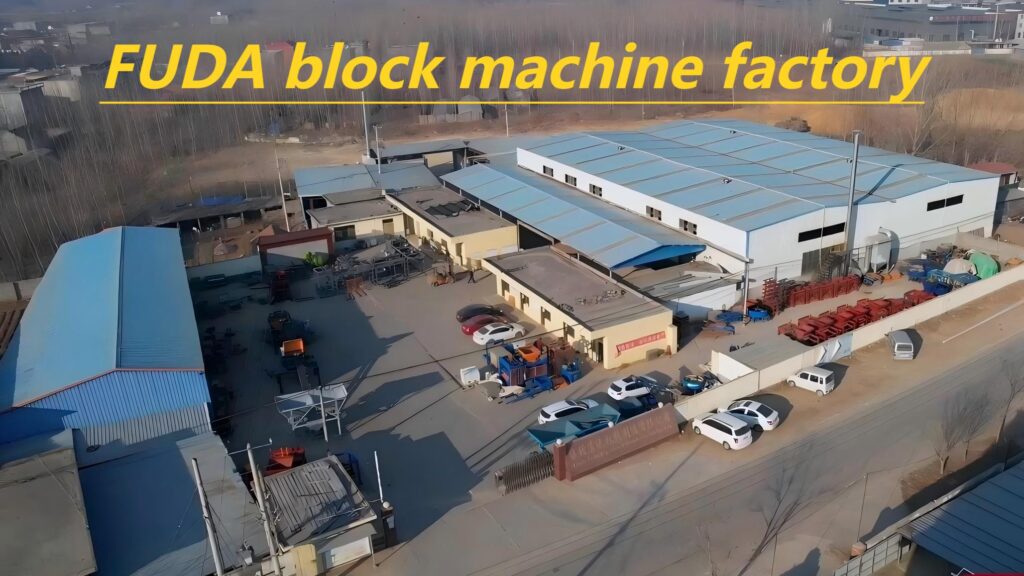
الهندسة المتقدمة وعمليات الإنتاج المتكاملة
يكمن أساس مورد الآلات الموثوق في التزامه بالتصنيع المتكامل والتطوير الهندسي المستمر. فقد تطورت المرافق الرائدة من ورش تجميع أساسية إلى مراكز إنتاج متطورة حيث يتصل التصميم والتصنيع ومراقبة الجودة بسلاسة.
- القدرات الداخلية للبحث والتطوير والنماذج الأوليةيميّز بين المصنّعين الذين يقتصرون على تقليد التصاميم الحالية وأولئك الذين يستثمرون في البحث والتطوير الحقيقي. فالمورد ذو الرؤية المستقبلية يحتفظ بقسم مخصص للبحث والتطوير يركز على الابتكار في مجالات مثل كفاءة الأنظمة الهيدروليكية، وميكانيكا الاهتزاز للدمج الأمثل، ودمج مبادئ الصناعة 4.0. إن القدرة على تطوير واختبار النماذج الأولية داخلياً تدل على التزام بتطوير المنتج وابتكار حلول مخصصة.
- البنية التحتية للتصنيع الدقيقتحدد جودة آلة صنع البلوك بدقة مكوناتها. تعمل الموردون من الطراز الأول في ورش عمل واسعة مجهزة بمراكز تشغيل بالتحكم الرقمي الحاسوبي (CNC)، وأنظمة القطع بالليزر، ومحطات اللحام الآلي. تضمن هذه البنية التحتية تصنيع المكونات الحرجة—من الهيكل الإنشائي إلى صناديق القوالب—بدقة على مستوى المايكرون، مما يضمن محاذاة مثالية، ومتانة، وجودة منتج متسقة للمستخدم النهائي.
- بروتوكولات ضمان الجودة الشاملة من البداية إلى النهاية:نظام إدارة الجودة القوي ليس مجالًا للمساومة. تبدأ هذه العملية بالمواد الخام المعتمدة وتمتد عبر كل مرحلة من مراحل الإنتاج. وهي تشمل عمليات التفتيش أثناء التشغيل، والفحص غير الإتلافي للحامات الحرجة، واختبار تجميع نهائي شامل. تقوم الموردون الأكثر سمعة بإجراء اختبارات أداء دورة كاملة باستخدام خليط خرساني فعلي، وإنتاج كتل عينة يتم بعد ذلك اختبارها لضمان الدقة الأبعاد وقوة الضغط، مما يوفر دليلاً قابلًا للتحقق على أداء الآلة.
عمق محفظة المنتجات وخبرة التخصيص
القدرة على خدمة الأسواق العالمية المتنوعة هي مؤشر رئيسي على مرونة المورد وقوته التقنية.
- مجموعة آلات الإنتاجيقدم مورد شامل مجموعة واسعة من الآلات، تتراوح من النماذج اليدوية وشبه الآلية للأسواق الناشئة أو المنتجات المتخصصة، إلى خطوط الإنتاج عالية الإنتاجية المؤتمتة بالكامل مع أنظمة التعامل الآلي للمصانع الصناعية الكبيرة. هذا النطاق يُمكّن الموزعين من معالجة قطاعات سوقية متعددة من خلال شريك واحد موثوق.
- التصميم المعياري والتخصيصبينما النماذج القياسية مهمة، فإن القدرة على التخصيص هي حيث يتم خلق قيمة كبيرة. يستخدم المصنع المتطور فلسفة تصميم نمطية. وهذا يسمح بالتخصيص الفعال، مثل تكوين الآلات لأحجام كتل محددة، أو مواد خام فريدة (مثل الرماد المتطاير، والخبث)، أو دمج أنظمة تدوير وعلاج منصات محددة، دون الحاجة إلى هندسة مكلفة بشكل باهظ من الصفر.
- المعدات المساعدة والداعمة:أكثر الشركاء قيمة يقدمون حلولاً شاملة وجاهزة للتشغيل. وهذا يشمل تزويد ليس فقط آلة تصنيع الطوب الأساسية، بل النظام البيئي الداعم بأكمله: محطات الخلط الآلية، وأنظمة الخلاطات، وآلات تكديس الطوب، ومعدات مناولة البالتات. هذا النهج المتكامل يضمن التوافق بين جميع المكونات ويبسط عملية الشراء للموزع والعميل النهائي.
القيمة الاستراتيجية المقترحة وديناميكيات الشراكة
المزايا الاقتصادية والقدرة التنافسية في السوق
التوريد من مركز تصنيع رائد يقدم حجة اقتصادية قوية، شريطة الحفاظ على الجودة.
- اقتصاديات التصنيع المواتيةالوصول إلى سلسلة توريد صناعية ناضجة لمكونات مثل الصلب والهيدروليك والإلكترونيات غالباً ما يؤدي إلى ميزة تكلفة كبيرة دون التضحية بالجودة بالضرورة. وهذا يمكن الموزعين من تقديم حلول عالية القيمة بأسعار تنافسية، مما يحسن هيكل هوامش ربحهم وقدرتهم التنافسية في السوق.
- القدرة على التوسع وقدرة الإنتاجتمتلك الشركات المصنعة الكبيرة مساحات أرضية إنتاجية وقوى عاملة قادرة على التعامل مع أحجام طلبات كبيرة واستيعاب الطلبات المفاجئة. هذا التوسع مهم للغاية للوسطاء الذين يقومون بتوسيع أعمالهم الخاصة أو الذين يحتاجون إلى تنفيذ مشاريع كبيرة وحساسة للوقت لعملائهم.
- Access to Innovation and Evolving Technology: Being plugged into a dense manufacturing ecosystem often means suppliers are rapidly aware of new technological trends and component availabilities. Partners who engage deeply with this ecosystem can gain early access to innovations in control systems, energy-efficient drives, and new material handling techniques.
Building a Collaborative Partnership Framework
The goal is to transition from a buyer-supplier relationship to a strategic alliance.
- Technical Support and Knowledge Transfer: The partnership must include a commitment to ongoing technical support. This encompasses detailed training for the distributor’s service engineers, access to comprehensive technical documentation (schematics, parts manuals, PLC code), and direct channels of communication with the factory’s engineering team for complex troubleshooting.
- Co-Branding and Market Development: For established distributors, exploring co-branding opportunities or collaborative marketing efforts can be beneficial. The manufacturer can act as a silent production partner while the distributor builds its brand equity in its local market, supported by a reliable and high-quality product.
- Long-Term Product Development Roadmaps: A truly strategic partner will share insights into their future product development plans. This allows distributors to anticipate new market offerings, plan their inventory and marketing strategies accordingly, and provide valuable feedback from the field to influence future machine designs.
Navigating Challenges and Implementing Rigorous Due Diligence
Mitigating Supply Chain and Operational Risks
A proactive approach to risk management is essential for a smooth and reliable supply chain.
- Logistics and Supply Chain Management: Navigating international shipping, customs clearance, and final delivery requires expertise. Distributors should seek suppliers with a proven track record of exporting globally, who can provide clear Incoterms and assist with logistics coordination to ensure machines arrive on schedule and in perfect condition.
- Intellectual Property and Quality Consistency: Protecting proprietary designs or customizations is a legitimate concern. Contracts must include clear IP protection clauses. Furthermore, maintaining consistent quality across production batches is critical. Regular factory audits, either in-person or virtual, and strict adherence to agreed-upon technical specifications are necessary to prevent quality drift over time.
- Cultural and Communication Bridges: Differences in language and business culture can lead to misunderstandings. Establishing clear communication protocols with a dedicated, multilingual account manager is vital. Utilizing collaborative online platforms for order tracking, document sharing, and issue resolution can streamline communication and create a transparent record.
The Comprehensive Supplier Evaluation Matrix
Selecting the right partner requires a multi-faceted due diligence process.
- Factory Audit and Physical Inspection: Whenever possible, a physical visit to the manufacturing facility is invaluable. It allows for a firsthand assessment of the production environment, quality control checks, and the company’s operational culture. Key areas to scrutinize include the organization of the production floor, the maintenance of machinery, and the storage and handling of components.
- Financial Stability and Business Longevity: Assessing the financial health of a potential partner is crucial. A financially stable company is more likely to honor warranties, invest in future R&D, and provide long-term support. This can often be verified through third-party business credit reports.
- Client References and Market Reputation: Requesting and contacting client references from similar markets or regions is a critical step. Inquire specifically about machine reliability, the supplier’s responsiveness to service requests, the accuracy of their documentation, and their adherence to delivery schedules. Independent verification of a supplier’s claims is a powerful risk mitigation tool.
خاتمة
Strategic sourcing from a specialized manufacturing hub for brick and block machinery is a complex but highly rewarding endeavor that can define a distributor’s trajectory for a decade or more. The decision transcends initial purchase price, encompassing a holistic evaluation of engineering capability, production quality, and the potential for a true strategic partnership. By conducting thorough due diligence, establishing clear communication channels and legal frameworks, and focusing on the total cost of ownership and long-term support, B2B professionals can unlock a powerful source of competitive advantage. The most successful partnerships are those built on a foundation of mutual respect, transparent communication, and a shared commitment to delivering exceptional value to the end-user. In an increasingly competitive global market, the depth and resilience of your manufacturing partnerships are not just an operational detail, but a core strategic asset.
الأسئلة الشائعة (FAQ)
Q1: What is the typical process for a factory audit, and what are the key red flags?
أ: A comprehensive audit involves reviewing production workflows, quality control records, and interviewing technical staff. Key red flags include: a disorganized or unclean workshop; a lack of calibrated measuring equipment; an inability to provide material certificates for steel or components; no formal process for final machine testing; and an unwillingness to share client references or allow visits to completed installations.
Q2: How are warranty and after-sales support typically handled from an international supplier?
أ: A standard warranty usually covers defects in materials and workmanship for a defined period, often 12 months. Support is typically provided remotely at first, via video calls and direct communication with engineers. For critical issues, the supplier is expected to dispatch an engineer, with costs negotiated as per the contract terms. The clarity of the warranty policy and the supplier’s promptness in responding to initial inquiries are strong indicators of their future support quality.
Q3: What are the standard payment terms, and how can we ensure financial security?
أ: Terms are often negotiated but commonly involve a deposit (e.g., 30-50%) with order confirmation, balance payment before shipment, or against copies of shipping documents. For large orders, a Letter of Credit (LC) is a common and secure instrument that protects both parties. It ensures payment is released to the supplier only after proof of shipment is provided.
Q4: Can suppliers provide machines that comply with specific international standards (e.g., CE, ISO)?
أ: Reputable and experienced suppliers often have models that are CE certified, indicating compliance with European health, safety, and environmental standards. They should be able to provide the necessary documentation and certification. For other specific national standards, this must be explicitly discussed during the negotiation phase, as it may require specific modifications and testing.
Q5: What is the lead time for a standard machine versus a fully customized production line?
أ: Lead times vary significantly. A standard model from a supplier’s existing product line may have a lead time of 4-8 weeks. A heavily customized machine or a complete turnkey plant requires detailed engineering, procurement of special components, and extended assembly time, leading to lead times of 4 to 6 months. A reliable supplier will provide a detailed production and delivery schedule upon order confirmation.
