
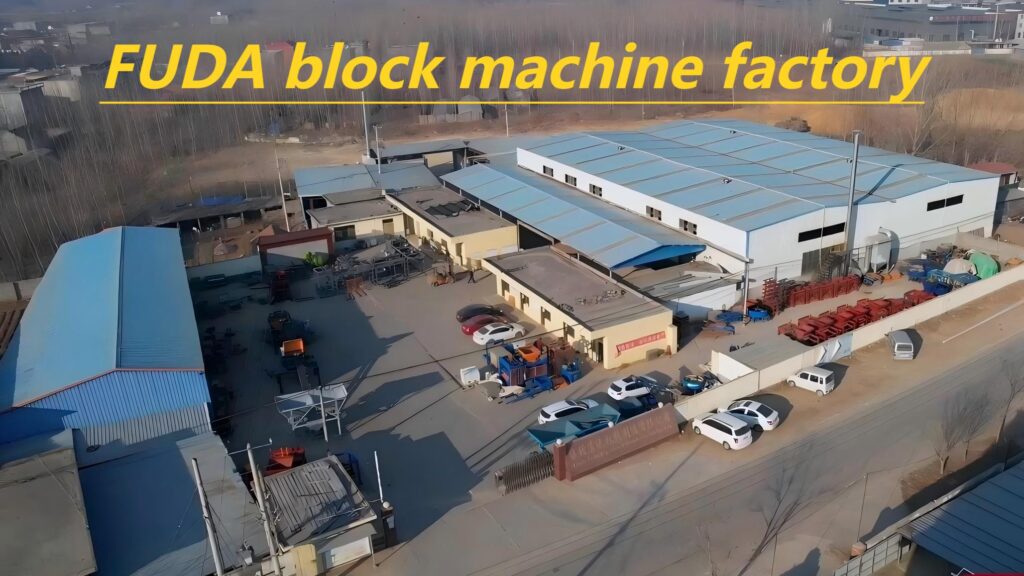
Передовые инженерные и интегрированные производственные процессы
Основой надежного поставщика машинного оборудования является его приверженность интегрированному производству и непрерывному инженерному развитию. Ведущие предприятия превратились из базовых сборочных цехов в современные производственные центры, где проектирование, изготовление и контроль качества неразрывно взаимосвязаны.
- Внутренние НИОКР и возможности прототипирования:Разграничьте производителей, которые просто копируют существующие конструкции, и тех, кто инвестирует в подлинные исследования и разработки. Перспективный поставщик имеет собственный отдел НИОКР, ориентированный на инновации в таких областях, как эффективность гидравлических систем, механика вибрации для оптимального уплотнения и внедрение принципов Индустрии 4.0. Способность самостоятельно разрабатывать и тестировать прототипы свидетельствует о приверженности эволюции продукции и созданию индивидуальных решений.
- Точное производство инфраструктуры:Качество машины для производства блоков определяется точностью её компонентов. Ведущие производители располагают обширными цехами, оснащёнными обрабатывающими центрами с ЧПУ, лазерными режущими системами и автоматизированными сварочными постами. Такая инфраструктура гарантирует, что ключевые компоненты — от несущей рамы до формовочных коробов — изготавливаются с микронной точностью, обеспечивая идеальную соосность, долговечность и стабильное качество продукции для конечного пользователя.
- Сквозные протоколы обеспечения качества:Надежная система управления качеством не подлежит обсуждению. Этот процесс начинается с сертифицированного сырья и охватывает каждый этап производства. Он включает промежуточные проверки, неразрушающий контроль критических сварных швов и комплексное тестирование окончательной сборки. Наиболее авторитетные поставщики проводят полномасштабные испытания производительности с использованием реальной бетонной смеси, изготавливая образцы блоков, которые затем проверяются на соответствие геометрическим размерам и прочность на сжатие, что обеспечивает подтверждаемые доказательства эффективности работы оборудования.
Глубина продуктового портфеля и экспертиза в области кастомизации
Способность обслуживать разнообразные мировые рынки является ключевым показателем универсальности и технической мощи поставщика.
- Ассортимент производственного оборудования:Комплексный поставщик предлагает широкий спектр оборудования: от ручных и полуавтоматических моделей для развивающихся рынков или специализированной продукции до полностью автоматизированных высокопроизводительных линий с роботизированными системами для крупных промышленных предприятий. Такой ассортимент позволяет дистрибьюторам охватывать несколько рыночных сегментов, сотрудничая с одним надежным партнером.
- Модульная конструкция и настройка:Хотя стандартные модели важны, именно возможность кастомизации создает значительную ценность. Опытный производитель применяет модульную философию проектирования. Это позволяет эффективно настраивать оборудование, например, конфигурировать машины под определенные размеры блоков, уникальные сырьевые материалы (такие как зола-унос, шлак) или интегрировать конкретные системы циркуляции и отверждения поддонов, без необходимости в чрезмерно дорогой разработке с нуля.
- Вспомогательное и поддерживающее оборудование:Наиболее ценные партнеры предлагают полные комплексные решения "под ключ". Это включает поставку не только основного станка для производства блоков, но и всей вспомогательной экосистемы: автоматических дозировочных установок, систем смесителей, штабелеров для блоков и оборудования для обработки поддонов. Такой интегрированный подход гарантирует совместимость всех компонентов и упрощает процесс закупок для дистрибьютора и конечного клиента.
Стратегическое ценностное предложение и динамика партнерства
Экономические преимущества и конкурентоспособность на рынке
Закупки у ведущего производственного центра представляют собой мощный экономический аргумент при условии сохранения качества.
- Благоприятные экономические условия производства:Доступ к развитой промышленной цепочке поставок для таких компонентов, как сталь, гидравлика и электроника, часто обеспечивает значительное преимущество в стоимости без ущерба для качества. Это позволяет дистрибьюторам предлагать высококачественные решения по конкурентоспособным ценам, улучшая свою структуру маржи и рыночную конкурентоспособность.
- Масштабируемость и производственные мощности:Крупные производители обладают производственными площадями и персоналом, способными справляться со значительными объемами заказов и адаптироваться к внезапным всплескам спроса. Эта масштабируемость критически важна для дистрибьюторов, которые расширяют собственный бизнес или нуждаются в выполнении крупных, срочных проектов для своих клиентов.
- Доступ к инновациям и развивающимся технологиям:Наличие тесных связей в развитой производственной экосистеме часто означает, что поставщики оперативно узнают о новых технологических тенденциях и доступности компонентов. Партнёры, которые активно взаимодействуют с этой экосистемой, могут получить ранний доступ к инновациям в системах управления, энергоэффективным приводам и новым методам обработки материалов.
Создание основы для партнерства в духе сотрудничества
Цель состоит в переходе от отношений покупатель-поставщик к стратегическому альянсу.
- Technical Support and Knowledge Transfer: The partnership must include a commitment to ongoing technical support. This encompasses detailed training for the distributor’s service engineers, access to comprehensive technical documentation (schematics, parts manuals, PLC code), and direct channels of communication with the factory’s engineering team for complex troubleshooting.
- Co-Branding and Market Development: For established distributors, exploring co-branding opportunities or collaborative marketing efforts can be beneficial. The manufacturer can act as a silent production partner while the distributor builds its brand equity in its local market, supported by a reliable and high-quality product.
- Long-Term Product Development Roadmaps: A truly strategic partner will share insights into their future product development plans. This allows distributors to anticipate new market offerings, plan their inventory and marketing strategies accordingly, and provide valuable feedback from the field to influence future machine designs.
Navigating Challenges and Implementing Rigorous Due Diligence
Mitigating Supply Chain and Operational Risks
A proactive approach to risk management is essential for a smooth and reliable supply chain.
- Logistics and Supply Chain Management: Navigating international shipping, customs clearance, and final delivery requires expertise. Distributors should seek suppliers with a proven track record of exporting globally, who can provide clear Incoterms and assist with logistics coordination to ensure machines arrive on schedule and in perfect condition.
- Intellectual Property and Quality Consistency: Protecting proprietary designs or customizations is a legitimate concern. Contracts must include clear IP protection clauses. Furthermore, maintaining consistent quality across production batches is critical. Regular factory audits, either in-person or virtual, and strict adherence to agreed-upon technical specifications are necessary to prevent quality drift over time.
- Cultural and Communication Bridges: Differences in language and business culture can lead to misunderstandings. Establishing clear communication protocols with a dedicated, multilingual account manager is vital. Utilizing collaborative online platforms for order tracking, document sharing, and issue resolution can streamline communication and create a transparent record.
The Comprehensive Supplier Evaluation Matrix
Selecting the right partner requires a multi-faceted due diligence process.
- Factory Audit and Physical Inspection: Whenever possible, a physical visit to the manufacturing facility is invaluable. It allows for a firsthand assessment of the production environment, quality control checks, and the company’s operational culture. Key areas to scrutinize include the organization of the production floor, the maintenance of machinery, and the storage and handling of components.
- Financial Stability and Business Longevity: Assessing the financial health of a potential partner is crucial. A financially stable company is more likely to honor warranties, invest in future R&D, and provide long-term support. This can often be verified through third-party business credit reports.
- Client References and Market Reputation: Requesting and contacting client references from similar markets or regions is a critical step. Inquire specifically about machine reliability, the supplier’s responsiveness to service requests, the accuracy of their documentation, and their adherence to delivery schedules. Independent verification of a supplier’s claims is a powerful risk mitigation tool.
Заключение
Strategic sourcing from a specialized manufacturing hub for brick and block machinery is a complex but highly rewarding endeavor that can define a distributor’s trajectory for a decade or more. The decision transcends initial purchase price, encompassing a holistic evaluation of engineering capability, production quality, and the potential for a true strategic partnership. By conducting thorough due diligence, establishing clear communication channels and legal frameworks, and focusing on the total cost of ownership and long-term support, B2B professionals can unlock a powerful source of competitive advantage. The most successful partnerships are those built on a foundation of mutual respect, transparent communication, and a shared commitment to delivering exceptional value to the end-user. In an increasingly competitive global market, the depth and resilience of your manufacturing partnerships are not just an operational detail, but a core strategic asset.
Frequently Asked Questions (FAQ)
Q1: What is the typical process for a factory audit, and what are the key red flags?
А: A comprehensive audit involves reviewing production workflows, quality control records, and interviewing technical staff. Key red flags include: a disorganized or unclean workshop; a lack of calibrated measuring equipment; an inability to provide material certificates for steel or components; no formal process for final machine testing; and an unwillingness to share client references or allow visits to completed installations.
Q2: How are warranty and after-sales support typically handled from an international supplier?
А: A standard warranty usually covers defects in materials and workmanship for a defined period, often 12 months. Support is typically provided remotely at first, via video calls and direct communication with engineers. For critical issues, the supplier is expected to dispatch an engineer, with costs negotiated as per the contract terms. The clarity of the warranty policy and the supplier’s promptness in responding to initial inquiries are strong indicators of their future support quality.
Q3: What are the standard payment terms, and how can we ensure financial security?
А: Terms are often negotiated but commonly involve a deposit (e.g., 30-50%) with order confirmation, balance payment before shipment, or against copies of shipping documents. For large orders, a Letter of Credit (LC) is a common and secure instrument that protects both parties. It ensures payment is released to the supplier only after proof of shipment is provided.
Q4: Can suppliers provide machines that comply with specific international standards (e.g., CE, ISO)?
А: Reputable and experienced suppliers often have models that are CE certified, indicating compliance with European health, safety, and environmental standards. They should be able to provide the necessary documentation and certification. For other specific national standards, this must be explicitly discussed during the negotiation phase, as it may require specific modifications and testing.
Q5: What is the lead time for a standard machine versus a fully customized production line?
А: Lead times vary significantly. A standard model from a supplier’s existing product line may have a lead time of 4-8 weeks. A heavily customized machine or a complete turnkey plant requires detailed engineering, procurement of special components, and extended assembly time, leading to lead times of 4 to 6 months. A reliable supplier will provide a detailed production and delivery schedule upon order confirmation.
