
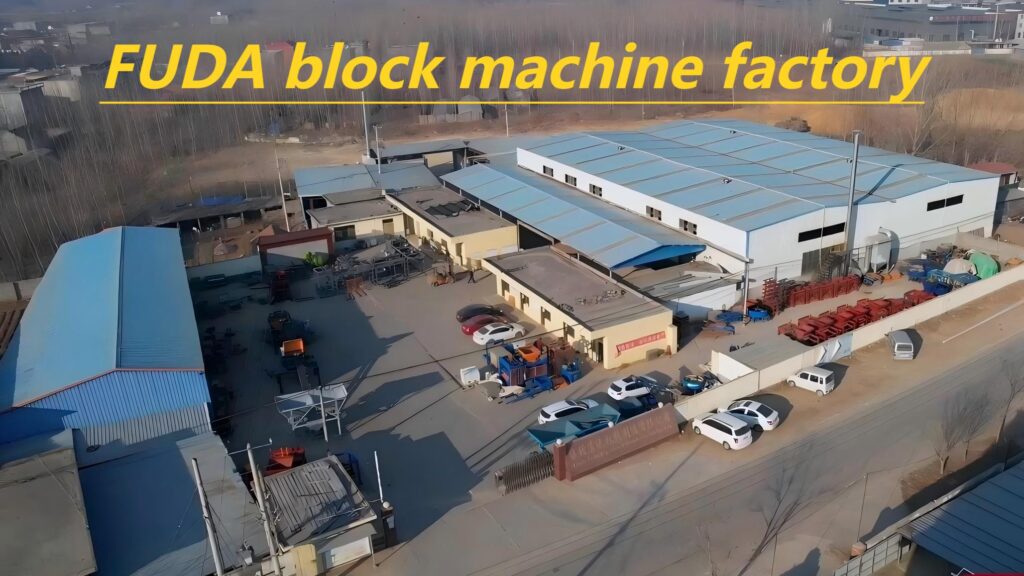
고급 공학 및 통합 생산 공정
신뢰할 수 있는 기계 공급업체의 기반은 통합 제조와 지속적인 엔지니어링 개발에 대한 헌신에 있습니다. 선도적인 시설은 기본적인 조립 작업장에서 설계, 제조, 품질 관리가 원활하게 상호 연결된 정교한 생산 센터로 진화해 왔습니다.
- 내부 연구개발 및 프로토타입 제작 역량기존 디자인을 단순히 복제하는 제조업체와 진정한 연구 개발에 투자하는 업체를 구분해야 합니다. 선도적인 공급업체는 유압 시스템 효율성, 최적의 다짐을 위한 진동 역학, 그리고 산업 4.0 원칙의 통합과 같은 분야에서 혁신에 주력하는 전담 연구개발 부서를 유지합니다. 사내에서 프로토타입을 개발하고 테스트할 수 있는 능력은 제품 발전과 맞춤형 솔루션 개발에 대한 헌신을 의미합니다.
- 정밀 제조 인프라블록 제조기의 품질은 부품의 정밀도에 의해 결정됩니다. 최상위 공급업체는 컴퓨터 수치 제어(CNC) 가공 센터, 레이저 절단 시스템, 자동 용접 스테이션을 갖춘 대규모 작업장을 운영합니다. 이러한 인프라는 구조적 프레임부터 몰드 박스에 이르기까지 중요한 구성 요소가 마이크론 수준의 정확도로 제작되도록 보장하여, 최종 사용자에게 완벽한 정렬, 내구성 및 일관된 제품 품질을 제공합니다.
- 종단 간 품질 보증 프로토콜견고한 품질 관리 시스템은 절대 타협할 수 없는 필수 요소입니다. 이 과정은 인증받은 원자재에서 시작되어 생산의 모든 단계로 확장됩니다. 여기에는 공정 중 검사, 중요 용접부의 비파괴 검사, 그리고 포괄적인 최종 조립 테스트가 포함됩니다. 가장 신뢰할 수 있는 공급업체는 실제 콘크리트 믹스를 사용한 전주기 성능 테스트를 수행하며, 샘플 블록을 제작한 후 치수 정확도와 압축 강도를 테스트하여 기계 성능에 대한 검증 가능한 증거를 제공합니다.
Product Portfolio Depth and Customization Expertise
The ability to serve diverse global markets is a key indicator of a supplier’s versatility and technical strength.
- Range of Production Machinery: A comprehensive supplier offers a spectrum of machines, from manual and semi-automatic models for emerging markets or specialty products to fully automated, high-output production lines with robotic handling systems for large-scale industrial plants. This range allows distributors to address multiple market segments with a single, trusted partner.
- Modular Design and Customization: While standard models are important, the capability for customization is where significant value is created. A sophisticated manufacturer employs a modular design philosophy. This allows for efficient customization, such as configuring machines for specific block sizes, unique raw materials (e.g., fly ash, slag), or integrating specific pallet circulation and curing systems, without the need for prohibitively expensive, ground-up engineering.
- Auxiliary and Support Equipment: The most valuable partners provide complete turnkey solutions. This includes supplying not just the core block machine, but also the entire supporting ecosystem: automatic batching plants, mixer systems, block stackers, and pallet handling equipment. This integrated approach ensures compatibility between all components and simplifies the procurement process for the distributor and end-client.
The Strategic Value Proposition and Partnership Dynamics
Economic Advantages and Market Competitiveness
Sourcing from a leading manufacturing hub presents a powerful economic case, provided quality is maintained.
- Favorable Manufacturing Economics: Access to a mature industrial supply chain for components like steel, hydraulics, and electronics often results in a significant cost advantage without necessarily sacrificing quality. This allows distributors to offer high-value solutions at competitive price points, improving their margin structure and market competitiveness.
- Scalability and Production Capacity: Large-scale manufacturers possess the production floor space and workforce to handle substantial order volumes and accommodate sudden surges in demand. This scalability is crucial for distributors who are scaling their own businesses or who need to fulfill large, time-sensitive projects for their clients.
- Access to Innovation and Evolving Technology: Being plugged into a dense manufacturing ecosystem often means suppliers are rapidly aware of new technological trends and component availabilities. Partners who engage deeply with this ecosystem can gain early access to innovations in control systems, energy-efficient drives, and new material handling techniques.
Building a Collaborative Partnership Framework
The goal is to transition from a buyer-supplier relationship to a strategic alliance.
- Technical Support and Knowledge Transfer: The partnership must include a commitment to ongoing technical support. This encompasses detailed training for the distributor’s service engineers, access to comprehensive technical documentation (schematics, parts manuals, PLC code), and direct channels of communication with the factory’s engineering team for complex troubleshooting.
- Co-Branding and Market Development: For established distributors, exploring co-branding opportunities or collaborative marketing efforts can be beneficial. The manufacturer can act as a silent production partner while the distributor builds its brand equity in its local market, supported by a reliable and high-quality product.
- Long-Term Product Development Roadmaps: A truly strategic partner will share insights into their future product development plans. This allows distributors to anticipate new market offerings, plan their inventory and marketing strategies accordingly, and provide valuable feedback from the field to influence future machine designs.
Navigating Challenges and Implementing Rigorous Due Diligence
Mitigating Supply Chain and Operational Risks
A proactive approach to risk management is essential for a smooth and reliable supply chain.
- Logistics and Supply Chain Management: Navigating international shipping, customs clearance, and final delivery requires expertise. Distributors should seek suppliers with a proven track record of exporting globally, who can provide clear Incoterms and assist with logistics coordination to ensure machines arrive on schedule and in perfect condition.
- Intellectual Property and Quality Consistency: Protecting proprietary designs or customizations is a legitimate concern. Contracts must include clear IP protection clauses. Furthermore, maintaining consistent quality across production batches is critical. Regular factory audits, either in-person or virtual, and strict adherence to agreed-upon technical specifications are necessary to prevent quality drift over time.
- Cultural and Communication Bridges: Differences in language and business culture can lead to misunderstandings. Establishing clear communication protocols with a dedicated, multilingual account manager is vital. Utilizing collaborative online platforms for order tracking, document sharing, and issue resolution can streamline communication and create a transparent record.
The Comprehensive Supplier Evaluation Matrix
Selecting the right partner requires a multi-faceted due diligence process.
- Factory Audit and Physical Inspection: Whenever possible, a physical visit to the manufacturing facility is invaluable. It allows for a firsthand assessment of the production environment, quality control checks, and the company’s operational culture. Key areas to scrutinize include the organization of the production floor, the maintenance of machinery, and the storage and handling of components.
- Financial Stability and Business Longevity: Assessing the financial health of a potential partner is crucial. A financially stable company is more likely to honor warranties, invest in future R&D, and provide long-term support. This can often be verified through third-party business credit reports.
- Client References and Market Reputation: Requesting and contacting client references from similar markets or regions is a critical step. Inquire specifically about machine reliability, the supplier’s responsiveness to service requests, the accuracy of their documentation, and their adherence to delivery schedules. Independent verification of a supplier’s claims is a powerful risk mitigation tool.
결론
Strategic sourcing from a specialized manufacturing hub for brick and block machinery is a complex but highly rewarding endeavor that can define a distributor’s trajectory for a decade or more. The decision transcends initial purchase price, encompassing a holistic evaluation of engineering capability, production quality, and the potential for a true strategic partnership. By conducting thorough due diligence, establishing clear communication channels and legal frameworks, and focusing on the total cost of ownership and long-term support, B2B professionals can unlock a powerful source of competitive advantage. The most successful partnerships are those built on a foundation of mutual respect, transparent communication, and a shared commitment to delivering exceptional value to the end-user. In an increasingly competitive global market, the depth and resilience of your manufacturing partnerships are not just an operational detail, but a core strategic asset.
자주 묻는 질문 (FAQ)
Q1: What is the typical process for a factory audit, and what are the key red flags?
A: A comprehensive audit involves reviewing production workflows, quality control records, and interviewing technical staff. Key red flags include: a disorganized or unclean workshop; a lack of calibrated measuring equipment; an inability to provide material certificates for steel or components; no formal process for final machine testing; and an unwillingness to share client references or allow visits to completed installations.
Q2: How are warranty and after-sales support typically handled from an international supplier?
A: A standard warranty usually covers defects in materials and workmanship for a defined period, often 12 months. Support is typically provided remotely at first, via video calls and direct communication with engineers. For critical issues, the supplier is expected to dispatch an engineer, with costs negotiated as per the contract terms. The clarity of the warranty policy and the supplier’s promptness in responding to initial inquiries are strong indicators of their future support quality.
Q3: What are the standard payment terms, and how can we ensure financial security?
A: Terms are often negotiated but commonly involve a deposit (e.g., 30-50%) with order confirmation, balance payment before shipment, or against copies of shipping documents. For large orders, a Letter of Credit (LC) is a common and secure instrument that protects both parties. It ensures payment is released to the supplier only after proof of shipment is provided.
Q4: Can suppliers provide machines that comply with specific international standards (e.g., CE, ISO)?
A: Reputable and experienced suppliers often have models that are CE certified, indicating compliance with European health, safety, and environmental standards. They should be able to provide the necessary documentation and certification. For other specific national standards, this must be explicitly discussed during the negotiation phase, as it may require specific modifications and testing.
Q5: What is the lead time for a standard machine versus a fully customized production line?
A: Lead times vary significantly. A standard model from a supplier’s existing product line may have a lead time of 4-8 weeks. A heavily customized machine or a complete turnkey plant requires detailed engineering, procurement of special components, and extended assembly time, leading to lead times of 4 to 6 months. A reliable supplier will provide a detailed production and delivery schedule upon order confirmation.
