المحددات متعددة الأوجه لوزن الطوب
وزن الطوبة الناتجة عن خط إنتاج حديث ليس أمراً عشوائياً. إنه النتيجة الدقيقة لعدة عوامل مترابطة، كل منها يمكن التحكم فيه من خلال إعدادات الآلة وعلم المواد.
1. التركيب الأساسي للمادة والكثافة
العنصر الأساسي هو المحرك الرئيسي للوزن الأساسي.
- الطوب الطيني:تتكون أساسًا من الصخر الزيتي والطين وسيليكات الألومنيوم الطبيعية الأخرى. تؤثر علم المعادن للمادة المصدر بشكل كبير على الكثافة بعد الحرق. فالطوبة المصنوعة من طين حراري كثيف ستكون أثقل من تلك المصنوعة من طين سطح أكثر مسامية، حتى لو كانت الأبعاد متطابقة.
- الطوب والكتل الخرسانية:هنا، يعد نوع الركام أمرًا بالغ الأهمية. فالطوبة التي تستخدم ركامًا قياسيًا من الرمل والحصى ستتمتع بكثافة نموذجية. ومع ذلك، فإن استخدام الركام خفيف الوزن - مثل الصخر الزيتي الممدد، أو الطين، أو الأردواز، أو الزجاج المعاد تدويره - يمكن أن يقلل الوزن بنسبة 25% إلى 40% مع الحفاظ على معايير القوة المطلوبة. على العكس من ذلك، يُحدد استخدام الركام الثقيل الوزن مثل خام الحديد أو الباريت للتطبيقات المتخصصة التي تتطلب حماية من الإشعاع أو ثقل موازنة.
٢. عملية التصنيع ودقة الماكينة
الآلات والعملية تترك بصمة نهائية حاسمة على وزن الطوب.
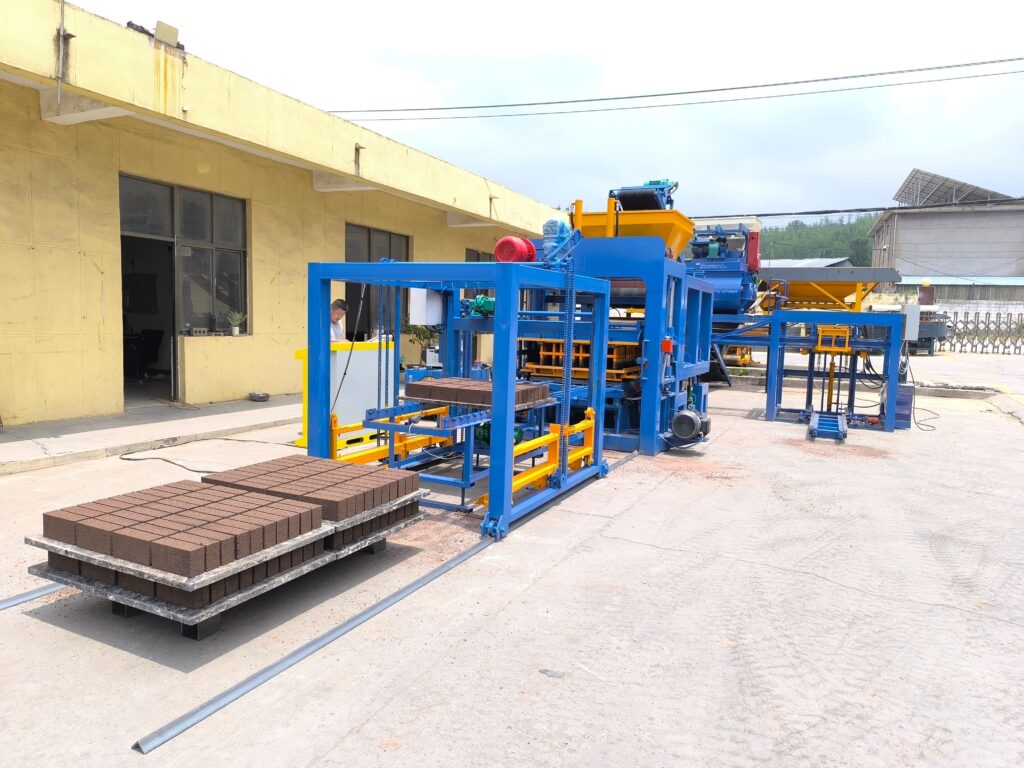
- دور التماسك والضغطهذا هو المتغير الأكثر أهمية الذي يتحكم به الماكينة. الضغط الثابت العالي، وهو سمة مميزة للماكينات المتقدمة، يجبر الجزيئات على الاندماج في مصفوفة أكثر كثافة، مما يزيل الفراغات الهوائية. الطوب المنتج عند ضغط 200 كجم/سم² سيكون أثقل وأقوى بشكل ملحوظ من خليط مماثل تم ضغطه عند 100 كجم/سم²، بافتراض تساوي العوامل الأخرى. قدرة الماكينة على توصيل والحفاظ على ضغط ثابت ومعاير يحدد بشكل مباشر تجانس المنتج من حيث الوزن والأداء.
- محتوى الرطوبة والتجفيف/الحرقبالنسبة لطوب الخرسانة، يتبخر المحتوى المائي الأولي في الخليط، تاركًا فراغات. يضمن التحكم الدقيق في الرطوبة عبر أنظمة الجرعات الآلية تقليل هذا المتغير إلى أدنى حد. بالنسبة لطوب الطين، تتسبب عملية الحرق في الفرن في التلبيد والتزجيج. يؤثر ملف درجة الحرارة ومدته على المسامية النهائية، وبالتالي الوزن؛ حيث تؤدي درجات الحرارة المرتفعة عمومًا إلى منتج أكثر كثافة وأثقل قليلاً.
- الدقة البعدية والتفاوتات المسموح بهاتُنتج الآلات الحديثة المزودة بقوالب تُشغَّل باستخدام التحكم الرقمي الحاسوبي وأنظمة هيدروليكية مستقرة طوبًا بتفاوتات أبعاد ضيقة للغاية. ويؤدي اختلاف بمقدار بضعة ملليمترات فقط في العرض أو الارتفاع أو الطول عبر دورة إنتاج إلى تباين قابل للقياس في الوزن لكل وحدة. ويُعتبر الوزن الثابت مؤشرًا مباشرًا على دقة التصنيع.
Navigating “Standard” Weights in Global Markets
The term “standard brick” is geographically relative. Key dimensions and, by extension, weights vary to suit regional construction practices and historical precedents.
1. Common Modular Sizes and Their Typical Weights
- Modular Brick (United States): The prevalent standard has nominal dimensions of 8″ x 3 5/8″ x 2 1/4″ (203mm x 92mm x 57mm). The weight of a solid clay modular brick typically ranges from 4.0 to 4.5 lbs (1.8 to 2.0 kg). A concrete modular brick of the same size can be slightly heavier, often between 4.5 to 5.0 lbs (2.0 to 2.3 kg).
- Standard Brick (United Kingdom, Australia): Often sized at approximately 215mm x 102.5mm x 65mm. A solid clay brick in this format generally weighs between 3.0 to 3.5 kg (6.6 to 7.7 lbs).
- Metric Cooperative Brick (Many EU countries): Sized at 290mm x 140mm x 90mm for easier calculation in metric designs, this is a larger unit. Its weight can range from 6.0 to 8.0 kg (13.2 to 17.6 lbs) depending on material and void structure.
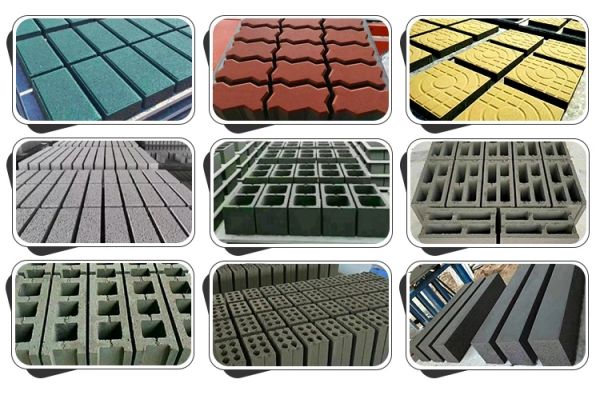
- Hollow or Perforated Bricks: A critical category for weight reduction. These bricks feature voids or holes, which can reduce their weight by 30% to 50% compared to a solid brick of the same face dimensions. A modular hollow clay brick may weigh around 2.5 to 3.5 lbs (1.1 to 1.6 kg), offering significant benefits in handling and structural load.
2. The Strategic Importance of Weight Classes
Beyond a single number, weight informs application.
- Pavers and Heavy-Duty Engineering Bricks: Designed for traffic loads and foundations, these are deliberately dense and heavy, often exceeding 5 kg (11 lbs), to withstand high compressive forces and weathering.
- Lightweight Blocks for Partition Walls: Autoclaved aerated concrete (AAC) or highly perforated clay blocks are engineered for minimal weight (as low as 10-15 kg per block covering a much larger area than a brick) to reduce dead load on structures and improve thermal insulation.
- Face Brick vs. Common Brick: Face bricks, selected for appearance, may have a more consistent weight and density due to tighter quality control, while common bricks for backing may have a wider acceptable weight range.
Strategic Implications for Distribution and Procurement
The weight of a brick is a logistical and commercial variable with direct cost implications.
- Logistics and Transportation Economics: Weight is a primary factor in freight costs. Understanding the weight per unit and per pallet is essential for accurate shipping quotes, load optimization, and warehouse storage planning. Lightweight brick and block products can dramatically increase the number of units shipped per container or truck, reducing the per-unit transport cost.
- On-Site Labor Efficiency and Safety: Ergonomics and labor productivity are directly affected. Heavier bricks increase mason fatigue, potentially slowing construction speed and increasing the risk of repetitive strain injuries. The trend in many markets is toward larger, but lighter, units (like thin brick or lightweight blocks) that maintain coverage rate while reducing individual lift weight.
- Structural Design and Load Calculations: Architects and structural engineers specify bricks based on weight (dead load) as much as strength. Supplying bricks that conform to the expected weight class is non-negotiable for structural integrity. A variance could affect the building’s calculated load-bearing capacity.
- Machinery Selection and Client Advisory: For equipment distributors, this knowledge is pivotal. A client aiming to produce lightweight AAC blocks requires a completely different machinery suite (involving slurry preparation, autoclaving) than a client targeting high-density, heavy clay pavers. Recommending machinery capable of producing the desired weight-density profile—through adjustable compaction, mold design for voids, or compatibility with lightweight aggregates—is a high-value service.
خاتمة
The weight of a machine-made brick is far more than a number on a spec sheet. It is a holistic signature of the product’s identity, encapsulating its raw material origins, the precision of the manufacturing technology that formed it, and its ultimate destiny in the built environment. For the industry professional, expertise in this area is a critical differentiator. It enables informed dialogue with clients about market positioning—whether targeting the heavy-duty civil engineering sector or the efficient, lightweight residential construction market. It underscores the importance of investing in machinery that offers not just output, but controlled and versatile output, capable of hitting specific weight and density targets consistently. Ultimately, by mastering the nuances of brick weight, distributors and procurement experts can optimize supply chains, enhance worksite productivity, ensure structural compliance, and provide data-driven guidance that transforms brick from a commodity into a precisely engineered component, driving value at every link of the construction chain.
الأسئلة الشائعة (FAQ)
Q1: Why is there such a wide weight range even for bricks of the same nominal size?
The variance arises from the core factors discussed: material density (type of clay or aggregate), manufacturing process (compaction pressure, firing temperature), and internal structure (solid vs. cored). A highly vitrified clay brick and a porous, low-fired clay brick can share dimensions but differ markedly in weight. Consistency within a production batch is a mark of quality; variance between types is a mark of product differentiation.
Q2: How does the weight of a brick correlate with its strength and insulation properties?
Generally, for bricks of the same material type and manufacturing process, a higher weight indicates greater density, which usually correlates with higher compressive strengthوlower water absorption. However, regarding insulation, the relationship is inverse. Greater density and weight often mean lower thermal resistance (R-value). Lighter, more porous bricks trap more air, providing better insulation. Therefore, choice involves a trade-off based on the priority: load-bearing capacity versus energy efficiency.
Q3: What are the key questions to ask a machinery manufacturer regarding product weight control?
- What is the machine’s maximum compaction pressure, and how is it regulated and monitored?
- Does the control system allow for storing and executing precise “recipes” for different products to ensure batch-to-batch consistency?
- How tight are the dimensional tolerances guaranteed for the molded unit?
- Is the system compatible with lightweight aggregates or designed for producing perforated bricks to achieve lower weight classes?
Q4: For procurement, what weight-related details should be specified in an order?
To avoid disputes, orders should specify:
- Nominal Dimensions (e.g., 8″x4″x2″).
- Minimum Average Compressive Strength (e.g., 3000 psi).
- Maximum Water Absorption (e.g., 15%).
- Target Weight per Unit or Weight Range (e.g., 4.2 ± 0.2 lbs).
- The Standard Test Method used for verification (e.g., ASTM C67).
Specifying weight alongside strength and absorption provides a more complete quality picture.
Q5: Is there a global trend toward heavier or lighter bricks?
The trend is decisively toward optimized weight, not simply lighter or heavier. This means:
- Lighter, larger-format units (blocks) for faster construction and better insulation in walls.
- Dense, heavy pavers and engineering bricks where abrasion resistance and extreme durability are needed.
- Precision in weight consistency as a benchmark of manufacturing quality, regardless of the absolute weight class. The market is segmenting into specialized products, each with an engineered weight-to-performance ratio.