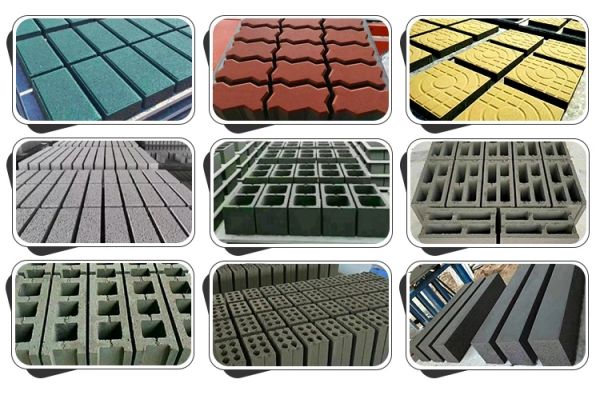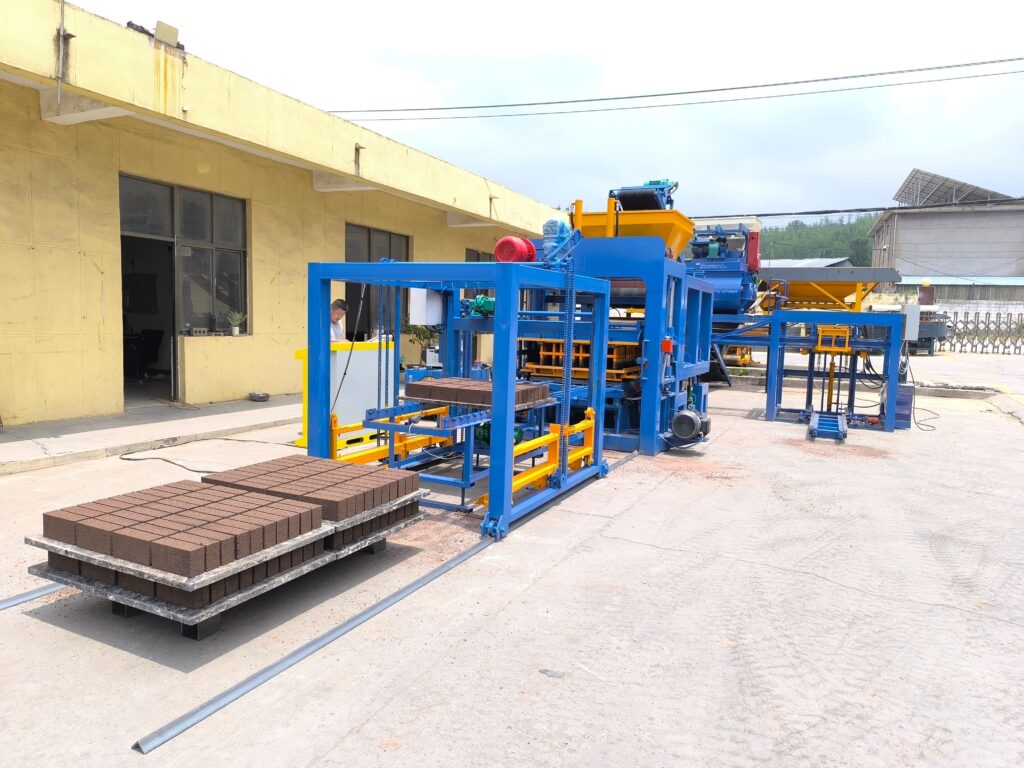
Багатогранні детермінанти ваги цегли
Вага цеглини, що виходить із сучасної виробничої лінії, не є випадковою. Це точний результат кількох взаємопов'язаних факторів, кожен з яких можна контролювати за допомогою налаштувань обладнання та матеріалознавства.
1. Основний матеріал: склад та щільність
Фундаментальний інгредієнт є основним фактором базової ваги.
- Глиняна цегла:Складається переважно з сланцю, глини та інших природних алюмосилікатів. Мінералогія вихідного матеріалу суттєво впливає на щільність після випалу. Цегла, виготовлена з щільної вогнетривкої глини, буде важчою за ту, що зроблена з більш пористої поверхневої глини, навіть за однакових розмірів.
- Бетонна цегла та блоки:Тут вирішальним є тип заповнювача. Цегла, виготовлена зі стандартного піску та гравійного заповнювача, матиме типову щільність. Однак використання легких заповнювачів — таких як спучений сланець, глина, шифер або перероблене скло — може зменшити вагу на 25–40%, зберігаючи необхідні стандарти міцності. І навпаки, використання важких заповнювачів, таких як залізна руда або барит, призначене для спеціалізованих застосувань, що потребують радіаційного захисту або баласту.
2. Виробничий процес і точність обладнання
Машини та технологічний процес накладають останній, критичний відбиток на вагу цегли.
- Роль ущільнення та тиску:Найважливіша регульована змінна, що контролюється машиною. Високотемпературне статичне ущільнення, характерна риса передового обладнання, примушує частинки утворювати щільнішу матрицю, усуваючи повітряні порожнини. Цегла, виготовлена при тиску 200 кг/см², буде вимірно важчою та міцнішою, ніж аналогічна суміш, ущільнена при 100 кг/см², за умови рівності всіх інших параметрів. Здатність машини подавати та підтримувати стабільний, відкалібрований тиск безпосередньо визначає однорідність виробів за вагою та експлуатаційними характеристиками.
- Вологовміст та сушіння/випал:Для бетонних цеглин початкова волога у суміші випаровується, залишаючи порожнини. Точний контроль вологості за допомогою автоматизованих дозувальних систем мінімізує цю змінну. Для глиняних цеглин процес випалу в печі спричиняє спікання та вітрифікацію. Профіль температури та тривалість впливають на кінцеву пористість, а отже, і на вагу; вищі температури зазвичай призводять до більш щільного, трохи важчого продукту.
- Розмірна точність та допуски:Сучасне обладнання з верстатами з ЧПК для формування прес-форм та стабільними гідравлічними системами виробляє цеглу з надзвичайно вузькими допусками розмірів. Відхилення навіть на кілька міліметрів у ширині, висоті чи довжині в межах виробничої партії призводить до відчутної різниці у вазі одиниці продукції. Стабільна вага є прямим показником точності виробництва.
Навігація “стандартними” вагами на глобальних ринках
Термін "стандартна цегла" є географічно відносним. Основні розміри та, відповідно, вага варіюються залежно від регіональних будівельних практик та історичних прецедентів.
1. Поширені модульні розміри та їх типова вага
- Модульна цегла (Сполучені Штати)Поширений стандарт має номінальні розміри 8″ x 3 5/8″ x 2 1/4″ (203 мм x 92 мм x 57 мм). Вага суцільної глиняної модульної цегли зазвичай коливається від4,0 до 4,5 фунтів (1,8 до 2,0 кг)Бетонний модульний блок такого ж розміру може бути дещо важчим, зазвичай важить від4,5 до 5,0 фунтів (2,0 до 2,3 кг).
- Standard Brick (United Kingdom, Australia): Often sized at approximately 215mm x 102.5mm x 65mm. A solid clay brick in this format generally weighs between 3.0 to 3.5 kg (6.6 to 7.7 lbs).
- Metric Cooperative Brick (Many EU countries): Sized at 290mm x 140mm x 90mm for easier calculation in metric designs, this is a larger unit. Its weight can range from 6.0 to 8.0 kg (13.2 to 17.6 lbs) depending on material and void structure.
- Hollow or Perforated Bricks: A critical category for weight reduction. These bricks feature voids or holes, which can reduce their weight by 30% to 50% compared to a solid brick of the same face dimensions. A modular hollow clay brick may weigh around 2.5 to 3.5 lbs (1.1 to 1.6 kg), offering significant benefits in handling and structural load.
2. The Strategic Importance of Weight Classes
Beyond a single number, weight informs application.
- Pavers and Heavy-Duty Engineering Bricks: Designed for traffic loads and foundations, these are deliberately dense and heavy, often exceeding 5 kg (11 lbs), to withstand high compressive forces and weathering.
- Lightweight Blocks for Partition Walls: Autoclaved aerated concrete (AAC) or highly perforated clay blocks are engineered for minimal weight (as low as 10-15 kg per block covering a much larger area than a brick) to reduce dead load on structures and improve thermal insulation.
- Face Brick vs. Common Brick: Face bricks, selected for appearance, may have a more consistent weight and density due to tighter quality control, while common bricks for backing may have a wider acceptable weight range.
Strategic Implications for Distribution and Procurement
The weight of a brick is a logistical and commercial variable with direct cost implications.
- Logistics and Transportation Economics: Weight is a primary factor in freight costs. Understanding the weight per unit and per pallet is essential for accurate shipping quotes, load optimization, and warehouse storage planning. Lightweight brick and block products can dramatically increase the number of units shipped per container or truck, reducing the per-unit transport cost.
- On-Site Labor Efficiency and Safety: Ergonomics and labor productivity are directly affected. Heavier bricks increase mason fatigue, potentially slowing construction speed and increasing the risk of repetitive strain injuries. The trend in many markets is toward larger, but lighter, units (like thin brick or lightweight blocks) that maintain coverage rate while reducing individual lift weight.
- Structural Design and Load Calculations: Architects and structural engineers specify bricks based on weight (dead load) as much as strength. Supplying bricks that conform to the expected weight class is non-negotiable for structural integrity. A variance could affect the building’s calculated load-bearing capacity.
- Machinery Selection and Client Advisory: For equipment distributors, this knowledge is pivotal. A client aiming to produce lightweight AAC blocks requires a completely different machinery suite (involving slurry preparation, autoclaving) than a client targeting high-density, heavy clay pavers. Recommending machinery capable of producing the desired weight-density profile—through adjustable compaction, mold design for voids, or compatibility with lightweight aggregates—is a high-value service.
Висновок
The weight of a machine-made brick is far more than a number on a spec sheet. It is a holistic signature of the product’s identity, encapsulating its raw material origins, the precision of the manufacturing technology that formed it, and its ultimate destiny in the built environment. For the industry professional, expertise in this area is a critical differentiator. It enables informed dialogue with clients about market positioning—whether targeting the heavy-duty civil engineering sector or the efficient, lightweight residential construction market. It underscores the importance of investing in machinery that offers not just output, but controlled and versatile output, capable of hitting specific weight and density targets consistently. Ultimately, by mastering the nuances of brick weight, distributors and procurement experts can optimize supply chains, enhance worksite productivity, ensure structural compliance, and provide data-driven guidance that transforms brick from a commodity into a precisely engineered component, driving value at every link of the construction chain.
Часті питання (FAQ)
Q1: Why is there such a wide weight range even for bricks of the same nominal size?
The variance arises from the core factors discussed: material density (type of clay or aggregate), manufacturing process (compaction pressure, firing temperature), and internal structure (solid vs. cored). A highly vitrified clay brick and a porous, low-fired clay brick can share dimensions but differ markedly in weight. Consistency within a production batch is a mark of quality; variance between types is a mark of product differentiation.
Q2: How does the weight of a brick correlate with its strength and insulation properties?
Generally, for bricks of the same material type and manufacturing process, a higher weight indicates greater density, which usually correlates with higher compressive strengthтаlower water absorption. However, regarding insulation, the relationship is inverse. Greater density and weight often mean lower thermal resistance (R-value). Lighter, more porous bricks trap more air, providing better insulation. Therefore, choice involves a trade-off based on the priority: load-bearing capacity versus energy efficiency.
Q3: What are the key questions to ask a machinery manufacturer regarding product weight control?
- What is the machine’s maximum compaction pressure, and how is it regulated and monitored?
- Does the control system allow for storing and executing precise “recipes” for different products to ensure batch-to-batch consistency?
- How tight are the dimensional tolerances guaranteed for the molded unit?
- Is the system compatible with lightweight aggregates or designed for producing perforated bricks to achieve lower weight classes?
Q4: For procurement, what weight-related details should be specified in an order?
To avoid disputes, orders should specify:
- Nominal Dimensions (e.g., 8″x4″x2″).
- Minimum Average Compressive Strength (e.g., 3000 psi).
- Maximum Water Absorption (e.g., 15%).
- Target Weight per Unit or Weight Range (e.g., 4.2 ± 0.2 lbs).
- The Standard Test Method used for verification (e.g., ASTM C67).
Specifying weight alongside strength and absorption provides a more complete quality picture.
Q5: Is there a global trend toward heavier or lighter bricks?
The trend is decisively toward optimized weight, not simply lighter or heavier. This means:
- Lighter, larger-format units (blocks) for faster construction and better insulation in walls.
- Dense, heavy pavers and engineering bricks where abrasion resistance and extreme durability are needed.
- Precision in weight consistency as a benchmark of manufacturing quality, regardless of the absolute weight class. The market is segmenting into specialized products, each with an engineered weight-to-performance ratio.