벽돌 무게의 다면적 결정 요인
현대 생산 라인에서 나오는 벽돌의 무수는 우연이 아닙니다. 이는 기계 설정과 재료 과학을 통해 각각 제어 가능한 여러 상호 연결된 요소들의 정확한 결과입니다.
1. 핵심 재료 구성 및 밀도
근본적인 성분은 기초 체중의 주요 동인입니다.
- 점토 벽돌:주로 셰일, 점토 및 기타 천연 알루미노규산염으로 구성됩니다. 원료의 광물학적 구성은 소성된 벽돌의 밀도에 큰 영향을 미칩니다. 다공성 표면 점토로 만든 벽돌보다 밀도가 높은 내화점토로 만든 벽돌은 크기가 동일하더라도 더 무거울 것입니다.
- 콘크리트 벽돌과 블록:여기서는 골재의 종류가 가장 중요합니다. 표준 모래와 자갈을 사용한 벽돌은 일반적인 밀도를 가집니다. 그러나 팽창된 셰일, 점토, 슬레이트 또는 재활용 유리와 같은 경량 골재를 사용하면 필요한 강도 기준을 유지하면서 무게를 25%에서 40%까지 줄일 수 있습니다. 반대로, 방사선 차폐나 밸러스트가 필요한 특수 용도에는 철광석이나 중정석과 같은 중량 골재의 사용이 지정됩니다.
2. 제조 공정 및 기계 정밀도
기계와 공정은 벽돌의 무게에 최종적이고 결정적인 특성을 부여합니다.
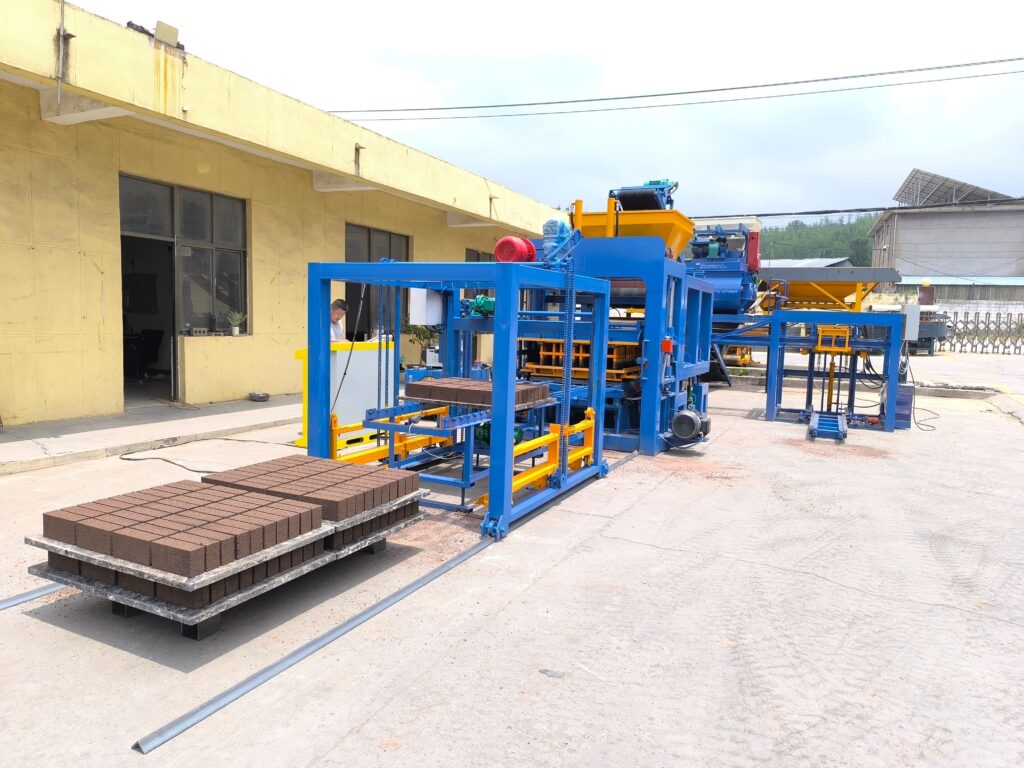
- 압축 및 압력의 역할이것은 기계가 제어하는 가장 중요한 변수입니다. 고압 정적 압축은 첨단 기계의 특징으로, 입자들을 더 조밀한 매트릭스로 밀어 넣어 공극을 제거합니다. 다른 모든 조건이 동일할 때, 200 kg/cm²로 압축된 벽돌은 100 kg/cm²로 압축된 동일한 혼합물보다 측정 가능하게 더 무겁고 강합니다. 기계가 일관되고 교정된 압력을 전달하고 유지하는 능력은 중량과 성능 면에서 제품의 일관성을 직접적으로 결정합니다.
- 수분 함량 및 건조/소성콘크리트 벽돌의 경우 혼합물 내 초기 수분 함량이 증발하면서 공극이 남게 됩니다. 자동 계량 시스템을 통한 정밀한 수분 제어로 이 변수를 최소화합니다. 점토 벽돌의 경우, 가마에서의 소성 과정이 소결과 유리화를 유발합니다. 온도 프로파일과 지속 시간이 최종 다공성 및 결과적으로 무게에 영향을 미치며, 일반적으로 더 높은 온도는 더 조밀하고 약간 더 무거운 제품을 만듭니다.
- 치수 정밀도와 공차:采用CNC加工模具和稳定液压系统的现代机械,制造的砖块尺寸公差极小。生产过程中宽度、高度或长度仅几毫米的偏差,就会导致单位重量出现可测量的差异。稳定的重量直接体现了制造精度。
글로벌 시장에서 '표준' 중량 탐색
“표준 벽돌”이라는 용어는 지역에 따라 상대적입니다. 주요 치수와 연장선상의 무게는 지역별 건축 관행과 역사적 전례에 맞춰 다양합니다.
1. Common Modular Sizes and Their Typical Weights
- Modular Brick (United States): The prevalent standard has nominal dimensions of 8″ x 3 5/8″ x 2 1/4″ (203mm x 92mm x 57mm). The weight of a solid clay modular brick typically ranges from 4.0 to 4.5 lbs (1.8 to 2.0 kg). A concrete modular brick of the same size can be slightly heavier, often between 4.5 to 5.0 lbs (2.0 to 2.3 kg).
- Standard Brick (United Kingdom, Australia): Often sized at approximately 215mm x 102.5mm x 65mm. A solid clay brick in this format generally weighs between 3.0 to 3.5 kg (6.6 to 7.7 lbs).
- Metric Cooperative Brick (Many EU countries): Sized at 290mm x 140mm x 90mm for easier calculation in metric designs, this is a larger unit. Its weight can range from 6.0 to 8.0 kg (13.2 to 17.6 lbs) depending on material and void structure.
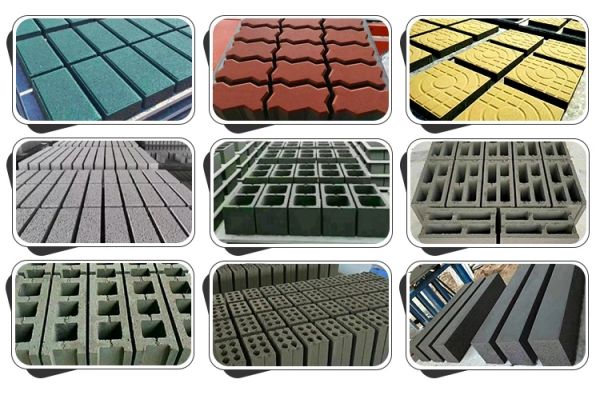
- Hollow or Perforated Bricks: A critical category for weight reduction. These bricks feature voids or holes, which can reduce their weight by 30% to 50% compared to a solid brick of the same face dimensions. A modular hollow clay brick may weigh around 2.5 to 3.5 lbs (1.1 to 1.6 kg), offering significant benefits in handling and structural load.
2. The Strategic Importance of Weight Classes
Beyond a single number, weight informs application.
- Pavers and Heavy-Duty Engineering Bricks: Designed for traffic loads and foundations, these are deliberately dense and heavy, often exceeding 5 kg (11 lbs), to withstand high compressive forces and weathering.
- Lightweight Blocks for Partition Walls: Autoclaved aerated concrete (AAC) or highly perforated clay blocks are engineered for minimal weight (as low as 10-15 kg per block covering a much larger area than a brick) to reduce dead load on structures and improve thermal insulation.
- Face Brick vs. Common Brick: Face bricks, selected for appearance, may have a more consistent weight and density due to tighter quality control, while common bricks for backing may have a wider acceptable weight range.
Strategic Implications for Distribution and Procurement
The weight of a brick is a logistical and commercial variable with direct cost implications.
- Logistics and Transportation Economics: Weight is a primary factor in freight costs. Understanding the weight per unit and per pallet is essential for accurate shipping quotes, load optimization, and warehouse storage planning. Lightweight brick and block products can dramatically increase the number of units shipped per container or truck, reducing the per-unit transport cost.
- On-Site Labor Efficiency and Safety: Ergonomics and labor productivity are directly affected. Heavier bricks increase mason fatigue, potentially slowing construction speed and increasing the risk of repetitive strain injuries. The trend in many markets is toward larger, but lighter, units (like thin brick or lightweight blocks) that maintain coverage rate while reducing individual lift weight.
- Structural Design and Load Calculations: Architects and structural engineers specify bricks based on weight (dead load) as much as strength. Supplying bricks that conform to the expected weight class is non-negotiable for structural integrity. A variance could affect the building’s calculated load-bearing capacity.
- Machinery Selection and Client Advisory: For equipment distributors, this knowledge is pivotal. A client aiming to produce lightweight AAC blocks requires a completely different machinery suite (involving slurry preparation, autoclaving) than a client targeting high-density, heavy clay pavers. Recommending machinery capable of producing the desired weight-density profile—through adjustable compaction, mold design for voids, or compatibility with lightweight aggregates—is a high-value service.
결론
The weight of a machine-made brick is far more than a number on a spec sheet. It is a holistic signature of the product’s identity, encapsulating its raw material origins, the precision of the manufacturing technology that formed it, and its ultimate destiny in the built environment. For the industry professional, expertise in this area is a critical differentiator. It enables informed dialogue with clients about market positioning—whether targeting the heavy-duty civil engineering sector or the efficient, lightweight residential construction market. It underscores the importance of investing in machinery that offers not just output, but controlled and versatile output, capable of hitting specific weight and density targets consistently. Ultimately, by mastering the nuances of brick weight, distributors and procurement experts can optimize supply chains, enhance worksite productivity, ensure structural compliance, and provide data-driven guidance that transforms brick from a commodity into a precisely engineered component, driving value at every link of the construction chain.
자주 묻는 질문 (FAQ)
Q1: Why is there such a wide weight range even for bricks of the same nominal size?
The variance arises from the core factors discussed: material density (type of clay or aggregate), manufacturing process (compaction pressure, firing temperature), and internal structure (solid vs. cored). A highly vitrified clay brick and a porous, low-fired clay brick can share dimensions but differ markedly in weight. Consistency within a production batch is a mark of quality; variance between types is a mark of product differentiation.
Q2: How does the weight of a brick correlate with its strength and insulation properties?
Generally, for bricks of the same material type and manufacturing process, a higher weight indicates greater density, which usually correlates with higher compressive strength그리고lower water absorption. However, regarding insulation, the relationship is inverse. Greater density and weight often mean lower thermal resistance (R-value). Lighter, more porous bricks trap more air, providing better insulation. Therefore, choice involves a trade-off based on the priority: load-bearing capacity versus energy efficiency.
Q3: What are the key questions to ask a machinery manufacturer regarding product weight control?
- What is the machine’s maximum compaction pressure, and how is it regulated and monitored?
- Does the control system allow for storing and executing precise “recipes” for different products to ensure batch-to-batch consistency?
- How tight are the dimensional tolerances guaranteed for the molded unit?
- Is the system compatible with lightweight aggregates or designed for producing perforated bricks to achieve lower weight classes?
Q4: For procurement, what weight-related details should be specified in an order?
To avoid disputes, orders should specify:
- Nominal Dimensions (e.g., 8″x4″x2″).
- Minimum Average Compressive Strength (e.g., 3000 psi).
- Maximum Water Absorption (e.g., 15%).
- Target Weight per Unit or Weight Range (e.g., 4.2 ± 0.2 lbs).
- The Standard Test Method used for verification (e.g., ASTM C67).
Specifying weight alongside strength and absorption provides a more complete quality picture.
Q5: Is there a global trend toward heavier or lighter bricks?
The trend is decisively toward optimized weight, not simply lighter or heavier. This means:
- Lighter, larger-format units (blocks) for faster construction and better insulation in walls.
- Dense, heavy pavers and engineering bricks where abrasion resistance and extreme durability are needed.
- Precision in weight consistency as a benchmark of manufacturing quality, regardless of the absolute weight class. The market is segmenting into specialized products, each with an engineered weight-to-performance ratio.